Newsletters


Top White House advisers have privately warned U.S. President Donald Trump that the war with Iran could continue through the remainder of his term, potentially extending past Inauguration Day in January 2029, according to a Wall Street Journal (WSJ) report citing U.S. officials.
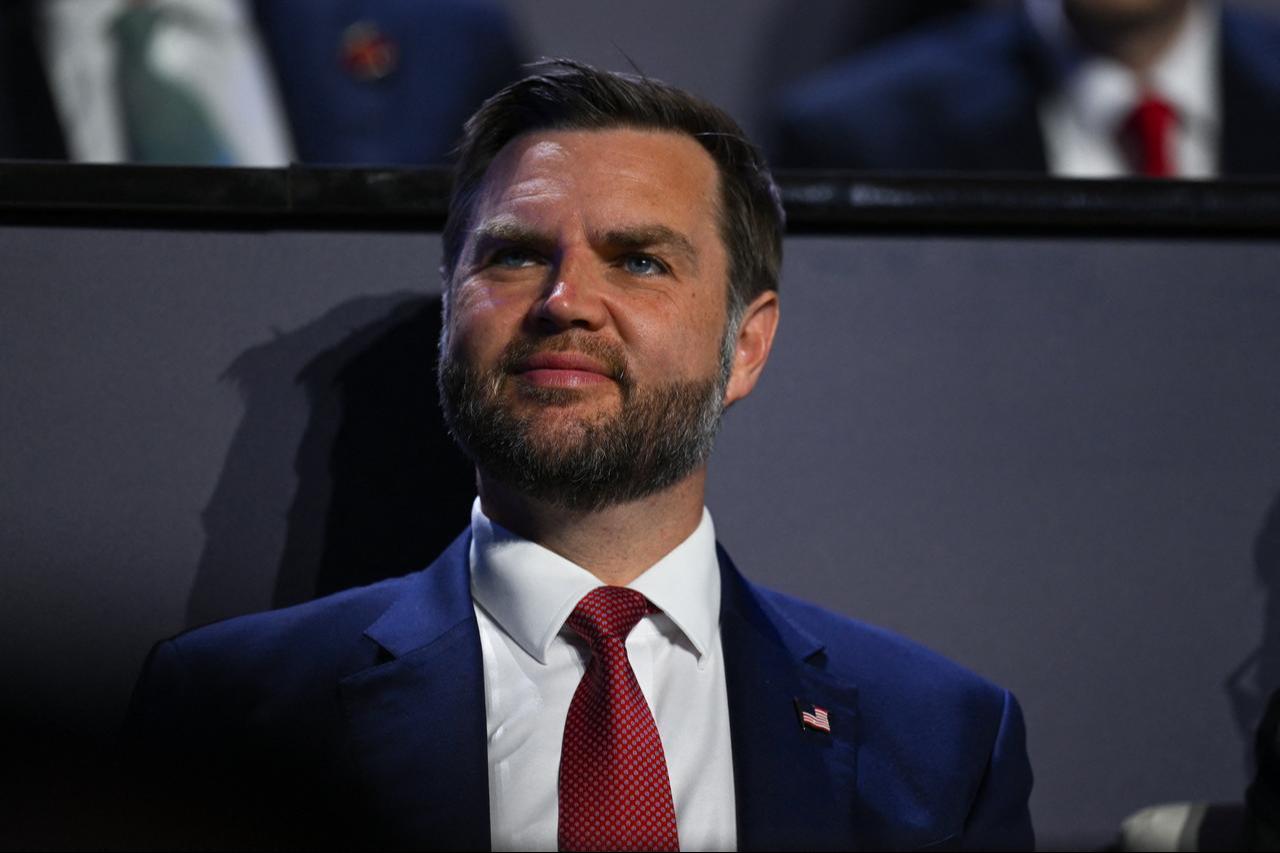
Vice President JD Vance, Secretary of State Marco Rubio and other senior officials have discussed with Trump in the Oval Office and Situation Room the possibility that Tehran could continue resisting U.S. pressure under the naval blockade and other military measures, the officials said, a message at odds with Trump's public assurances of a swift victory.
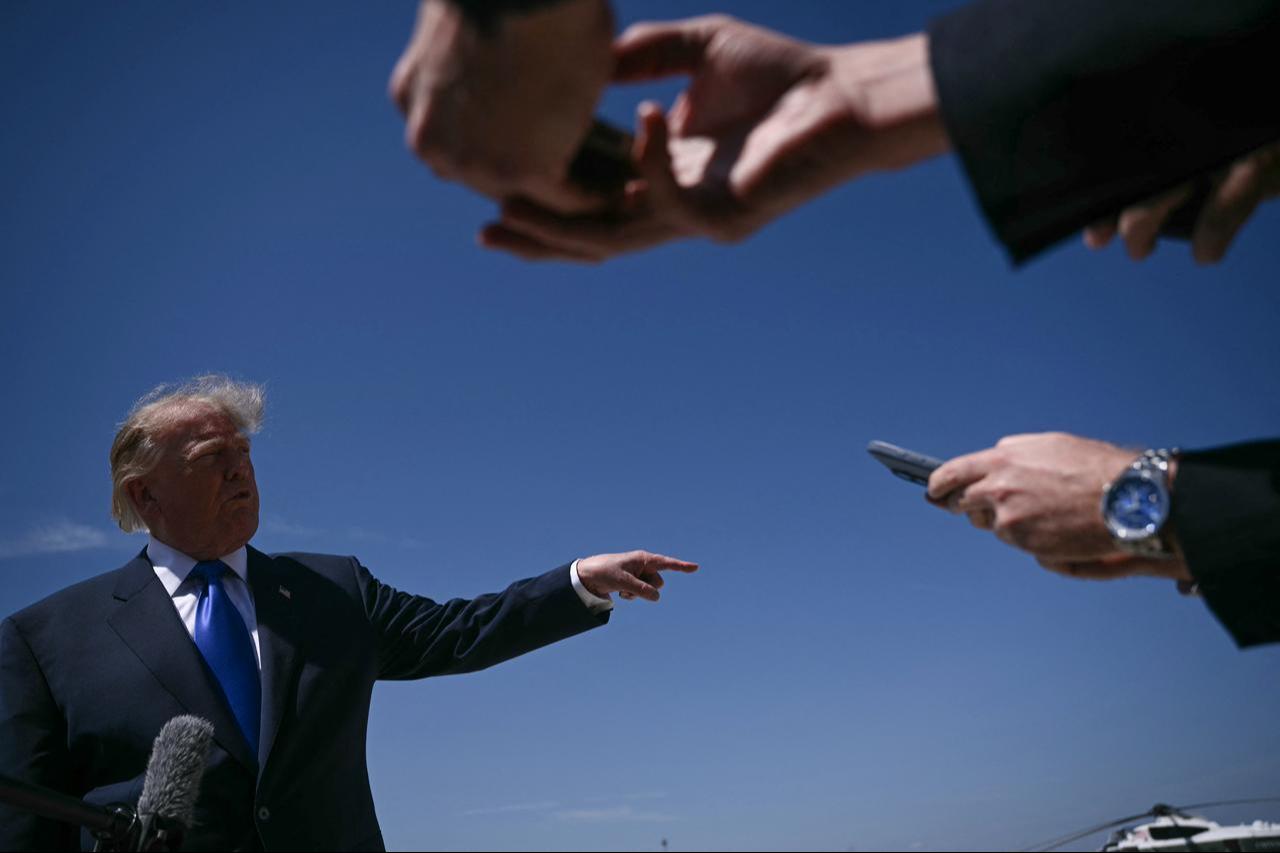
Trump told reporters Wednesday, en route to Dallas for the Republican Party's first-ever midterm convention, that the war would end "immediately" after the Nov. 3 midterm elections "because they can't hold out any longer."
"Right after the election, oil prices are going to be tumbling downward," Trump said, adding that Iran was "desperate to try and affect the election, so that we can get a nice weak group of people in there" (an apparent reference to Democrats) "and leave them alone and let them have their nuclear weapon."
He offered no evidence for the claim, as Iran has repeatedly denied seeking nuclear weapons.
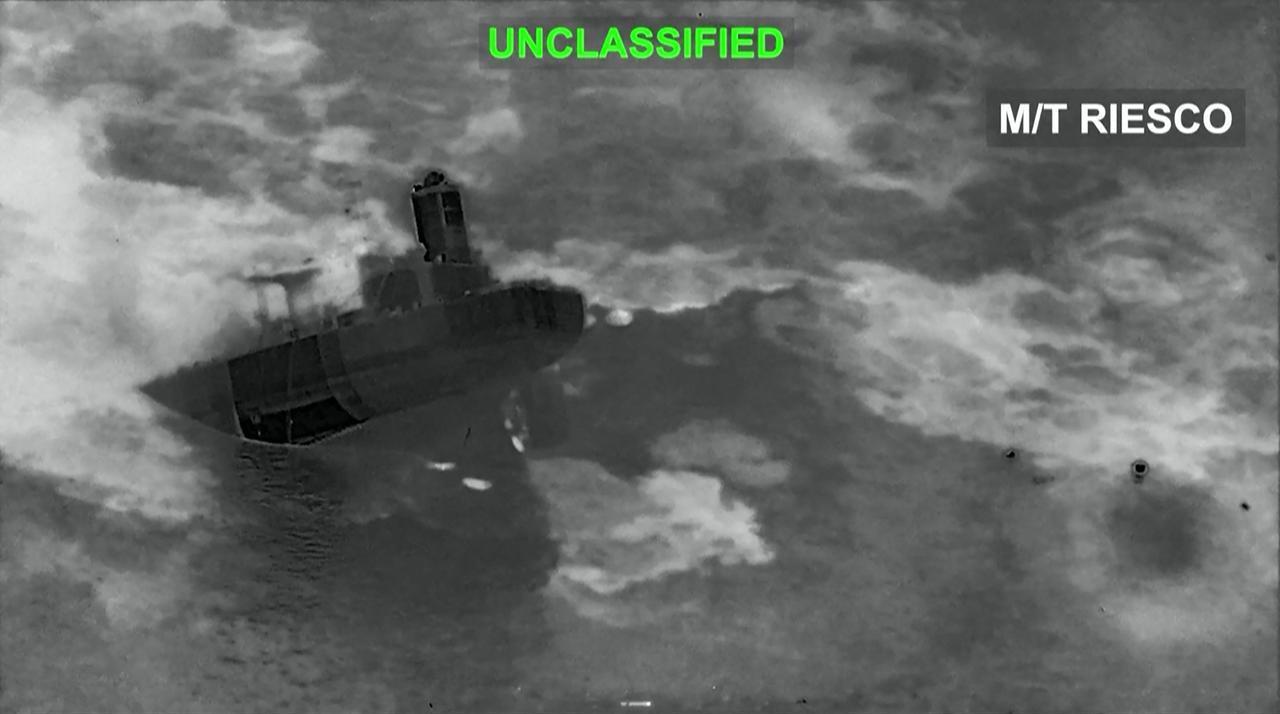
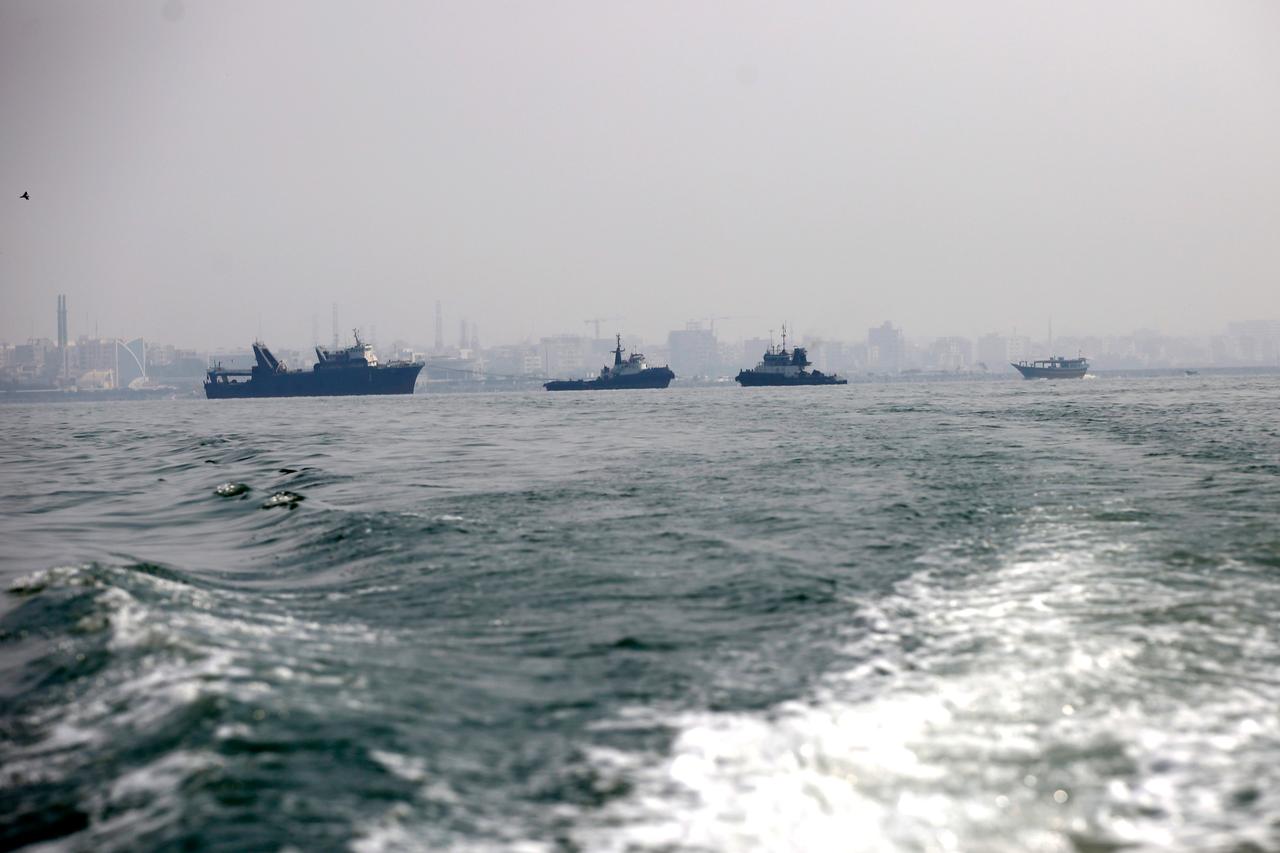
Trump said negotiations with Iran "could possibly happen, but it's not something we're looking at," and claimed recent U.S. strikes in the Strait of Hormuz had incapacitated nine Iranian tankers.
"You're going to see a lot more. We've taken out about nine of their tankers," he said.

A prolonged war would strain military resources and risk long-term disruptions to global oil markets in the midst of the 2028 U.S. presidential race, a contest in which both Vance and Rubio are considered potential candidates, though neither has said whether they will run.
Trump has said he isn't worried about political headwinds despite the war's effect on oil prices.
U.S. gasoline prices averaged $4.22 a gallon Wednesday, up from $4.01 a month earlier and $3.19 a year ago, according to AAA. Brent crude climbed above $100 a barrel Wednesday, extending its gain this year to around 65%, while U.S. diesel pump prices hit a record last week.
White House spokeswoman Olivia Wales defended the administration's approach.
"President Trump has destroyed Iran's military capabilities and is crippling what's left of its abysmal economy with the most powerful naval blockade in world history and crushing sanctions," she said.
"Only President Trump knows what he will do and when," the spokeswoman added.
Vance last week said he wouldn't call the conflict a "war," despite the ongoing blockade and intermittent attacks, and declined to predict when hostilities would end.
"It would be irresponsible for us to write out our strategy and our timeline for an Iranian nation that simply cannot honor its commitments and cannot stop shooting at commercial ships," Vance told reporters.
Rubio, speaking during a visit to Ecuador, dismissed claims that Iran is receiving outside assistance altering the conflict's dynamics.
"These are anonymous people. They make stuff up all the time ... We don't believe anybody's giving Iran anything that's changing the dynamics or the parameters of what we're seeing," he said, adding that Iran would continue to "pay a price" in lost tankers for attacks on U.S. naval vessels.
"They lost five more last night. Four were damaged. One was sunk," Rubio said, adding, "In the meantime, we're going to continue to strangle them economically."
Defense Secretary Pete Hegseth has already extended some Middle East troop deployments into 2027, according to the Journal, giving Trump military options as the conflict continues.
The Pentagon is also extending some air-defense units in the region with no firm end date.
These units are part of roughly 50,000 U.S. troops deployed across the Gulf to intercept missiles and drones.
A third Marine Expeditionary Unit is preparing to deploy to the region this fall, continuing a rotation of amphibious units that began with the 31st Marine Expeditionary Unit's arrival in March, later replaced by the 11th in June.
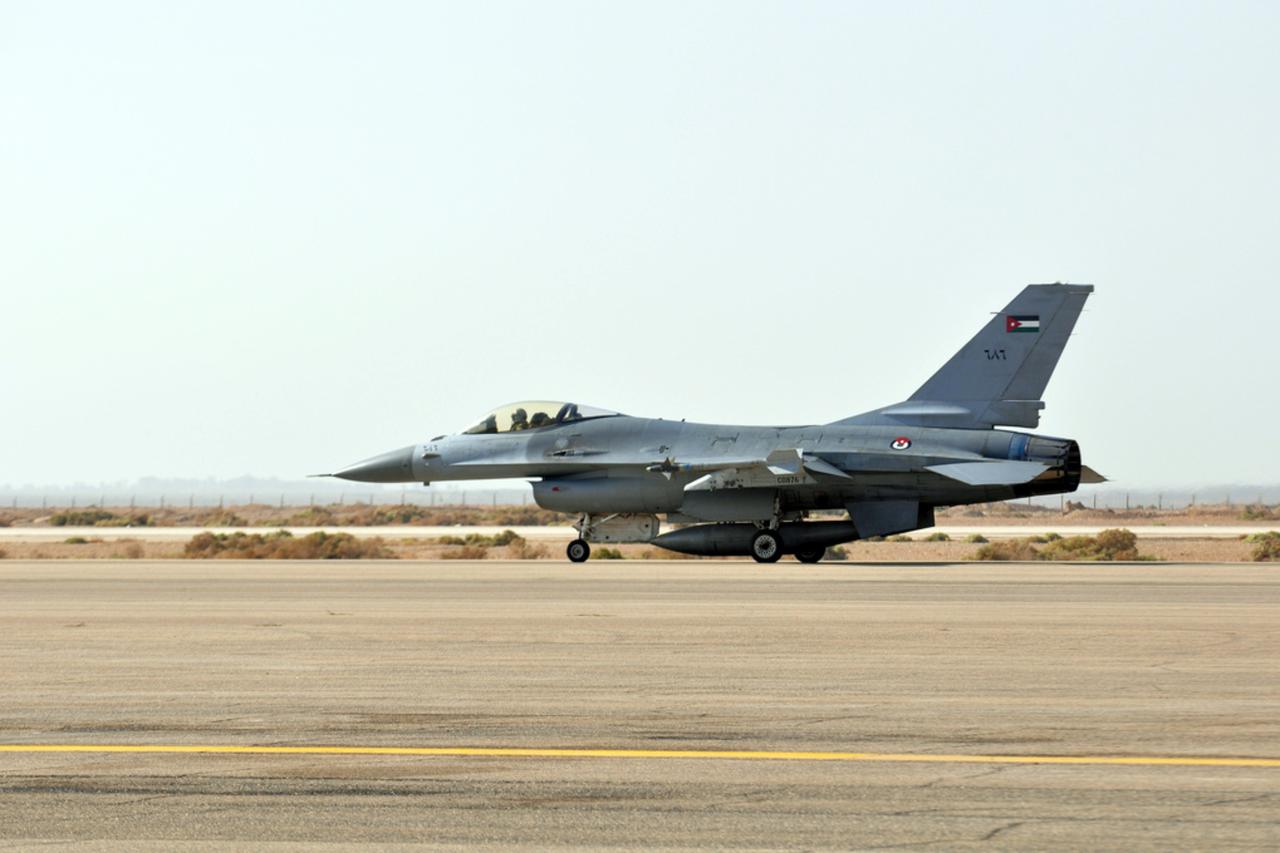
The Pentagon is also rotating Air Force fighter squadrons, with Air National Guard F-16s replacing warplanes returning to the U.S. base at Aviano, Italy.
Speaking to the WSJ, Suzanne Maloney, an Iran expert and vice president for foreign policy at the Brookings Institution, said the strategy suggests the administration may be settling in for a long fight.
"The U.S. naval blockade is unlikely to produce a decisive outcome in the near or even medium term, so the only realistic use of this tool would have to be predicated on plans for a long-term siege," Maloney said, adding that "even then its prospects for success are dubious, mainly because of the unintended consequences," such as attacks on energy and economic targets in Gulf states.
Ali Vaez, an Iran expert at the International Crisis Group, said both sides can sustain the standoff for now.
"Washington can keep grinding Iran down at a manageable cost, while Tehran can shift much of the pain onto its population and still protect the institutions essential to regime survival," Vaez told WSJ, noting, "Everyone pays, but neither leadership is yet paying enough to accept the other side's terms."
A senior Iranian official told Bloomberg, speaking anonymously to discuss sensitive matters, that Tehran has no intention of backing down in the face of the naval blockade and tanker attacks, and that Iran's leadership views the war as an existential threat, leaving it little choice but to keep fighting.
The official said Iran has been rebuilding its military capabilities since the most intense fighting ended in April and has enough missiles for a prolonged conflict.
Iran's new security chief, Mohsen Rezaei, said this week that the country's military posture toward U.S. ships and bases had been "fundamentally recalibrated."
Parliament Speaker Mohammad Bagher Ghalibaf, Iran's lead negotiator in earlier ceasefire talks, said the era of "proportionate responses" was over.
Dina Esfandiary of Bloomberg Economics said many Iranian leaders "believe the Trump administration responds only to threats and escalation" and "think the administration is more sensitive to an escalating war in the lead-up to the midterm elections."


 Set as preferred source
 Set as preferred source


 1 min read
 1 min read