Newsletters


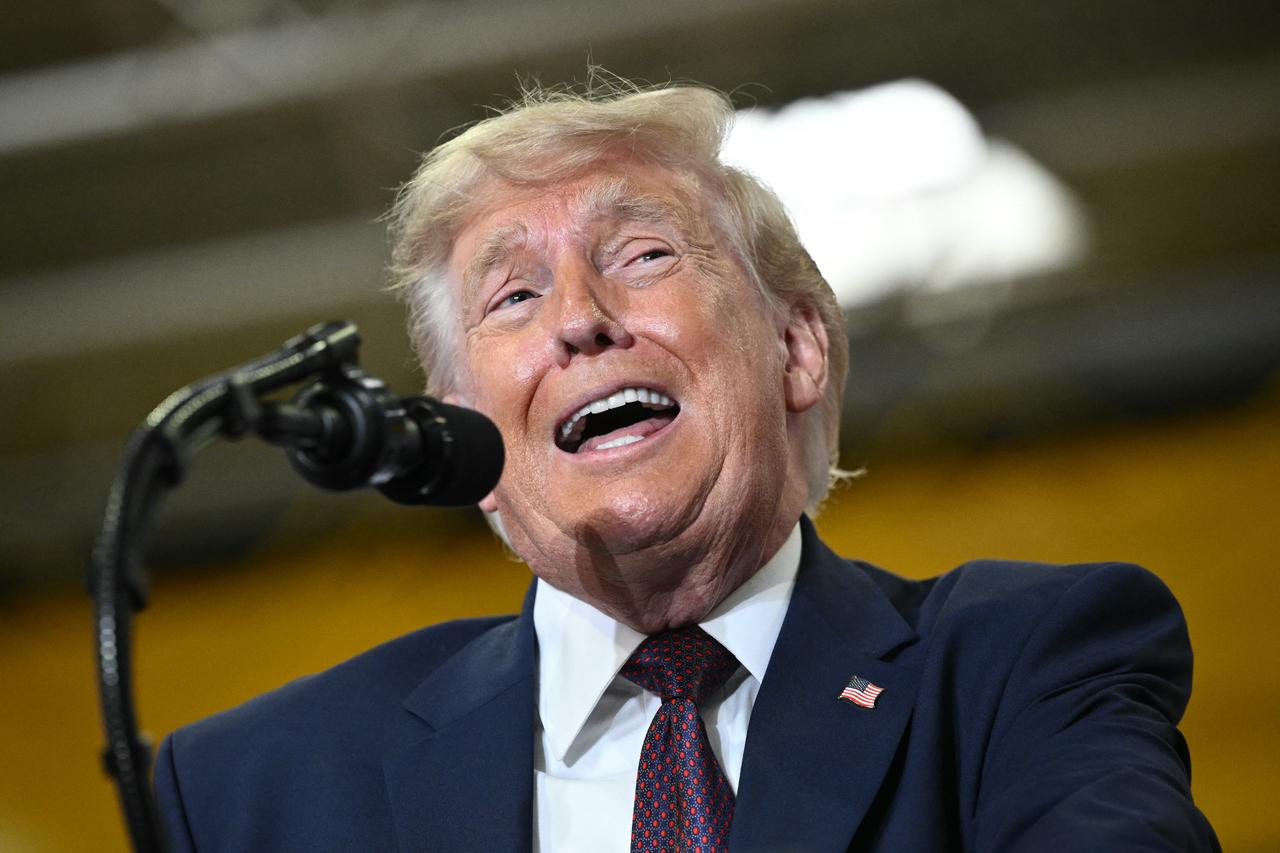


U.S. President Donald Trump dismissed a Senate resolution urging an end to U.S. hostilities with Iran on Tuesday, arguing the measure could weaken Washington's position in ongoing negotiations with Tehran.
The Senate approved the War Powers Resolution in a 50-48 vote, directing Trump to end hostilities against Iran unless Congress authorizes further military action.
While the measure is largely symbolic and does not require the president's signature, it marks the strongest congressional pushback against the conflict since fighting erupted earlier this year.
Trump quickly took aim at the vote on his Truth Social platform, insisting lawmakers had chosen the wrong moment to challenge his Iran policy.
"So, I have Iran on the ropes, ready to go down for the fall, willing to give us practically anything," he wrote, adding that Tehran was showing respect toward the United States and his administration.
Calling the resolution "poorly timed and meaningless," Trump argued it sent a signal of division at a critical stage in negotiations. The president also singled out four Republican senators who joined Democrats in supporting the measure.
"These Senators have just made my job more difficult, but I will get it done, one way or the other, because I always get it done!" Trump wrote.
The resolution passed less than a week after the Trump administration announced an interim understanding with Iran aimed at halting hostilities while negotiations toward a broader settlement continue.
Because the measure is a concurrent resolution, it does not go to Trump's desk and carries disputed legal force. Even so, its approval places both chambers of Congress on record against continued military involvement in the conflict.
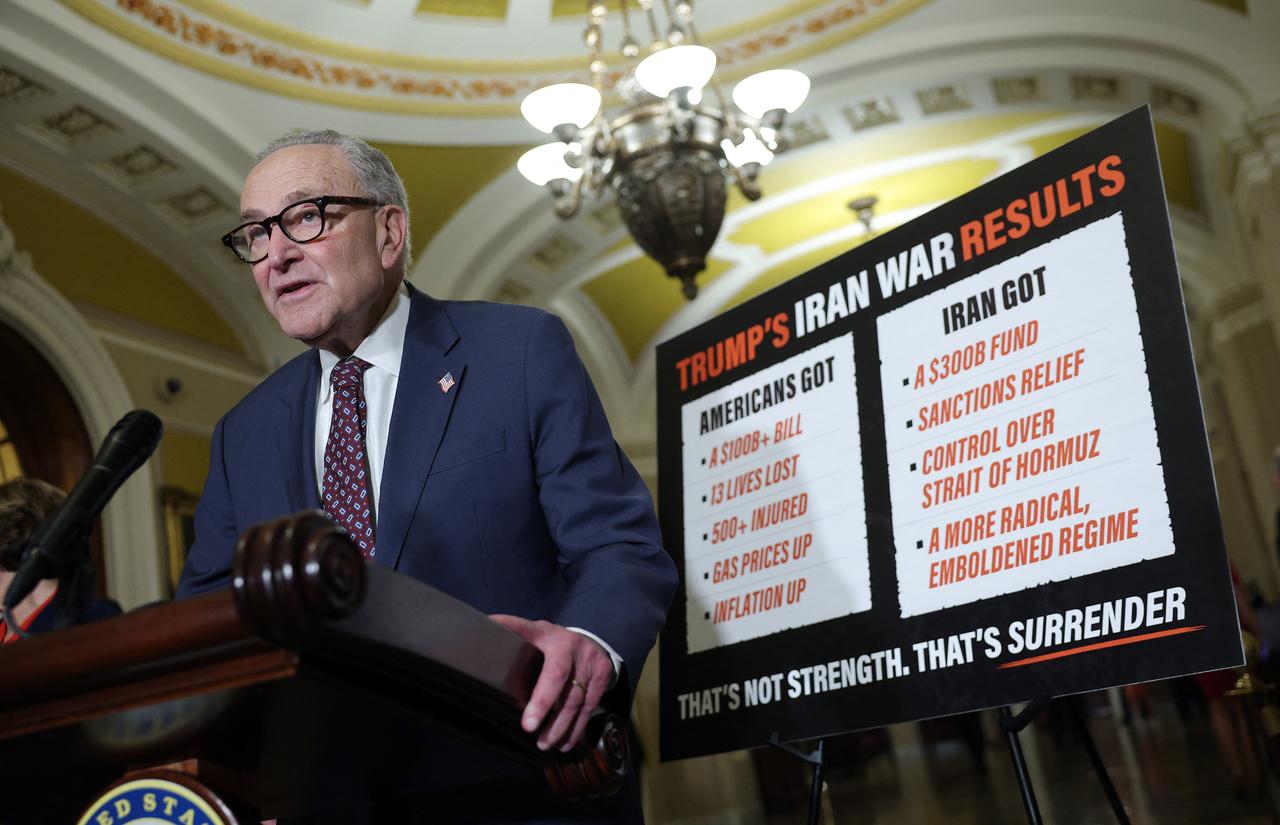

Democrats contend Trump violated the Constitution by launching military operations against Iran without congressional authorization. They argue the conflict continued beyond the limits outlined in the 1973 War Powers Act, which generally requires congressional approval within 60 days of introducing U.S. forces into hostilities.
The White House has rejected those arguments, maintaining that efforts to restrict the president's authority are unconstitutional and insisting the conflict effectively ended under an April ceasefire.
Diplomatic efforts gained momentum after Trump and Iranian President Masoud Pezeshkian signed a memorandum of understanding on June 17, ending a conflict that erupted in late February and setting the stage for a lasting peace agreement.
The two sides are currently engaged in technical negotiations during a 60-day ceasefire period focused on Iran's nuclear program, sanctions issues and the future of commercial shipping through the Strait of Hormuz.


 Set as preferred source
 Set as preferred source


 2 min read
 1 min read