Newsletters


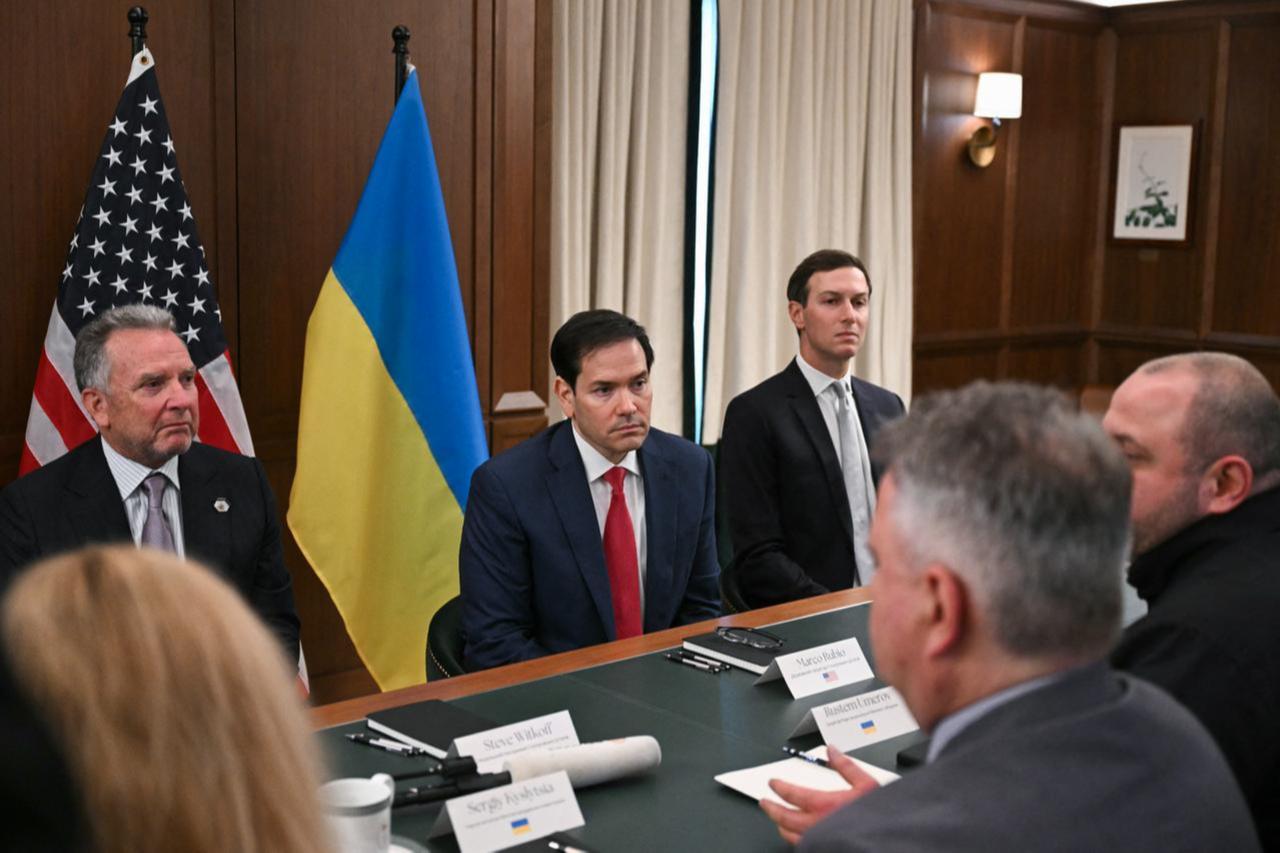


United States President Donald Trump’s special envoy will meet with Ukrainian President Volodymyr Zelenskyy and key European leaders in Berlin this weekend as Washington seeks backing for a controversial plan to end Russia’s war in Ukraine, a plan that critics say echoes Kremlin demands.
A White House official confirmed to AFP that Steve Witkoff, Trump’s envoy, will hold talks with Zelenskyy and European leaders to discuss “the status of peace negotiations,” as reported Friday by The Wall Street Journal.
The meetings will take place on the sidelines of a German-Ukrainian business forum on Monday, which Zelenskyy will attend alongside German Chancellor Friedrich Merz, before heading into closed-door discussions with the heads of the EU, NATO, and several European states.

Trump has faced backlash since revealing his 28-point peace plan last month, which includes provisions for Ukraine to cede key territories and establish a demilitarized “free economic zone” in Donetsk, terms that many in Kyiv and across Europe view as favoring Russia. Kyiv has since submitted an updated proposal to Washington, Ukrainian officials said.
Moscow, which previously signaled support for the U.S. plan, expressed skepticism over recent changes.
“We have an impression that this version... will be worsened,” Kremlin foreign policy aide Yuri Ushakov told Kommersant on Friday, adding that Moscow had not seen the revised draft since last week’s talks between Russian President Vladimir Putin and U.S. envoys Witkoff and Jared Kushner.
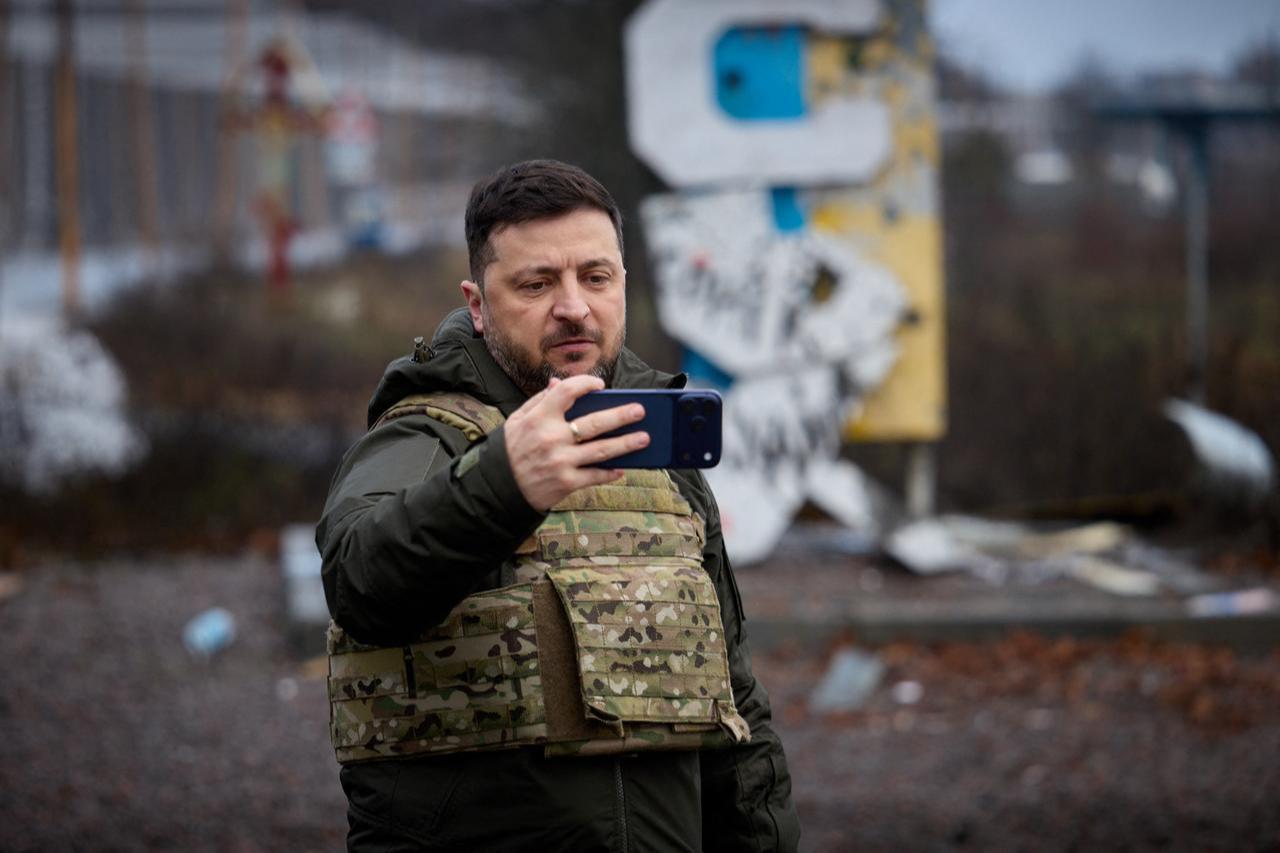
Zelenskyy, speaking Thursday, said the U.S. version seeks only a Russian withdrawal from parts of Donetsk, not the full eastern region, a position he called “problematic.” He added that Kyiv opposes any unilateral concessions unless clear security guarantees are provided.
According to a senior official cited anonymously by AFP, the revised U.S. plan offers Ukraine accelerated accession to the European Union by January 2027, a move long sought by Kyiv but still opposed by some EU member states, most notably Hungary.
Zelenskyy told journalists that Trump could use “various levers of influence” to sway countries reluctant to support Ukraine’s EU bid.
However, the path to membership remains steep: full accession requires unanimous consent from all 27 EU members, and Ukraine continues to face challenges related to corruption and judicial reform, key criteria for joining the bloc.
On Friday, French officials said Ukraine and several European countries are demanding legally binding security guarantees before any peace deal is finalized.
“The prerequisite for any agreement is full clarity on the security framework,” Ukraine’s NATO ambassador Alyona Getmanchuk told AFP. The French presidency echoed this, stating that “no territorial deal” or “demilitarized zone” would be accepted without such assurances.
“There will be no transfer of Ukrainian territory,” an Elysee official told Ouest-France, adding that France remains committed to Kyiv’s sovereignty and territorial integrity.
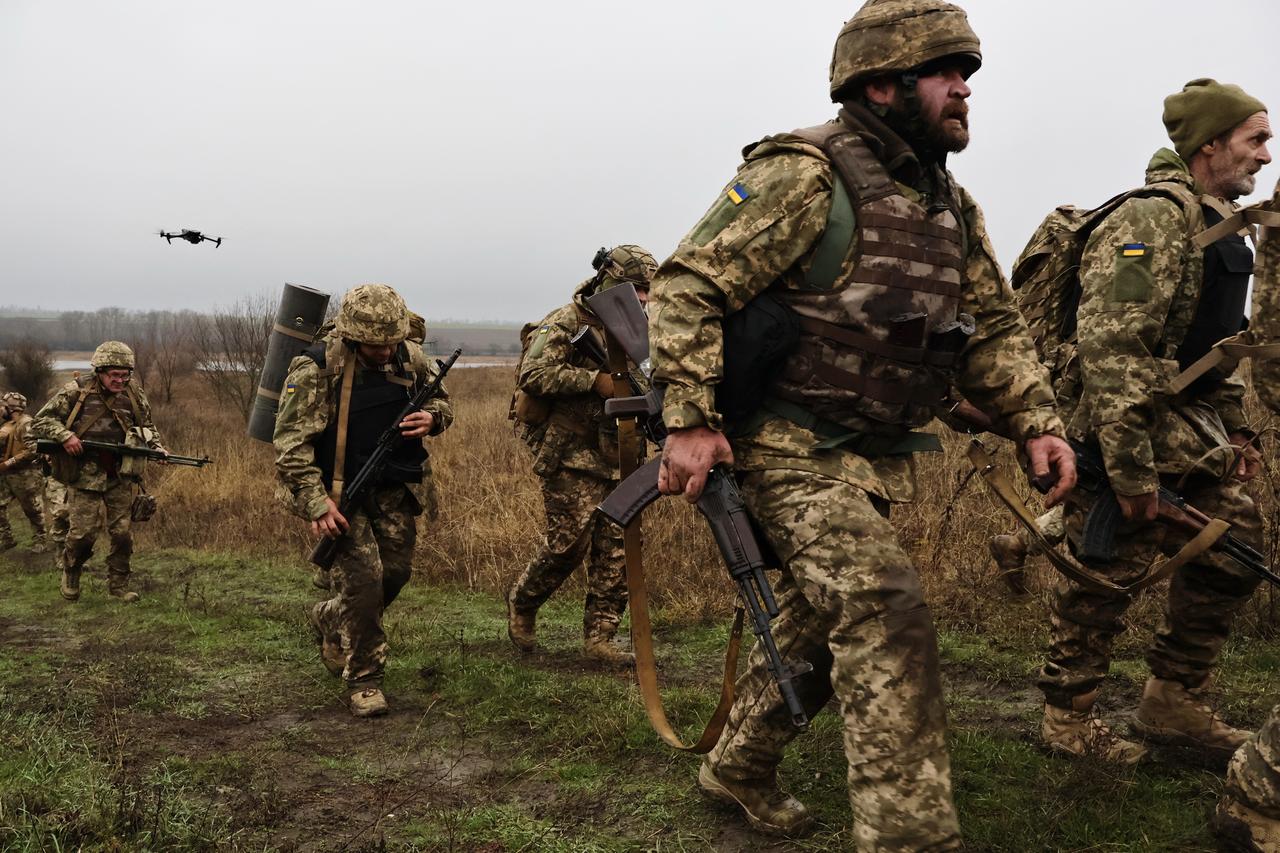
NATO Secretary-General Mark Rutte issued a stark warning during a joint press conference with Chancellor Merz in Berlin, cautioning that Europe must prepare for the possibility of large-scale war as Russia continues its aggression.
“Conflict is at our doorstep. Russia has brought war back to Europe,” Rutte said. “We must be ready for a war as large as the one our grandparents experienced.”
Rutte warned that Russia could next target NATO countries, especially those on the alliance’s eastern flank such as Estonia, prompting several European nations to bolster their defenses.
Germany recently passed legislation to increase its military readiness and announced that 5,000 German troops would be deployed to Lithuania as part of NATO’s forward defense plans.


 Set as preferred source
 Set as preferred source


 3 min read