Newsletters


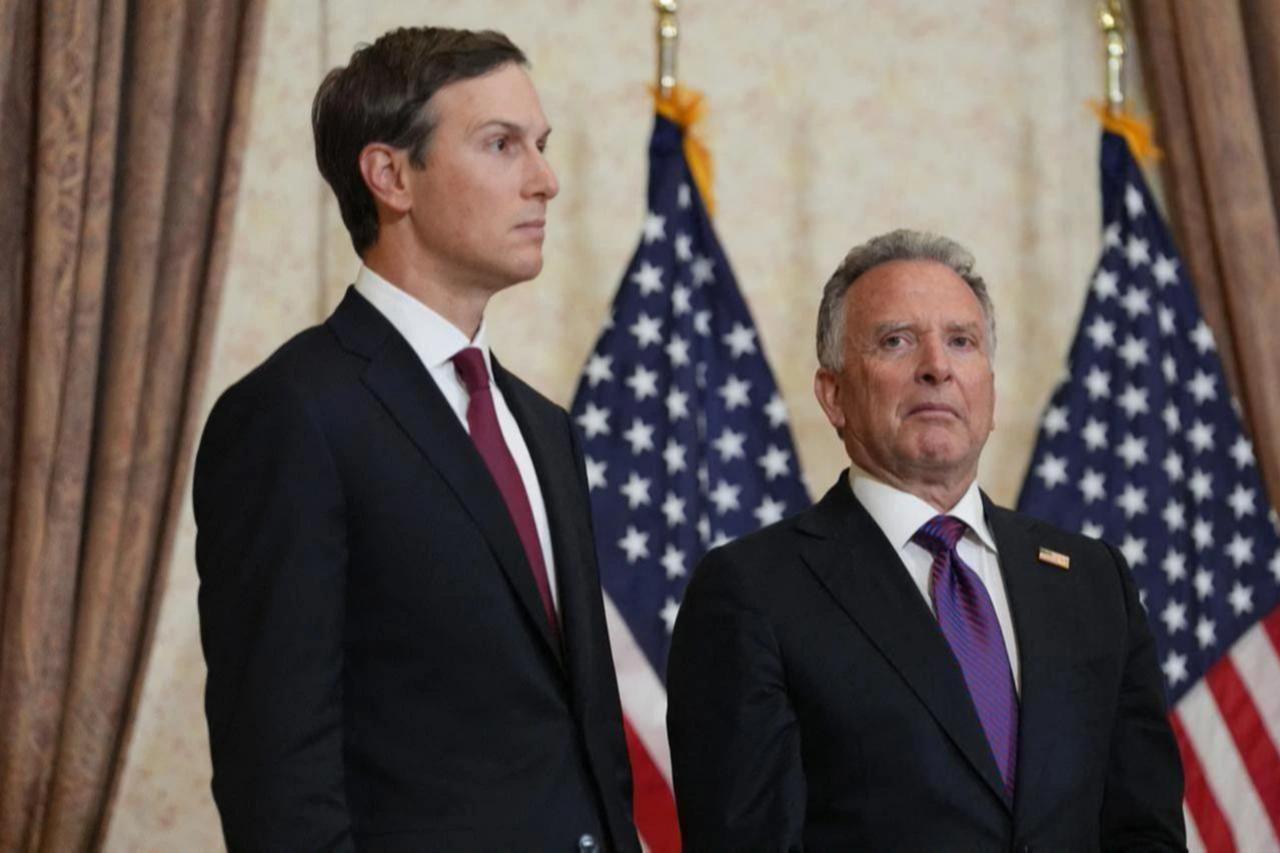


U.S. President Donald Trump’s envoys Steve Witkoff and Jared Kushner landed in Moscow on Saturday for talks aimed at ending more than four years of war in Ukraine, Russian state media reported.
Their plane touched down at 12:52 p.m. local time at Vnukovo Airport, according to RIA Novosti.
Russian state news agency TASS also reported that a special jet carrying the two U.S. envoys had arrived in Moscow.
Russian presidential envoy Kirill Dmitriev arrived at the airport to meet the American representatives, the agency said.
Axios and TASS reported Friday, citing sources, that Witkoff and Kushner would visit Moscow and Kyiv over the weekend.
Ukrainian President Volodymyr Zelenskyy said the U.S. envoys would visit Kyiv on Sunday after their Moscow trip.
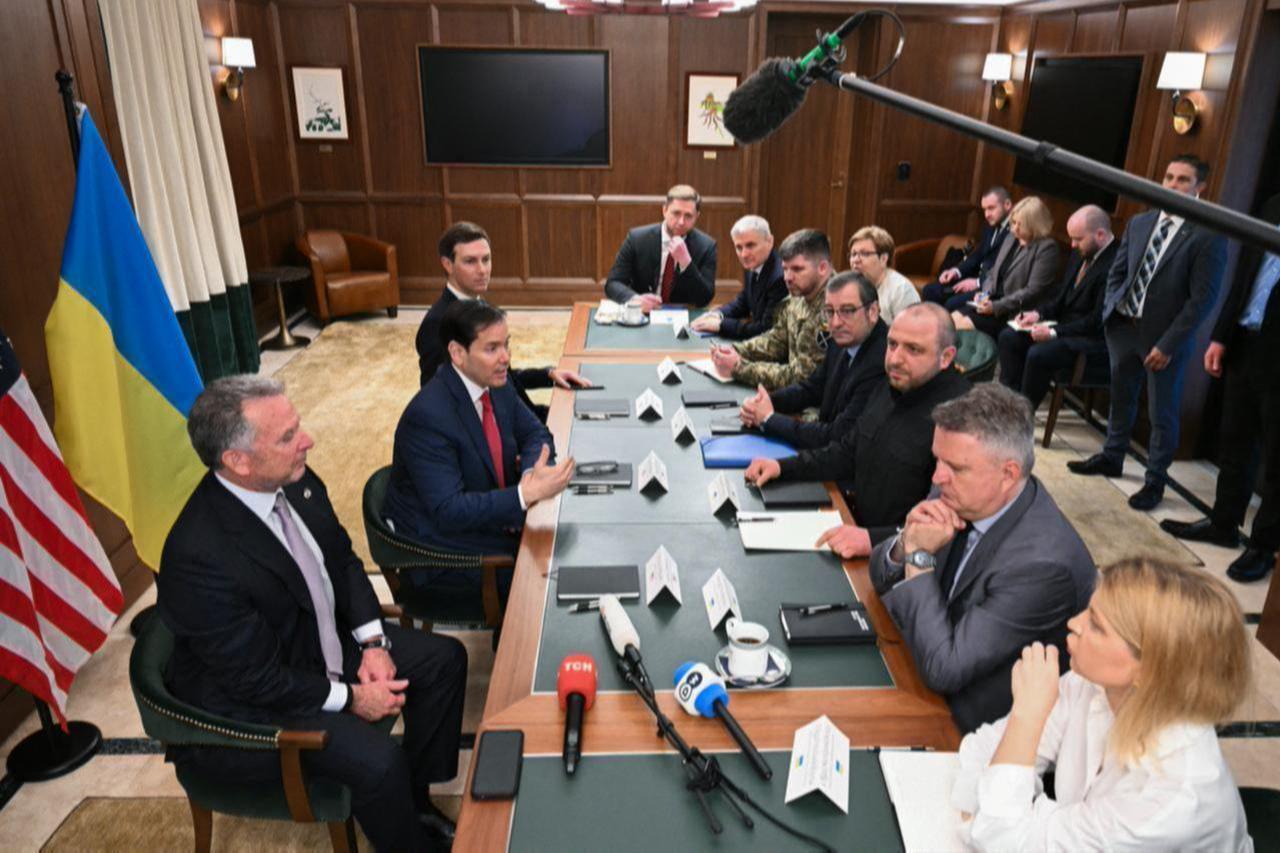

Witkoff and Kushner, Trump’s son-in-law, have never visited Kyiv, while both have made several trips to Moscow since U.S.-mediated talks began.
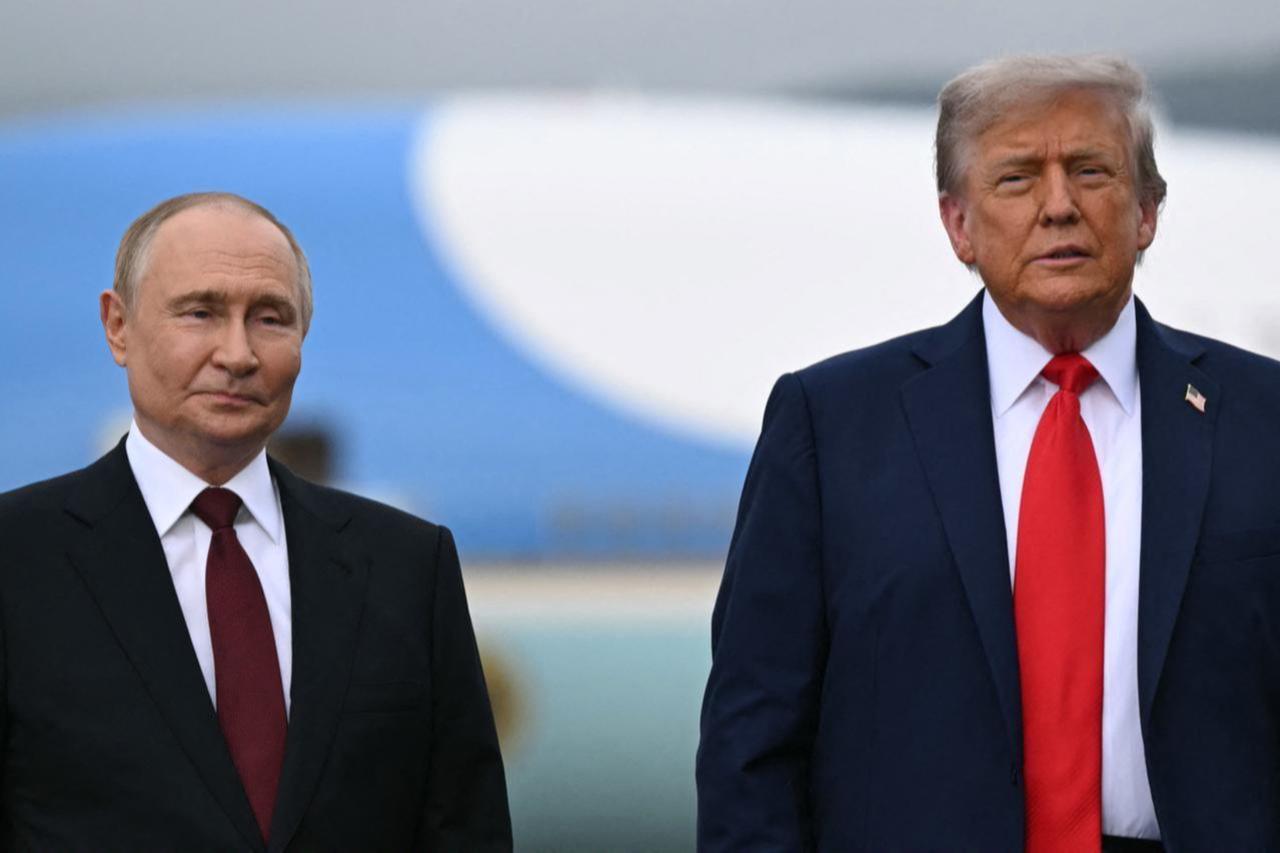
Their latest visit took place on Jan. 22, when they met Russian President Vladimir Putin at the Kremlin.
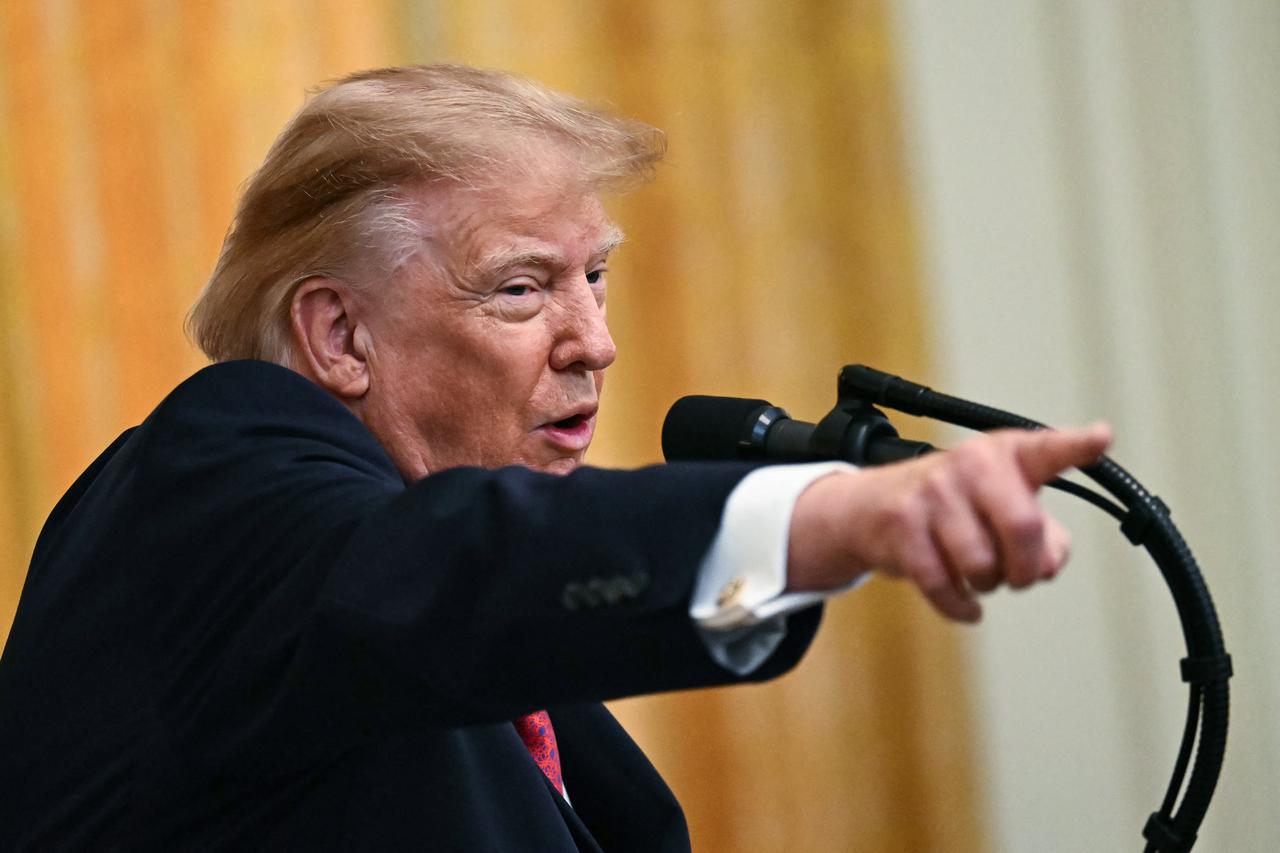
Trump said Friday that Kushner and Witkoff would travel to Moscow not with new proposals, but with a proposal aimed at ending the war.
“They’re bringing with them a proposal to end the war,” Trump said, referring to the two negotiators.
He attributed some of the difficulty in reaching a settlement to the personal relationship between Putin and Zelenskyy.
“It’s a personality problem in Russia-Ukraine. You have President Zelensky and President Putin. They truly hate each other,” Trump said.
Trump said he had sent Witkoff and Kushner to Moscow to determine whether progress could be made toward ending the conflict.
“They’re two great negotiators. They’ve done a great job,” Trump said, adding that “there may be a good chance” of reaching an agreement.
Moscow and Kyiv last held U.S.-mediated peace negotiations earlier this year, with three rounds of talks on Jan. 23-24, Feb. 4-5 and Feb. 17-18.
The first two rounds were held in Abu Dhabi, while the third took place in Geneva.
Negotiations have since been paused, with Moscow and Kyiv attributing the halt to Washington’s focus on Iran following the outbreak of war in late February.


 Set as preferred source
 Set as preferred source


 1 min read

 1 min read