Newsletters


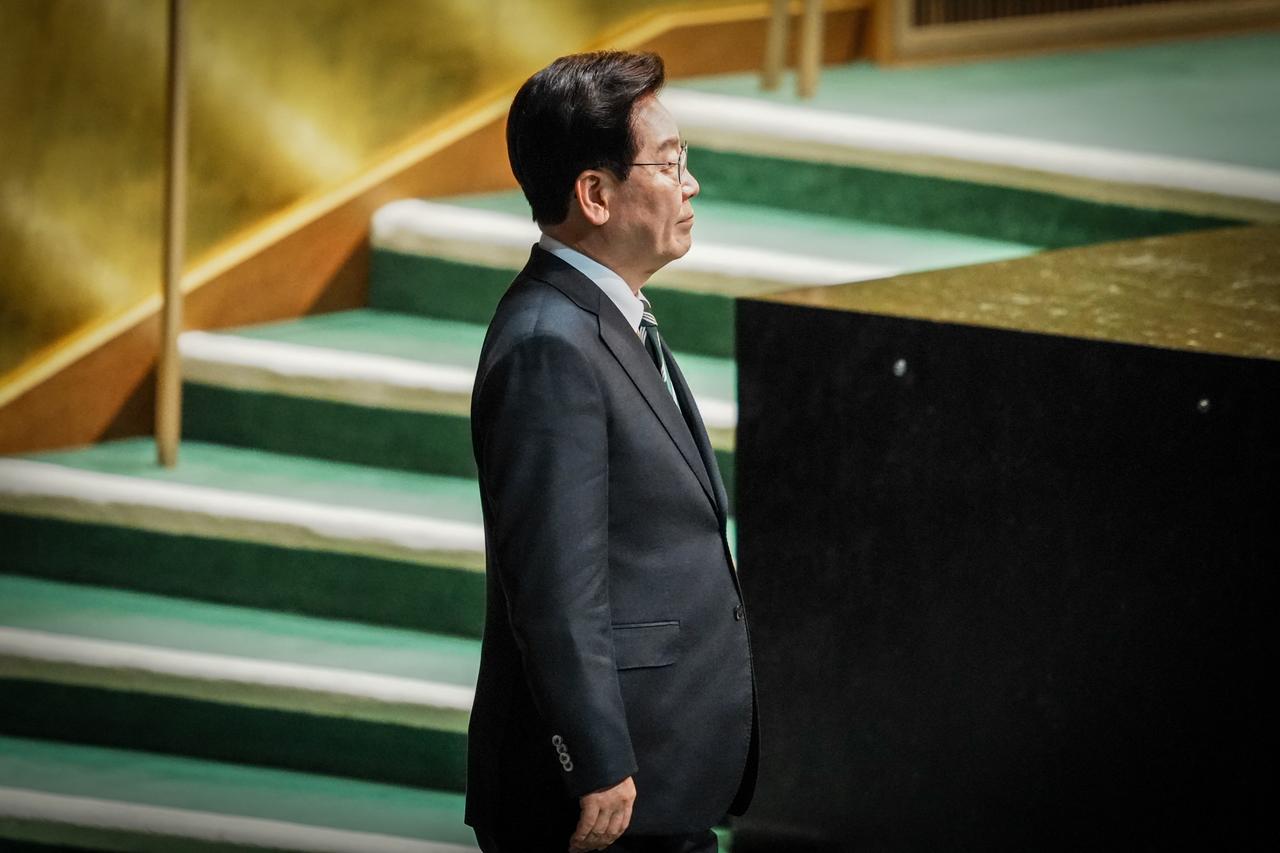


U.S. President Donald Trump and South Korean President Lee Jae Myung discussed strategic projects, security issues and North Korea during a 30-minute meeting Tuesday on the sidelines of the 81st U.N. General Assembly in New York, according to National Security Adviser Wi Sung-lac.
The meeting came amid U.S. pressure on Seoul over a possible military deployment to help secure navigation through the Strait of Hormuz.
Lee has ruled out sending combat troops in a way that could draw South Korea into an overseas conflict. Wi said the Hormuz issue was not discussed during the summit.
Trump and Lee welcomed "significant progress" in discussions on strategic investment projects after South Korea's Industry Ministry briefed lawmakers on implementation plans for a $350 billion investment package.
They also discussed Seoul's pursuit of nuclear-powered submarines, rights to enrich uranium and reprocess spent nuclear fuel, the transfer of wartime operational control of Korean troops from Washington, and shipbuilding cooperation.
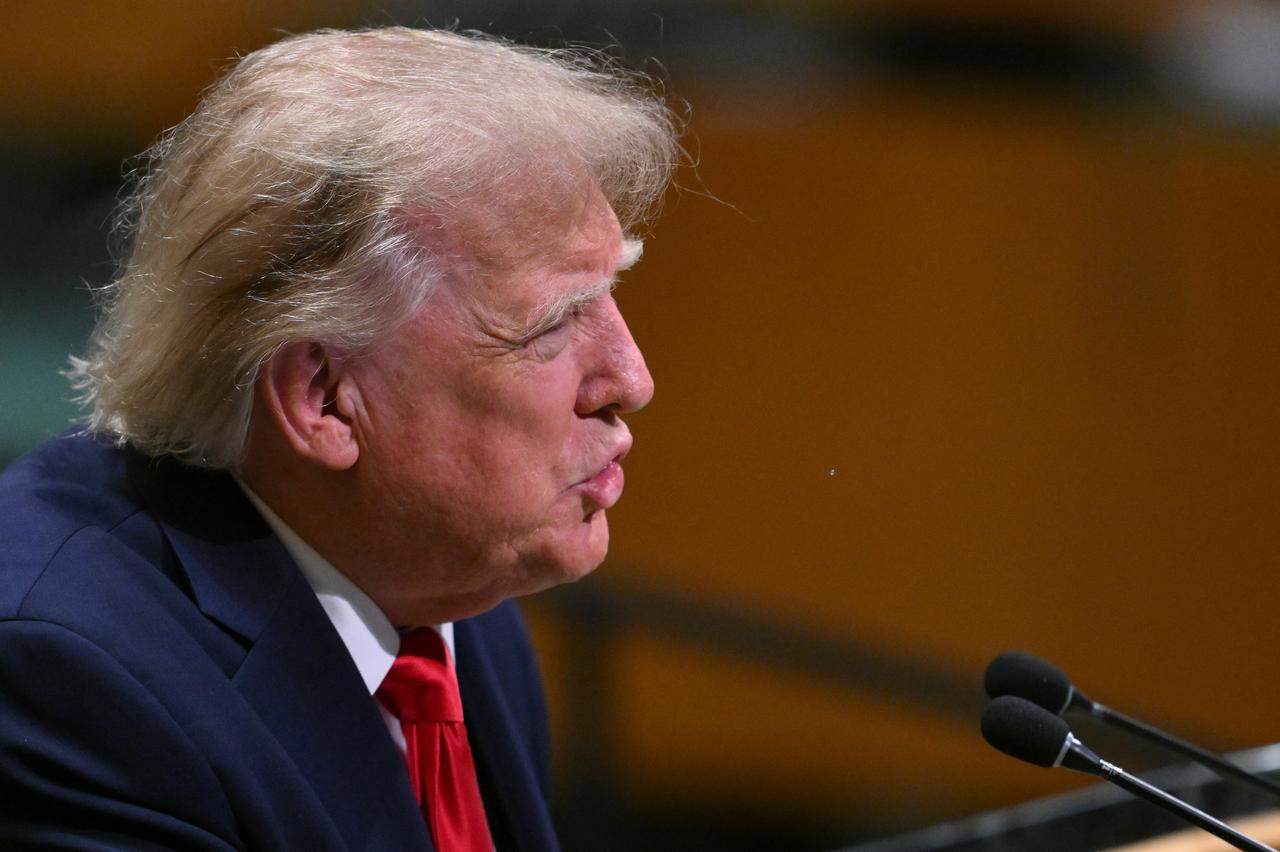

Trump reaffirmed his commitment to dialogue with North Korea, while Lee asked him to help restart talks between Washington and Pyongyang.
Trump responded positively and said he has a good relationship with North Korean leader Kim Jong Un, Wi said.
Lee also said a U.S.-China summit scheduled for Thursday would be important for regional developments, including South Korea-China relations.
In his U.N. General Assembly address earlier Tuesday, Lee called for renewed dialogue and peaceful coexistence with North Korea.
He proposed mutual respect, crisis-management mechanisms and broader regional cooperation, while saying the process toward a nuclear-free Korean Peninsula should begin by halting further advances in North Korea's nuclear and missile capabilities.
Lee also addressed climate change and global energy security, warning that disruption of routes such as the Strait of Hormuz and the Red Sea could have serious global consequences.
He said freedom of navigation and safe passage are protected under international law and called for stronger cooperation on energy supply chains.
Lee also backed greater youth participation in international decision-making and reform of the U.N. Security Council to make it more effective, democratic and accountable.


 Set as preferred source
 Set as preferred source


 1 min read
 1 min read