Newsletters


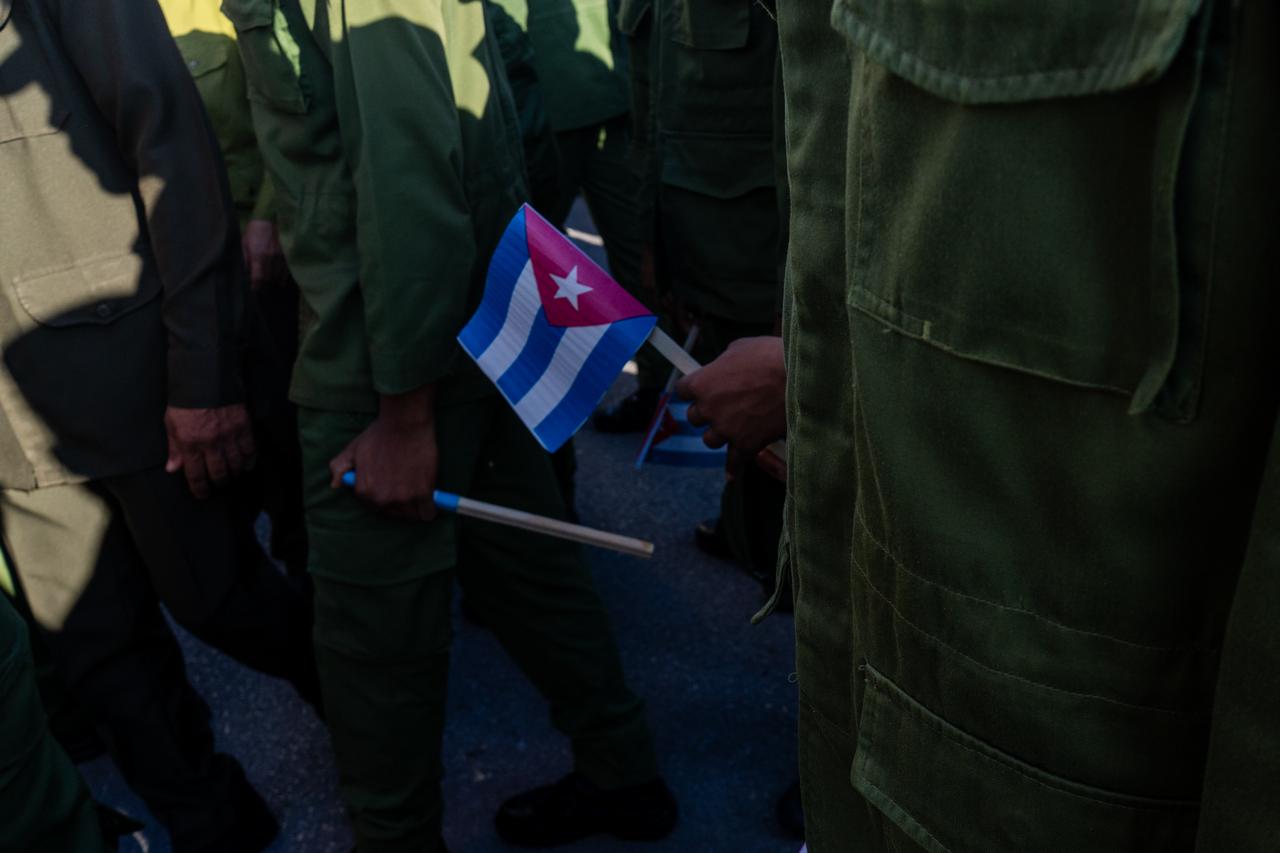


The Trump administration is reportedly bracing for the potential collapse of Cuba's government as early as this summer and has quietly war-gamed military response plans in case the island descends into chaos. Officials describe their strategy as deliberate "accelerationism," hastening societal collapse in stages rather than triggering immediate regime change.
"The best way to describe it is 'accelerationism,'" one senior administration official told Axios on Thursday, noting, "but we don't want to kill off the regime just yet. There's a method to this. It's in stages."
U.S. President Donald Trump has not authorized an invasion and prefers a peaceful transition, according to the officials. But a second senior official acknowledged the administration is running low on untried options.
"Iran's not finished, and the president is not in a rush," the second official said.
"Trump wants to exhaust all the levers that he can. But at this point, there aren't as many levers as before," the official added.

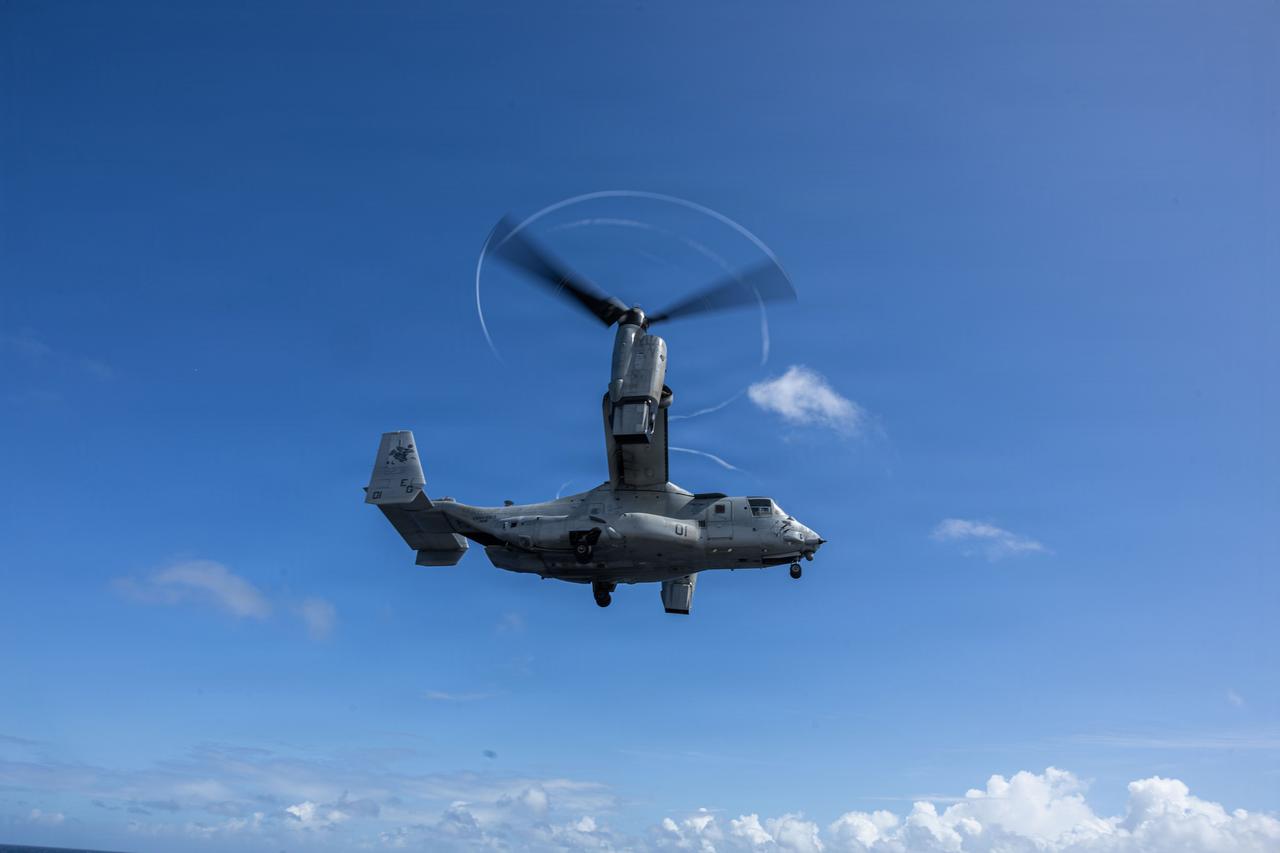
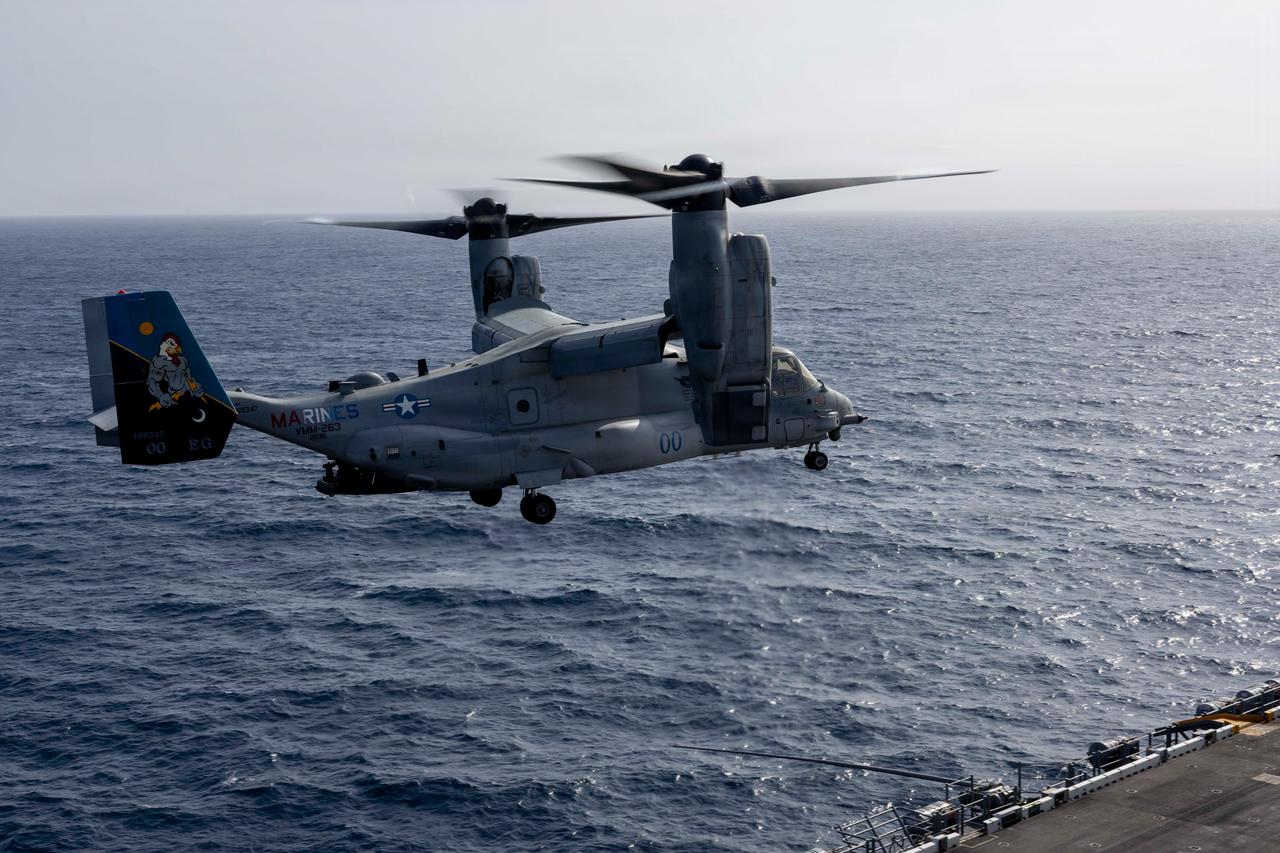
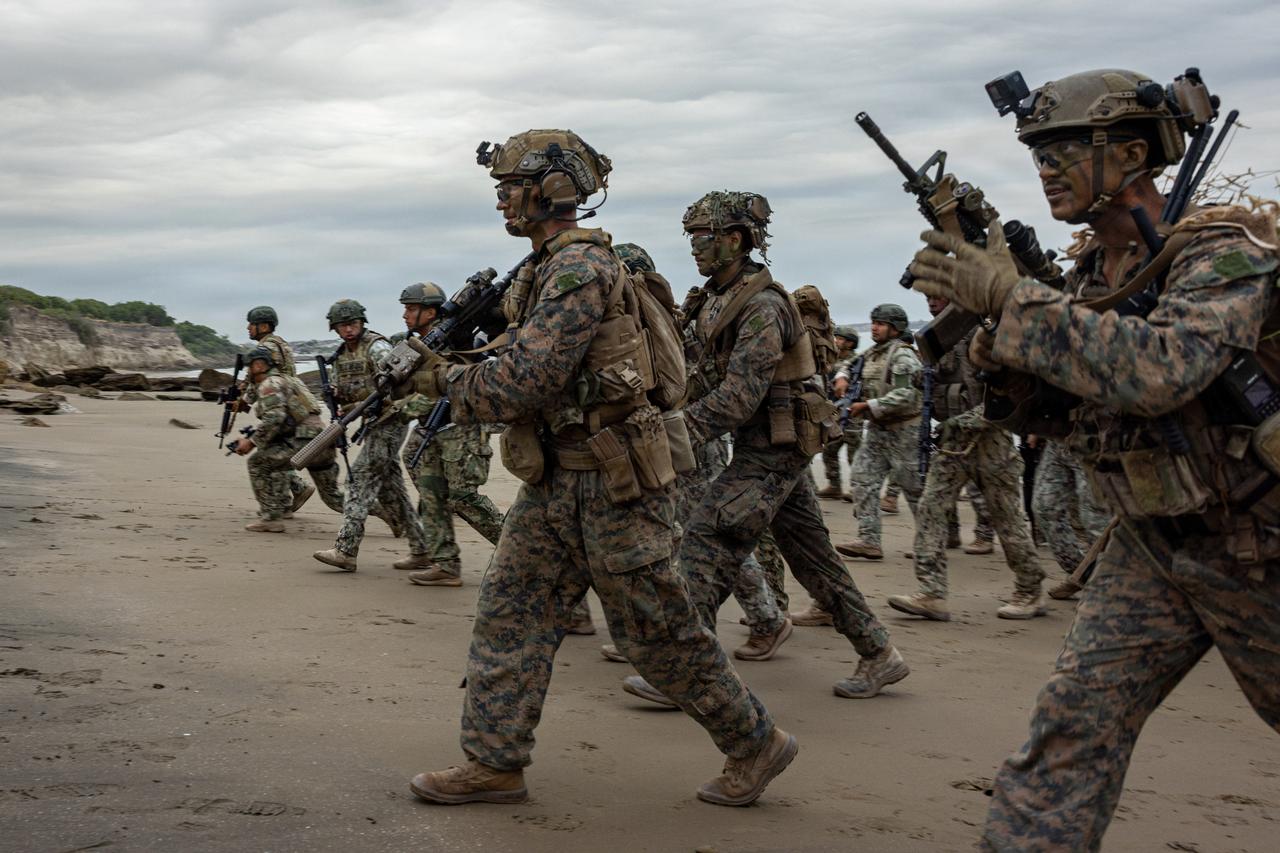
Last month, U.S. Southern Command (SOUTHCOM), which oversees military operations in the Caribbean, held a multi-agency tabletop exercise to prepare for military action in Cuba, one senior official said.
"Everything is on the table, but no invasion is planned or imminent," the official said, adding, "When POTUS says go, we're ready for anything."
"In the exercise, officials discussed Cuba's possession of drones and how to respond to possible unrest as summer temperatures rise," another source said.
The July 11, 2022, uprisings, in which Cuban authorities brutally repressed and imprisoned demonstrators demanding more freedoms, served as a reference point.
"It's going to be hot. People won't have electricity. Food spoils without refrigeration. People get angry. They can take to the streets. And then what happens? I can't see the president doing nothing if there's repression," the source said.
A Trump adviser cautioned against escalation by stating, "The president does not want boots on the ground for more than 48 hours. It's a quagmire in the making. This could get messy."
On May 1, Trump signed an executive order imposing secondary sanctions targeting companies doing business with GAESA, Cuba's military-industrial umbrella organization that controls an estimated 70% of the island's economy.
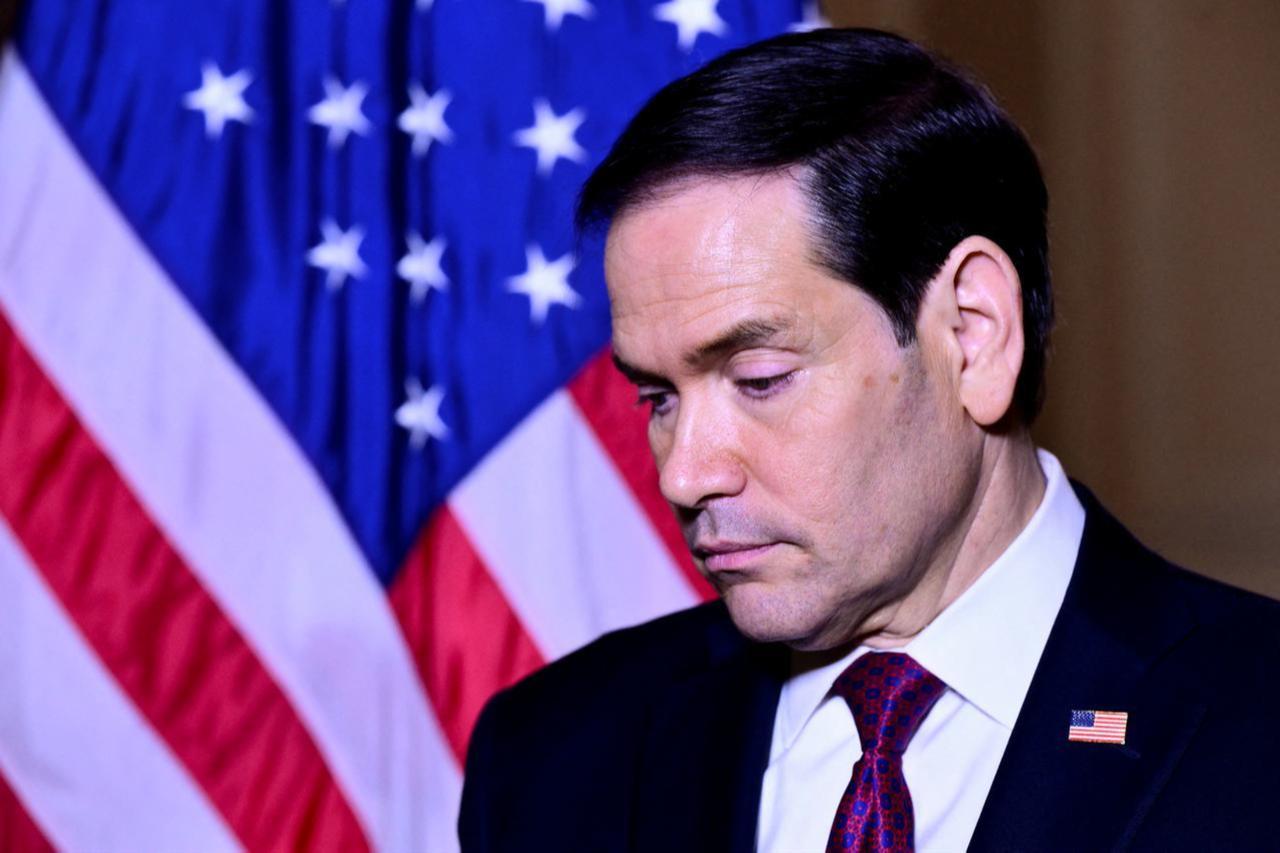
U.S. Secretary of State Marco Rubio, described by Axios as the chief architect of the administration's Latin America policy, announced the GAESA sanctions on May 7.
The order prompted Canadian mining company Sheritt International and shipping companies CMA CGM and Hapag-Lloyd to suspend their Cuba operations. Financial institutions and hotel companies in Spain, Panama and Mexico are expected to follow suit.
"We've never seen this kind of pressure," said Max Meizlish, a former Treasury official who specialized in Cuba sanctions, adding, "it's an entirely new ballgame."
A third senior official signaled more action was coming. "We have a pretty deep toolbox, especially when it comes to sanctions and enforcing them. More is on the way."
Venezuela's former president, Nicolas Maduro, had kept Havana afloat with free oil shipments. After Maduro was seized in a U.S. raid on Jan. 3, those shipments stopped, plunging Cuba into a new economic crisis.
One presidential adviser described the broader approach as "classic Trump: Push your enemy off balance. It's pressure, watch the response, apply more pressure, watch the response, apply more pressure."
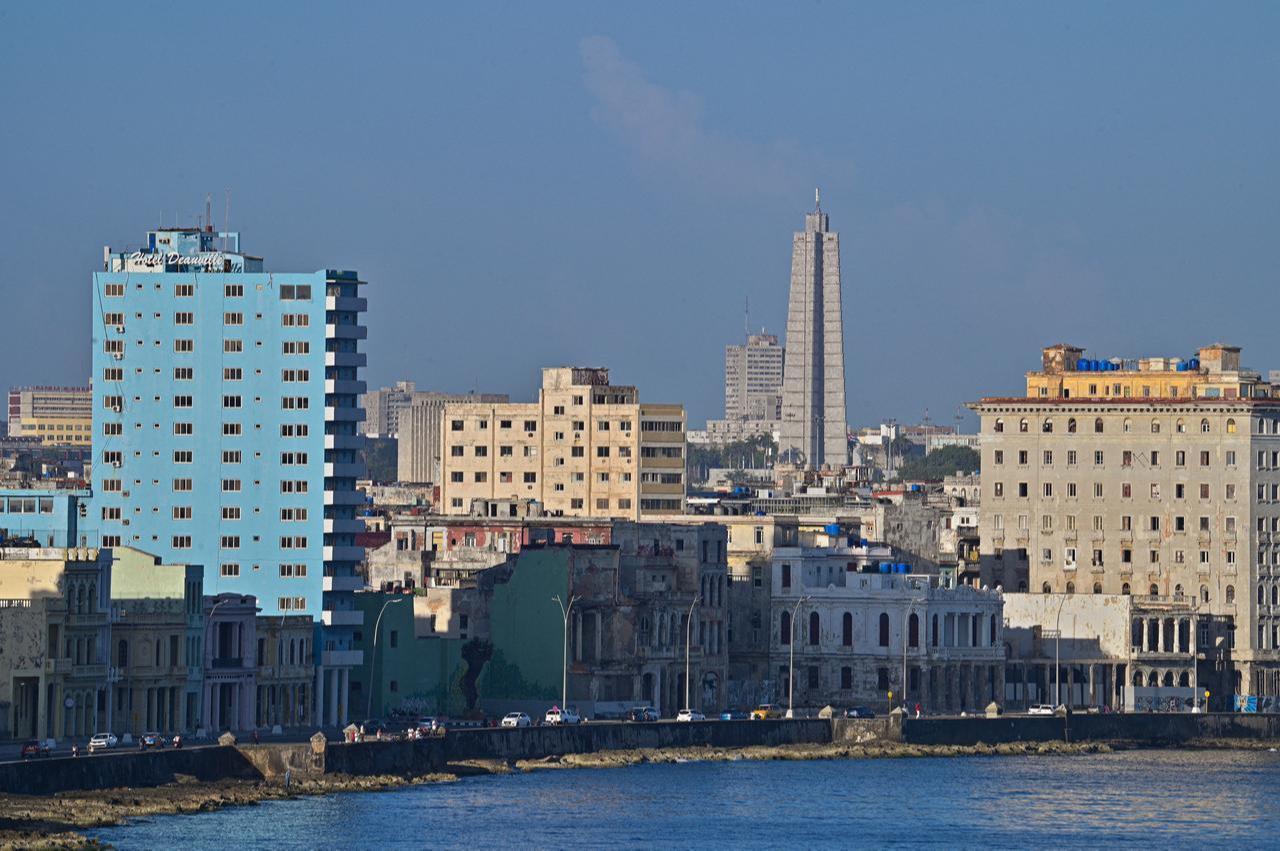
Officials and advisers speaking to Axios acknowledged that Cuba is a harder target than Venezuela.
First, the U.S. has not identified, nor has Trump selected, Cuban officials who could run an interim government if the current regime collapses. In contrast, Trump had decided Maduro could be replaced by Venezuela's Vice President Delcy Rodriguez well before the Jan. 3 raid in Caracas.
"The problem is not that there's no Delcy in Cuba. There could be Delcy Lites or people who are Delcy-ish. But there's no green light from (Trump) to really engage yet," one official said.
Second, seizing Raul Castro, federally indicted on May 20 for allegedly ordering the 1996 Brothers to the Rescue shootdowns, would not produce the same reorientation as Venezuela, because the Castros transitioned away from one-man rule roughly 30 years ago.
"The problem with that decentralization, it breeds lack of decision-making and lots of incompetence," the official said.
Third, the Cuban embargo is codified in U.S. law and can only be lifted if the island frees political prisoners, holds free elections and guarantees civil rights. That prevents Trump from normalizing relations with any new Cuban government by executive order, as he did in Venezuela.
"The problem is that Congress has a say," the official said, noting that Miami's three Cuban-American congressional representatives hold hardline positions reflecting South Florida's conservative exile community.
The policy is not purely punitive.
The U.S. this month announced $100 million in assistance to Cuba, routed through the Catholic Church and other charities rather than the government. Washington also offered $6 million to Cuba after Hurricane Melissa last year.
"If we wanted to hasten the collapse, we would not have sent any assistance," a senior U.S. official said, describing the policy as "a campaign to show people they can have a better life if the regime got out of their way."
Cuba's Foreign Minister Bruno Rodriguez Parrilla told Fox News on Sunday that the U.S. and Rubio specifically are manipulating public opinion to justify military intervention.
On May 20, the same day Rubio delivered a Cuban Independence Day video message to the island's citizens, the Justice Department unsealed the Castro indictment and SOUTHCOM announced the arrival of the USS Nimitz Carrier Strike Group in the Caribbean. On May 21, Rubio announced the arrest of the sister of the woman running GAESA after terminating her green card.
On May 23, Fox News reported that Treasury officials were examining leftist streamer Hasan Piker and the activist group Code Pink for potentially violating U.S. sanctions during a March trip to Cuba.
One official offered a final assessment: "The politics are complicated on both sides (of the Strait of Florida). But we have time. The regime doesn't."


 Set as preferred source
 Set as preferred source


 2 min read
 1 min read