Newsletters




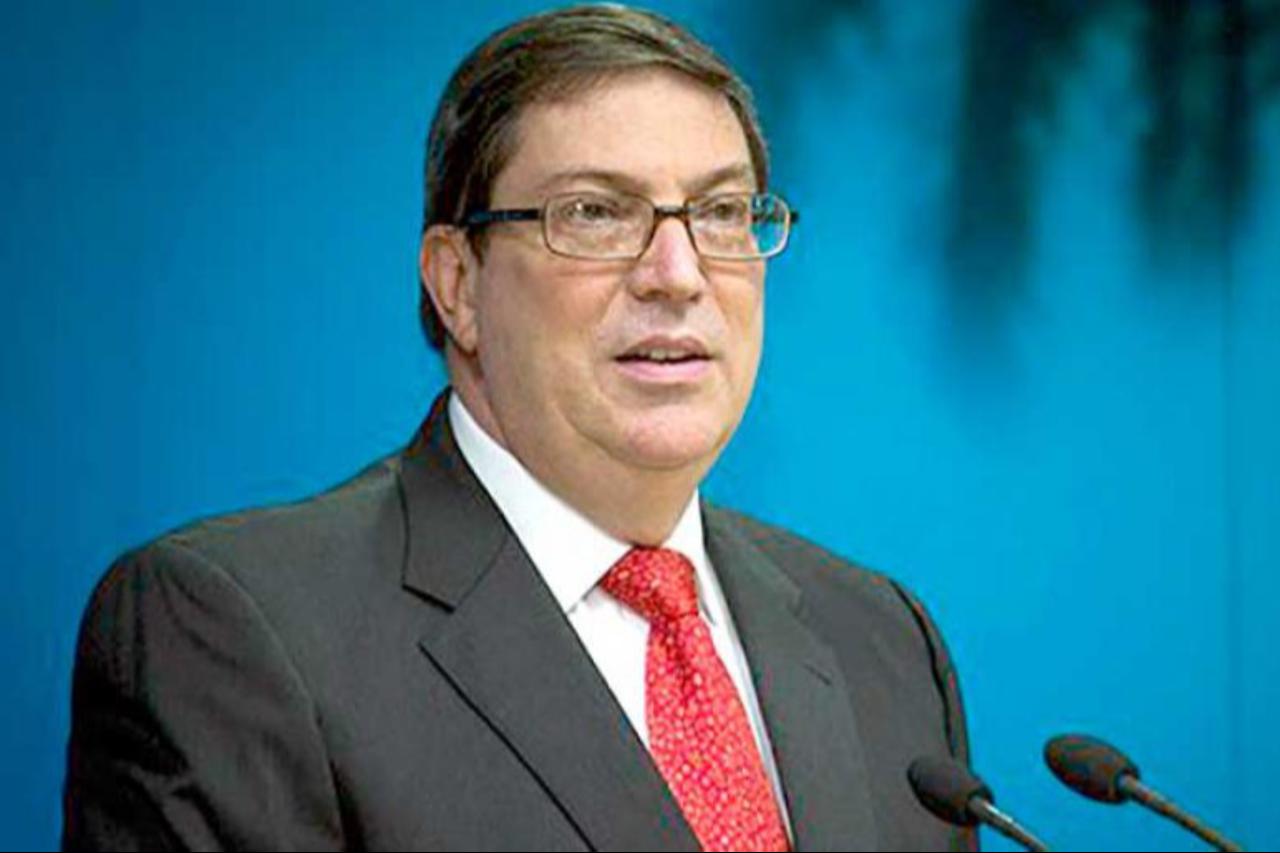
Cuba's Deputy Foreign Minister Josefina Vidal Ferreiro has warned that any U.S. military action would produce "thousands of deaths." Speaking to PBS NewsHour, she denied U.S. allegations that Cuba poses a military threat, called them "a construction" and "a pretext", and said Havana will defend itself.
"The United States government is not telling the truth," Vidal said.
"Cuba is not and has never been a threat to the United States," she noted.
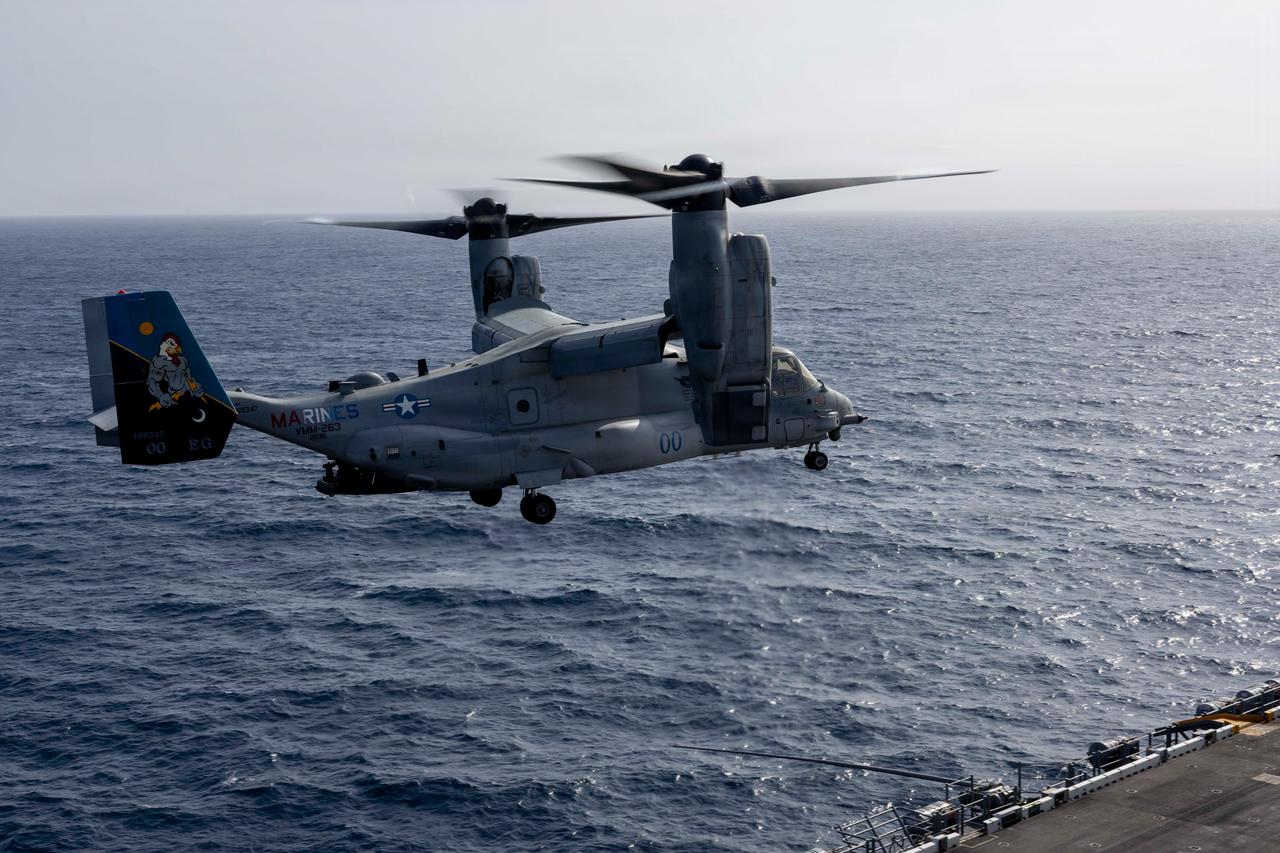
The statement arrived against the backdrop of a months-long Pentagon deployment of warships, aircraft, and surveillance drones around Cuba, following U.S. Secretary of State Marco Rubio’s declaration that the island is "in a lot of trouble."
The USS Nimitz Aircraft Carrier Strike Group entered the Caribbean in May, along with several guided missile destroyers and cruisers capable of launching precision missiles at onshore targets.
The U.S. Navy's presence in the region is now the largest in the world outside the Middle East, according to Politico.
U.S. Southern Command (SOUTHCOM) marked the Nimitz's arrival on May 20 on X: "Welcome to the Caribbean, Nimitz Carrier Strike Group! USS Nimitz has proven its combat prowess across the globe, ensuring stability and defending democracy from the Taiwan Strait to the Arabian Gulf."
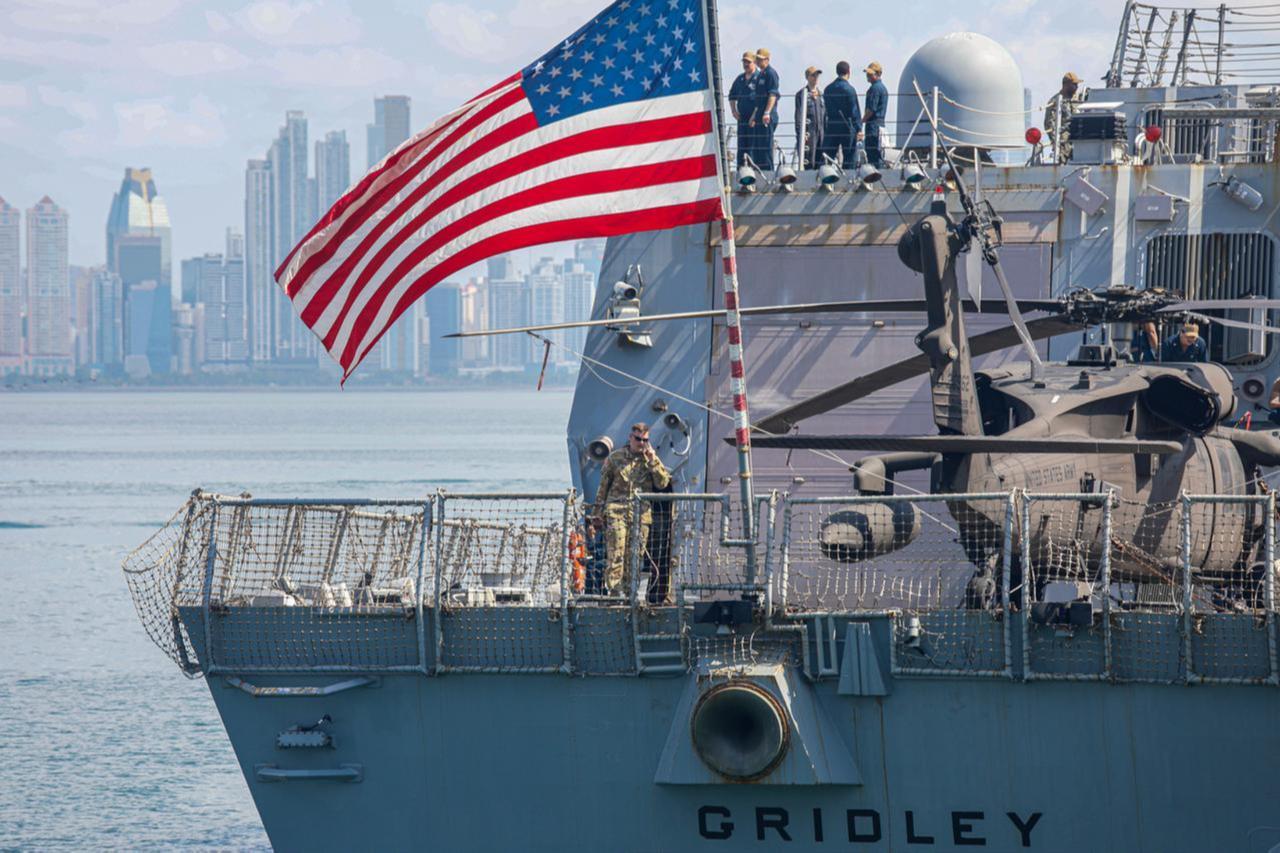
The USS Nimitz Carrier Strike Group, operating alongside Carrier Air Wing 17 and the destroyer USS Gridley, has been participating in the Southern Seas 2026 multinational exercises. The strike group marks the first U.S. aircraft carrier presence in the Caribbean since February, when the USS Gerald R. Ford was redeployed to the Middle East. That move followed the Jan. 3 raid in Caracas to topple Venezuelan President Nicolas Maduro.
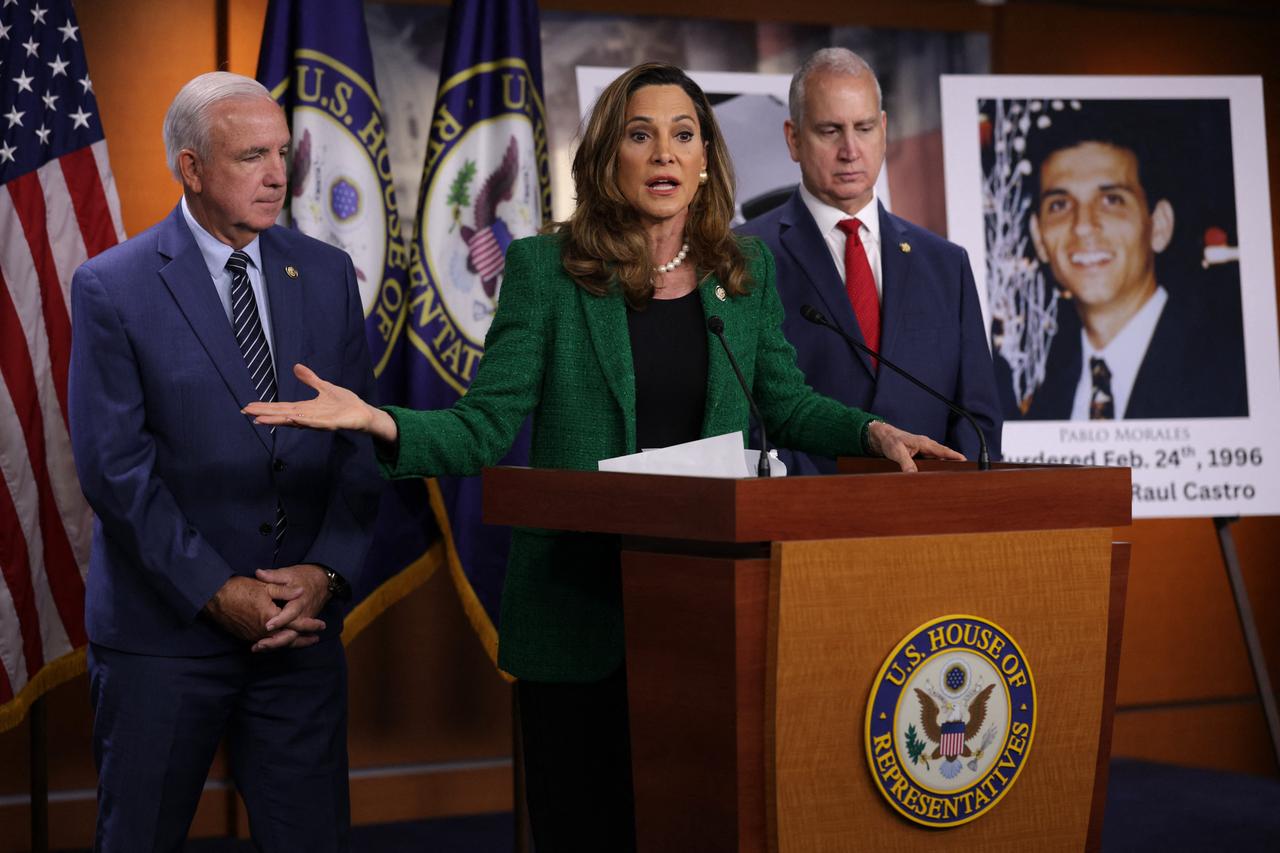
The U.S. indicted former Cuban president Raul Castro on May 20, the same day the Nimitz arrived.
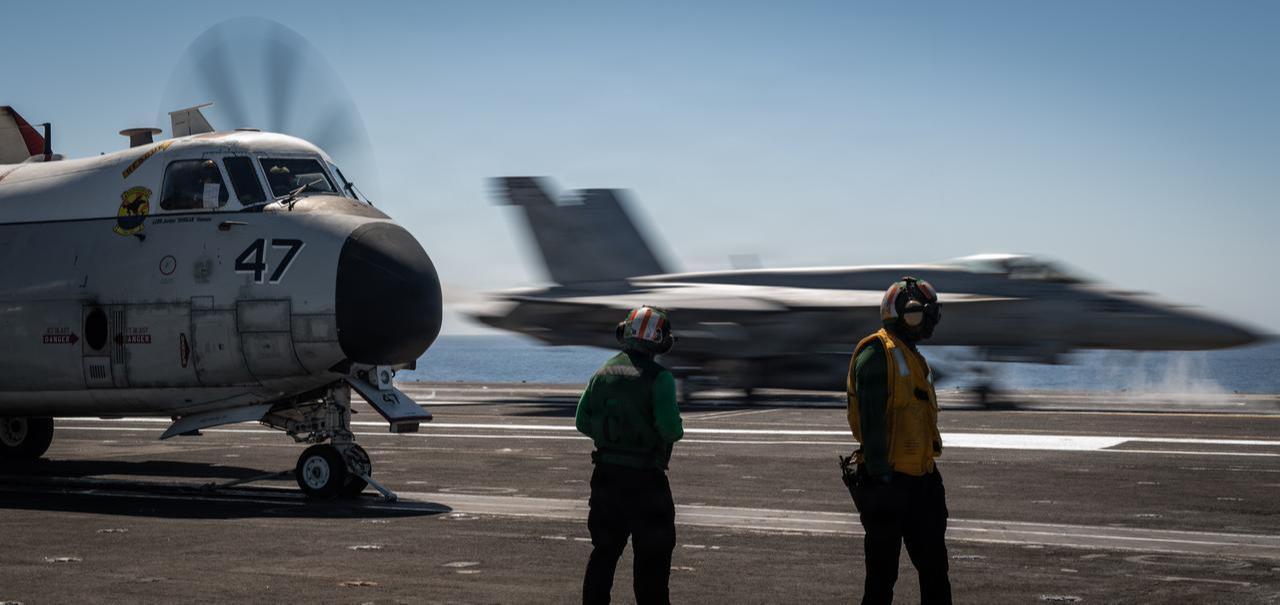

Speaking to Politico, Mark Cancian, a former Pentagon official and senior analyst at the Center for Strategic and International Studies, said the carrier's presence serves as deterrence but could support combat operations.
"The Nimitz is likely there primarily for intimidation, though it could be used in a military operation if needed," Cancian said.
"Air strikes are possible to take out their air defenses to allow broader air operations or, perhaps, destroy their leadership with the idea of establishing a relationship as we have with Venezuela. Raul Castro would be their first target," he noted.
The USS Kearsarge amphibious ships and escorts, carrying 2,500 Marines, are off the coast of Virginia and could replace ships heading home, according to Politico.
The USS Iwo Jima and USS Fort Lauderdale amphibious ships have remained in the region since the summer, though the Marine Corps announced Wednesday they will return to Norfolk next week.
The Pentagon has also been publicly broadcasting the location of military surveillance flights near Cuba. BBC Verify's analysis of data from flight-tracking site Flightradar24 shows at least five U.S. Navy P-8A Poseidon surveillance aircraft and three MQ-4C Triton surveillance drones have operated in the Caribbean near Cuba since May 11.
Some aircraft flew as close as 50 miles (80 kilometers) from the island.
 1 min read
Rubio, speaking at a Cabinet meeting at the White House on Wednesday, tied the island's crisis to its military-linked business conglomerate.
"Cuba is in a lot of trouble, because, unfortunately for them, it's run by a bunch of incompetent communists," Rubio said.
"The country has been taken over by this company called GAESA that basically controls 70% of the economy. None of the money in that company goes to help the Cuban people, none of it. So, we'll be talking to them, we'll be working on it. You know, we want something good for the Cuban people, and hopefully there'll be a good outcome there for them," he added.
GAESA is the Grupo de Administracion Empresarial S.A., a business conglomerate owned by Cuba's military.
Vidal said Washington has never formally presented evidence to support its allegations.
"The United States has never presented any evidence officially to Cuba that might demonstrate or show that Cuba might be a threat to the United States," she said.
"This is a construction. This is a pretext that is being used to justify the escalation that doesn't have any justification at all to continue punishing the Cuban people and Cuba," she added.
When asked whether CIA Director John Ratcliffe's recent visit to Havana included a presentation of evidence regarding intelligence operations benefiting U.S. adversaries, Vidal declined to comment on the visit. She said: "No operations by anybody who might be a threat to the United States from the territory of Cuba."
The only foreign military base on Cuban soil, Vidal said, is American. "The only foreign military base which still exists in Cuba is the U.S. Naval Guantanamo base, against the will of the Cuban government and the Cuban people."
Cuba received a tranche of humanitarian aid from China this week amid severe food shortages and economic crisis, according to PBS NewsHour. The U.S. imposed an effective oil embargo on Cuba on Jan. 30 through an executive order signed by Trump on Jan. 29 that explicitly threatens US tariffs on any country selling oil to Cuba.
Vidal described the humanitarian toll by stating, "Imagine a country not receiving in five months one drop of oil. We have had to postpone, for example, surgeries. That has had an impact, the oil blockade on electricity generation. And, as a consequence, that has an impact on health services, on education, on water supply. The whole Cuban population is under a lot of pressure. And there is no justification for this collective punishment."
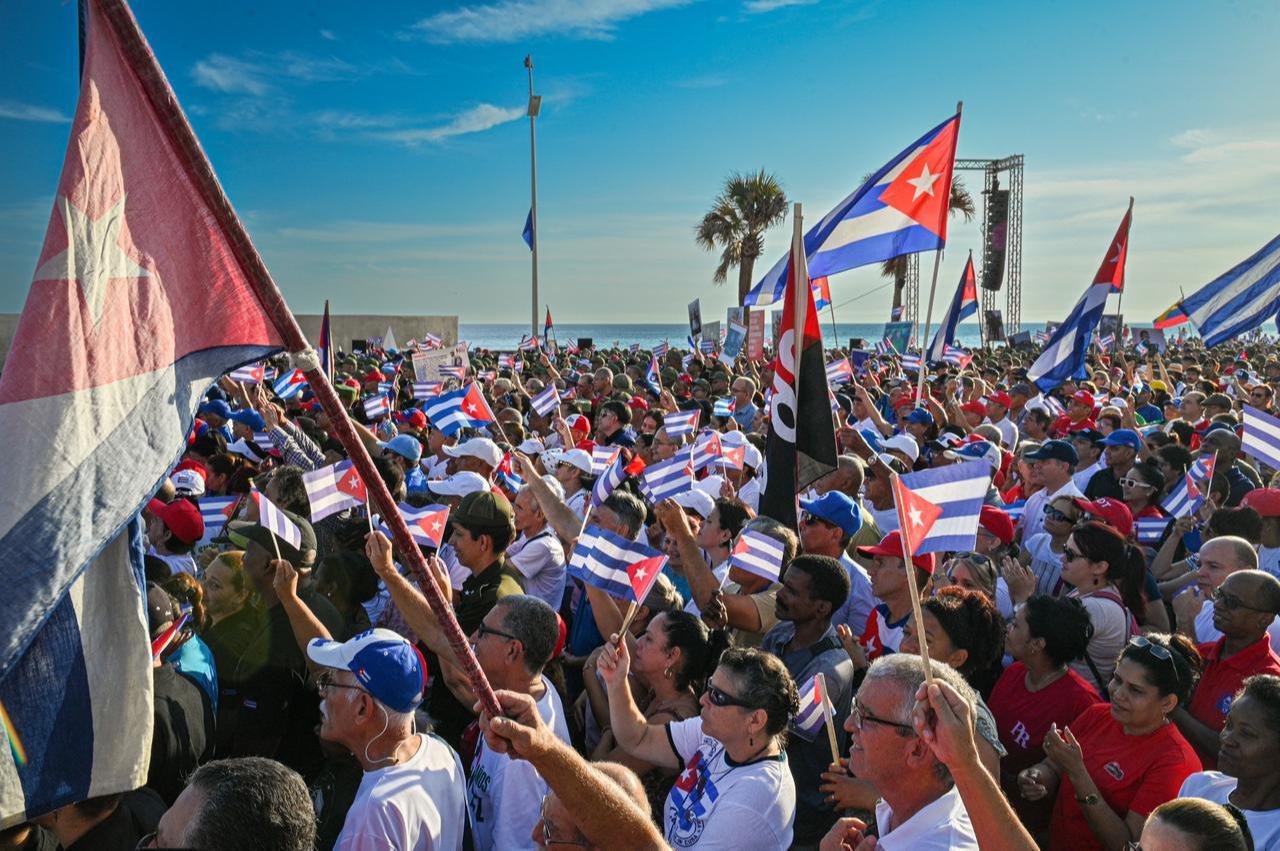
Vidal said Havana is taking U.S. military threats "very, very seriously."
"We don't seek conflict with the United States. We hope it is prevented, because we don't see any reason why Cubans and Americans should die, because there would be thousands of deaths if there is an aggression and there will be a lot of destruction," she said.
Asked whether Cuba would strike U.S. targets in the event of an attack, Vidal invoked American history.
"Cuba will defend itself. The American people, who are about to celebrate in a little bit more than a month the 250th anniversary of their independence, will perfectly understand why Cubans are determined to defend our independence and not to have any foreign power to tell us what to do and how to do it," she said.
Cuban President Miguel Diaz-Canel has said, "We will defend ourselves. If we need to die. Will die."
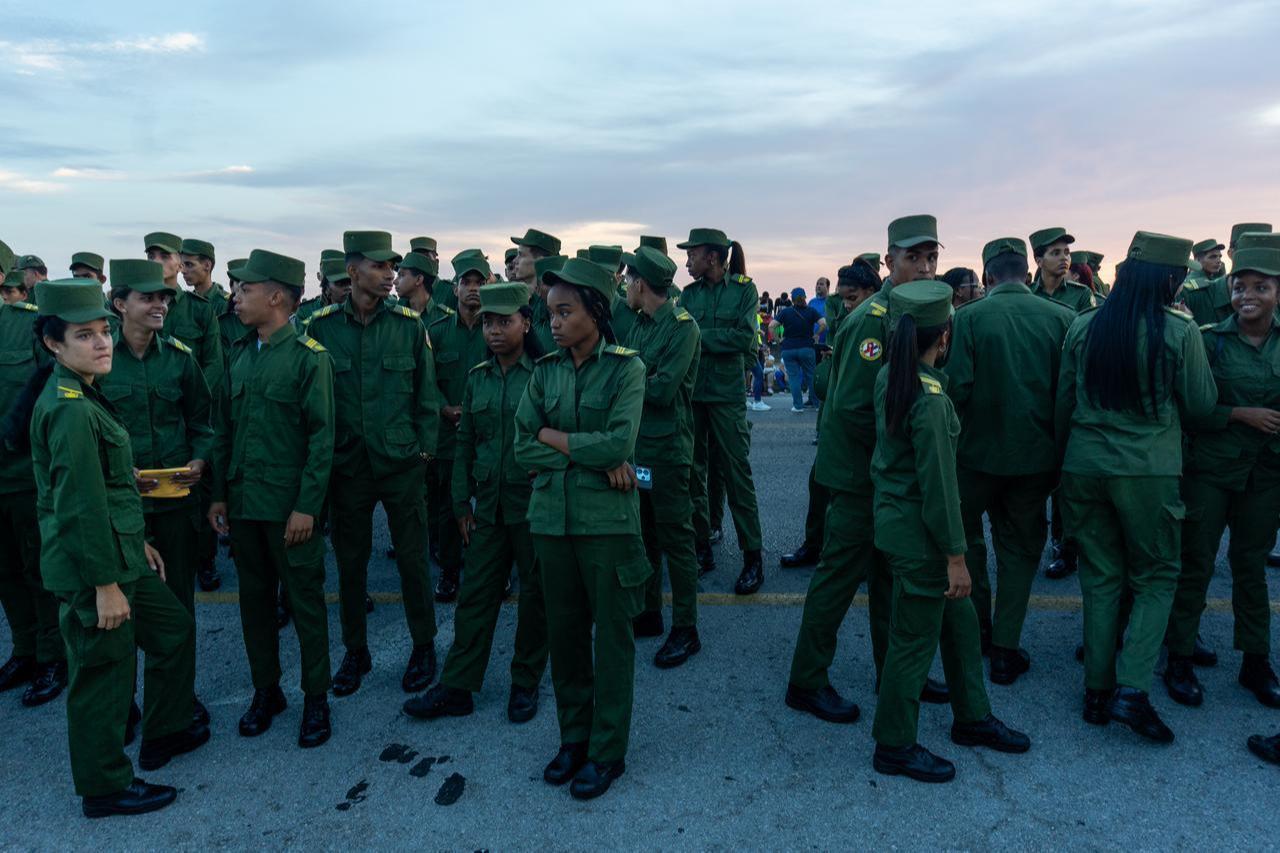
Vidal said the channel for dialogue with Washington remains open but that U.S. pressure campaigns have raised doubts about Washington's sincerity.
"We have reasons to have doubts about the seriousness of the United States' side, considering that, in the midst of our conversations, our contacts, the United States has continued to take measures, measures that affect Cuba and the Cuban people in a big way," she said.
Rubio said on Wednesday the U.S. wants "something good for the Cuban people" and acknowledged dialogue is ongoing. "Having a failed state 90 miles from our shores is a threat to the national security of the United States," he said.
On the question of regime change, which Trump has said he is pursuing through contacts inside Cuba, Vidal drew a firm line.
"We are ready to discuss everything, with one exception, which is issues related to our domestic affairs, internal order," she said.
"It's up to the Cuban people, and only to the Cuban people, to decide what we do and what decisions we make regarding our internal and constitutional order," she added.
On Rubio specifically, Vidal said: "Secretary of State Marco Rubio does not know Cuba. He has never been to Cuba. He doesn't understand Cuba. It seems that he is not familiar with Cuba's history."
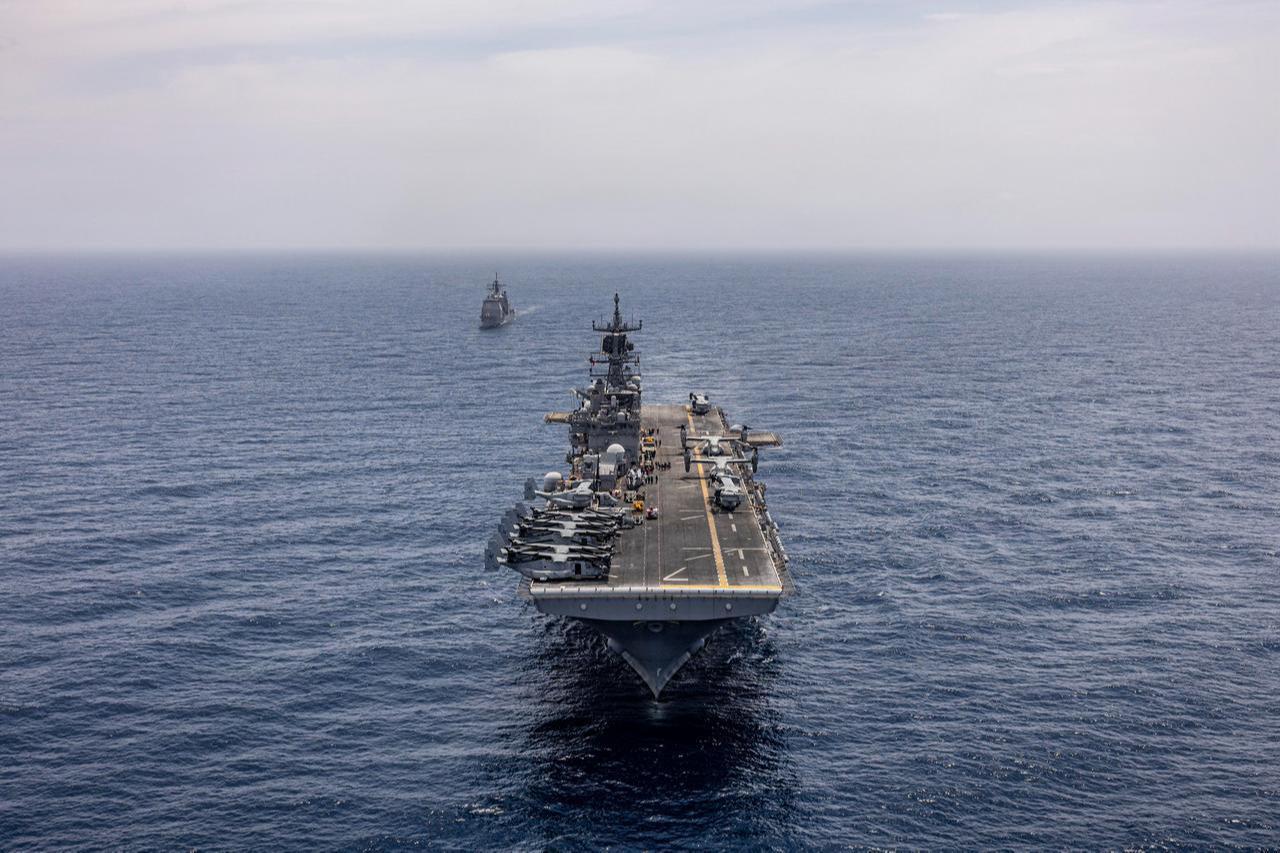
The prolonged naval deployments are straining U.S. forces. A defense official, speaking to Politico on condition of anonymity, said the extended missions carry long-term costs.
"These back-to-back long deployments will add up over time," the official said, adding, "Keeping them out there so long creates more problems in the long run when it comes to refitting and repairing those ships once they come home."
Speaking to Politico, Joe Plenzler, a retired Marine Corps officer, said the open-ended deployments affect military retention.
"You don't sign up for an easy time, you know any deployment is going to be uncertain," Plenzler said, adding, "but extending deployments like this, when it feels really open-ended, that starts to bleed into retention. How much more likely am I to convince my family to do another enlistment and stick with it?"


 Set as preferred source
 Set as preferred source


 1 min read