Newsletters


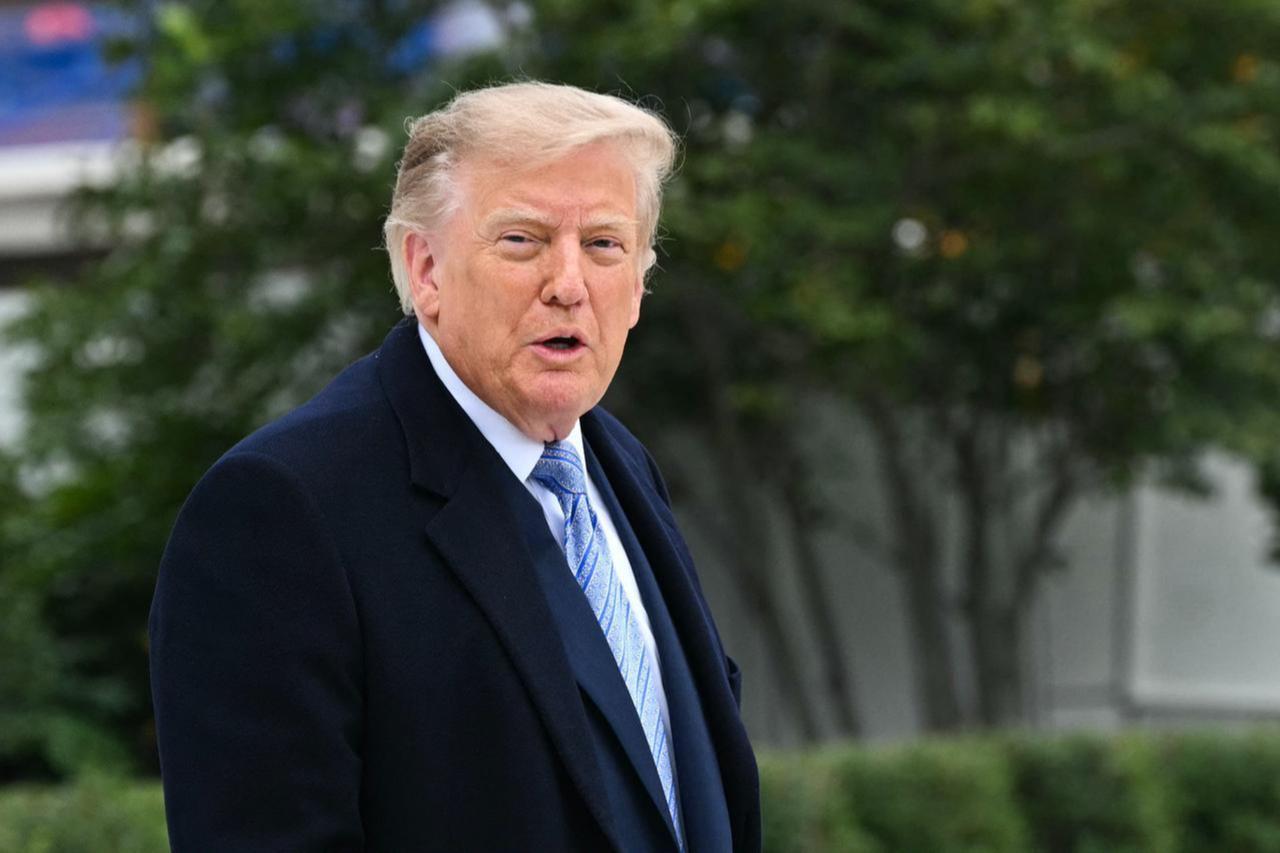


President Trump said Sunday he expects U.S. negotiators to hold additional talks with Iran this week, a day after he rejected an Iranian proposal aimed at ending the conflict between the two countries, according to a phone interview with Axios.
Two regional sources confirmed Trump's comment, telling Axios they anticipate another round of indirect dialogue between Washington and Tehran as early as Monday, though it remains unclear whether the two sides can close the gap between their positions.
Qatar and other regional mediators have been working to revive negotiations between the United States and Iran, but the two governments remain far apart on core issues. Iran wants any talks to focus on the Strait of Hormuz and the U.S. naval blockade, while the Trump administration is insisting that Iran agree to nuclear concessions.
"I expect more talks with Iran this week," Trump said, adding that Iran wants to make a deal but "not the deal that I want to make." He said the offer on the table resembled terms the U.S. might have accepted roughly a year earlier, saying Iran "overplayed their hand."
Asked whether he was considering resuming military strikes against Iran, Trump said, "I am always thinking about it."
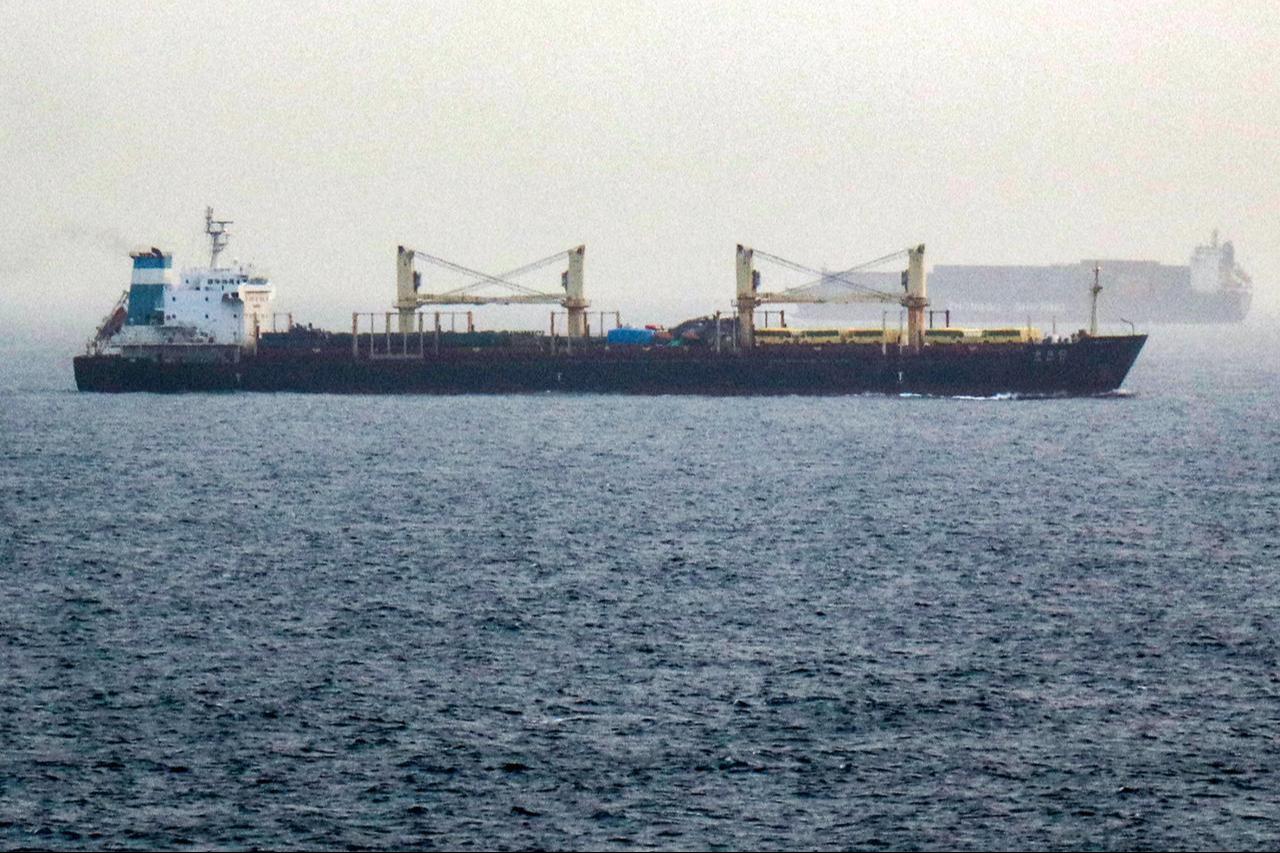

Trump said the U.S. military has been facilitating oil shipments through the Strait of Hormuz, and that the volume moving through the waterway over the weekend was the largest since the war began, more than 20 million barrels by his account. A U.S. defense official confirmed the claim, saying 22 million barrels of oil were exported through the strait on Friday night.
The Strait of Hormuz, a narrow waterway between Iran and the Arabian Peninsula, is one of the world's most important oil chokepoints, with a large share of global seaborne crude exports passing through it.
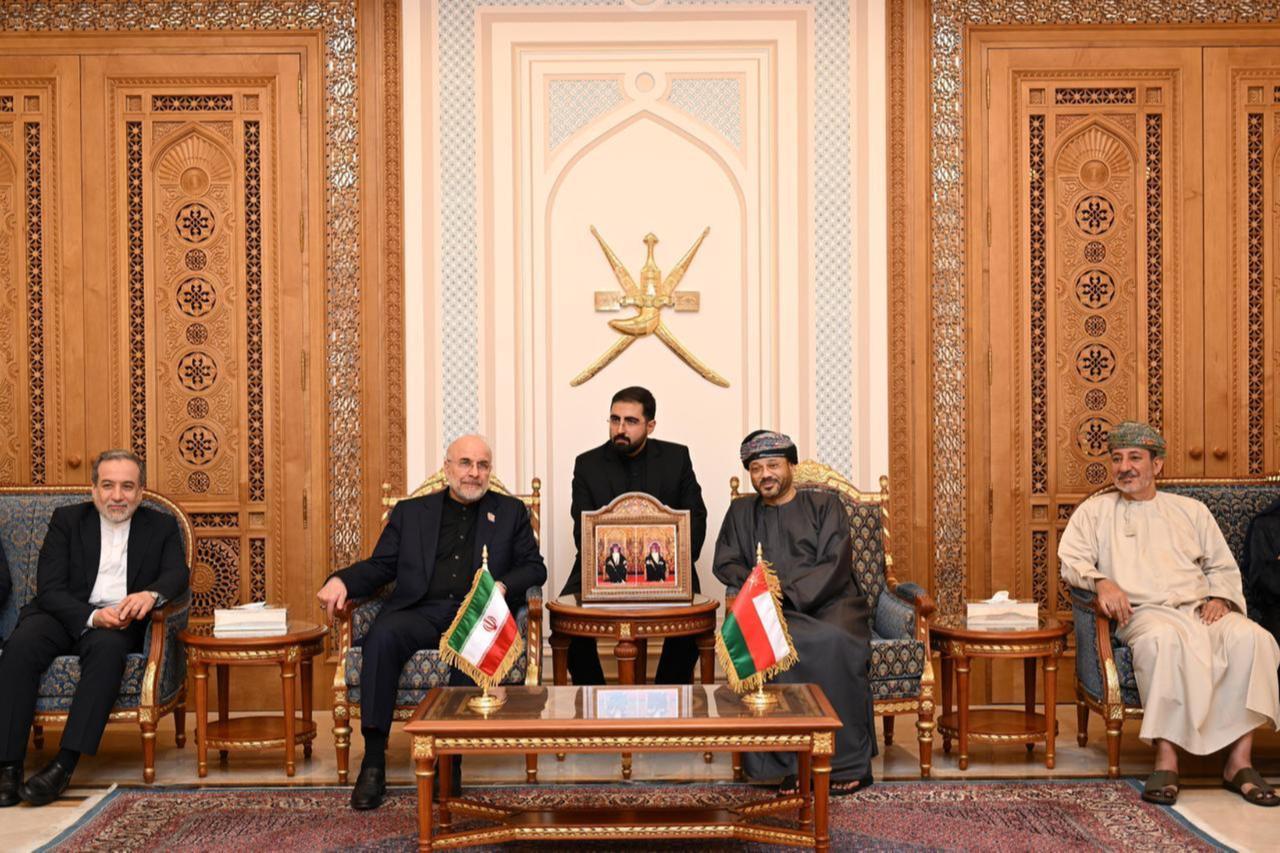
The latest exchange stemmed from a round of indirect negotiations last Tuesday on the sidelines of the United Nations General Assembly in New York, where U.S. envoys Steve Witkoff and Jared Kushner met with Iranian Foreign Minister Abbas Araghchi. Qatari officials took part as intermediaries, relaying messages between the two delegations.
During that meeting, Araghchi presented Witkoff and Kushner with Iran's conditions for reopening the Strait of Hormuz and resuming nuclear negotiations. Iran's proposal called for reopening the strait and restarting nuclear talks within a week, contingent on the U.S. lifting its naval blockade, removing sanctions on Iranian oil sales, and reinstating a ceasefire across the region. Trump rejected that proposal on Saturday.
Despite the rejection, a U.S. official and two regional sources told Axios that Qatari mediators are continuing shuttle diplomacy in an effort to bridge the divide.
On Thursday, Qatar's prime minister met in New York with Iran's president to discuss the potential agreement, and senior Qatari officials subsequently briefed Witkoff on the talks.
A regional source familiar with the negotiations said Qatari mediators reviewed Iran's original proposal with both sides and put forward a compromise text for each to consider.
Over the weekend, the mediators shuttled separately between Iranian and U.S. negotiators to work through changes to that text, and they are expected to meet again with Araghchi and Witkoff as soon as Monday.
Araghchi, for his part, told NBC on Sunday that Iran remains committed to a diplomatic resolution despite Trump's rejection of its proposal.
He said Iran's decisions are not influenced by the U.S. midterm elections. "We only care about our national interests. We are ready for negotiations," he said, adding that Tehran is still awaiting an official response through the mediators despite hearing that Trump had rejected the deal.


 Set as preferred source
 Set as preferred source


 1 min read
 1 min read