

 Newsletters


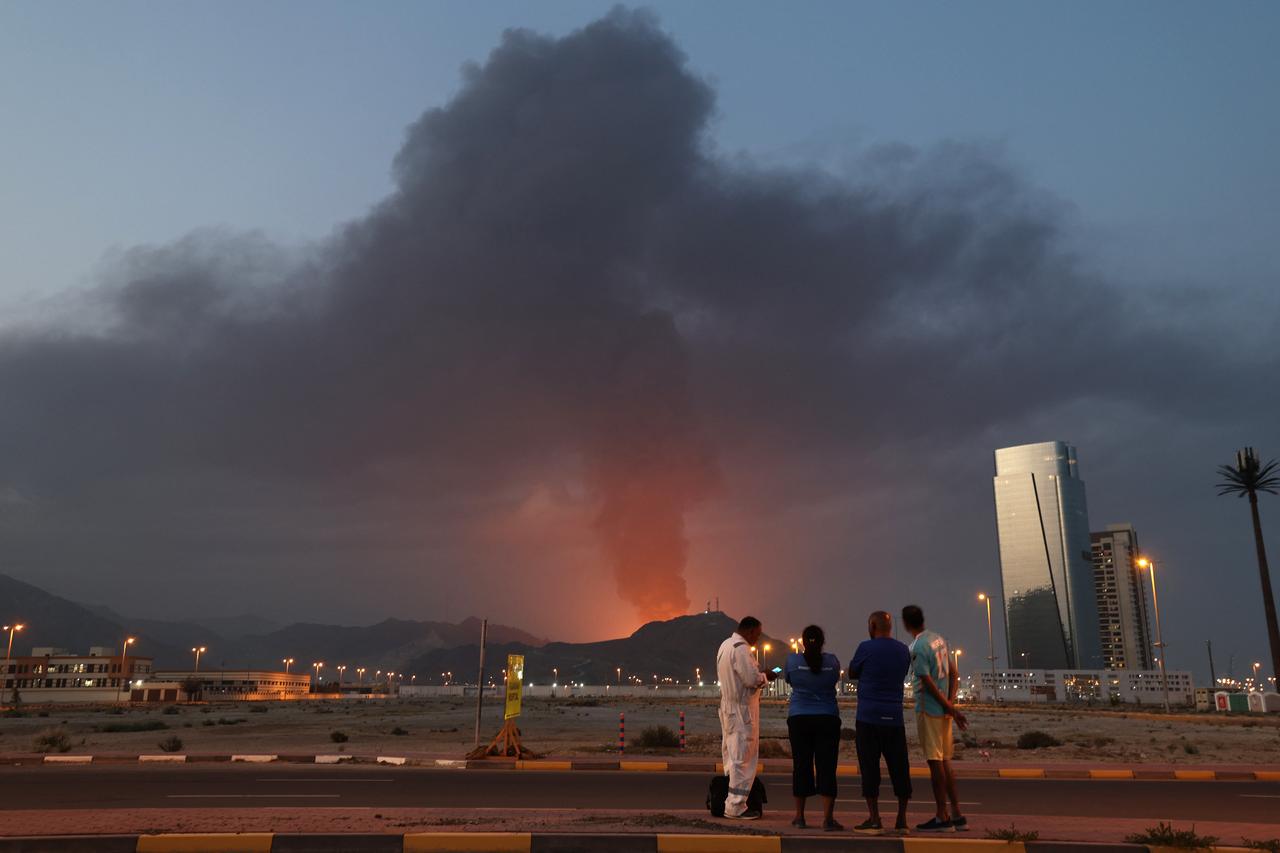


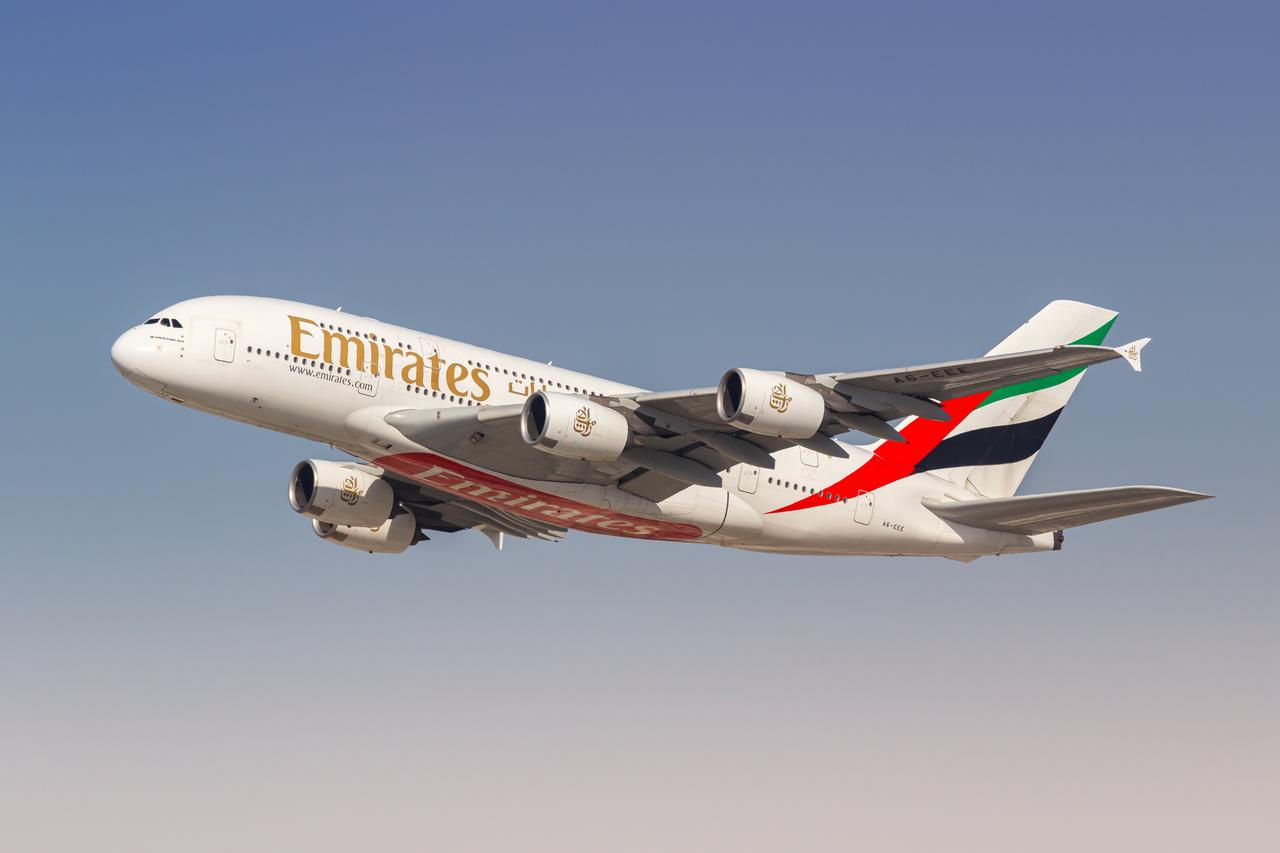
Residents across Dubai, Abu Dhabi, Kuwait and Doha reported simultaneous loud explosions on Tuesday as Iranian missile and drone attacks continued to pummel Gulf states for a fourth consecutive day, with regional air defenses scrambling to intercept incoming fire and military forces across the UAE and Qatar placed on high alert.
Loud explosions have been heard in Dubai and the Qatari capital of Doha as part of a violent escalation that has now persisted for multiple days, with coordinated US and Israeli strikes against Iran prompting Iranian missile and drone counter-strikes across multiple countries.
Dubai authorities later said the explosions heard across the city were caused by "interception operations" by air defence forces.
"The relevant Dubai teams continue to closely monitor the situation and are taking all necessary measures to ensure public safety," the Dubai media office said in a statement posted on X.
In what may be the most consequential strike of the day, the Israeli Air Force destroyed the building housing Iran's Assembly of Experts in the holy city of Qom on Tuesday, targeting the 88-member clerical body responsible for choosing a successor to slain Supreme Leader Ali Khamenei.
An Israeli defence official told Axios the strike hit the building while votes were being counted inside. "We wanted to prevent them from picking a new supreme leader," the official said.
It remains unclear how many assembly members were present or whether there were casualties. Iranian state news agencies confirmed the building was flattened, while witnesses near the site reported additional strikes in the surrounding area.
The strike came as a direct attempt to disrupt the Iranian regime's constitutional mechanism for leadership continuity. Under Article 111 of Iran's constitution, the Assembly of Experts is required to act "in the shortest possible time" to appoint a successor when the supreme leader's position becomes vacant.
A secretive committee within the assembly had been drafting a shortlist of candidates for the full body to vote on, a process Israel evidently sought to derail.
Iran had already formed a temporary leadership council, comprising the president, the head of the judiciary and a cleric from the Guardian Council, to oversee the functions of the supreme leader's office during the transition, but Tuesday's strike raises questions about whether the constitutional succession process can proceed at all under sustained military pressure.
Iran's ISNA news agency reported that a member of the Assembly of Experts said appointing a successor "won't take long," though the claim could not be independently verified.
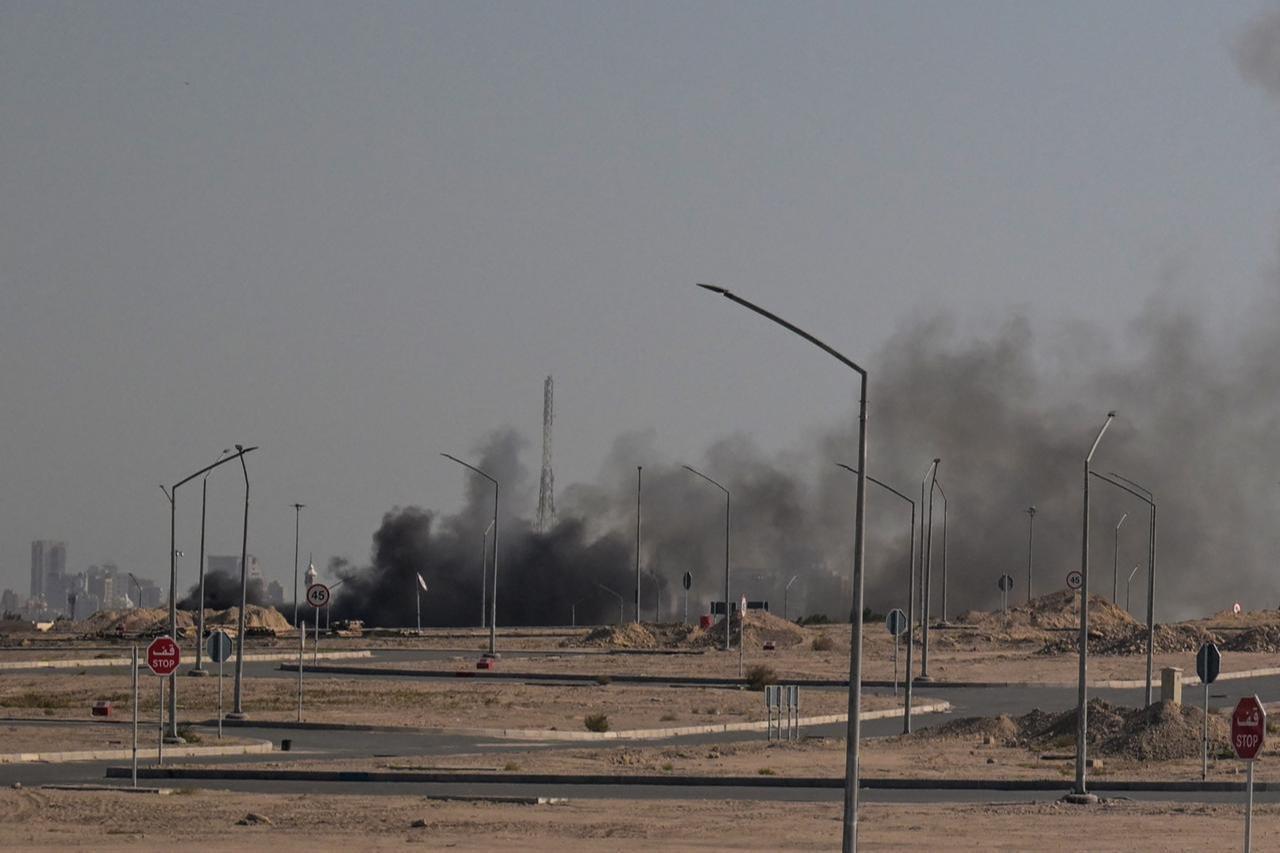

Iran dramatically widened its retaliatory campaign on Tuesday, striking the US Embassy in Riyadh with two drones in the early hours, causing a "limited fire" and minor damage, according to the Saudi Defence Ministry.
The US Embassy in Kuwait was also attacked and subsequently shut until further notice. Washington ordered the evacuation of non-emergency personnel and families from six countries, including Kuwait, Bahrain, Iraq, Qatar, Jordan and the United Arab Emirates, while urging all American citizens across more than a dozen Middle Eastern nations to leave immediately, though closed airspace left many stranded.
The strikes extended well beyond military and diplomatic targets. Amazon Web Services disclosed on Tuesday that two of its data centres in the UAE had been "directly struck" by drones, while a facility in Bahrain was damaged by a nearby strike. The incidents caused structural damage, power disruptions and water damage from fire suppression systems, knocking key cloud services offline for businesses, financial institutions and government entities across the region.
AWS warned customers that the operating environment "remains unpredictable" and recommended migrating workloads to other regions.
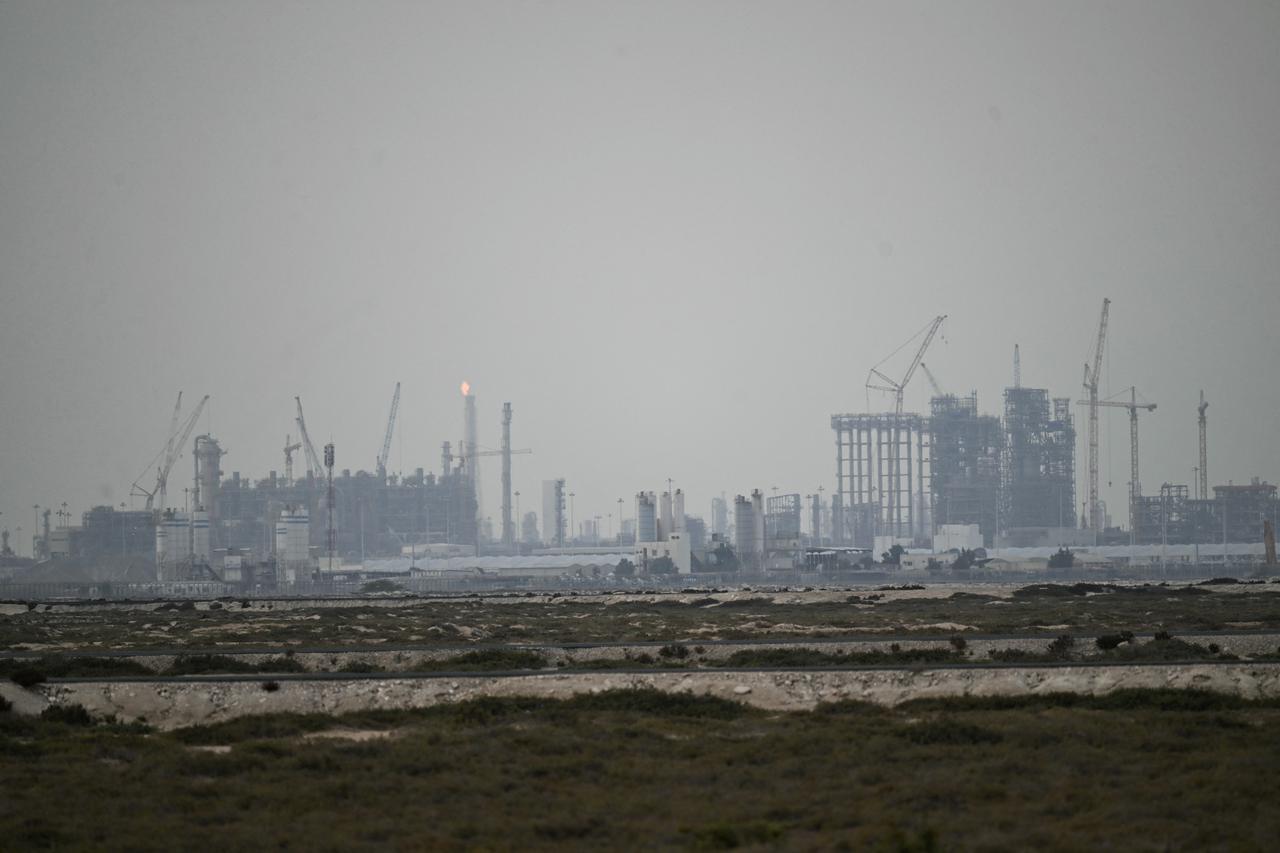
Qatar's military thwarted attempted attacks on Hamad International Airport, foreign ministry spokesman Majed al-Ansari said at a press conference, adding that all missiles were intercepted and "none of them have reached the airport." The Gulf state had not been in contact with Iran since the start of the strikes, he said. Qatar's air force also shot down two Iranian Su-24 fighter jets approaching its territory on Monday, and QatarEnergy, the world's largest LNG producer, had already halted production at its Ras Laffan and Mesaieed facilities after they were struck by Iranian drones, a move that sent European natural gas prices surging nearly 50%.
Iran's Revolutionary Guards warned that the intensity of attacks would only grow. "The gates of hell will open more and more," spokesman Brigadier General Ali-Mohammad Naeini told state television, adding that the "enemy must expect sustained and instructive attacks." A separate Revolutionary Guard general warned that continued US-Israeli operations would see Iran conduct reprisals against "all economic centres" in the Middle East.
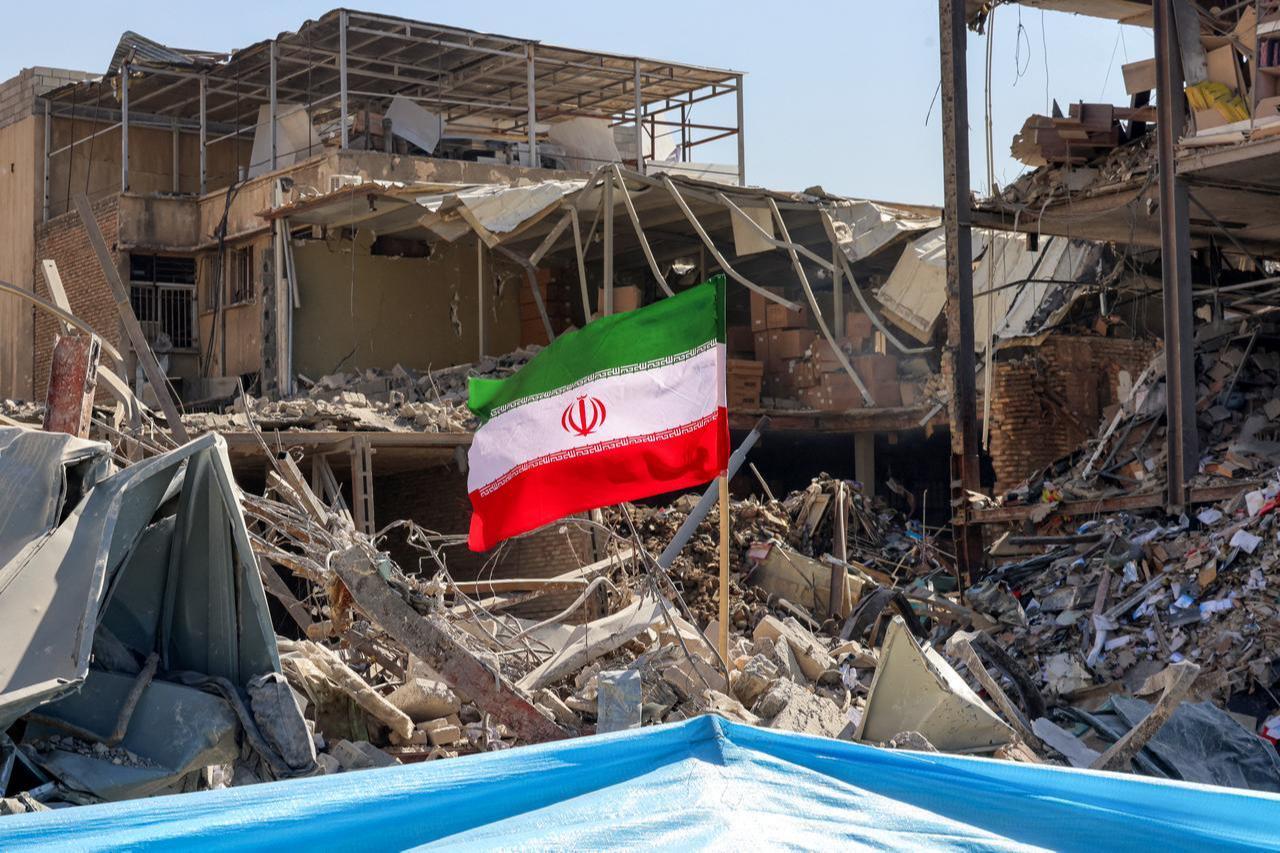
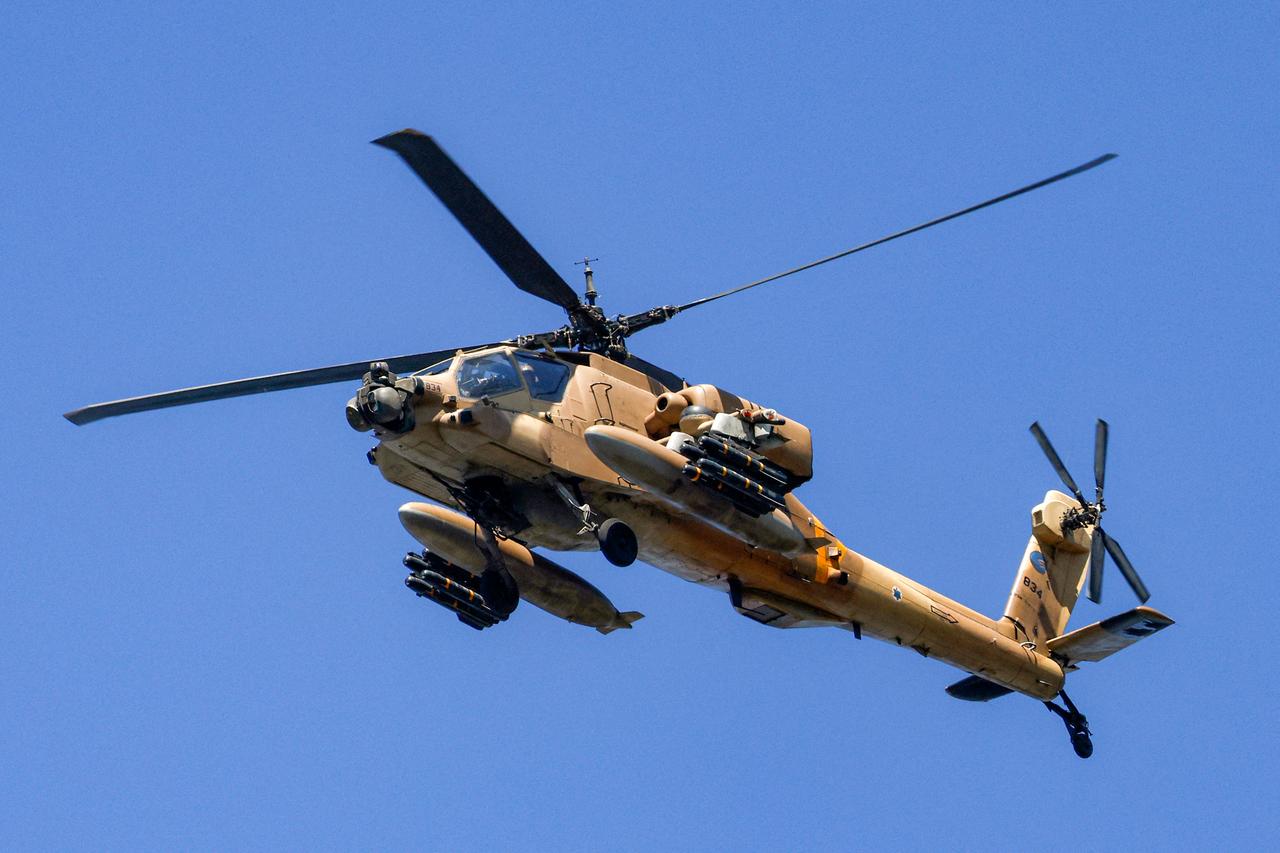
Israel's military said it had launched a new "large-scale" wave of strikes on Tehran, targeting what it described as "the Iranian terror regime's infrastructure." Explosions rang out across the capital throughout the night and into Tuesday, with aircraft heard overhead. Iranian state television said strikes caused two explosions at a broadcasting facility in Tehran, though it reported no injuries. Iranian media also confirmed strikes on central Tehran and multiple other cities.
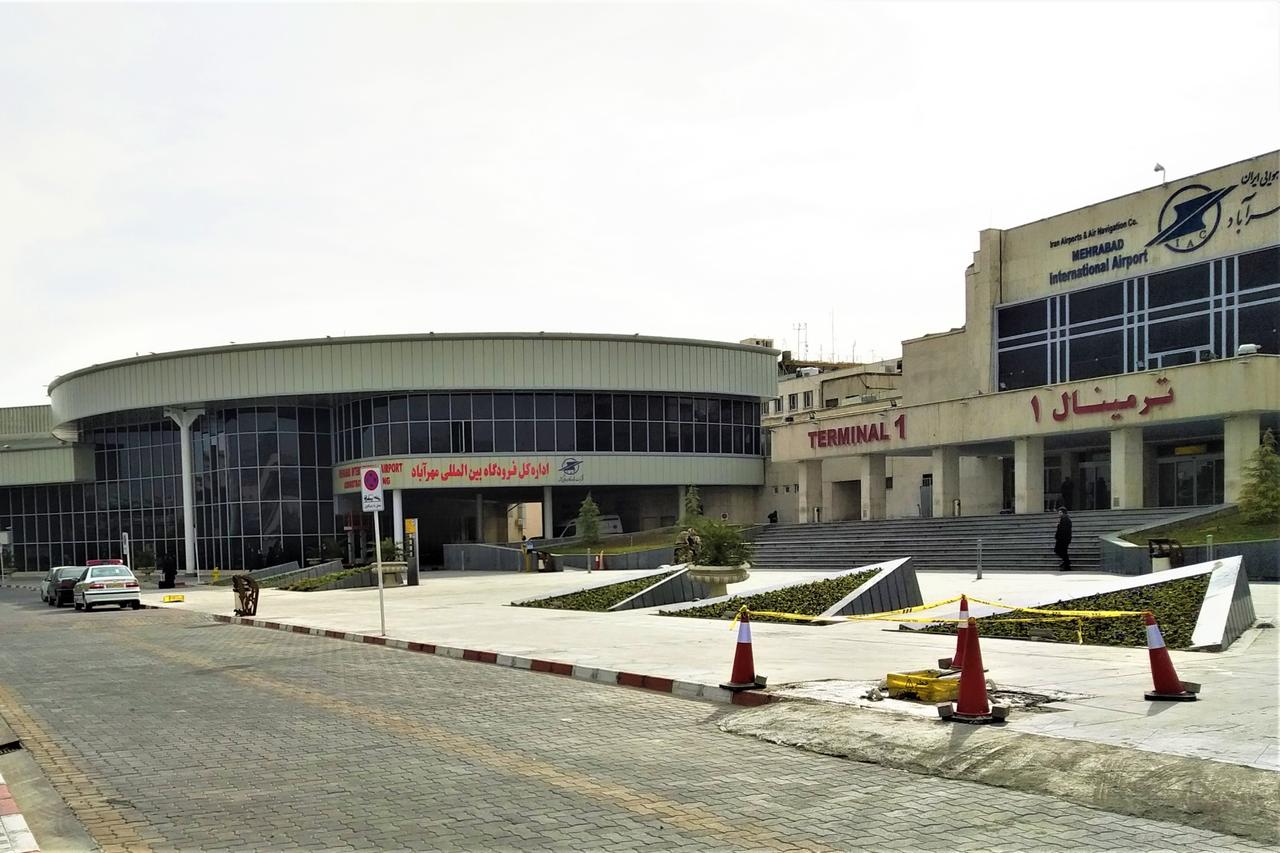
Tehran's Mehrabad airport, which mainly handles domestic flights, was targeted, according to the Mehr news agency. The Israeli military separately said it had struck industrial sites across Iran used to produce weapons, "particularly ballistic missiles." The Israel Defence Forces also announced it had destroyed the Supreme National Security Council headquarters, along with command-and-control infrastructure and the president's office, describing them as "the regime's most central and significant headquarters."
The conflict spread deeper into Lebanon on Tuesday. Israeli air strikes pounded Beirut's southern suburbs, a Hezbollah stronghold, with Lebanon's state news agency reporting extensive damage to buildings. Among the targets was the Hezbollah-aligned Al Manar television studios, according to the Israeli military.
Israel ordered its forces to take control of additional positions inside southern Lebanon to create a buffer zone. In response, the Lebanese army evacuated some border positions after Hezbollah attacked Israeli bases. A senior Hezbollah official, Mohamoud Komati, said the group now had "no option but to fight Israel."
Israeli authorities said at least 12 people were wounded in the latest Iranian missile salvo on Tuesday. The Iranian Red Crescent said more than 780 people had been killed nationwide since the conflict began, a figure AFP could not independently verify. Six US service members have been killed in action since Saturday, US Central Command confirmed, with 18 more seriously wounded.
US President Donald Trump declared it was "too late" for negotiations with Tehran, writing on his Truth Social platform that Iran's "air defense, Air Force, Navy, and Leadership is gone." He added: "They want to talk. I said 'Too Late!'" The statement came just two days after he had indicated he was open to talks. Trump told NewsNation that Washington's response to the embassy attacks and the killing of American service members would be revealed "soon."
Iran, for its part, urged the United Nations Security Council to fulfil its "duty" and take action to stop the war, while its top national security official, Ali Larijani, vowed that Tehran would "not negotiate with the United States." UN Secretary-General Antonio Guterres called for a "way out" of the conflict.
The Iranian government announced on Tuesday it was banning all food and agricultural exports until further notice. "The government has prioritised the supply of essential goods for the people," the Tasnim news agency reported, citing a government statement, as Tehran activated contingency plans to weather the sustained bombardment.
President Recep Tayyip Erdogan said Ankara was making "intense" diplomatic efforts to resolve the crisis. "Attacks on Iran, and missile and kamikaze drone attacks on neighbouring countries in the Gulf have fuelled instability," he said in a televised address. "Through peace-oriented diplomacy, we are making intense efforts to resolve issues at the negotiating table." Foreign Minister Hakan Fidan held a flurry of calls with counterparts including Britain's Yvette Cooper and Qatar's Prime Minister Sheikh Mohammed bin Abdulrahman Al Thani. France said it would begin facilitating evacuations for an estimated 400,000 French nationals across the Gulf.
The UN's nuclear watchdog, the International Atomic Energy Agency (IAEA), said the key Iranian nuclear site of Natanz had suffered "recent damage," a day after Tehran confirmed the underground uranium enrichment plant had been attacked. "No radiological consequence expected," the IAEA said in a post on X. IAEA Director General Rafael Grossi told NBC News the agency had not "seen elements of a systematic and structured program to manufacture nuclear weapons" in Iran, though he noted the country had enriched uranium to 60%, a level reached "only by countries with nuclear weapons."
Global financial markets buckled under the weight of the escalation. The Dow Jones Industrial Average plunged more than 1,100 points on Tuesday, a decline of roughly 2.4%, while the S&P 500 and Nasdaq Composite each fell more than 2%. Wall Street's fear gauge, the VIX, surged 22% to a three-month high. Europe's benchmark Stoxx 600 sank 3.2%, Japan's Nikkei 225 dropped more than 3%, and South Korea's Kospi index tumbled 7.2% in its worst session since April.
Oil prices surged for a third consecutive day as supply disruption fears intensified. Brent crude rose nearly 8% to around $83.79 a barrel after earlier breaching $85, while US West Texas Intermediate crude climbed more than 8% to above $77.
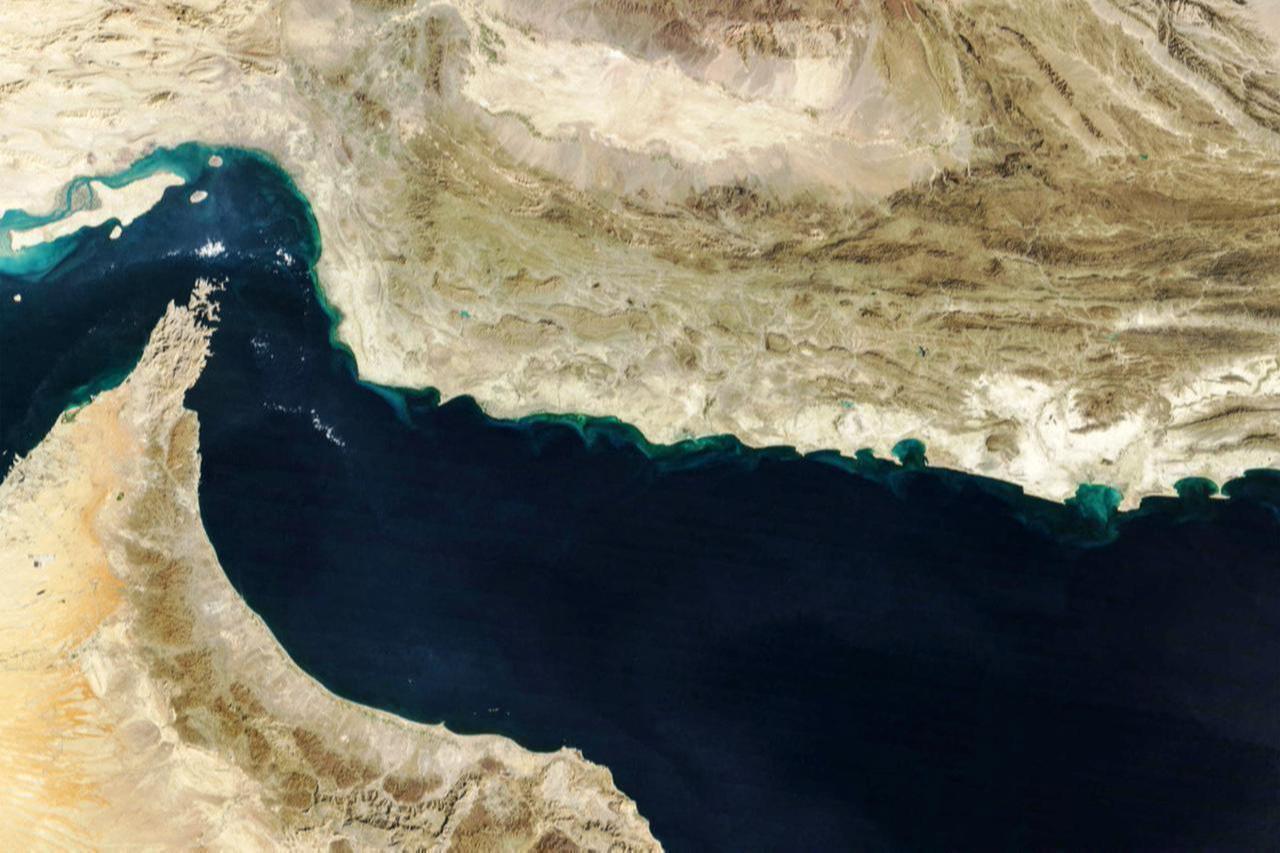
The Strait of Hormuz, through which roughly a fifth of all globally traded oil passes, has been effectively closed after Revolutionary Guard Brigadier General Ebrahim Jabbari declared on state television that any vessel attempting to transit would be "set on fire." Shipping data showed more than 150 tankers had dropped anchor in open Gulf waters rather than risk passage, and the world's largest maritime insurers withdrew war-risk coverage for the strait.
Gold and silver prices fell sharply as traders rotated into bets on energy commodities and the US dollar, which surged to multi-week highs. Gold dropped more than 4.5% while silver plunged over 9%. European natural gas prices soared another 24% on Tuesday, having already risen nearly 40% the day before following Qatar's LNG production halt.
Britain said it would dispatch the warship HMS Dragon and helicopters with anti-drone capabilities to Cyprus for "defensive operations" after a UK military base on the island was hit by a drone, Prime Minister Keir Starmer announced.
Ukrainian President Volodymyr Zelenskyy offered on Tuesday to send Kyiv's "best operators of drone interceptors" to Gulf states in exchange for US-made PAC-3 air defence missiles Ukraine needs for its own war against Russia.
"If they give them to us, we will give them our interceptor. This is an equivalent exchange," Zelenskyy said at a briefing, after speaking by phone with UAE President Sheikh Mohamed bin Zayed Al Nahyan. NATO Secretary General Mark Rutte stressed the alliance was "not itself involved" in the conflict but would "defend every inch of NATO territory" if necessary.
Farah Pahlavi, widow of Iran's last shah, offered a sober assessment of the regime's durability in an interview with AFP. "The passing of a man, however central he may be to the architecture of power, does not automatically mean the end of a system," said Pahlavi, who lives in exile in Paris, suggesting the death of Khamenei would not necessarily bring down the Iranian government.


 Set as preferred source
 Set as preferred source


 1 min read
 1 min read


