Newsletters




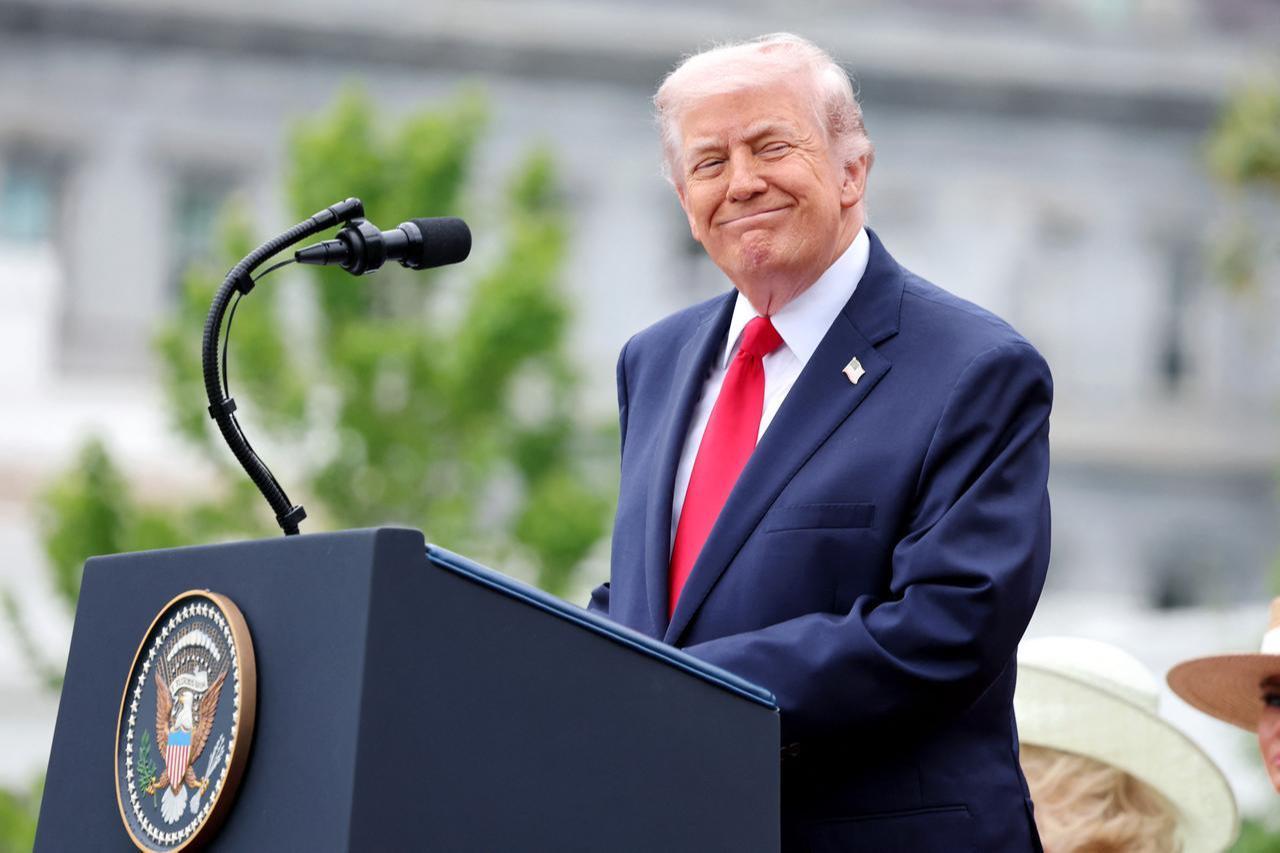
President Donald Trump said Friday he is dissatisfied with Kurdish groups after they reportedly failed to deliver American weapons to anti-regime protesters inside Iran, publicly reconfirming a covert arms transfer program that he first acknowledged in April.
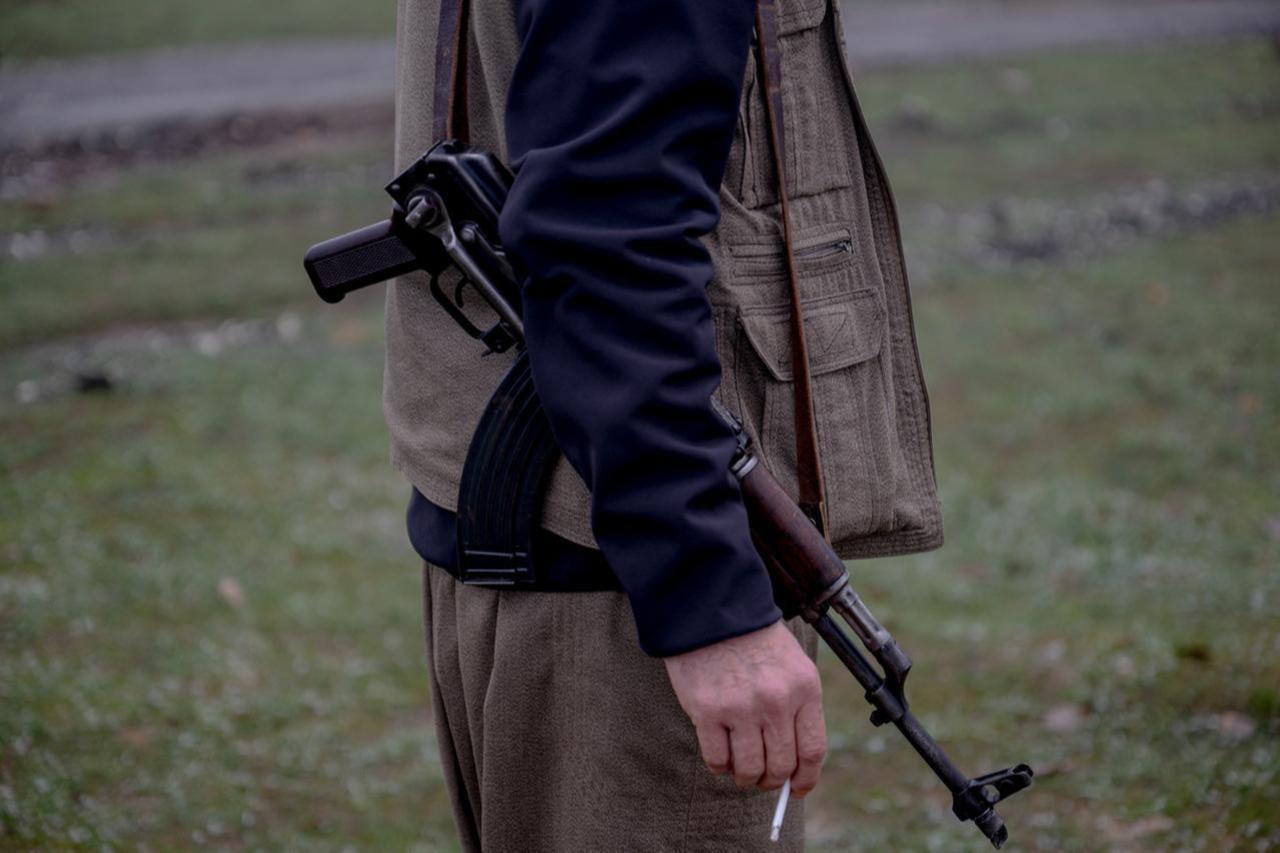
"I'm not happy with what happened with the Kurds. They did not deliver the weapons," Trump said, adding that the arms had been sent through the Kurdish based in Sulaymaniyah, in northern Iraq. When asked about the current whereabouts of the weapons, Trump said, "We'll see who has them."
The remarks came as a pointed escalation in tone toward the Kurdish that Washington had used as a conduit for the operation. Trump had initially confirmed the program on April 5, telling Fox News that the U.S. had sent "a lot of guns" to protesters through Kurdish intermediaries, before suggesting the Kurds had kept the weapons for themselves.

The original April disclosure came as the first on-the-record acknowledgment by a sitting U.S. president of a covert arms transfer to civilians inside Iran.
Trump told Fox News at the time, "We sent guns to the protesters, a lot of them. And I think the Kurds took the guns."
The weapons were intended to support anti-regime demonstrations inside Iran amid an ongoing conflict that has reshaped the region since the United States and Israel launched a joint military offensive against Iran on February 28.
That offensive killed more than 1,340 people, including then-Supreme Leader Ali Khamenei, and has triggered a sustained Iranian campaign of drone and missile strikes against Israel, Jordan, Iraq, and Gulf states hosting American forces.
Iran has also restricted movement through the Strait of Hormuz, the critical chokepoint through which roughly 20 million barrels of oil passed daily before the war began.
Trump's frustration over the Kurdish weapons episode comes against a backdrop of volatile diplomatic maneuvering with Tehran.
On April 5, the same day he first disclosed the arms transfers, Trump said there was "a good chance" of reaching a nuclear or ceasefire deal with Iran by the following day, saying Iranian negotiators were already at the table.
He had simultaneously threatened to "blow everything up and taking over the oil" if Iran failed to move quickly, and posted on Truth Social warning Tehran to reopen the Strait of Hormuz or face consequences he described in stark terms.
Trump also said he had granted amnesty to Iranian negotiators to allow talks to proceed, though Tehran offered no immediate response to that claim. He had previously said Washington was in contact with Iran's Parliament Speaker Mohammad Bagher Ghalibaf.


 Set as preferred source
 Set as preferred source


 1 min read

 1 min read