Newsletters


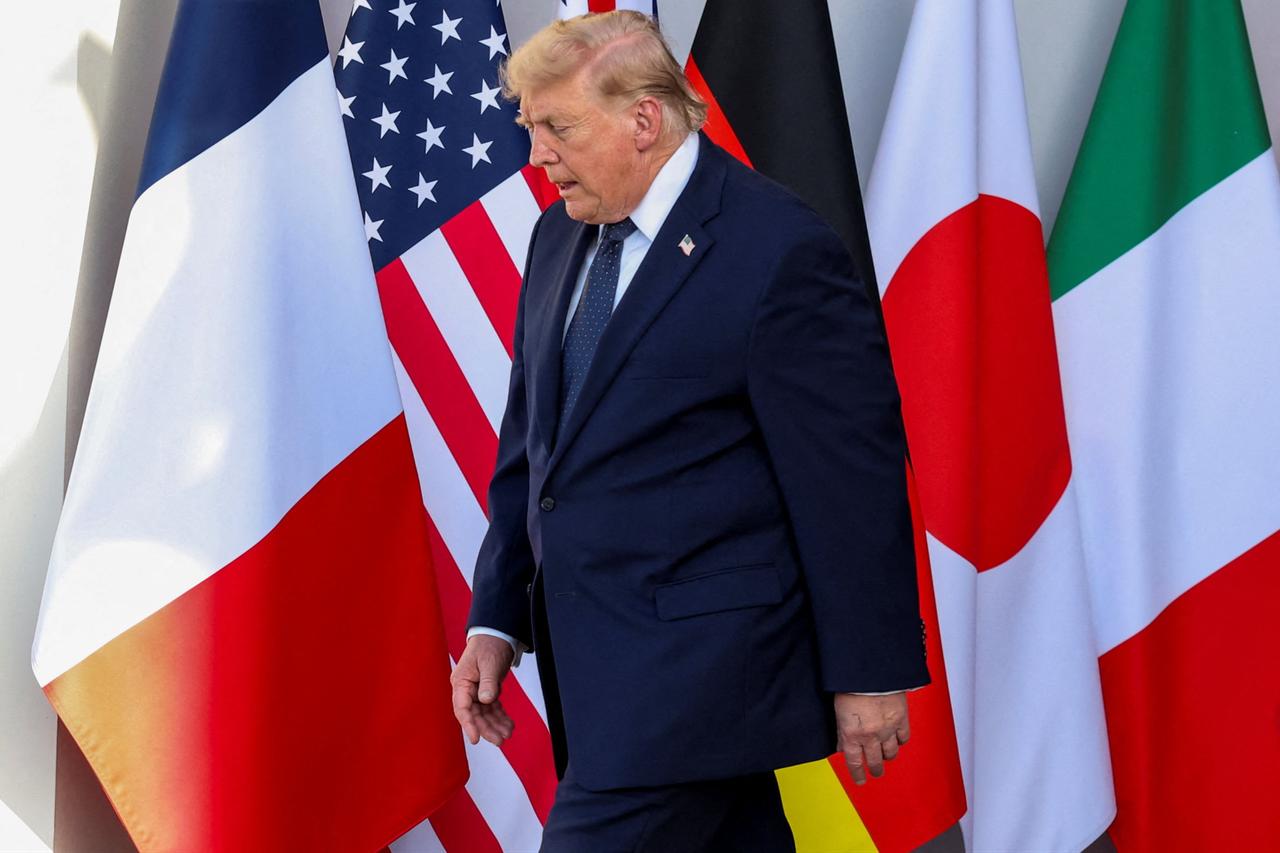


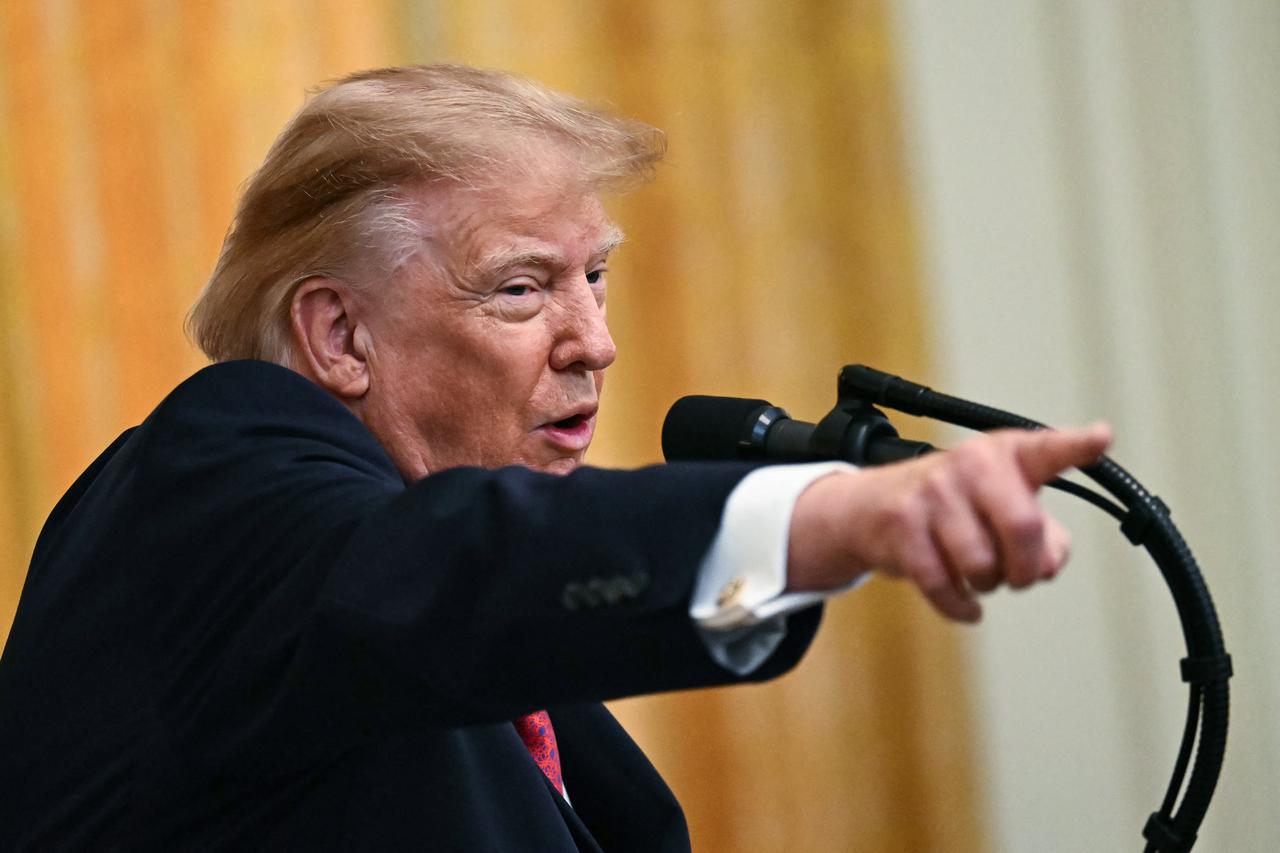
U.S. President Donald Trump will arrive in Ankara for the NATO Leaders Summit on July 7-8, accompanied by a delegation of approximately 1,400 people, including politicians, diplomats, military officials, and Central Intelligence Agency (CIA) personnel.
The visit will make him the first sitting U.S. president to visit the Turkish capital in roughly 17 years, according to a detailed report by Turkish media outlet T24's columnist Tolga Sardan.
The last U.S. president to visit Ankara was George W. Bush, who stopped in the capital before the 2004 NATO summit in Istanbul.
Barack Obama visited Ankara for a brief working visit in 2009 and attended the 2015 G-20 in Antalya, but never returned as president. Trump did not visit Türkiye during his first term. Joe Biden never visited at all.
Sardan notes that while the visit has been confirmed by both the U.S. and Turkish foreign ministries, Trump's travel plans carry an inherent caveat of unpredictability.
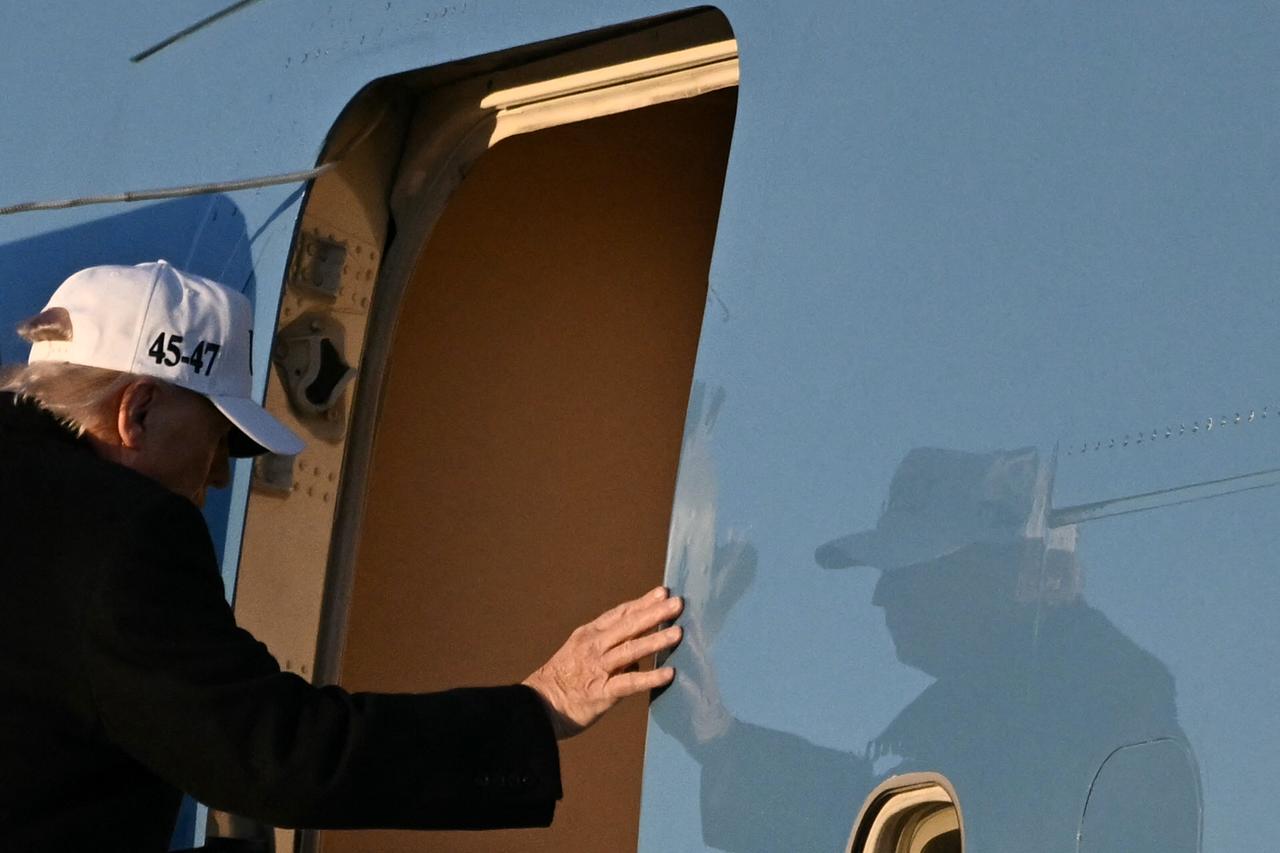

The Trump delegation will be the largest at the summit.
The approximately 1,400-strong U.S. contingent will stay in hotels near the new U.S. Embassy compound in Ankara. Trump's hotel has been entirely reserved for the U.S. delegation, with no other guests.
Security preparations at the hotel began more than a week before the summit.
The U.S. Secret Service has subjected not only Trump's personal suite but the entire building to a detailed inspection, including electrical systems, water infrastructure, ventilation, and fire suppression systems.
In line with longstanding practice applied to previous U.S. presidential visits, the Secret Service will bring Trump's personal toilet system from the United States. All waste produced by the U.S. president will be collected and transported back to American soil rather than entering local sewage systems, a standard security protocol designed to prevent exploitation of the president's biological material for intelligence purposes.
Trump's official presidential limousine will be flown in from the United States.
The Secret Service will also deploy close-range security drones in Ankara, though whether drone operations will be authorized in Turkish airspace remains unconfirmed, according to the report.
Türkiye's Interior Ministry is deploying 44,000 police officers across Ankara for the summit period: 24,000 from Ankara's own police force and 20,000 temporarily transferred from departments nationwide.
Police commanders and their civil and uniformed subordinates will deploy with their own vehicles, weapons, ammunition, and crowd-control equipment, including water cannon units.
Gendarmerie forces will additionally secure the city's entry and exit points.
Ankara Governor's Office has designated June 6-12 as a "special calendar" period, but Sardan reports that effective disruptions will extend from now until approximately July 15 as advance teams and delegations have already begun arriving.
Over 100 delegations are expected, not just heads of state but defense ministers, foreign ministers, and military chiefs of staff, some accompanied by additional cabinet ministers.
The summit's civilian and military diplomatic meetings will be concentrated at three main venues:
A parallel gathering of NATO member states' intelligence service chiefs will also take place within the summit framework.
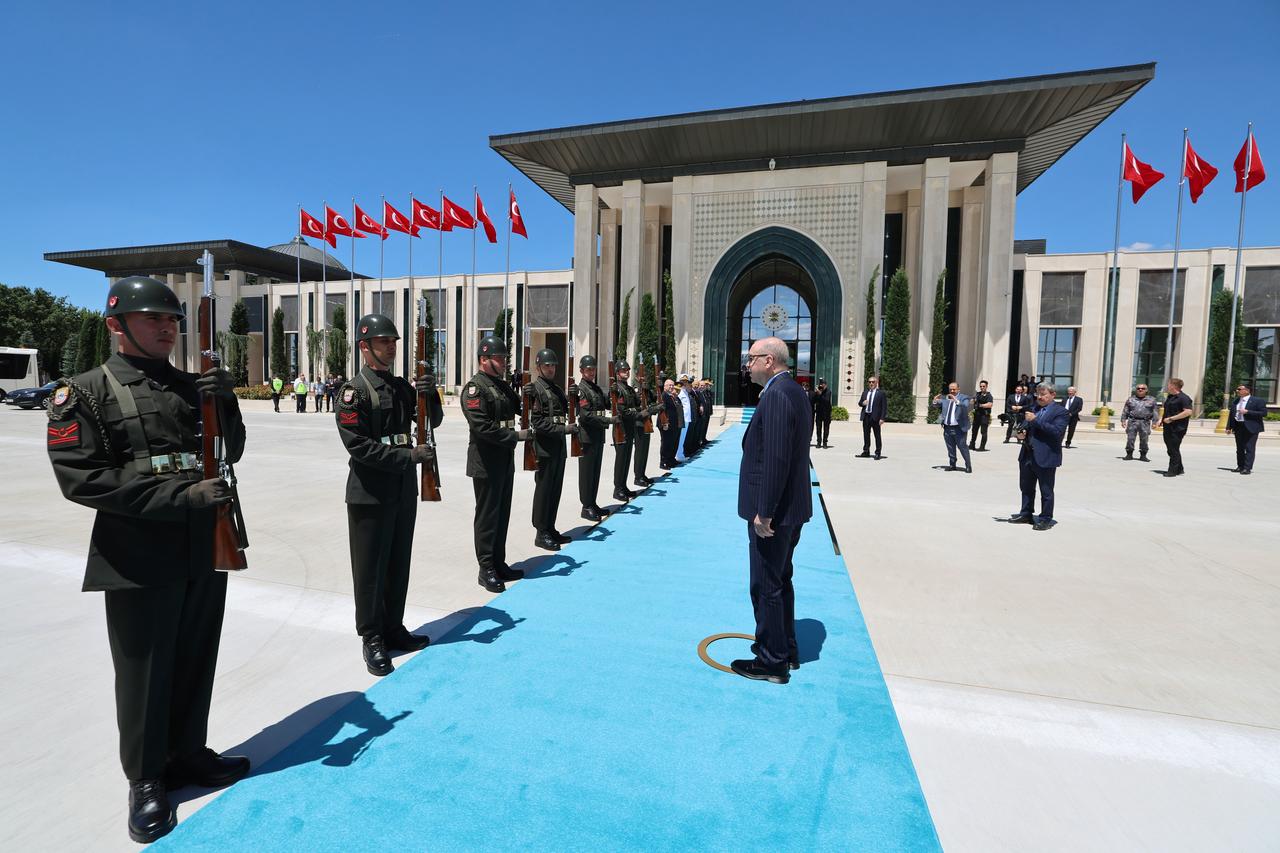
Roads throughout the city's western and southern districts will be closed repeatedly during delegation movements, with some routes sealed entirely. Major shopping centers in those areas may temporarily suspend operations.
Ankara residents should expect frequent route closures throughout the summit period, Sardan reports.
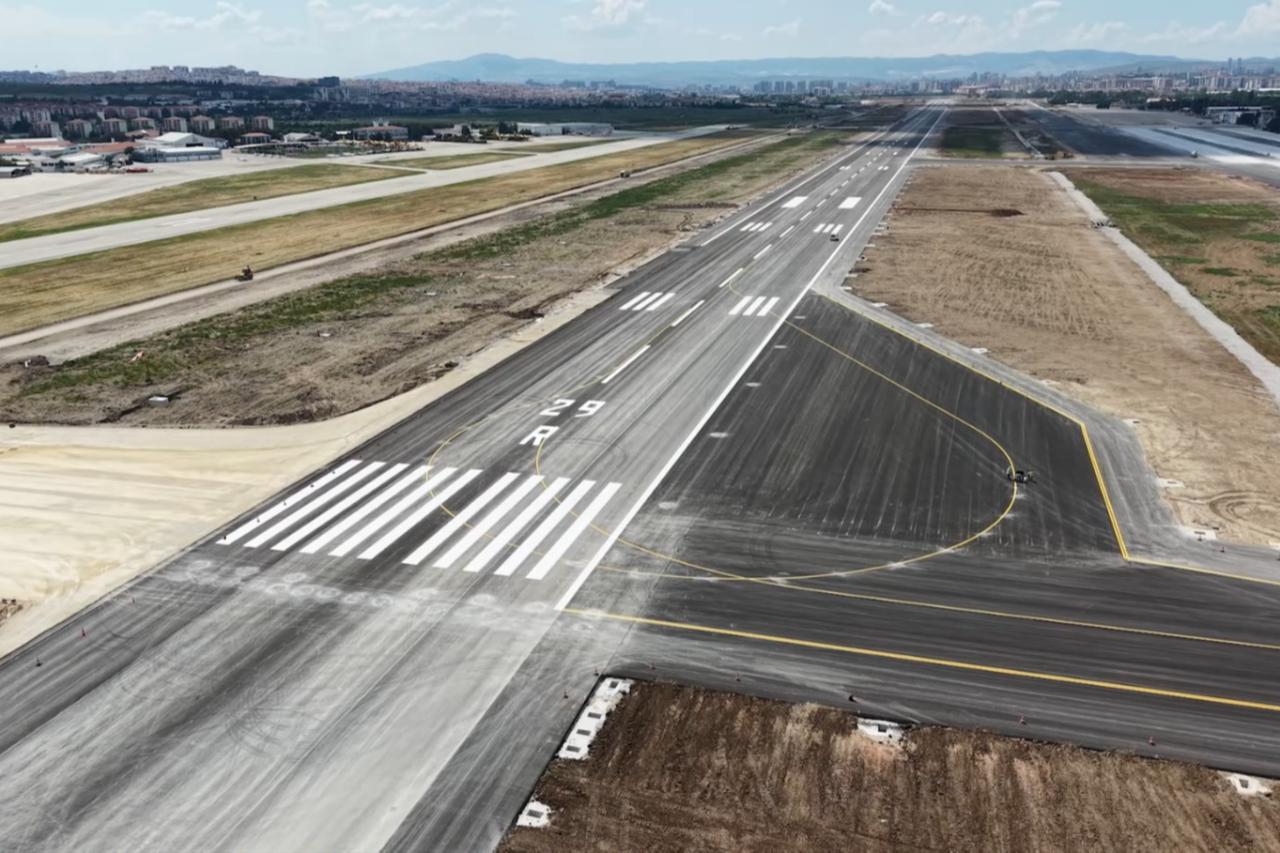
The Etimesgut military airport, which President Recep Tayyip Erdogan formally opened on Monday as the "Ankara Airport" following renovations for the summit, will serve as the primary arrival point for delegations.
The Esenboga civilian airport will remain open, with a full closure previously considered but ruled out due to international civil aviation obligations about pre-sold flight tickets.
The NATO summit takes place against the backdrop of the ongoing Russia-Ukraine war and the framework agreement reached between the United States and Iran to end their conflict and reopen the Strait of Hormuz, giving the July 7-8 Ankara gathering an unusually dense agenda.


 Set as preferred source
 Set as preferred source


 1 min read

 1 min read