Newsletters


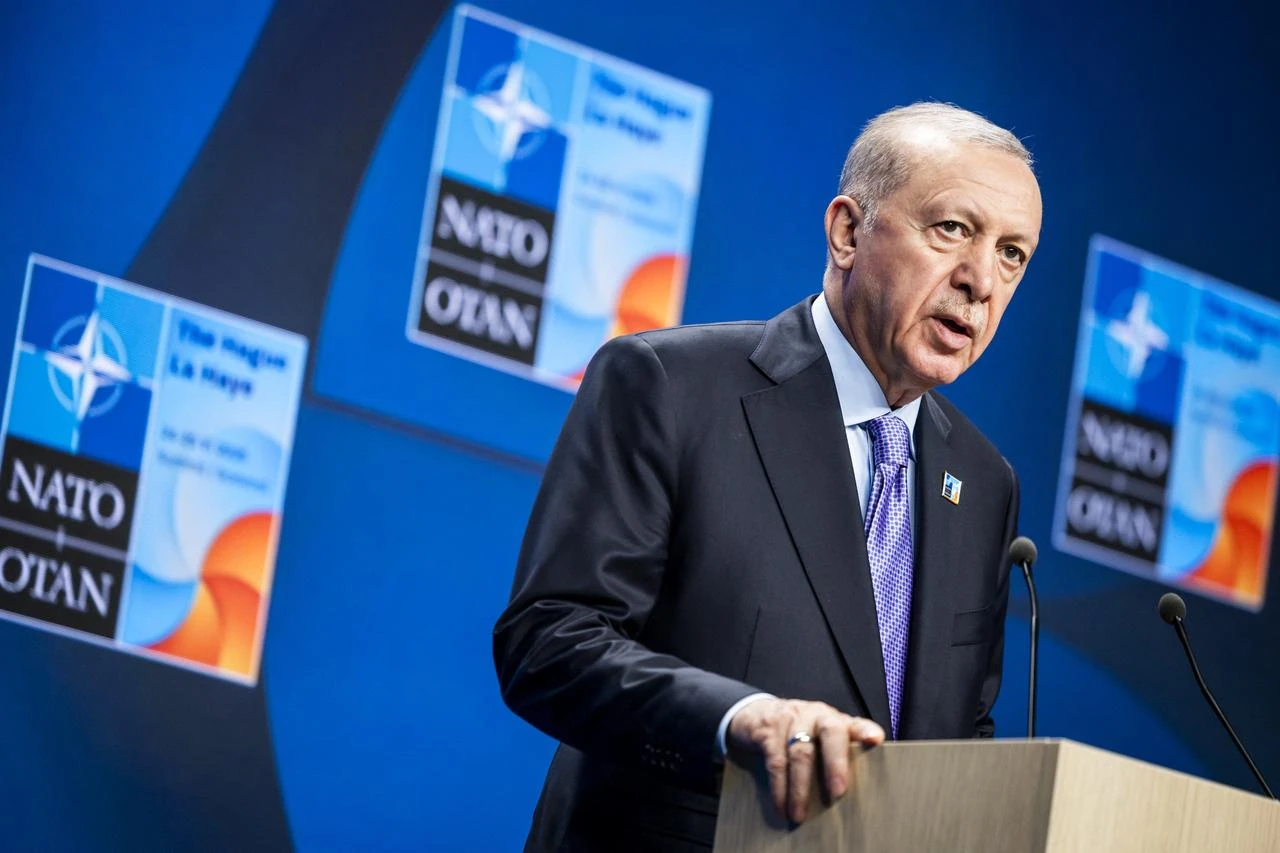


The world’s largest military alliance has been grappling with compounded crises for decades.
The first level of these crises is the growing erosion of trust between the two sides of the Atlantic.
Security and military priorities are increasingly diverging between the United States—NATO’s primary backer and greatest patron—and its European partners.
At the second level, deep divisions have emerged among the European countries themselves in how they perceive and address current threats. These differences became starkly apparent in their conflicting positions toward Russia following the outbreak of the war in Ukraine.
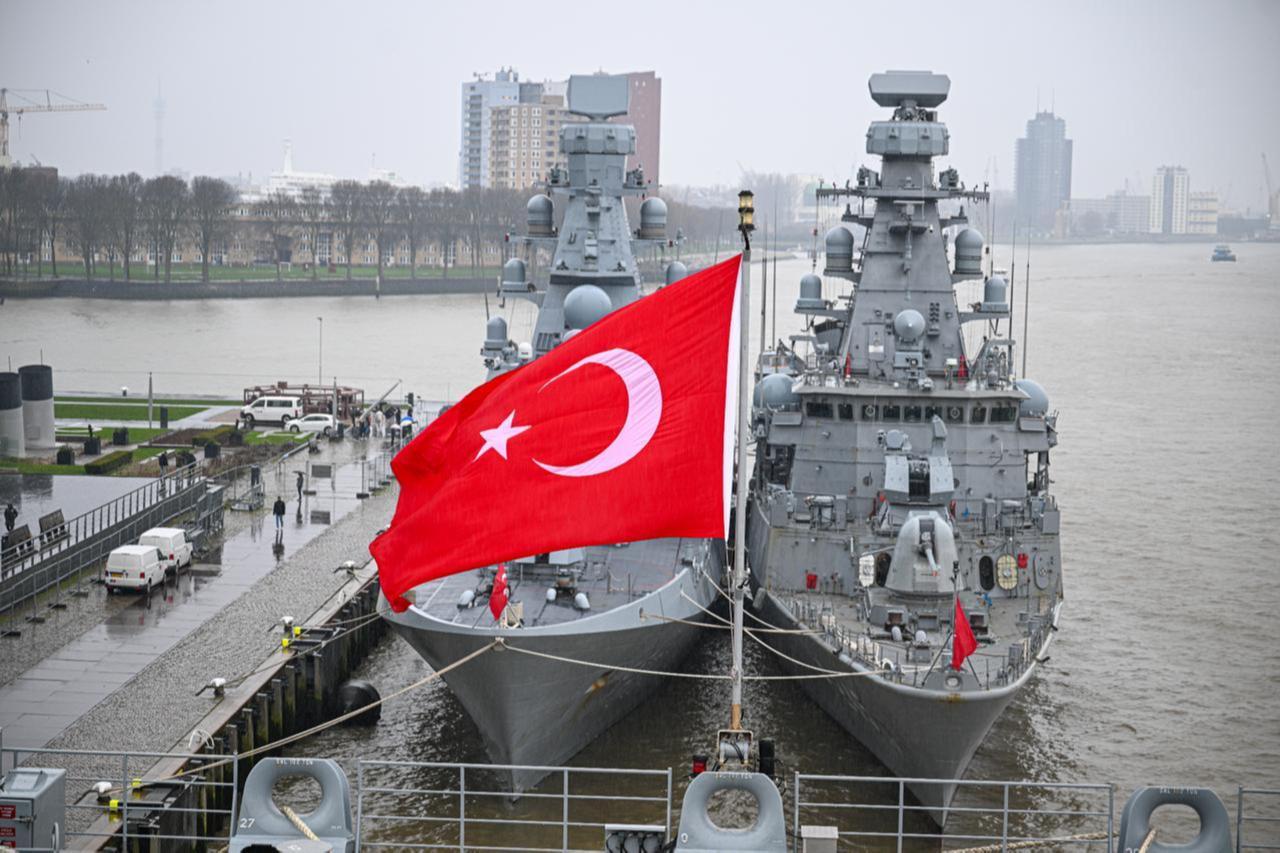
Adding to the complexity is NATO’s unique and often strained relationship with Türkiye, a major military power that the alliance desperately needs. Türkiye represents the most significant pillar of the alliance after the United States in terms of combat readiness and military capability.
Yet, for the past two decades, this relationship has often appeared closer to rivalry and hostility than genuine partnership.
Leading European powers have consistently blocked Türkiye’s European Union membership, refused visa liberalization for Turkish citizens, and frequently interfered in Türkiye’s internal affairs or supported groups hostile to Ankara—including armed terrorist organizations that threaten its security—even while relying on Türkiye as a vital partner.


The war in Ukraine has introduced a new and urgent reality. The conflict is no longer a distant threat; it now lies on Europe’s doorstep. Recent events have shattered the illusion that the continent was insulated from chaos.
European leaders, who long believed that World War II was their last war, had neglected defense spending and military preparedness.
The situation grew even more complicated with Donald Trump’s return to the White House. He has bluntly stated that the United States is no longer obligated to shoulder the burden of European security, particularly as wealthy European nations fail, in his view, to contribute their fair share to NATO’s budget and consistently fall short of the agreed 2% defense spending target.
In response, countries like Germany have begun major shifts in priorities, sharply increasing defense budgets to prepare for potential threats. These moves, however, have sparked unease across Europe, reviving dark historical memories of German military expansion in the early 20th century.
While individual nations pursue their own rearmament programs, others, particularly France, have pushed for a collective European security framework based on a shared destiny. Yet this idea has faced significant obstacles due to differing threat perceptions and priorities.
Some Europeans see Russia as the primary adversary, while others view it as a partner that cannot be alienated.
This has led to proposals for a smaller, more cohesive European security group consisting of like-minded nations.
Anyone familiar with European political culture knows how difficult such projects are. In NATO, all members accepted American leadership. Without Washington, choosing a new leader capable of unifying the alliance under a single vision will be extremely challenging.
In one of its past issues, The Economist captured NATO’s dilemma perfectly with the headline: “Working on the Marriage, Preparing for Divorce.”
This aptly describes the current reality.
European nations, as the weaker partner, must work hard to preserve the transatlantic relationship—often through massive arms purchases from the United States. At the same time, they must seriously prepare for the possibility of a “divorce” and develop independent security options.
Many European observers criticize NATO Secretary-General Mark Rutte for downplaying the seriousness of the crisis and refusing to discuss contingency plans.
Rutte’s optimistic tone ignores clear American signals questioning commitment to Article 5, troop withdrawals from Europe, delays in arms deliveries, and controversial statements such as the idea of annexing Greenland.
One explanation for Rutte’s position is his desire to avoid provoking the current U.S. administration, especially amid tensions over European support in the confrontation with Iran.

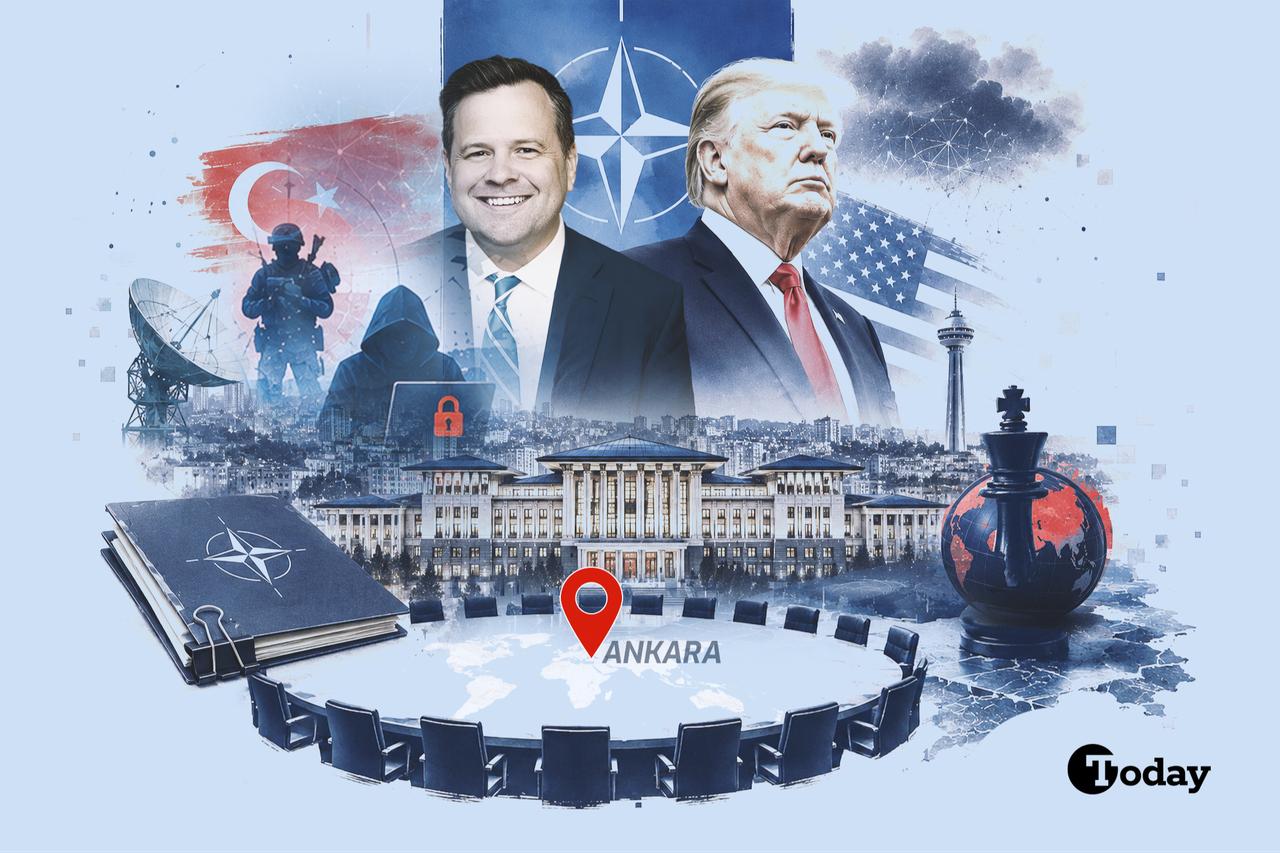
Amid all these challenges, attention is turning to Ankara, which will host the next NATO summit next month.
Many hope that Türkiye, with its proven diplomatic skills and President Recep Tayyip Erdogan’s strong personal relationship with President Trump, can play a pivotal role in stabilizing the alliance and preventing its collapse.
Türkiye has a clear strategic interest in preserving NATO. The alliance provides Ankara with vital international standing and influence, especially at a time when its path to EU membership remains blocked.
The upcoming summit in Ankara will be decisive.
It must deliver a clear commitment to the alliance’s future and unified positions on major issues, particularly the wars in Ukraine and Iran. Success will require skillful diplomacy—a task for which Türkiye is well-positioned.


 Set as preferred source
 Set as preferred source


 2 min read
 1 min read