Newsletters


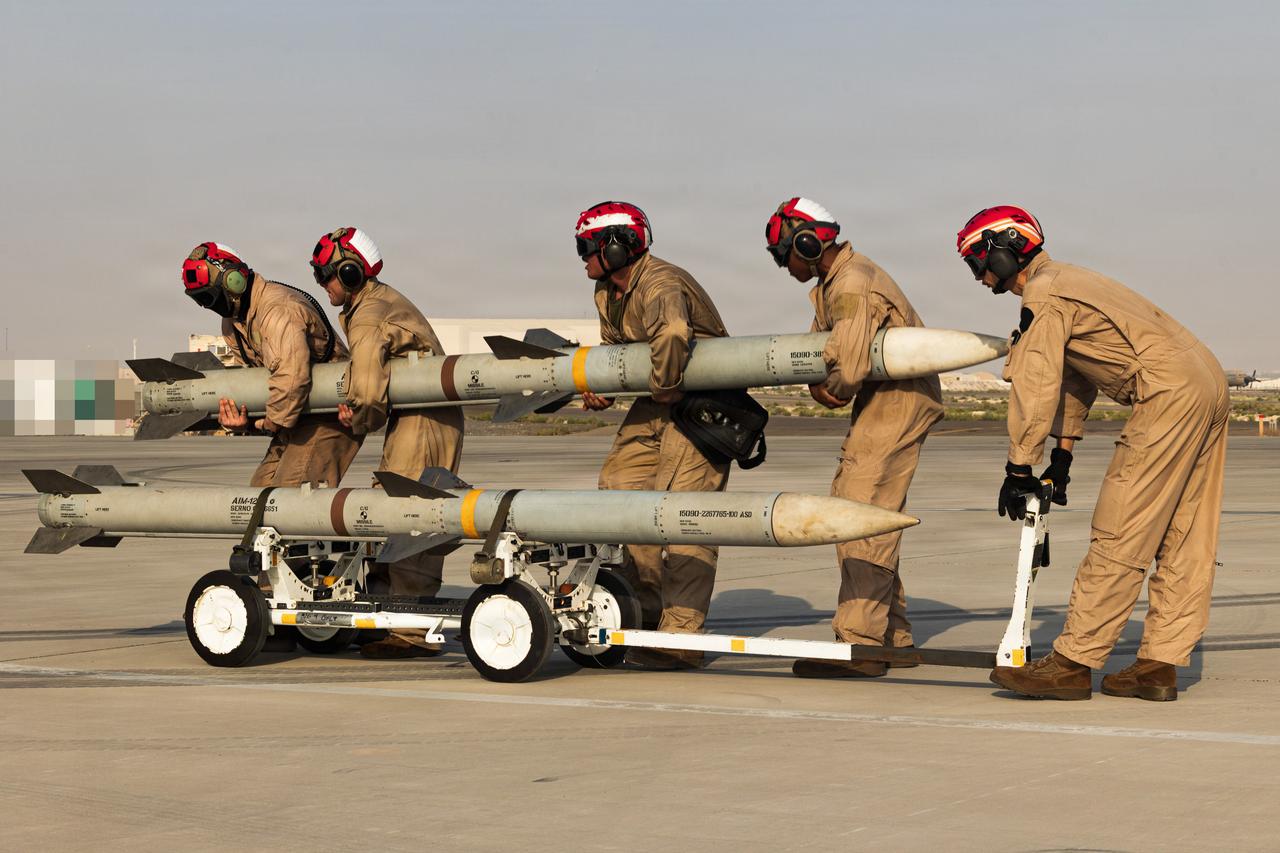


U.S. President Donald Trump is expected to hold a contentious meeting with leaders of approximately seven defense companies at the White House to press them on accelerating munitions production, as concerns grow inside the Pentagon over dwindling missile stockpiles depleted by the war with Iran.
Meanwhile, Lockheed Martin separately warned it cannot tell U.S. allies when they will receive Patriot interceptors, even as production is being tripled.
The U.S. has used over 1,000 Tomahawk missiles in the Iran war alone, out of an estimated pre-war stock of 3,100, and has signed no new multiyear contracts to replenish supplies since Trump took office.
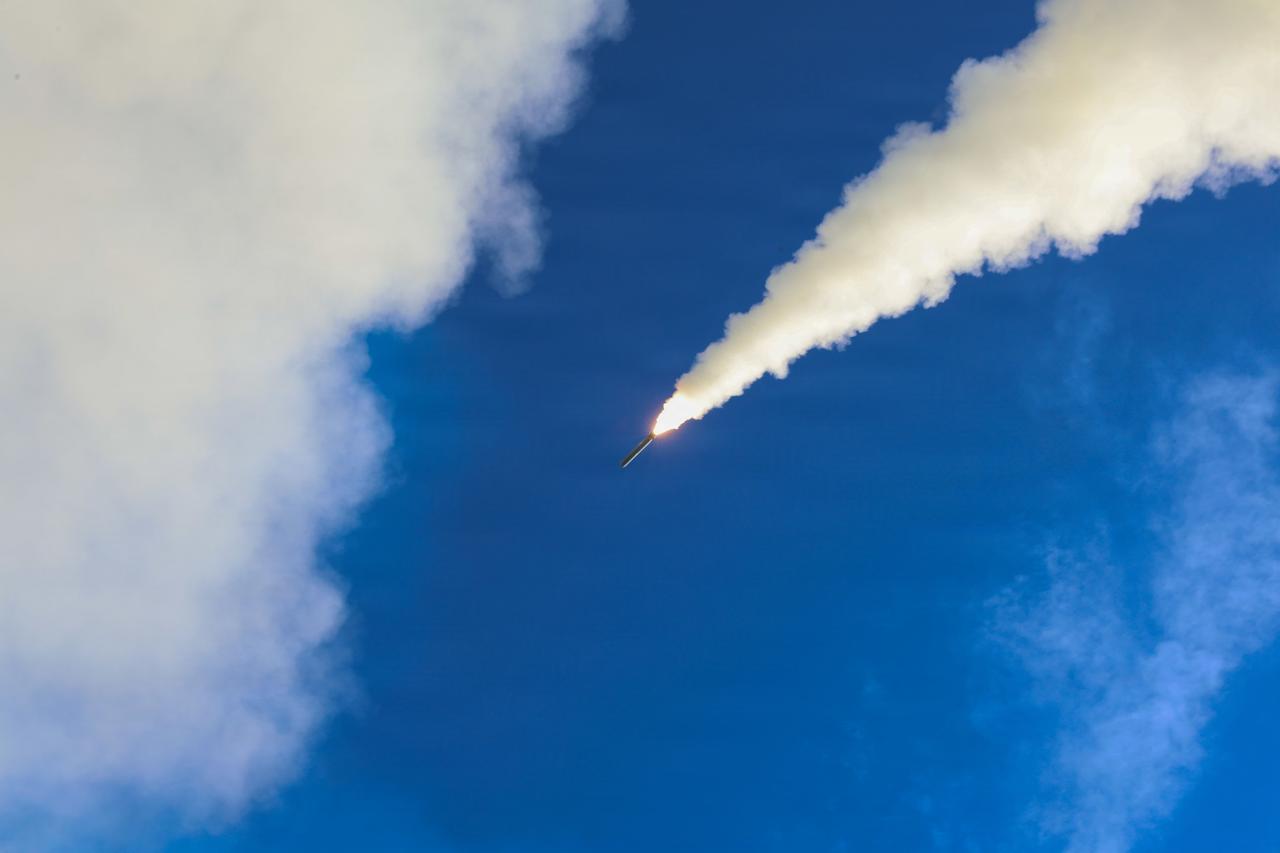

Defense industry leaders have been preparing for the White House meeting after Trump expressed anger to aides and allies over the thinning American stockpiles, according to people familiar with plans who spoke to NBC News.
Deputy Defense Secretary Stephen Feinberg is also expected to attend.
One person familiar with the planned meeting said they anticipated it would be "ugly," in part because of Trump's frustrations. A White House official said there was no such meeting on the president's schedule "at this time," and it remained possible the meeting could be rescheduled or canceled.
Pentagon spokesman Sean Parnell said in a statement: "America's military is the most powerful in the world and has everything it needs to execute at the time and place of the President's choosing."
White House spokeswoman Anna Kelly said the U.S. military had more than enough munitions "to serve all of President Trump's strategic goals and beyond," but added that the President has urged our defense contractors to "constantly produce more made-in-America weapons."

Despite widespread concern over a dwindling missile supply, the Pentagon had yet to sign any new multiyear contracts to purchase additional munitions since Trump took office, NBC News reported. While framework agreements on weaponry had been reached, none included actual contracts to produce new munitions, according to officials and representatives of defense firms.
Most current production is fulfilling contracts signed years ago.
The stockpile has been depleting since the U.S. began providing military aid to Ukraine in 2022, and accelerated sharply through Operation Midnight Hammer last June and Operation Epic Fury, the U.S.-Israeli war on Iran that began February 28.
To sustain the Iran campaign, the Pentagon has drawn down missile stocks stored in Europe and Asia.
Capitol Hill officials and outside experts estimate the Pentagon needs an additional $20 billion to begin producing enough missiles to return to pre-Ukraine war stockpile levels, the report said.
The Center for Strategic and International Studies (CSIS) found the U.S. had used approximately 1,000 or more of its estimated pre-war supply of 3,100 Tomahawks. Even if new contracts were signed today, CSIS estimated production of replacement Tomahawks could take more than three years.
The House Appropriations Committee unveiled a proposed defense spending bill exceeding $1 trillion, with munitions production as a key focus.
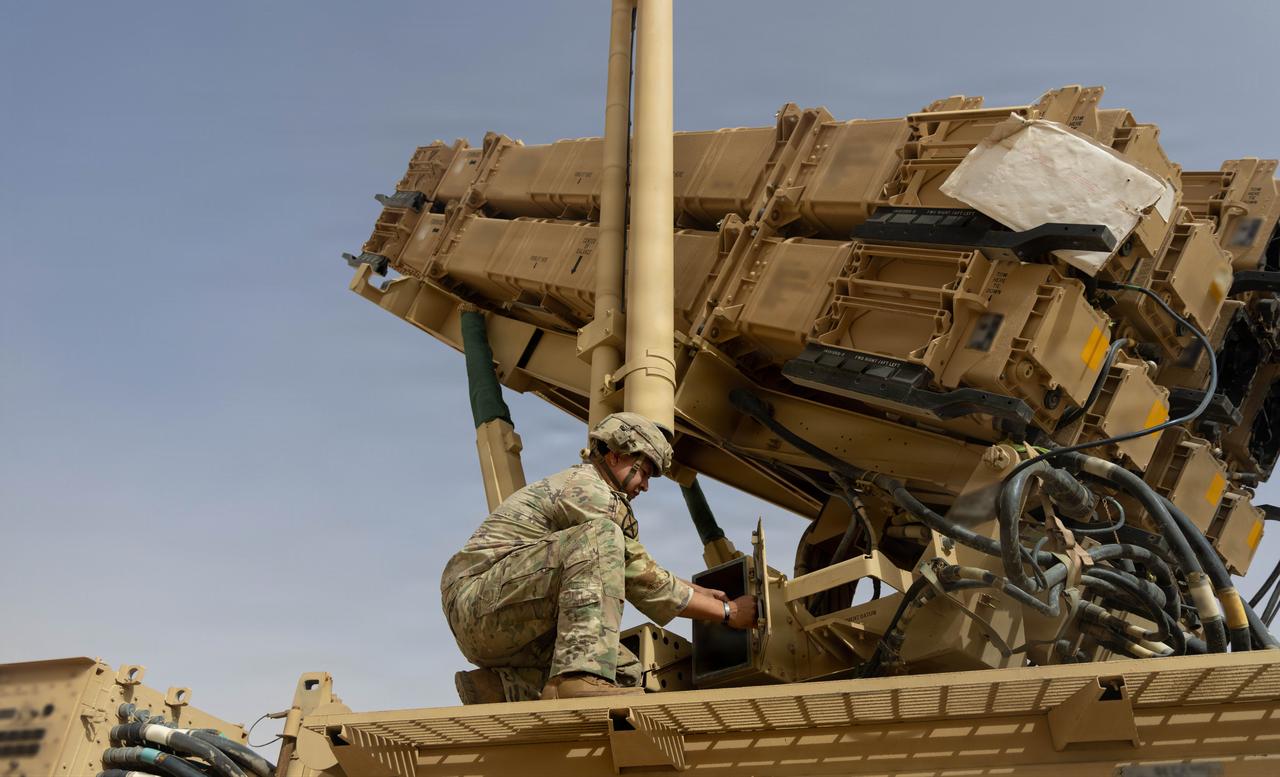
Lockheed Martin's vice president for strategy and business development, Brian Dunn, told journalists at the ILA Berlin Air Show that the company could not give U.S. allies any certainty over the timing of Patriot PAC-3 interceptor deliveries, even as it works to expand production from 650 missiles per year to 2,000 by 2030 under a $4.7 billion Pentagon deal, according to a Financial Times (FT) report.
"We do not control what the allocation of those missiles is going to be. We can't tell anybody where you're going to be on that priority list," Dunn said.
"Obviously, there's a lot of rhetoric coming right now from the Department of War about how they're going to reorder, reorganize, who's going to get missiles first. We don't control any of that," he added.
U.S. allies, including Germany, Japan, Poland, the UAE and Saudi Arabia operate the Patriot system and are seeking deliveries.
The Iran war has compounded the challenge.
The FT reported last month that Washington had warned European allies, including the U.K., Poland, Lithuania and Estonia, to expect long delivery delays as the U.S. rushed to replenish its own depleted stocks.
Lockheed's senior executive, Paula Hartley, acknowledged growing skepticism from foreign customers. "They get frustrated that sometimes there are delays and unavailability of products, and sometimes there are frustrations with the government," she said.
"I appreciate the frustration. We just continue to slog through to make sure that we can deliver on commitments," she added.


 Set as preferred source
 Set as preferred source



 4 min read