

 Newsletters


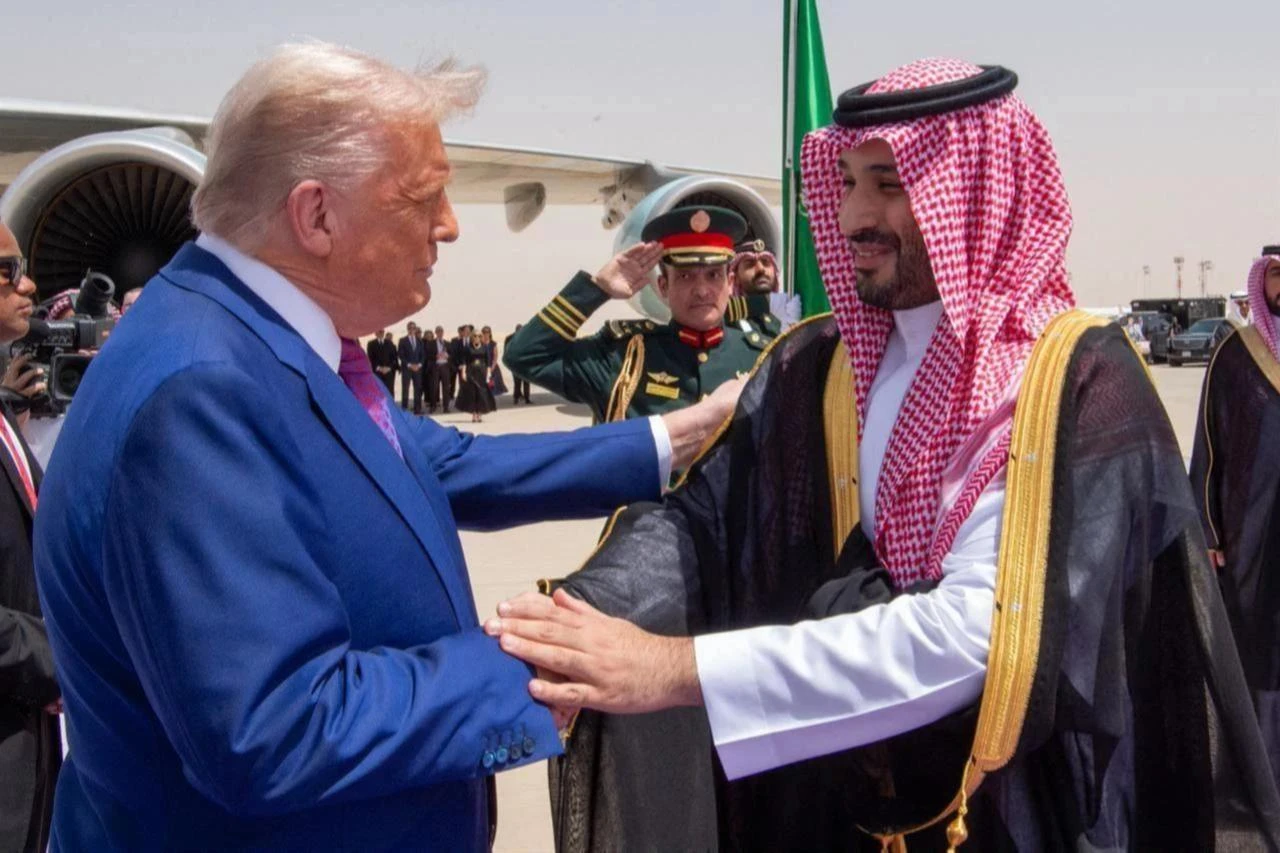


President Donald Trump imposed new conditions on a U.S.-Saudi civilian nuclear agreement less than 24 hours after it was signed, saying the deal would only be approved if Saudi Arabia joined the Abraham Accords and insisting it would not permit uranium enrichment.
The intervention came Thursday morning after U.S. Energy Secretary Chris Wright and Saudi Energy Minister Prince Abdulaziz bin Salman signed the agreement Wednesday following more than a year of negotiations.
Officials had gathered at the Energy Department’s Washington headquarters for the signing, with American and Saudi flags displayed and Prince Abdulaziz joining by video from Riyadh.
The agreement calls for American companies to help Saudi Arabia develop its civilian nuclear energy program.
However, Trump said on Truth Social that the deal was “totally subject” to Saudi Arabia normalizing relations with Israel through the Abraham Accords, an initiative launched during his first administration.
“There will be no enrichment of material,” Trump added.
The new requirement was not included in Wednesday’s announcement, and there was no indication that the signed agreement formally linked nuclear cooperation to Saudi-Israeli normalization, Axios reported.
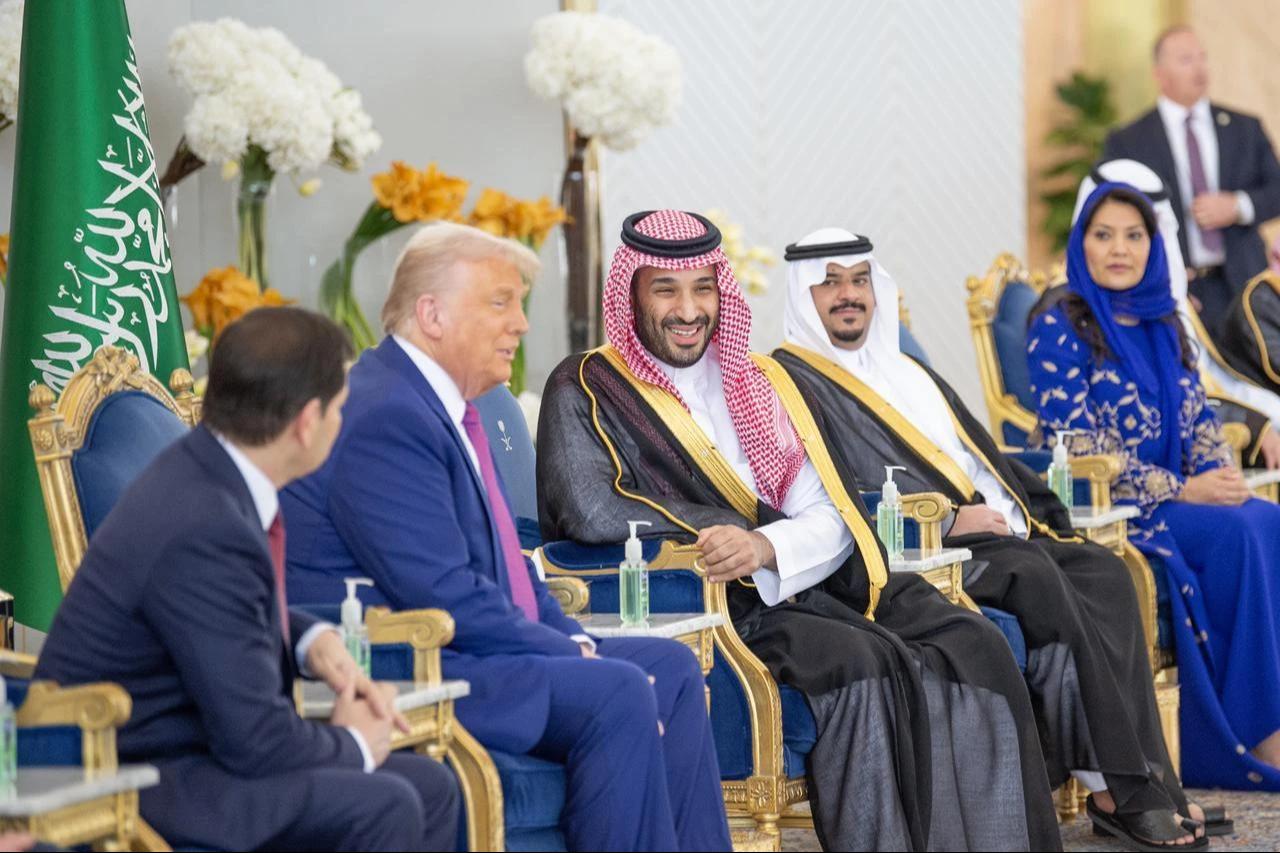

Trump was already angry that Wright had unveiled the agreement without telling him it would be announced, a source familiar with the matter reportedly told CNN.
White House officials said they had asked the Energy Department not to announce the agreement Wednesday, but the department proceeded with the signing ceremony and a media rollout that included an interview by Wright on Fox Business, according to CNN.
Some Trump aides did not consider the agreement finalized because letters required to be sent to Congress had not yet been delivered.
One source said Trump may have approved a tentative arrangement but had not authorized officials to finalize or publicly announce it.
The president and several senior White House officials were angered by the rollout, CNN reported.
White House press secretary Karoline Leavitt later described Trump as the “final dealmaker” when asked why the new condition had not been included in Wednesday’s announcement.
White House spokesperson Taylor Rogers said Trump’s energy team was fully aligned and maintained that the civilian nuclear agreement had always depended on Saudi Arabia joining the Abraham Accords.
“President Trump’s energy team is fully aligned, and always has been,” Rogers said in a statement provided to CNN.
The Energy Department rejected suggestions that it had acted without White House coordination.
“This is fake news,” department press secretary Ben Dietderich said.
Dietderich said the Energy Department had coordinated the negotiations and announcement with the White House and State Department. He said the nuclear agreement and the Abraham Accords both aimed to deliver lasting peace through commerce rather than conflict.
The Abraham Accords condition surprised members of the administration’s nuclear negotiating team, two people briefed on the matter told CNN.
Trump’s Truth Social announcement also blindsided Saudi officials, according to CNN. The agreement, which had not required normalization with Israel, had been viewed by Riyadh as a major achievement.
Leavitt said Trump had raised the issue with Saudi Crown Prince Mohammed bin Salman in previous conversations.
“Yes, this deal with Saudi Arabia, this energy deal, is contingent on this condition as far as the president is concerned,” she said, according to Axios.
Leavitt said the administration would continue discussions with Saudi officials to finalize the agreement and encourage the kingdom to join the Abraham Accords.
She said Trump had not spoken with the crown prince in the hours immediately before or after announcing the new conditions.
Saudi Arabia has said it will not normalize relations with Israel unless the Israeli government agrees to an “irreversible and time-bound path” toward a Palestinian state.
Prince Mohammed has also said the kingdom cannot establish diplomatic ties with Israel without a viable pathway to Palestinian statehood.
Trump’s frustration intensified after experts and conservative media outlets criticized the agreement, according to sources cited by CNN.
The criticism included coverage on Fox News and an editorial in The Wall Street Journal questioning why the agreement had been completed without requiring Saudi normalization with Israel.
The Journal noted that the Biden administration had offered nuclear cooperation as part of a broader agreement that would have required Saudi Arabia to join the Abraham Accords.
Fox News host Brian Kilmeade called the deal “a bit of a surprise” and noted that the Biden administration had considered a similar arrangement but tied it to normalization.
Former Trump White House press secretary and Fox host Kayleigh McEnany also questioned whether Saudi-Israeli normalization had been excluded.
Trump announced the new condition at 7:52 a.m. Thursday, minutes after the Fox News discussion, CNN reported.
People familiar with the matter said the conservative media coverage influenced Trump’s decision to block the agreement in its announced form.
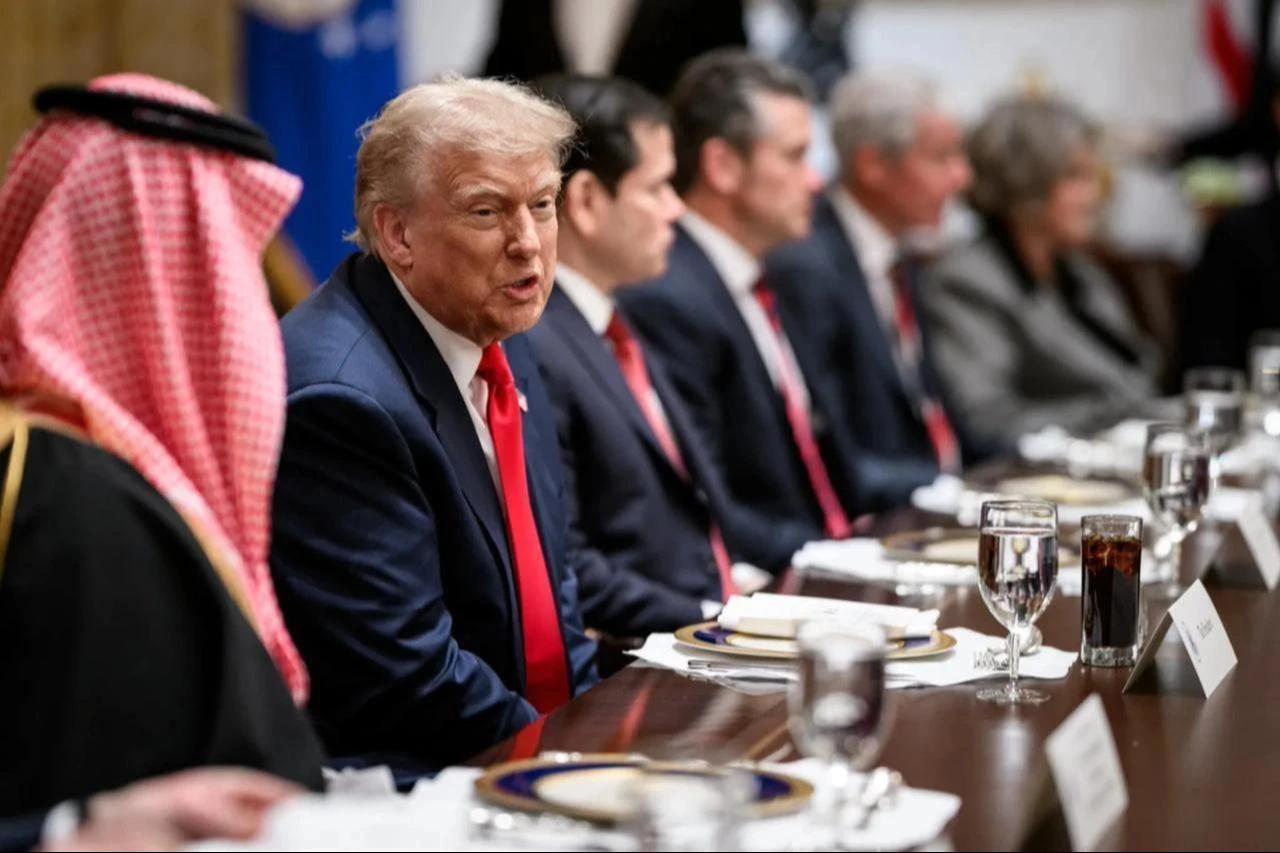
Trump’s statement that the agreement would not permit uranium enrichment responded to one of the main criticisms surrounding the deal.
However, The Wall Street Journal reported that the agreement included a joint U.S.-Saudi study on possible future uranium enrichment in Saudi Arabia.
CNN reported that the agreement would permit enrichment on Saudi territory once certain conditions were met and would limit the ability of the International Atomic Energy Agency to inspect suspected undeclared nuclear sites.
The agreement does not require Saudi Arabia to sign the IAEA’s Additional Protocol, which allows broader inspections, including snap access to suspected sites.
The Trump administration submitted a waiver report to Congress because the agreement did not require Saudi Arabia to adopt the protocol.
The Energy Department said the deal includes a bilateral U.S.-Saudi safeguards agreement designed to prevent Saudi Arabia from using its nuclear program for nonpeaceful purposes.
“Rest assured, these agreements uphold the highest standards of nuclear safety and nonproliferation,” Wright said.
The IAEA said it had been notified of plans to ask the agency to carry out verification measures connected to the bilateral agreement.
The agency said it looked forward to receiving the request and working with the United States and Saudi Arabia to implement the measures. It also said Saudi Arabia should sign a safeguards agreement with the IAEA.
Nuclear nonproliferation experts raised concerns about the possible enrichment provision and the absence of the Additional Protocol.
Supporters emphasized the agreement’s commercial and strategic value, arguing that Saudi Arabia intends to pursue a nuclear program and that U.S. involvement would give Washington influence over its safety and nonproliferation practices.
They also argued that China or Russia could become Saudi Arabia’s nuclear partner if the United States did not participate.
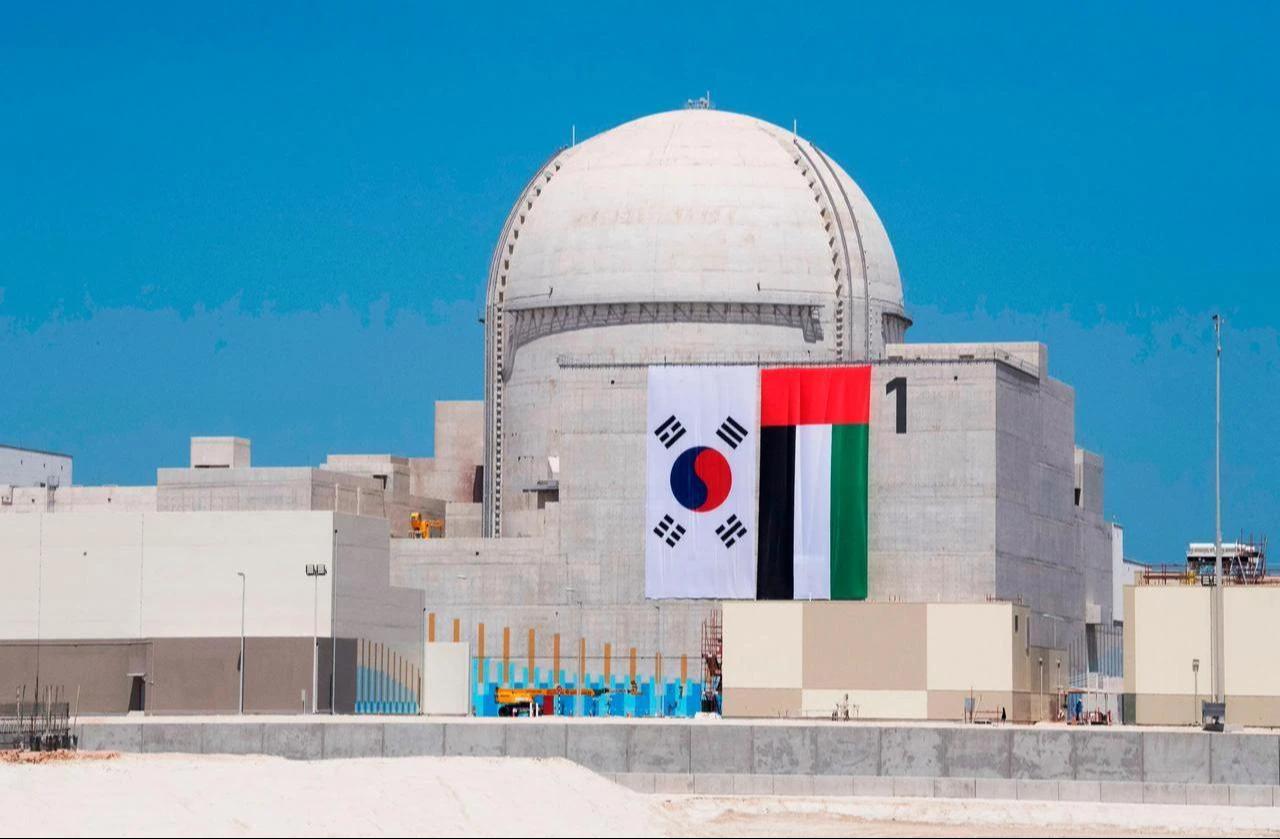
The United States and Saudi Arabia first announced their intention to cooperate on nuclear energy nearly two decades ago.
The countries reached a tentative agreement in October, when Wright and his Saudi counterpart issued a joint statement.
The agreement then remained delayed for months without Trump’s approval, CNN previously reported.
Sources attributed the delay to concerns over the Iran war and fears that Congress might reject the arrangement.
Energy Department officials believed they received Trump’s approval late last week and began their planned media rollout, according to a source familiar with the matter.
The Wall Street Journal first reported the agreement’s approval Tuesday evening.
The Energy Department proceeded with the formal signing Wednesday despite early negative reactions from nonproliferation experts.
Following Trump’s intervention, some people close to the administration suspected Israeli Prime Minister Benjamin Netanyahu had made a late effort to influence the agreement, CNN reported.
Two Israeli sources reportedly told CNN that Netanyahu wanted to shape the deal. One said he intended to press Trump to include Saudi normalization with Israel, or at least progress toward it, as a condition.
The White House said Trump and Netanyahu had not spoken before the announcement.
“Not to my knowledge,” Leavitt told reporters.
Netanyahu later said Saudi Arabia joining the Abraham Accords would be an “historic leap forward” for peace in the Middle East.
“As President Trump has said, Saudi Arabia’s joining of the Abraham Accords would be an historic leap forward for peace in the Middle East. Peace through strength,” Netanyahu said.
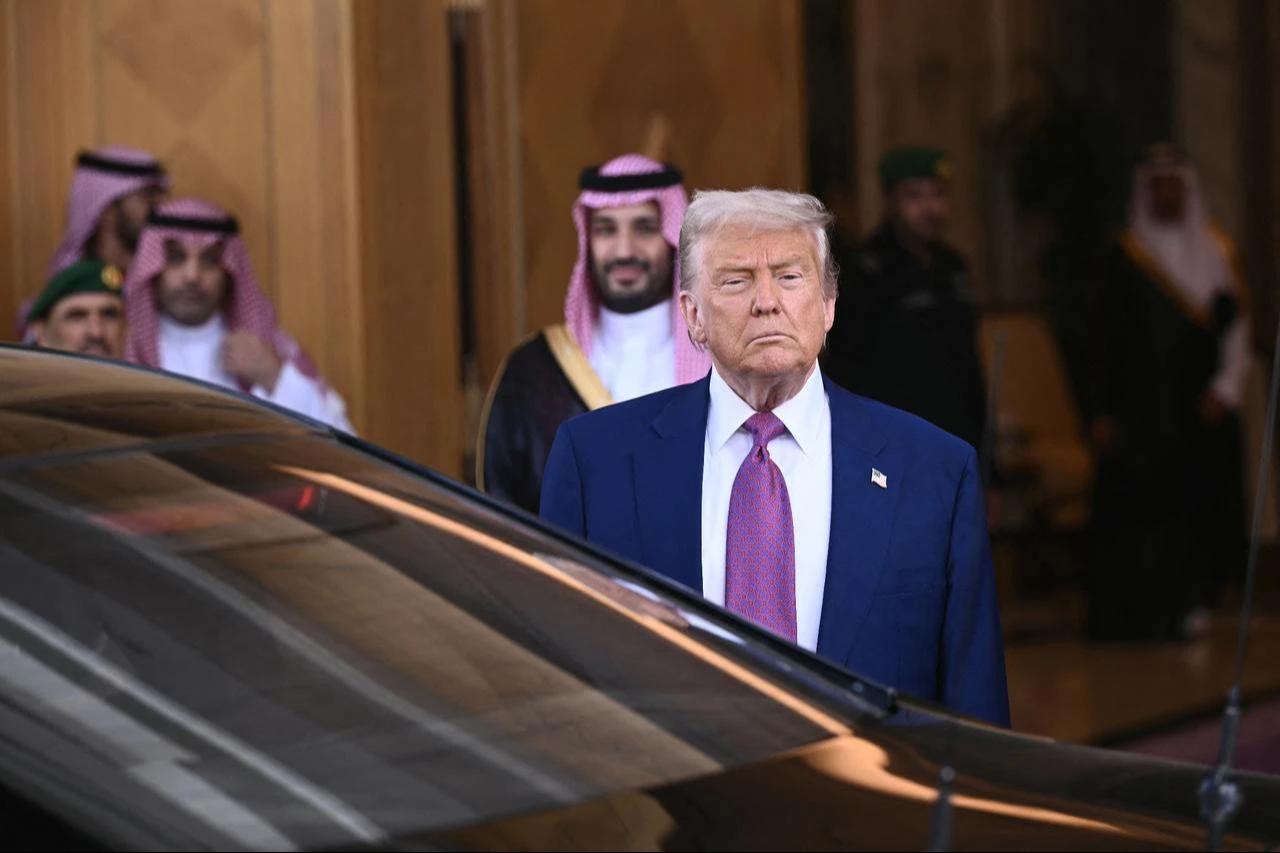
The nuclear negotiations began under the Biden administration as part of a wider arrangement that included a U.S.-Saudi defense treaty and required Saudi Arabia to normalize relations with Israel.
Biden administration officials held intensive discussions with Saudi officials over the terms of a civilian nuclear agreement that would accompany normalization.
The Oct. 7, 2023, Hamas attacks in Israel halted the process.
Israel’s military response, which was widely viewed as disproportionate in the Arab world, later led Biden administration negotiators to pursue a reduced agreement, according to a source cited by CNN.
No agreement was reached.
The nuclear arrangement signed Wednesday was completed separately from any Saudi-Israeli normalization deal.
Critics said the United States had surrendered leverage that could have been used to push Saudi Arabia toward establishing diplomatic relations with Israel.


 Set as preferred source
 Set as preferred source


 2 min read
 1 min read


