Newsletters




U.S. President Donald Trump has privately told aides he would only consider ending the ceasefire with Iran if Tehran kills American troops.
He added that he is prepared to absorb weeks or months of smaller strikes to avoid returning to full-scale war, the Wall Street Journal reported, citing U.S. officials.
The House of Representatives passed a symbolic measure directing Trump to end the conflict.
The House voted 215-208 to approve a war powers resolution introduced by Rep. Gregory Meeks of New York, the top Democrat on the Foreign Affairs Committee, with four Republicans crossing the aisle: Brian Fitzpatrick of Pennsylvania, Thomas Massie of Kentucky, Tom Barrett of Michigan, and Warren Davidson of Ohio.
The measure directs Trump to remove U.S. armed forces from Iran hostilities unless Congress declares war or authorizes military force, but carries no legal teeth of its own and can be vetoed.

The political debate in Washington is playing out against a backdrop that strains the word "ceasefire."
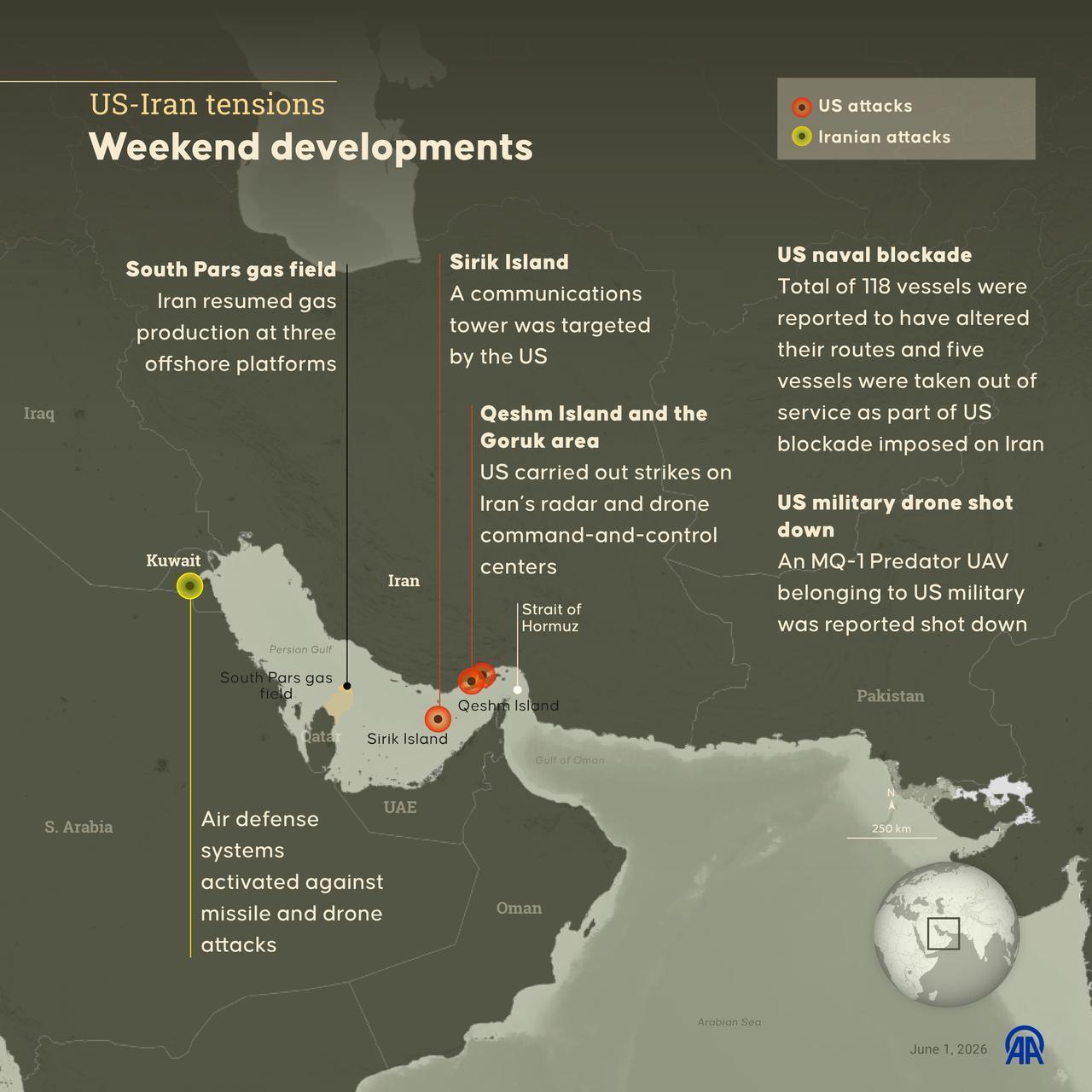
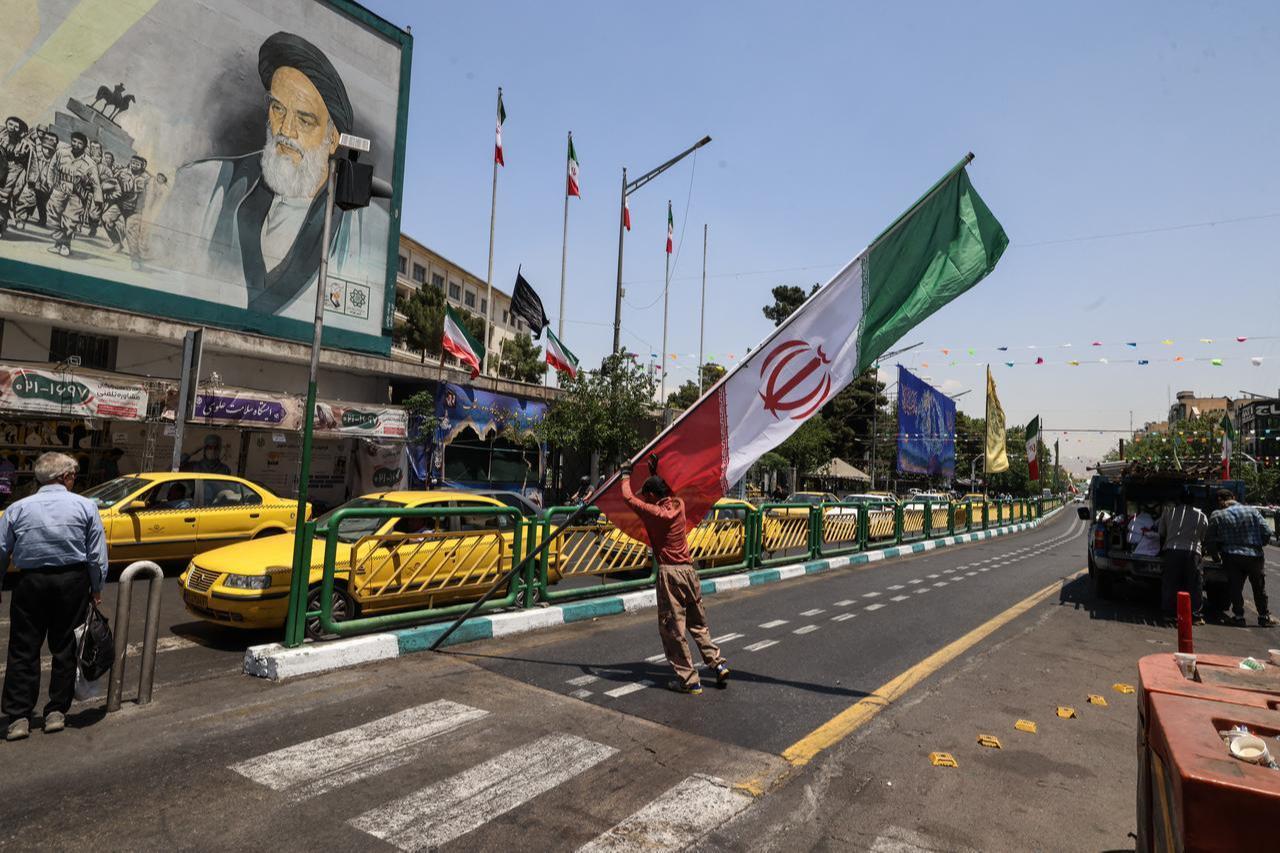
U.S. and Iranian forces have engaged in some of the most intense fighting since the April truce this week, with Iran firing missiles and drones at regional U.S. bases and Kuwait's international airport in attacks that left one person dead.
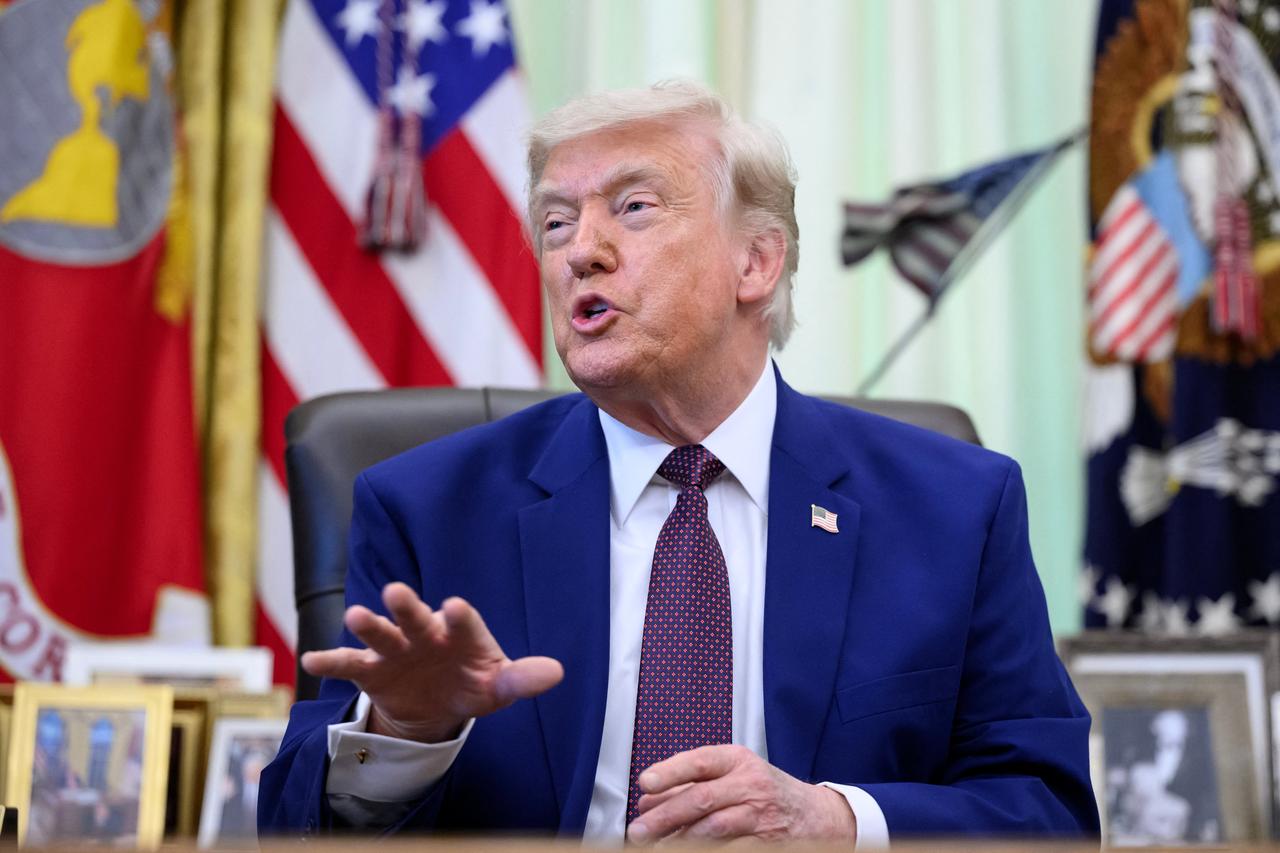
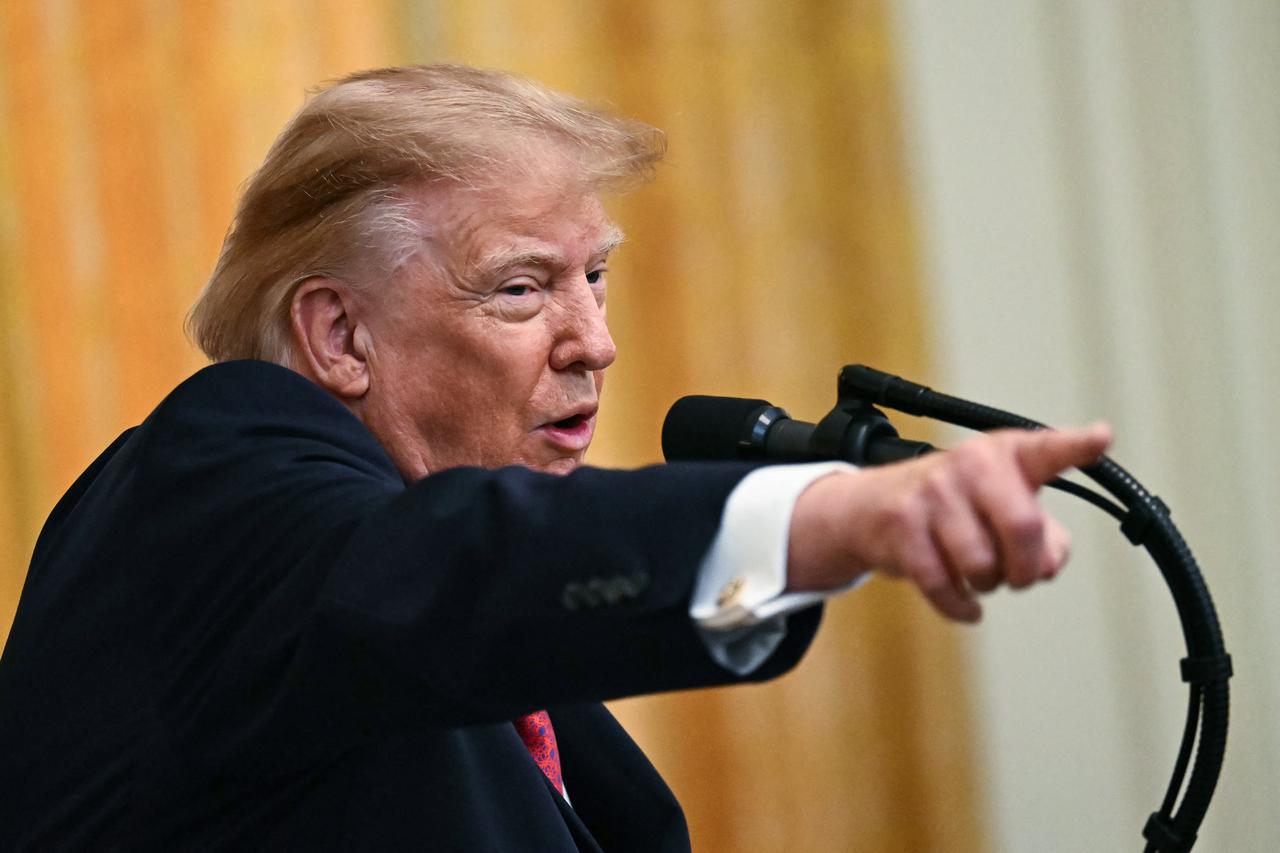
Trump offered his own framing of the situation at the Oval Office on Wednesday. "In that part of the world, ceasefire is when you're shooting in a more moderate manner," he said.
Asked about the tit-for-tat exchange, he added: "It takes two to tango. We hit them very hard on something else, and so they were responding."
U.S. Secretary of State Marco Rubio described the strikes as inherently reactive at a House hearing.
"They are happening in response to an Iranian action. If they don't shoot at those ships, we don't shoot, but we have to respond," Rubio said.
U.S. officials told the WSJ that the repeated exchanges were nonetheless ratcheting up pressure on the president and casting doubt over the ceasefire's durability.
Trump has repeatedly described himself as close to a peace agreement with Iran in recent weeks. The reality, according to the WSJ, is more tangled. He rejected Iran's latest proposal last Friday, telling aides that Tehran needed to make serious concessions up front rather than over an extended period, and that Iran should not receive any benefits until it had done so.
Iran has taken the opposite position: it will negotiate its nuclear program only after the U.S. unfreezes its assets or provides some comparable financial benefit.
Tehran also wants an end to the Israel-Hezbollah conflict as a prerequisite, a linkage that has complicated negotiations each time Israeli strikes escalated in Lebanon.
A senior U.S. official described the likely contours of a minimal framework deal: the U.S. ends the war by reopening the Strait of Hormuz and lifting the blockade, Iran pledges to dispose of its highly enriched uranium without specifying when or how and there is no Iranian commitment to suspend enrichment for a set period. That would fall far short of Trump's stated goals.
Asked in a New York Post interview whether the U.S. blockade could last until Labor Day, Trump said it was unlikely, though still possible.
He has said he is "in no rush" to finalize any agreement, while also claiming one is nearly complete. The start-stop quality of the negotiations has, by his own admission, grown tiresome. Analysts put it more starkly.
"He does seem stuck," said Steven Cook, a senior fellow for the Middle East at the Council on Foreign Relations.
"The Iranians are demonstrating that they are willing to endure pain and thus haven't capitulated. That leaves the president in a bad situation," he said, speaking to WSJ.
Speaking to WSJ, Suzanne Maloney, an Iran expert and vice president for foreign-policy studies at the Brookings Institution, offered a sharper verdict.
"The Iran war seems to be the first mess created by the administration's predilection for hard power, high-stakes gambits that the president can't either ignore or extricate us from," she said.
The war powers resolution that passed was the fourth Democratic attempt to rein in Trump's Iran war. Three previous votes failed, the most recent ending in a 212-212 tie. That the latest effort succeeded, by a margin of seven votes, signaled a gradual erosion of Republican support.
Meeks called it "a significant bipartisan rebuke" of what he described as Trump's "illegal and costly war" and said the conflict had "failed to accomplish the Trump administration's stated goals with respect to Iran."
He argued the war had undermined U.S. credibility at the negotiating table while allowing Iran to demonstrate leverage over the Strait of Hormuz.
House Foreign Affairs Committee Chairman Brian Mast pushed back. "Just a total BS vote," he said, arguing there was no substantive content behind the Democratic push. "That weakens the president's hands as he's negotiating with Iran."
Speaker Mike Johnson also opposed the resolution. A White House official noted that Republican absences contributed to the outcome and pointed to the failure of earlier efforts as a better reflection of the House's actual posture.
The resolution now moves to the Senate, which passed its own version last month but has yet to hold a final vote. The Senate version carries enforcement mechanisms, but would need to pass the House and could be vetoed by Trump.
In the same vote series, the House voted 218-204 to advance Ukraine aid legislation through a discharge petition, bypassing Republican leadership and setting up a final vote Thursday.


 Set as preferred source
 Set as preferred source


 4 min read