Newsletters


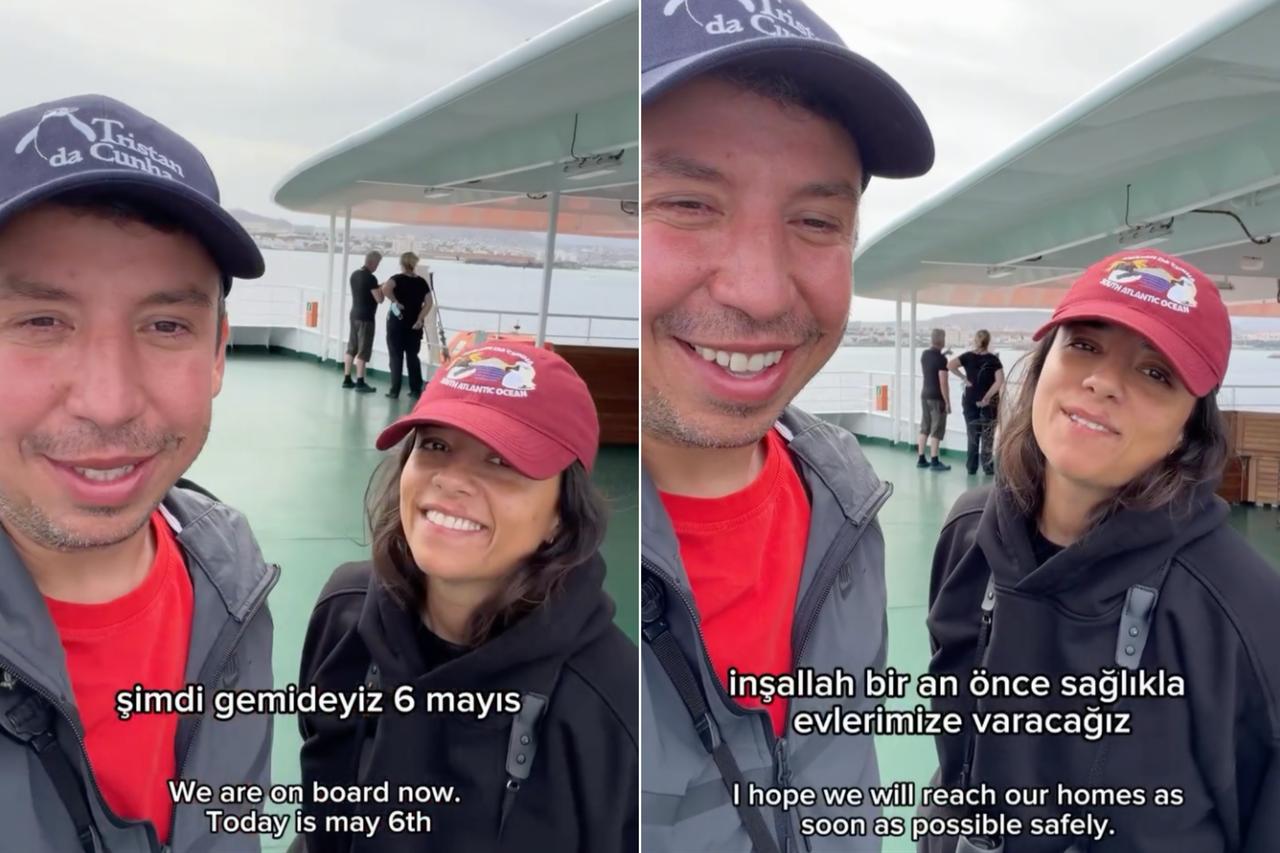


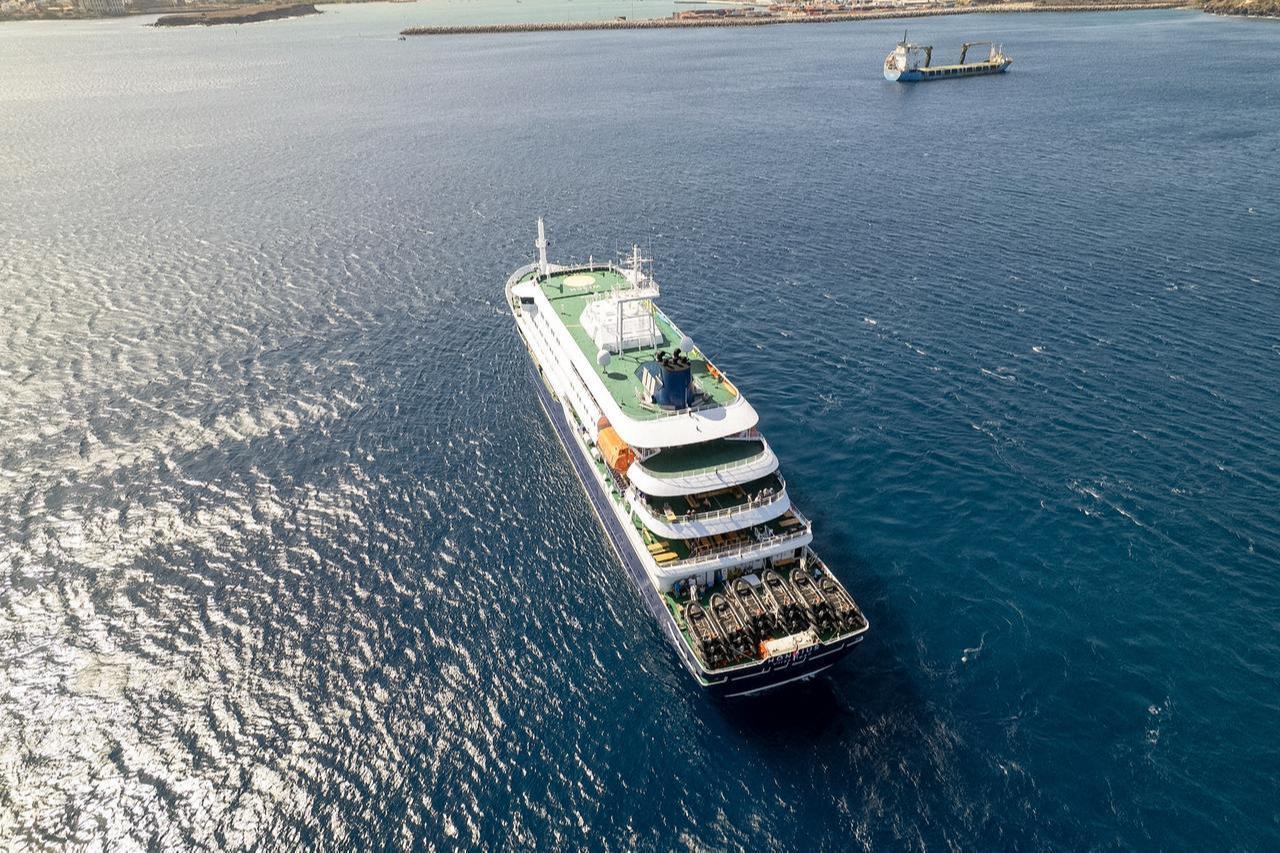
A Turkish couple was among those aboard the MV Hondius cruise ship after a deadly hantavirus outbreak left the vessel under health restrictions during its Atlantic voyage, Turkish media reported Thursday.
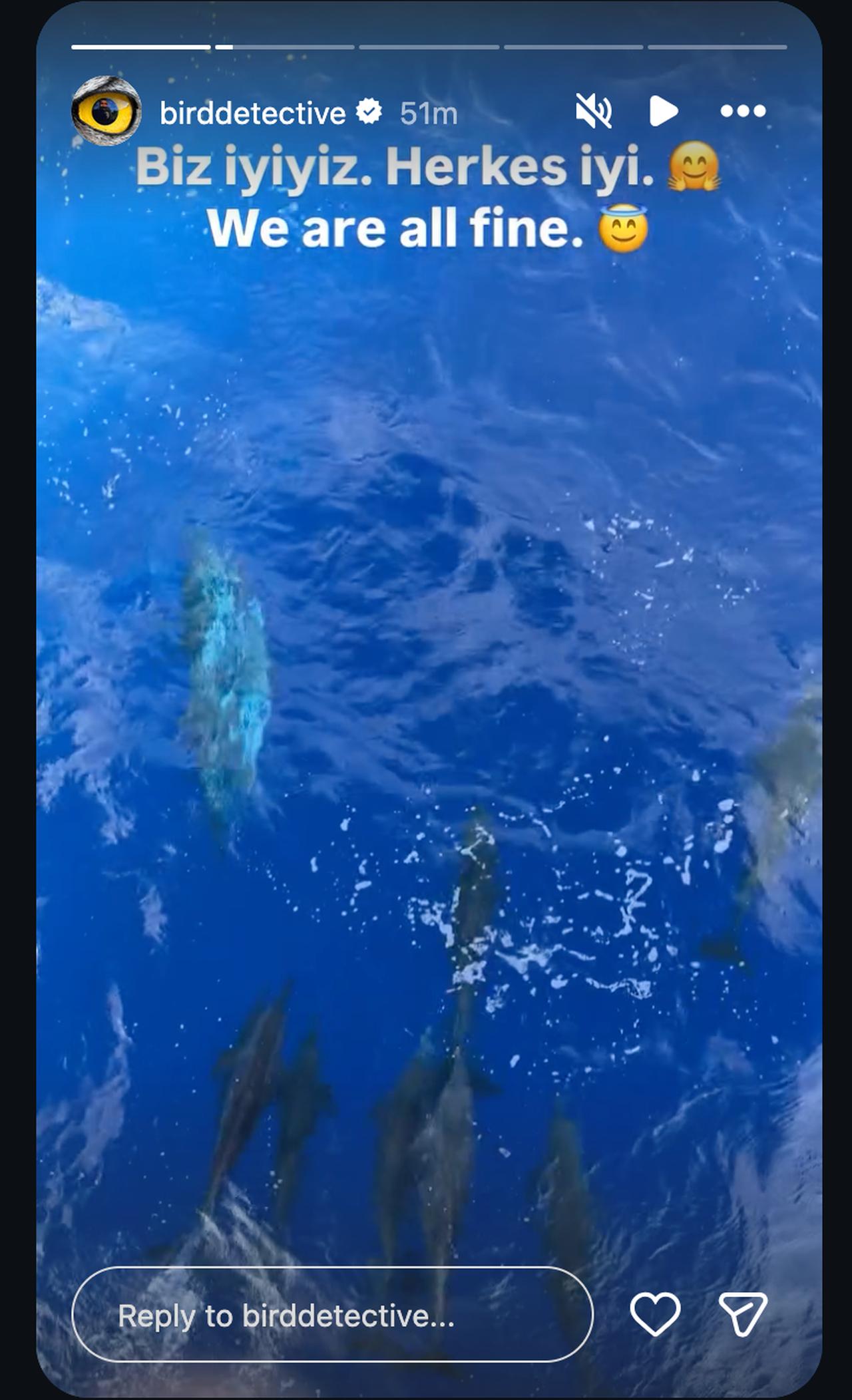
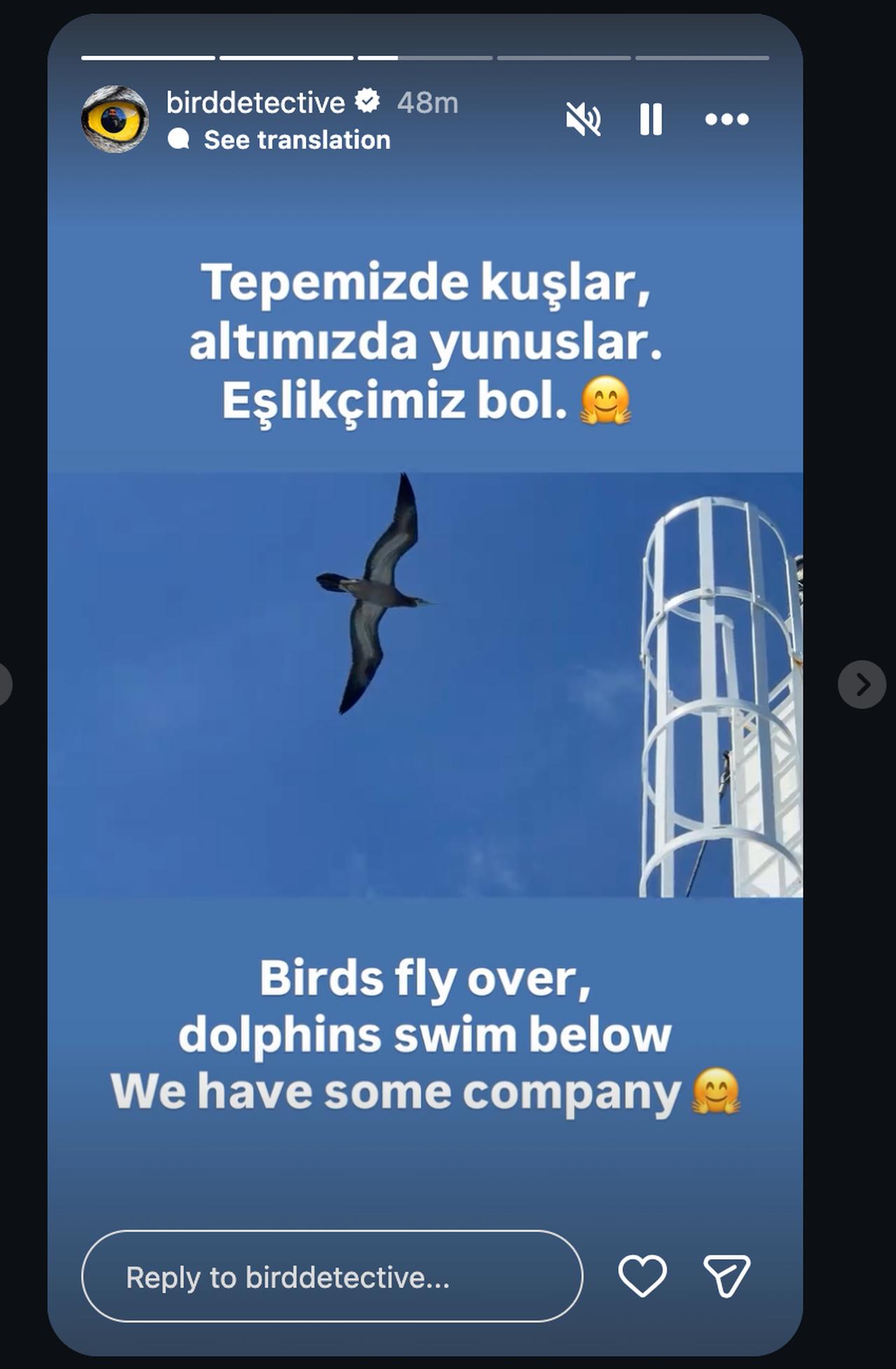
The couple was identified as birdwatcher and photographer Emin Yogurtcuoglu and his wife. Yogurtcuoglu said in an Instagram video that they were still on the ship as it headed toward Spain’s Canary Islands for evacuation procedures.
“We are on the ship. May 6. We are going to the Canary Islands. Everything is fine. There is no new case. We evacuated our patients. I think they are about to arrive in the Netherlands,” he said.

The MV Hondius had been travelling from Argentina across the Atlantic toward Cape Verde when the outbreak drew international attention.
Three people linked to the ship have died, while health authorities have investigated confirmed and suspected infections connected to the vessel.
The ship has since been directed toward the Canary Islands after Spain agreed to receive it. Passengers without symptoms are expected to go through health checks before disembarkation.
The Turkish couple’s presence on the ship adds a direct Türkiye angle to an outbreak that has already involved health authorities in several countries, including the Netherlands, Germany, Britain, Switzerland and South Africa.
The outbreak has raised concern because the strain linked to cases from the ship is the Andes strain of hantavirus, which is known for rare but documented human-to-human transmission through very close contact.
Turkish YouTuber Ruhi Cenet, who was also aboard the Hondius for a documentary project, said he had left the ship on the 24th day of the voyage.
Cenet later described the experience as a close brush with danger and said he believed passengers should have undergone blood tests before boarding.
“From the first day, before passengers were even allowed to board the ship, blood tests should have been required,” he said, according to Turkish reports.
He said the ship continued for another 10 days after he disembarked. “Only one day after I left the ship, the wife of the person who died also died, and then a third person died,” Cenet said.
Cenet said he had undergone the necessary blood tests after leaving the vessel.
Hantaviruses are a family of viruses usually associated with infected rodents, rather than a single disease. The strain reported in the Hondius outbreak is the Andes virus, named after the Andes Mountains in Latin America.
Most hantavirus infections are linked to exposure to rodent urine, droppings or saliva. The Andes strain is unusual because limited person-to-person transmission has been documented, mainly among people in very close contact.
South African health officials said the Andes strain was detected in two people evacuated from the ship to South Africa, according to the Turkish reports.
The outbreak has prompted contact tracing across several countries, but international health officials have stressed that the wider public risk remains low.


 Set as preferred source
 Set as preferred source



 4 min read