Newsletters


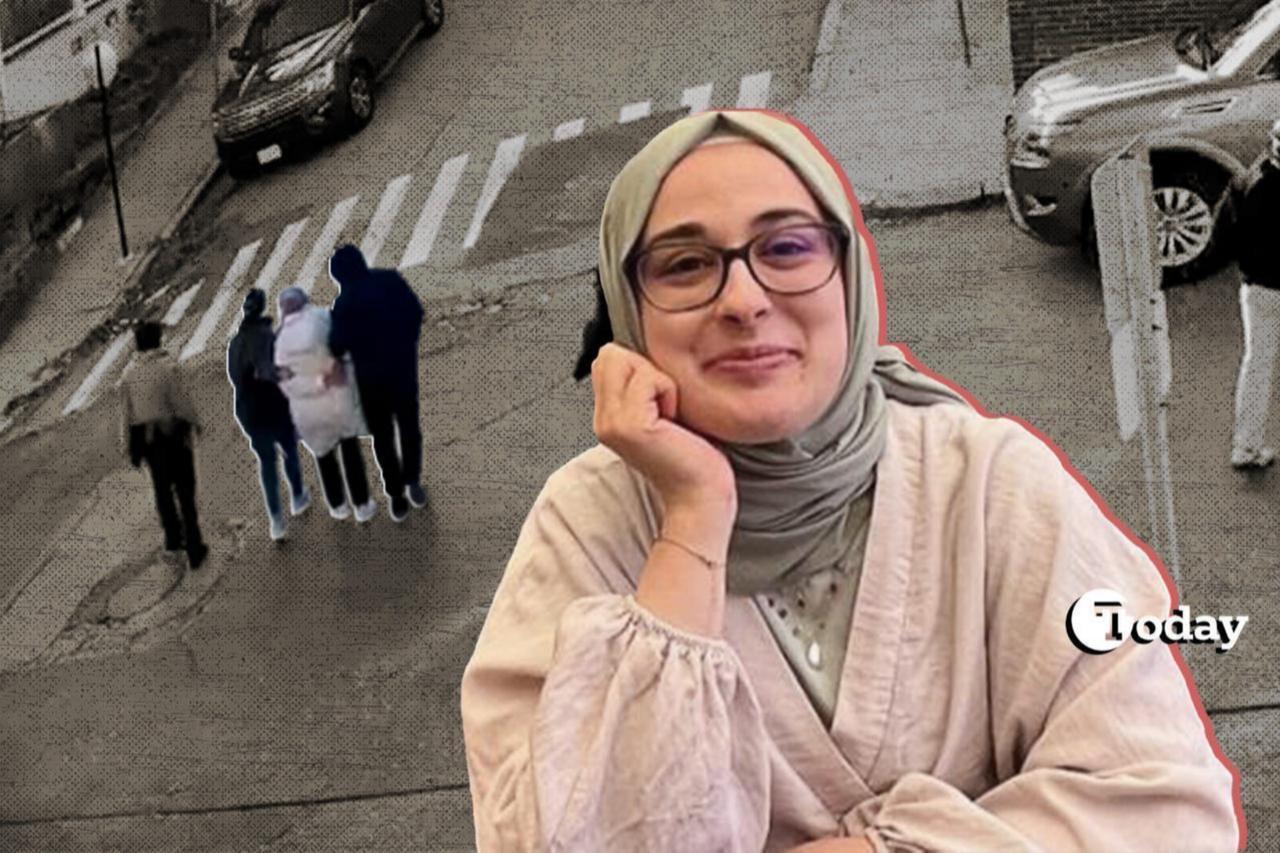


A Turkish doctoral graduate, Rumeysa Ozturk, has returned to Türkiye after U.S. authorities dropped immigration proceedings tied to her detention over pro-Palestinian activism.
Her departure follows a legal settlement that ended a prolonged case with U.S. Immigration and Customs Enforcement (ICE) and immigration courts, while also allowing her to leave the United States freely, the American Civil Liberties Union (ACLU) said.
Ozturk had been pursuing a Ph.D. in child study and human development at Tufts University when plainclothes immigration agents detained her in March 2025 in Somerville, Massachusetts.
The detention came after she co-authored a student newspaper opinion piece expressing support for Palestinian rights. Her case soon drew attention as part of a broader crackdown on international students involved in campus protests.
An immigration judge earlier ruled there was no legal basis to deport her, effectively halting removal proceedings. The U.S. government initially appealed the decision, but both sides later agreed to terminate the case before the Board of Immigration Appeals under the settlement terms.
Ozturk was held for six weeks in Louisiana following her arrest. Video footage showing masked agents detaining her in public triggered widespread criticism and concern among rights groups.
The ACLU described the detention as unlawful, stressing that federal court decisions consistently found no justification beyond her protected speech.
Jessie Rossman, legal director of the ACLU of Massachusetts, stated that the government’s actions lacked legal grounds and caused harm, while emphasizing Ozturk’s continued academic progress despite the case.
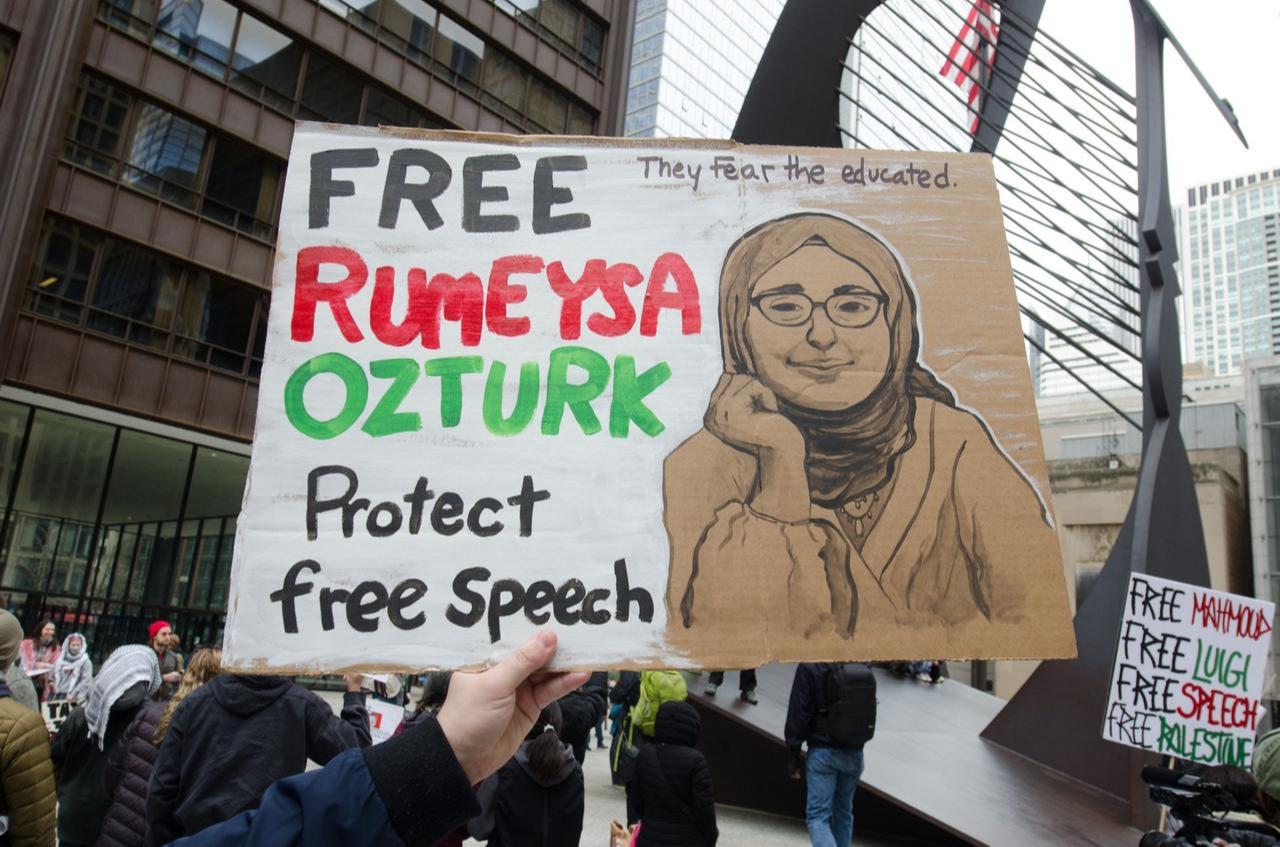

Ozturk completed her Ph.D. after 13 years of study and chose to return to Türkiye following the settlement.
"After 13 years of dedicated study, I am very proud to have completed my Ph.D. and to return home on my own timeline," she said in the ACLU statement.
She added that the experience had cost her valuable time and described her decision as a step toward continuing her academic career without further disruption.
Under the agreement, U.S. authorities confirmed that her student status remained valid throughout her time in the country, and she was allowed to depart freely.
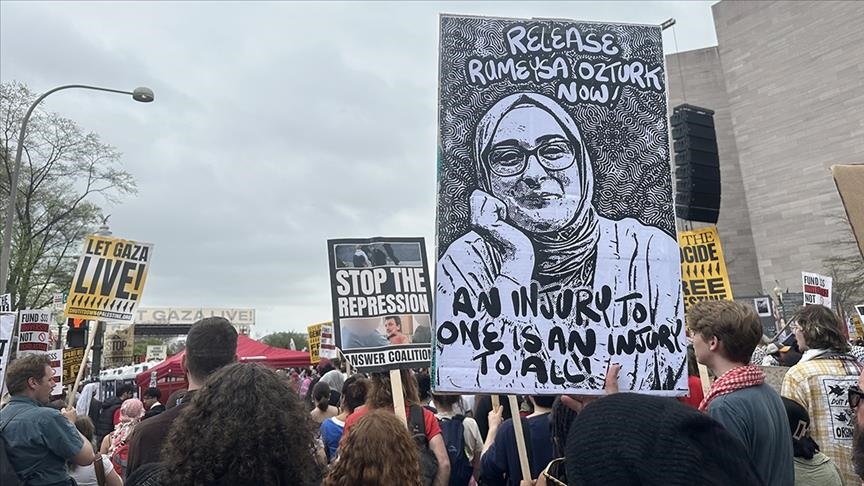
Ozturk’s case unfolded during a period of heightened scrutiny toward student activism in the United States, particularly around protests linked to Israel’s war in Gaza.
She was among several international students targeted in enforcement actions tied to campus demonstrations, placing her case at the center of a broader debate over free speech and immigration enforcement.


 Set as preferred source
 Set as preferred source


 1 min read
 1 min read