Newsletters


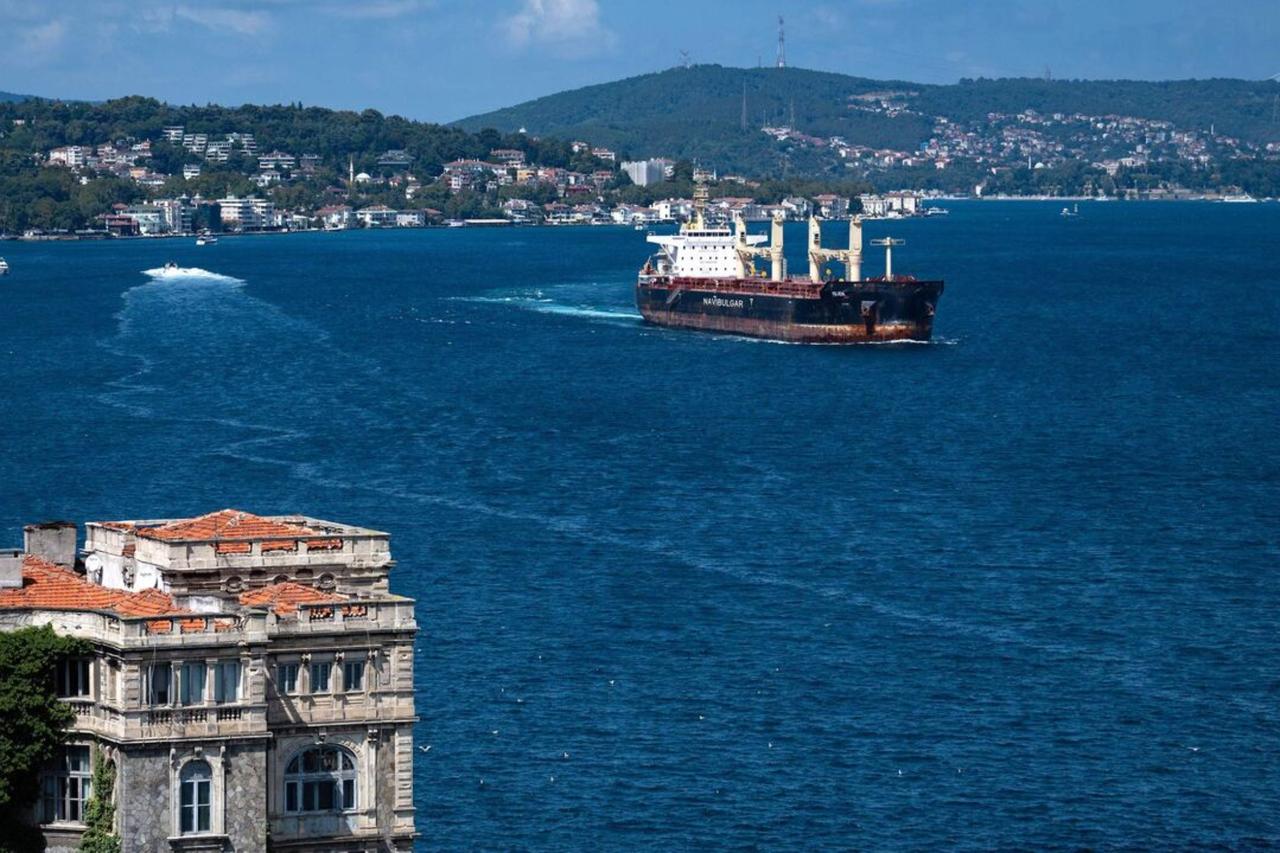


Talks mediated by India and Türkiye on freedom of navigation in the Black Sea are ongoing, Polish Deputy Prime Minister and Foreign Minister Radoslaw Sikorski reportedly said, as Ukrainian agricultural officials warned of mounting global consequences from the prolonged blockade.
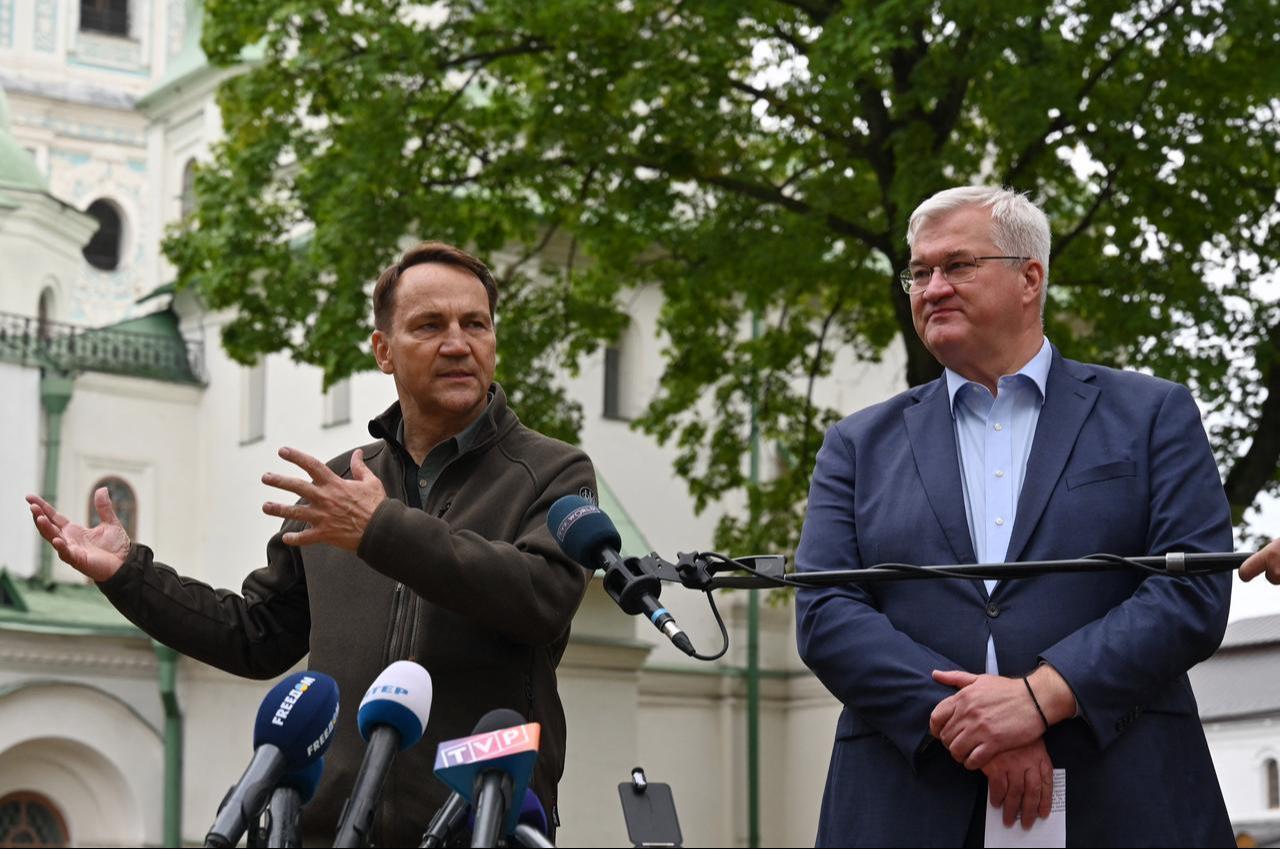
"There are also negotiations run by the Indians over the freedom of shipping in the Black Sea and by the Turks," Sikorski said during the annual Yalta European Strategy (YES 2026) meeting held by the Pinchuk Foundation in Kyiv on Sept. 11-12, framing the question of negotiation platforms as "secondary to the broader issue of ending the war."
"I'm of the view that if Putin is ready for a reasonable peace. He's just not ready yet," Sikorski said, adding that negotiations and consultations between Ukrainian and Russian representatives are ongoing on a constant basis, particularly regarding prisoner-of-war and fallen-soldier exchanges.
"Ukraine and Russia are negotiating the whole time a very difficult issue of swaps of prisoners of war and the bodies of fallen soldiers. So if there were willingness on Russia's part to come to a solution, they could just broaden those talks. And actually they started very early on in the war with other baskets," Sikorski said.

Andriy Dykun, head of the Ukrainian Agrarian Council, said Ukraine needs to more forcefully warn the world about the global consequences of a prolonged Black Sea export restriction, following a meeting with a World Bank Group delegation in Kyiv.
"We must all speak much louder about the global consequences of the Black Sea blockade. Ukraine and Russia are major suppliers of food to the world market. If both countries' exports remain restricted for an extended period, the poorest countries will feel the effects first," Dykun wrote on social media.
Dykun said the current situation is more difficult for Ukrainian farmers than in 2022, when the ports were blockaded in spring, after much of the previous harvest had already been sold and alternative logistics through the EU were gradually being built up.
In 2026, Ukraine is entering autumn with a new harvest and roughly 8 million tons of carryover stock, while agricultural producers still must pay rent, taxes, loan repayments and financing for the next planting season.
"At the same time, exports have sharply declined, and Russia is deliberately striking port and grain infrastructure," Dykun said.
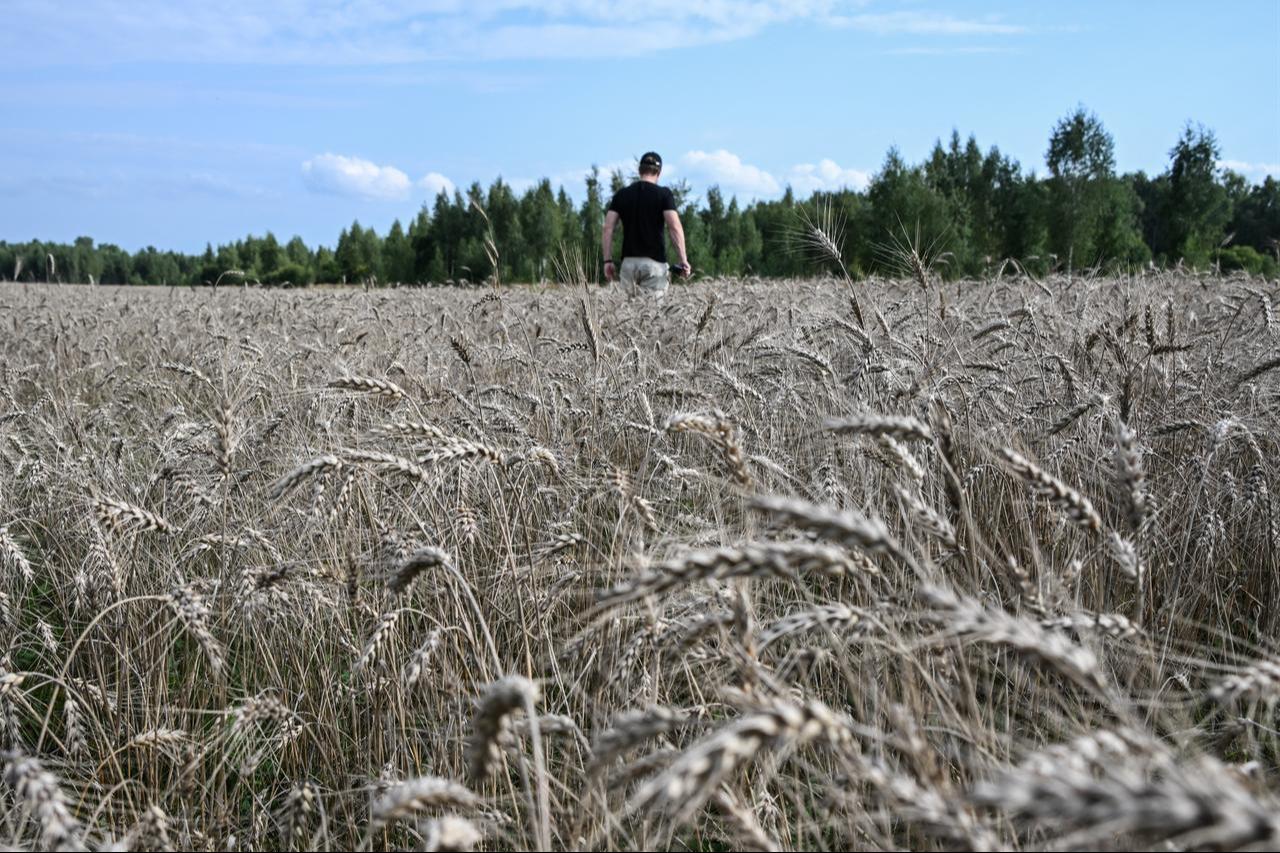
Dykun said the meeting with the World Bank delegation covered logistics, vessel insurance, the potential of Romania's Constanta port, and rail transport, though he stressed there is no full substitute for the Black Sea for Ukrainian agricultural exports, since no alternative logistics network can replace the volumes Ukraine traditionally shipped by sea.
He said continuing Ukraine's "5-7-9" lending program would require roughly $250 million, a matter still under discussion with international partners.
The talks also addressed farmers' growing need for grain storage sleeves, bags used to store harvested grain, which could reach around 50,000 units given the buildup of unsold harvest.
The Agrarian Council, in partnership with Mercy Corps, has already begun a project distributing 3,200 grain sleeves to producers in war-affected regions, and the World Bank is considering a mechanism to reimburse producers up to 80% of a sleeve's cost after purchase.
The two sides also discussed possible mechanisms for expanding farmers' access to financing, including guarantee instruments for targeted agricultural lending.
Dykun estimated Ukraine's agricultural sector could face a shortfall of $7-8 billion by the end of 2026 if the maritime export situation does not improve, and said the World Bank's global AgriConnect initiative, aimed at expanding small and medium producers' access to financing, technology, processing and markets, could potentially launch in Ukraine in 2027.
Ukraine's Minister for Recovery, Infrastructure and Transport Mykola Kalashnyk said Sept. 13 that cargo handling at the Black Sea ports of Greater Odesa has dropped more than 15-fold since July 22 amid systematic Russian strikes on port infrastructure and vessels.
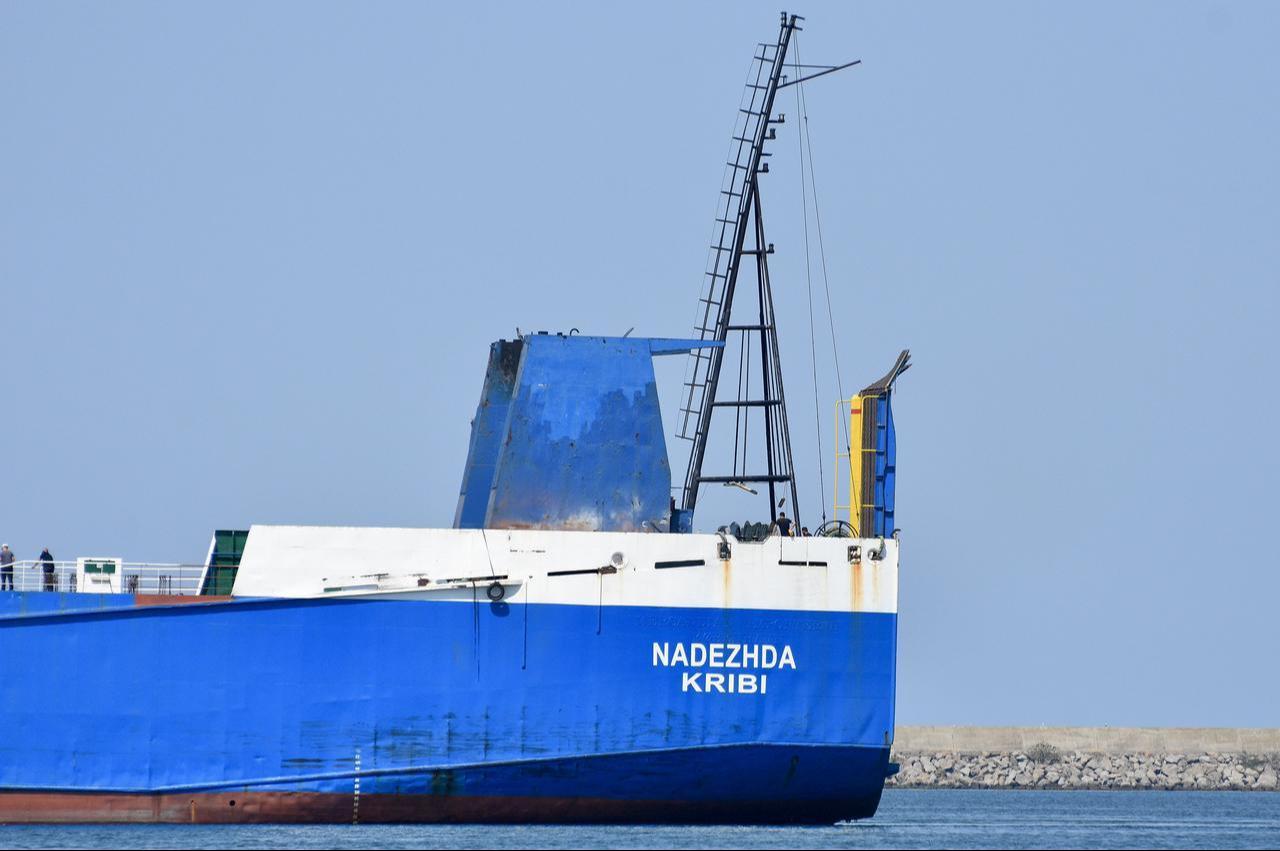
Ukrainian President Volodymyr Zelenskyy separately warned that Russia's Black Sea blockade has created a food security challenge extending well beyond Ukraine's borders, telling American journalist Fareed Zakaria on the sidelines of the YES conference that the grain corridor is now almost entirely blocked from both the Ukrainian and Russian sides.
He said he had discussed the issue with Egypt, India, Türkiye, Saudi Arabia and the UAE, and while he did not believe Ukrainians themselves would go hungry, he warned other nations could face a worse fate, saying many people "will not have anything to eat, even having money."
Zelenskyy compared the situation to a blockade of the Strait of Hormuz, but for agricultural goods rather than energy, calling it "a challenge for many" that should not be left to Ukraine alone to solve.
Meanwhile, Russian Agriculture Minister Oksana Lut said Moscow's grain exports continue moving through alternative routes, including a newly launched Baltic corridor and the existing Caspian corridor, rejecting claims that Russia is struggling to reach overseas buyers.
"This is the biggest value, we send all (exports) abroad!" Lut told Russian media, adding that Moscow is also developing Far East shipping routes and discussing with China the possibility of routing shipments bound for Southeast Asia through Chinese territory.
Russia shipped 46.3 million metric tons of grain through the Black Sea and Sea of Azov in the 2025-26 export season, about 90% of its seaborne grain exports, according to industry data.
Russian Deputy Foreign Minister Alexander Grushko has said Moscow sees no grounds for reviving the 2022 Black Sea Grain Initiative, arguing its key provisions were never fulfilled and Western sanctions policy has not changed.
Türkiye has been directly affected by the shipping standoff.
Turkish Vice President Cevdet Yilmaz and other Turkish officials repeatedly warned of "serious risks" from escalating Black Sea attacks, while Türkiye's Transport and Infrastructure Ministry-linked shipping board has warned the disruptions could cost the country as much as $20 billion.
Türkiye summoned Ukraine's ambassador in Ankara after strikes on Turkish-operated vessels in the Black Sea, and Russia's Foreign Ministry has separately briefed Turkish officials on what it calls Ukraine's "destructive actions" threatening shipping safety, a characterization Ankara has not endorsed independently.
Turkish Foreign Minister Hakan Fidan has called for a mechanism allowing a moratorium on Black Sea attacks, saying the conflict has "spread across the whole Black Sea" with both sides now targeting commercial shipping "without distinction."


 Set as preferred source
 Set as preferred source


 1 min read
 1 min read