Newsletters


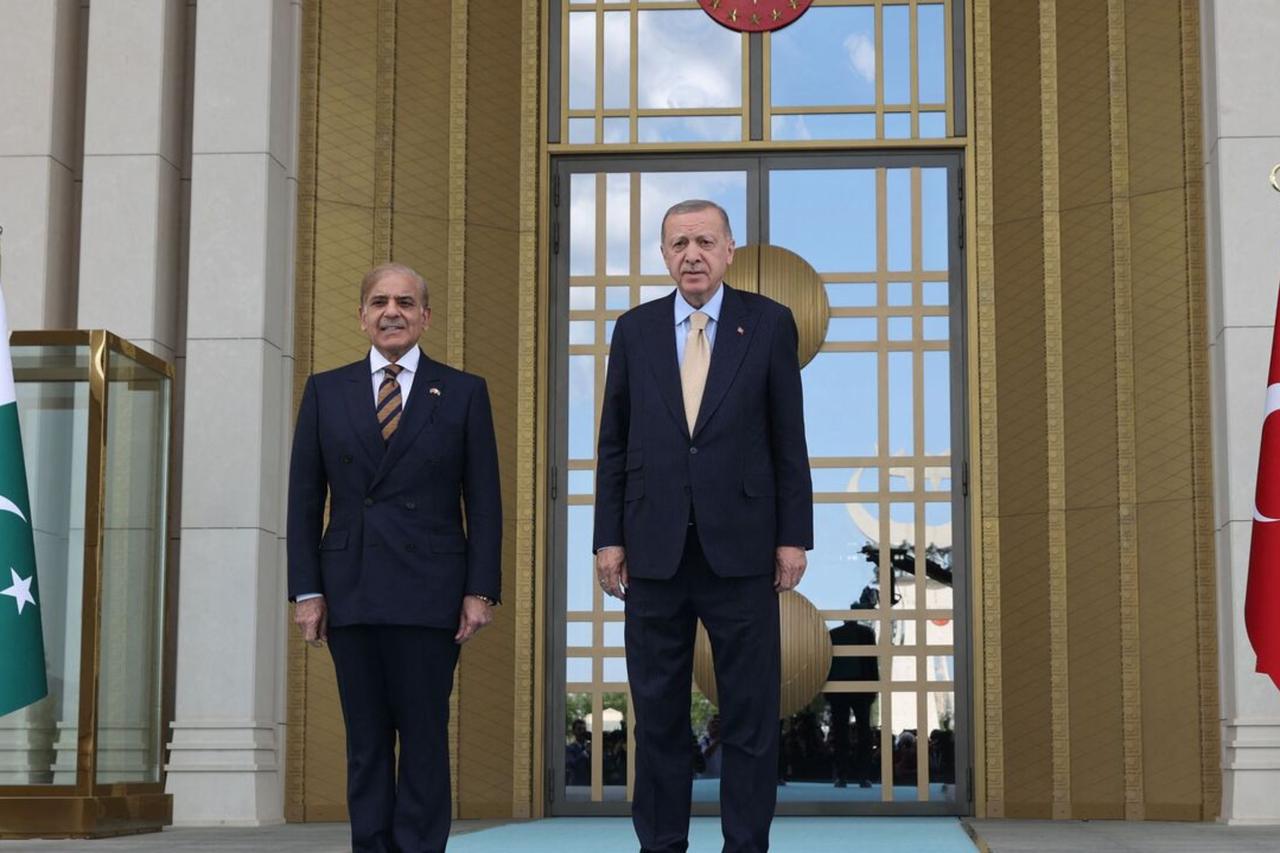


Pakistan and Türkiye work closely across U.N. issues, including efforts to reform the U.N. Security Council and strengthen the role of elected members, Pakistan’s Permanent Representative to the United Nations Asim Iftikhar Ahmad said in an interview with Türkiye's state-run Anadolu Agency.
During Pakistan’s nearly two-year term as a non-permanent Security Council member, its priorities have included peacekeeping, conflict prevention and the peaceful settlement of disputes.
Ahmad noted that Pakistan had maintained close relations with both the five permanent members and elected members of the council and believed it had largely met its objectives before its term ends in about three months.
He also argued that much of the criticism directed at the U.N. should instead focus on Security Council members, particularly when permanent members use their veto power to protect their own national interests or those of allies.
According to Ahmad, Pakistan and Türkiye, together with other like-minded countries, support making the Security Council more democratic, accountable, transparent and effective.
“Pakistan and Türkiye, together with our other friends, have come together as a group of reform-minded countries calling for the reform and expansion of the Security Council in a more democratic and accountable manner,” Ahmad stated.
The countries are also working on proposals aimed at strengthening the voice of elected members compared with the permanent five.
Ahmad added that the U.N. secretary-general should take a more proactive role in reaching out to parties and engaging them during international crises.
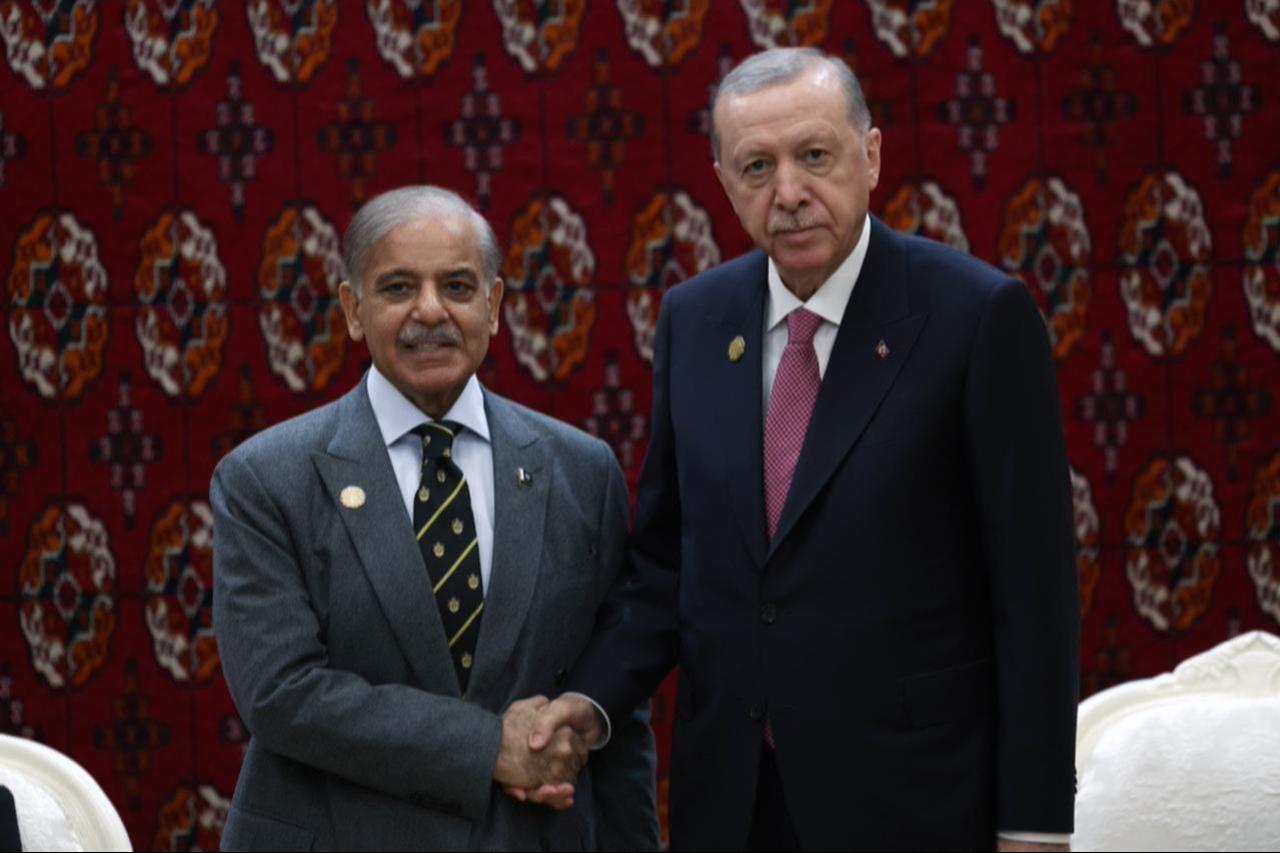

Turning to Pakistan’s mediation efforts in the U.S.-Israeli conflict with Iran, Ahmad noted that Islamabad had received positive international reactions because the fighting carried risks for regional peace as well as food and energy security.
Pakistan helped bring parties together for high-level talks for the first time in decades, working closely with Saudi Arabia, Egypt, Türkiye, China and other partners supporting mediation efforts.
The parties, however, did not fully implement the Islamabad Memorandum of Understanding, which led to renewed fighting in some areas.
Ahmad argued that Pakistan’s diplomacy nevertheless helped break the momentum and intensity of the clashes seen in March and early April, leaving room for further dialogue.
Pakistan remains in contact with the parties and continues efforts to bring them back to the negotiating table.
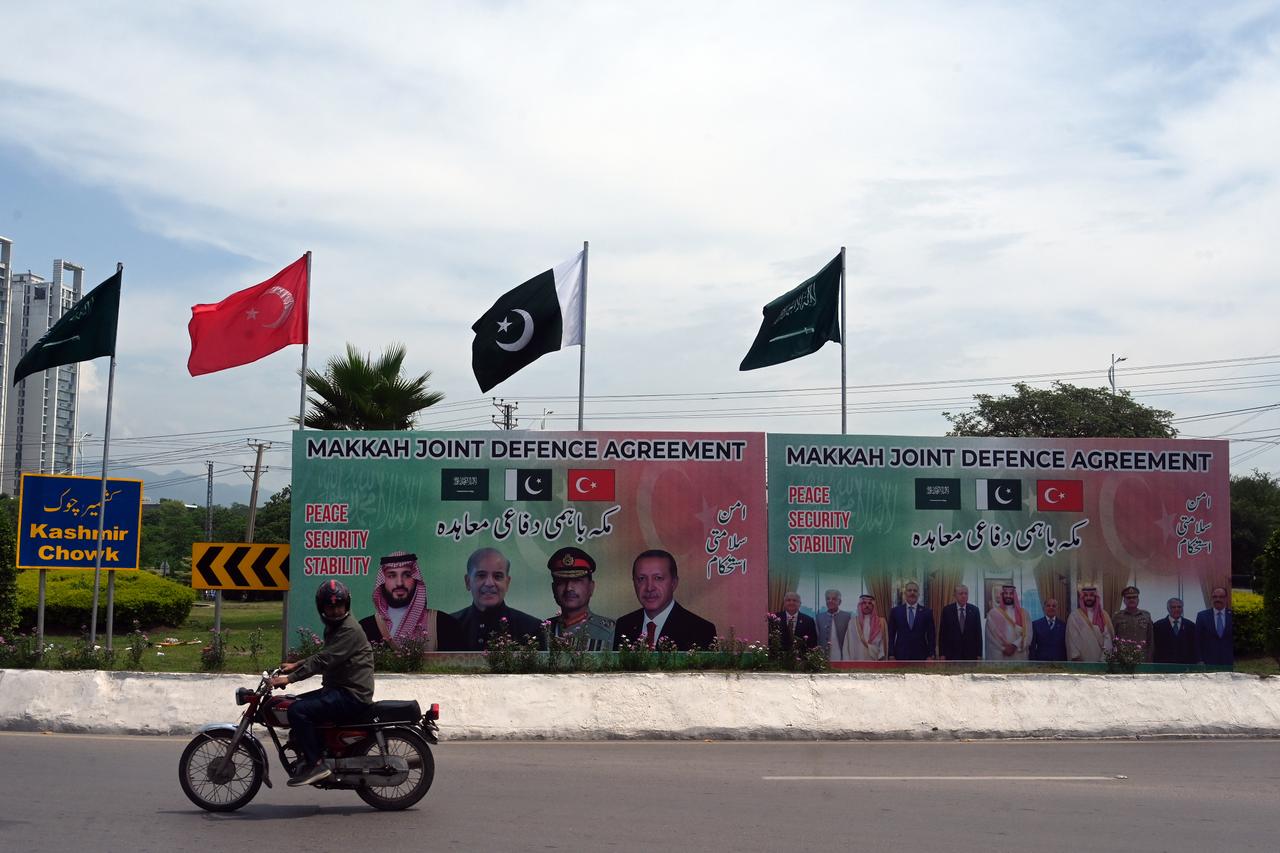
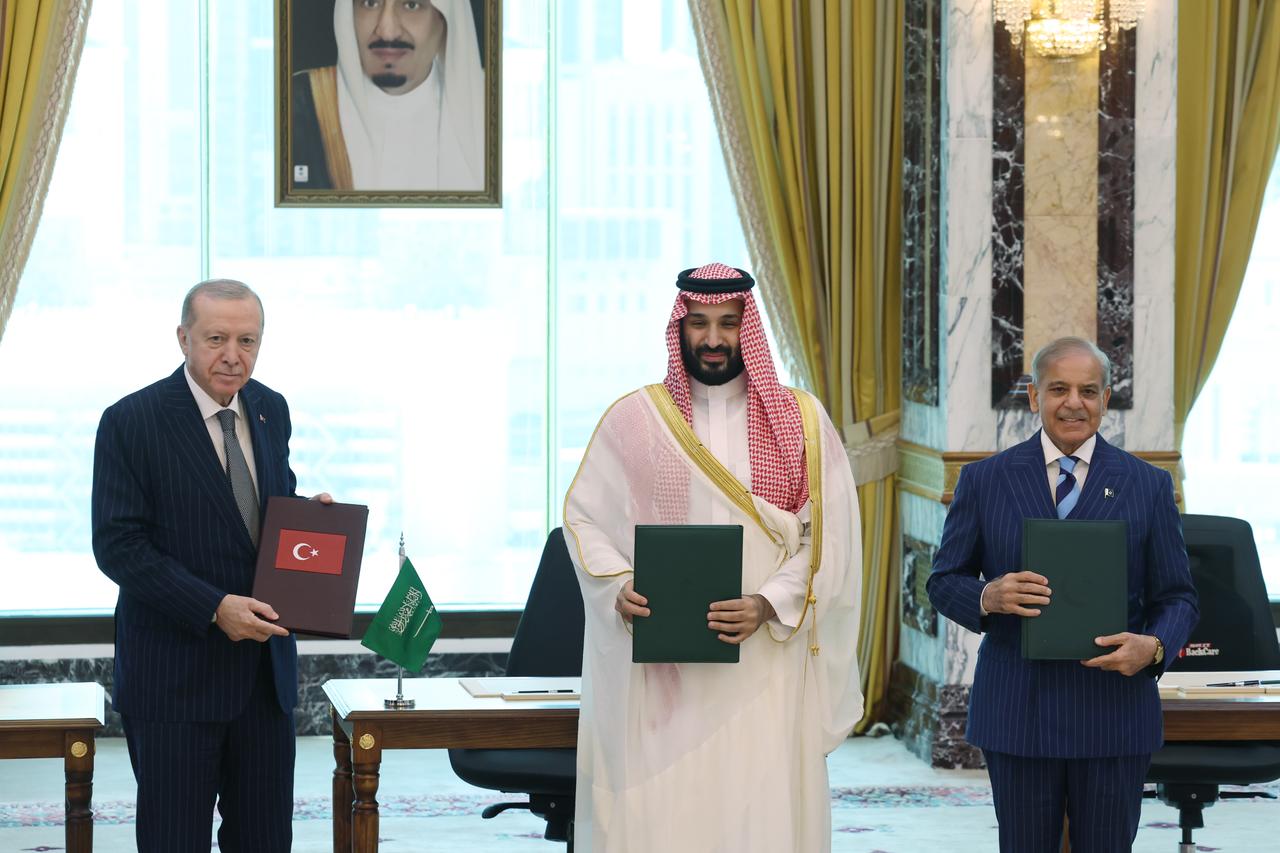
Ahmad also described the Aug. 7 Mecca Agreement between Türkiye, Pakistan and Saudi Arabia as an important regional development.
The three countries, he explained, believed their economic, military and political influence gave them a responsibility to contribute to regional peace and stability.
He stressed that the agreement was defensive in nature and intended to provide deterrence and stability rather than target any specific country.
Work is now underway to institutionalize the arrangement, which Ahmad described as a “joint effort, will and determination.”
Ahmad emphasized that Türkiye-Pakistan ties extend far beyond recent agreements and are rooted in a long historical relationship, including ties dating back to the caliphate period.
He described the relationship as broad, multidimensional and mutually beneficial, with strong links between the two countries’ peoples alongside government-level cooperation.
“We work together on all issues at the U.N. We are in very close cooperation,” Ahmad said.
Among the areas bringing the two countries together are Islamophobia, Security Council reform and mediation initiatives.
Pakistan and Türkiye are also members of the Uniting for Consensus group, which has worked for more than two decades on Security Council reform.
“Whatever issue you can think of, we are together at the U.N.,” Ahmad added, expressing hope that Pakistan-Türkiye relations would continue to reach higher levels.


 Set as preferred source
 Set as preferred source


 2 min read
 1 min read