Newsletters


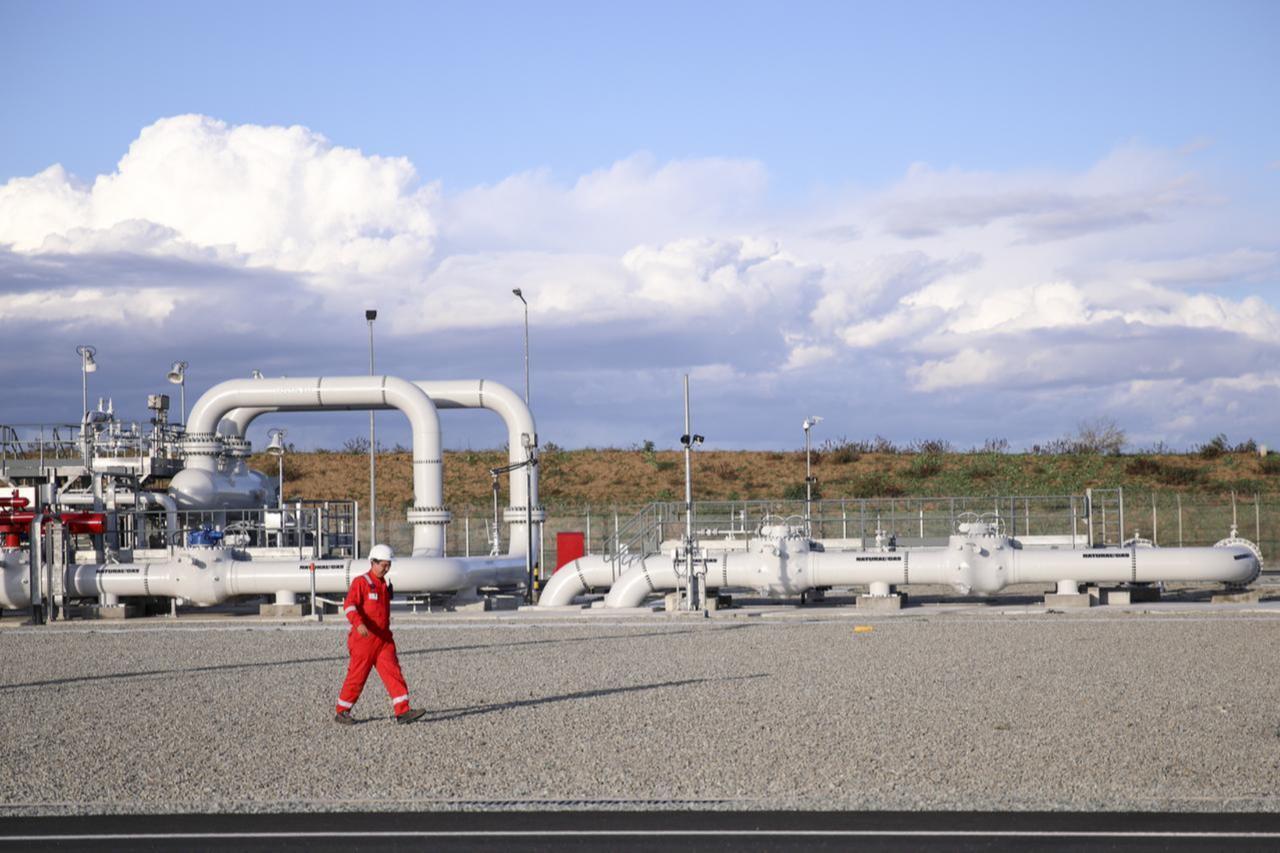


Türkiye is seeking to connect underground fuel pipelines as part of a $28 billion NATO infrastructure expansion aimed at strengthening the alliance’s fuel security, according to people familiar with the matter, Bloomberg reported.
The project would connect a pipeline system near Corlu in Thrace with one in the south near Mersin and Incirlik Air Base, the people said, speaking on condition of anonymity to discuss sensitive information.
The link would expand NATO’s Cold War-era pipeline system, which supplies alliance forces during military conflict, while also strengthening Türkiye’s own energy infrastructure.

Energy-supply disruptions caused by the U.S.-Israeli war on Iran and Russia’s war in Ukraine have pushed NATO to improve fuel logistics.
Türkiye sits on the alliance’s eastern edge, near both conflicts, bordering Iran and located across the Black Sea from Ukraine.
The 10,000-kilometer network links military bases, civil airports, depots and other infrastructure across 12 countries.
According to NATO, the system is designed to meet spikes in fuel demand during military operations, particularly for airlift and aerial refueling.
NATO could endorse some approved projects, including the one in Türkiye, at its annual summit in Ankara on July 7-8, the people said.
The alliance did not immediately respond to a request for comment. Türkiye’s foreign and defense ministries declined to comment.
Funding for project infrastructure would come from the $28 billion earmarked for the expansion and drawn from NATO’s common budget, one person said.
Countries where the projects are built would cover maintenance costs.
Ankara would cover the cost of any part of the project intended for civilian use, the people said.
Other proposals include extending the pipeline network into eastern European allies and building a $1.2 billion direct fuel link between Türkiye and Romania.
Türkiye has previously proposed a $1.2 billion military fuel pipeline extending through Bulgaria to Romania to help secure NATO’s eastern flank, with a decision expected by the July summit in Ankara, Bloomberg reported.
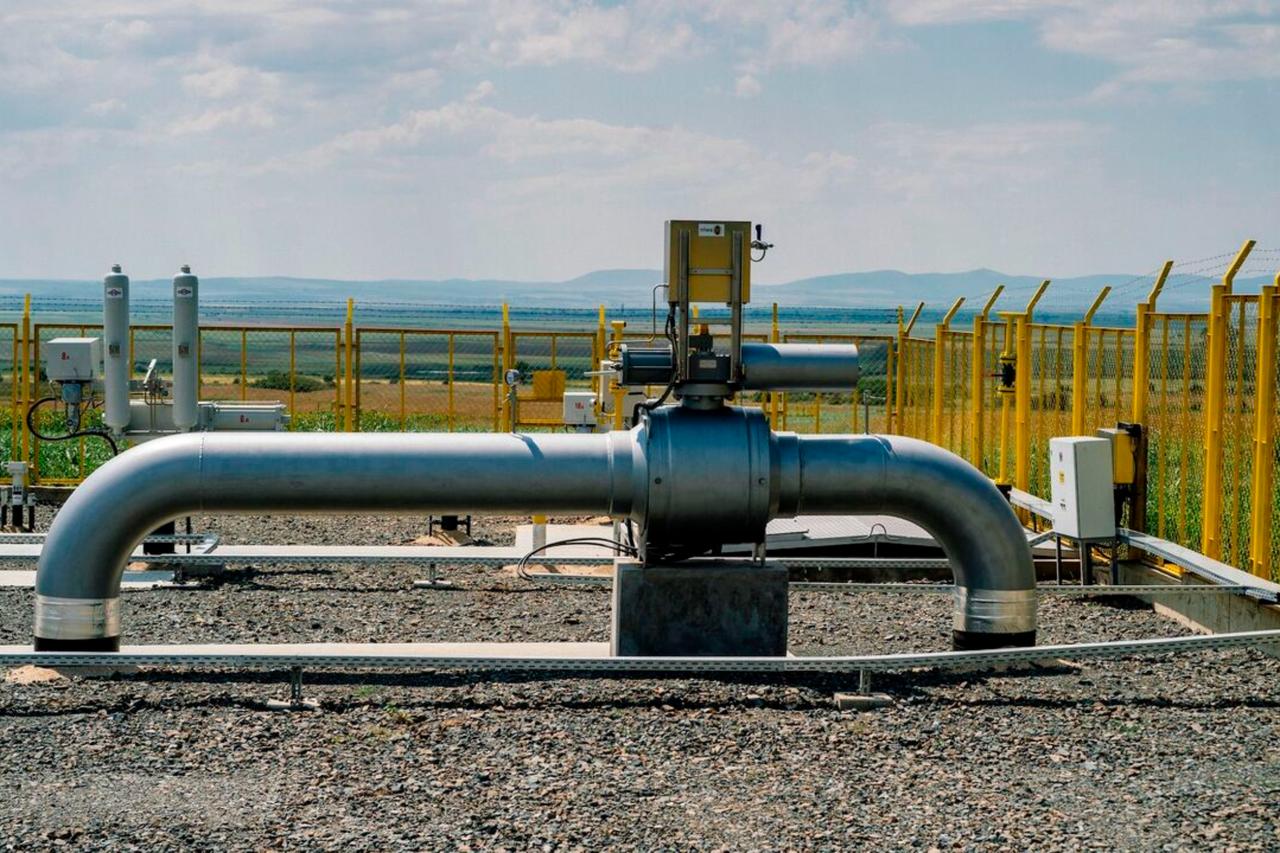
The proposed pipeline would be for military use only and would not be available for civilian traffic.
People familiar with the matter declined to provide details on capacity or other technical aspects, describing them as classified.
Ankara says the route would be cheaper than alternatives through Greece or Romania’s western neighbors.


 Set as preferred source
 Set as preferred source


 1 min read
 1 min read