Newsletters


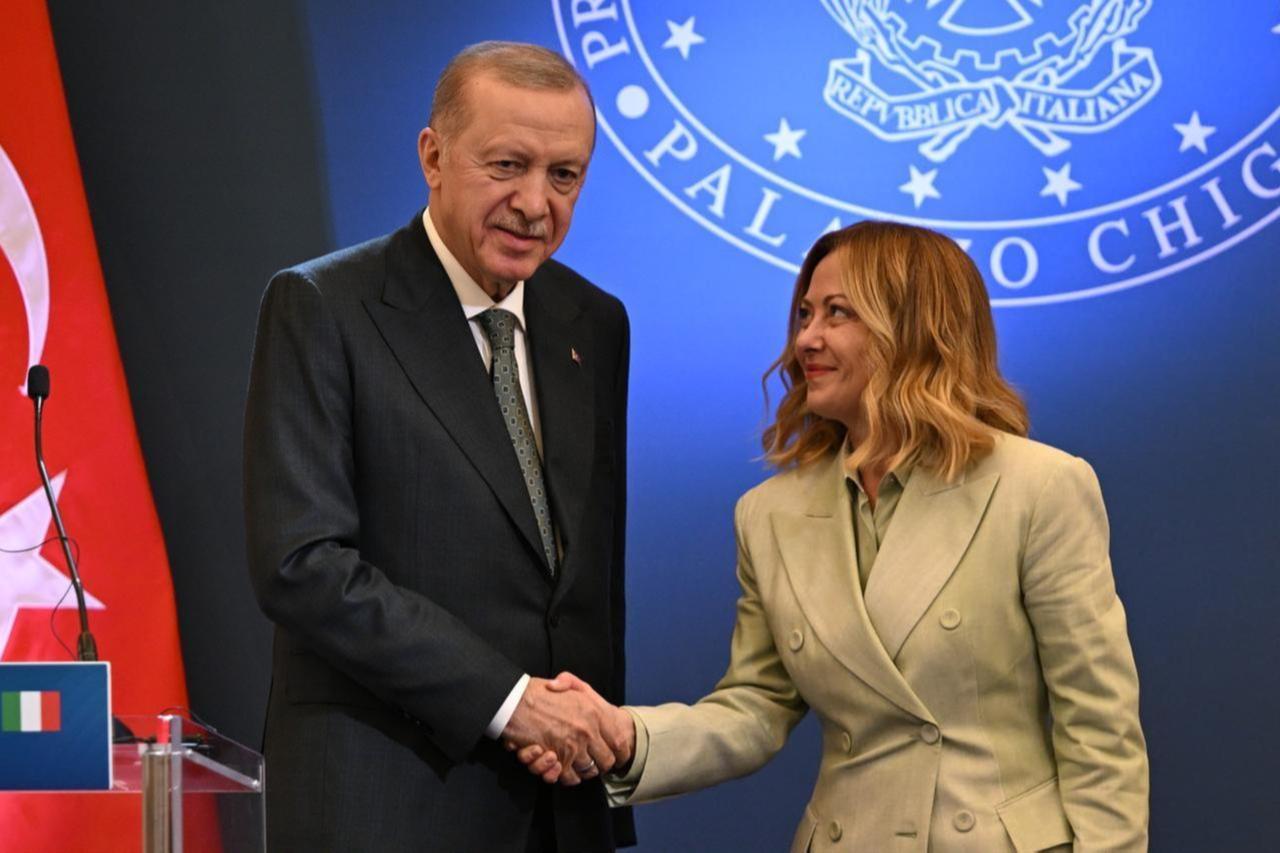


Expanding Türkiye–Italy economic relations are supporting export growth, with trade between the two countries maintaining strong momentum, according to the Italian Chamber of Commerce and Industry Association (CCIIST).
Stefano Kaslowski, president of CCIIST, said Türkiye could play a much larger role in Europe’s strategy to source supplies from nearby countries, particularly as digitalization gains prominence alongside traditional sectors.
Data from the Turkish Exporters Assembly (TIM) show that Türkiye’s exports to Italy increased by nearly 5% year-on-year in the January–November period, reaching $11.37 billion.
Exports in November alone rose 1.6% to $1.07 billion.
During the same 11-month period, Türkiye’s total exports grew 3.7% annually to $247.19 billion, with Italy accounting for 4.6% of overall exports.
The automotive industry ranked first in exports to Italy with $3 billion in the January–November period.
It was followed by chemicals and chemical products at $1.5 billion, steel at $1 billion, iron and non-ferrous metals at $955.4 million, and textiles and raw materials at $692.8 million.
While exports of automotive products and textiles declined by 2.4% and 1.3% respectively, iron and non-ferrous metals rose 26.5%, chemicals increased 20%, and steel exports grew 2.7%.
Istanbul led provincial exports to Italy with $4.1 billion, followed by Kocaeli at $1.4 billion, Bursa at $1.2 billion, Izmir at $702.8 million and Ankara at $460 million.
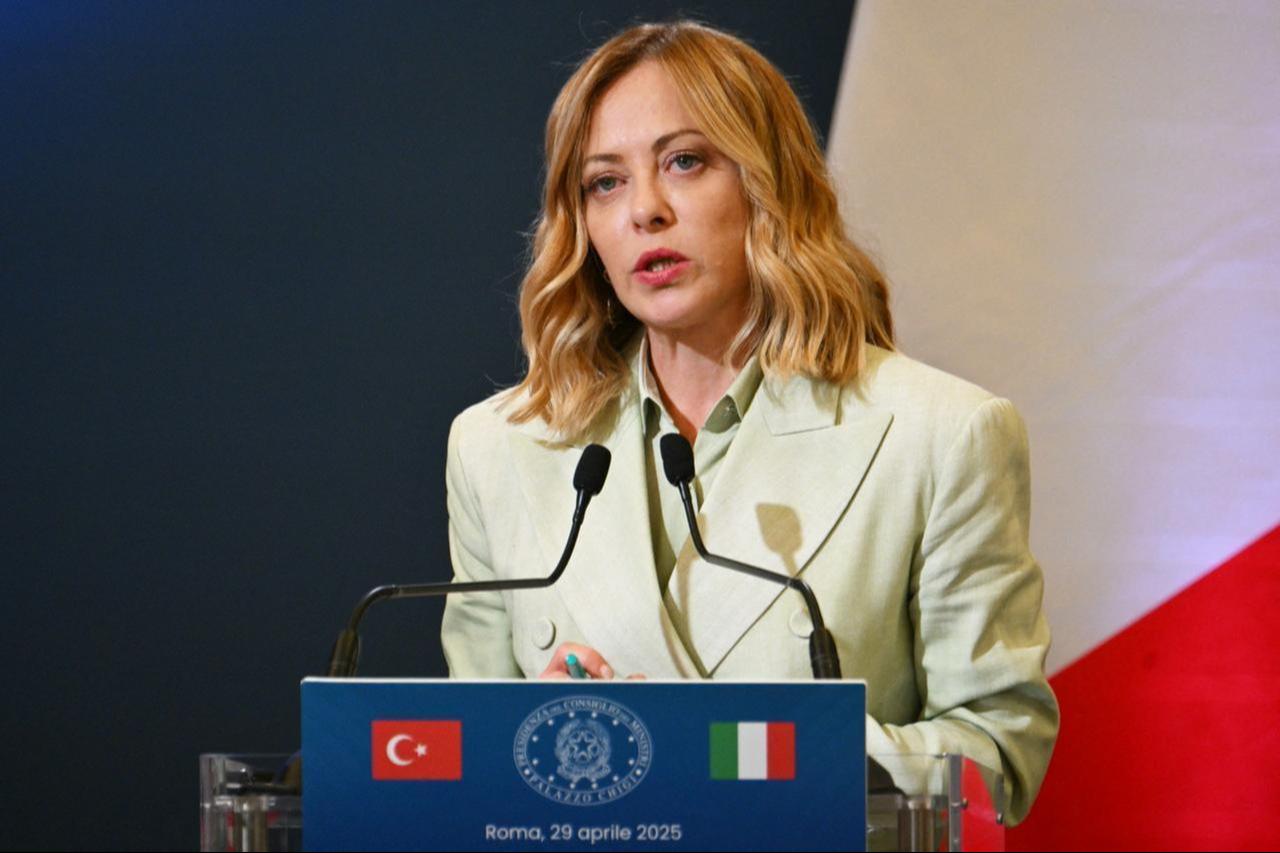

Kaslowski said Türkiye–Italy relations have long been strong, traditionally centered on sectors such as textiles and automotive manufacturing, but noted that digitalization is becoming increasingly important.
“Türkiye can play a much bigger role in Europe’s strategic sourcing from nearby countries,” Kaslowski said, adding that cooperation in classical sectors will continue alongside new digital initiatives.
Kaslowski recalled the bilateral trade target of $40 billion and said progress toward that goal continues steadily.
He stressed the need to update the E.U.–Türkiye Customs Union to ensure freer movement between Türkiye and Europe.
He also warned that aggressive pricing by Chinese products poses risks to industries in both Europe and Türkiye, underlining the need to protect industrial sectors through coordinated action.
Kaslowski said trust is the foundation of economic cooperation and argued that, with sufficient confidence, Türkiye and Italy could aim beyond current targets.
“With trust in place, the two countries could discuss not just $40 billion but even $100 billion in trade,” he said, emphasizing that the means to achieve this are already available to both sides.


 Set as preferred source
 Set as preferred source


 4 min read