Newsletters




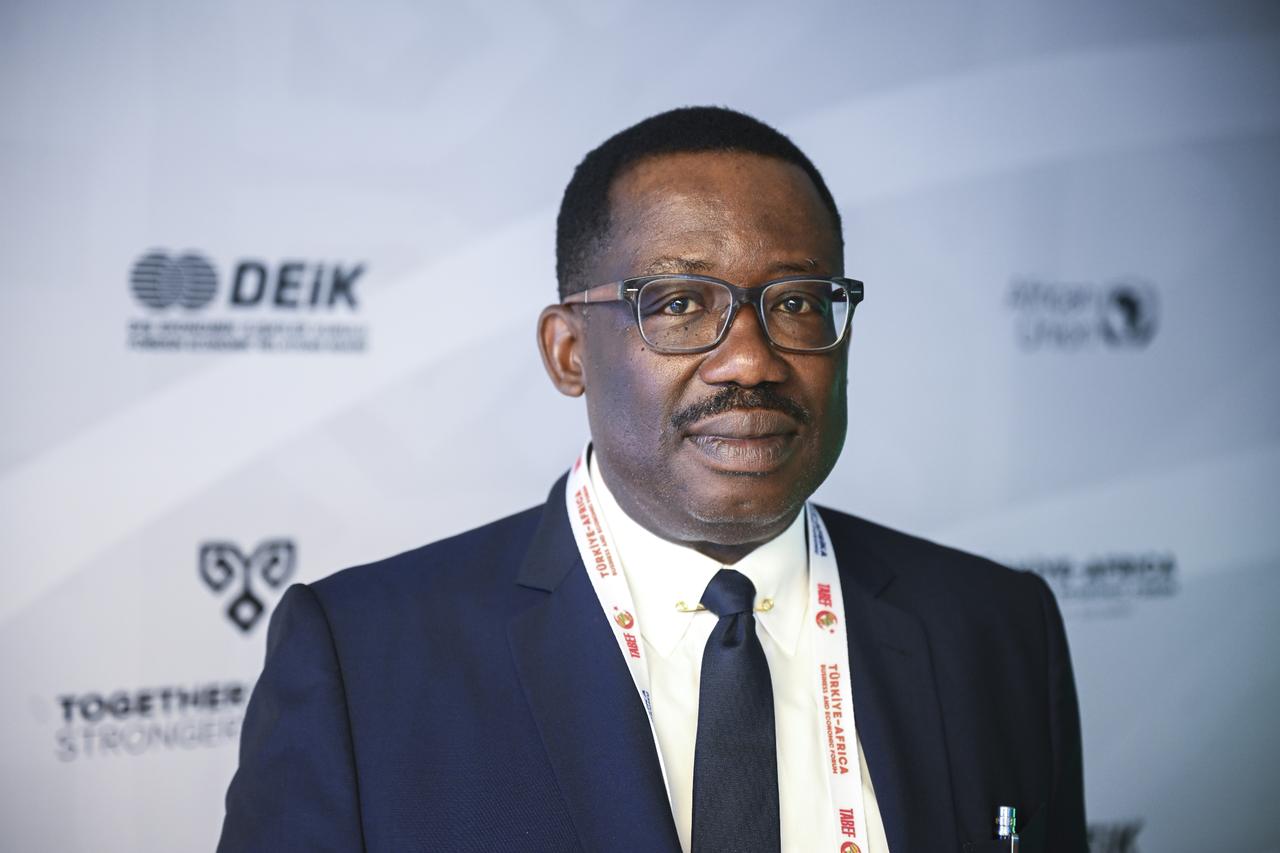
Academic Dr. Ibrahim Alegoz said Türkiye’s approach to Africa prioritizes building lasting capacity rather than pursuing short-term gains.
Alegoz, author of the book “Foreign Intervention and Radicalization in Somalia,” told Anadolu Agency that Africa can no longer be viewed solely through the lens of an “emerging market,” as maritime trade routes, irregular migration, counterterrorism, and infrastructure competition increasingly converge on the continent.
He said limiting external engagement to single-track categories such as aid or investment is insufficient to explain outcomes on the ground, describing Somalia as one of the closely monitored test cases in this context.
Somalia’s location along the Gulf of Aden–Indian Ocean corridor and near the Bab el-Mandeb Strait places it at the intersection of global trade security and regional stability, he said, adding that the legacy of past instability and the need to strengthen institutional capacity make it possible to measure external partnerships by tangible outcomes rather than intent.

Alegoz said the geopolitics of the Horn of Africa have grown more sensitive as port economies, military access efforts, and connectivity investments intersect in the same arena.
“Ethiopia’s need for sea access, Somalia’s sovereignty and coastal security sensitivities, basing dynamics along the Djibouti–Eritrea line, and infrastructure initiatives by Gulf actors intensify the competition,” he said.
Within this framework, he noted, Türkiye’s approach stands out as one focused on sustainable capacity building.
Türkiye’s diplomatic presence in Mogadishu aims to combine public services, institutional support, security capacity building, and connectivity along a single strategic line, he said, adding that coordination on the ground and cooperation with local institutions have strengthened in place of remote management.
Alegoz said concrete tools support this model, pointing to assistance in health, education, and technical capacity.
He cited the Somalia-Türkiye Training and Research Hospital, opened in 2015, as a practical example of continuity, and said Turkish Airlines’ launch of Mogadishu flights in 2012 helped reduce the country’s isolation by establishing a regular line of contact.
Keeping key nodes such as ports and airports operational creates a critical basis for public revenues and service financing, he added.
Alegoz said support in security training and professionalization aims to transform capacity from temporary operations into a lasting architecture, while maritime security cooperation strengthens sovereignty and resource protection.
Energy cooperation, he added, complements the partnership with a long-term economic capacity and institutional oversight agenda.
He said the model’s distinctive feature lies in combining capacity building on the ground with regional tension management.
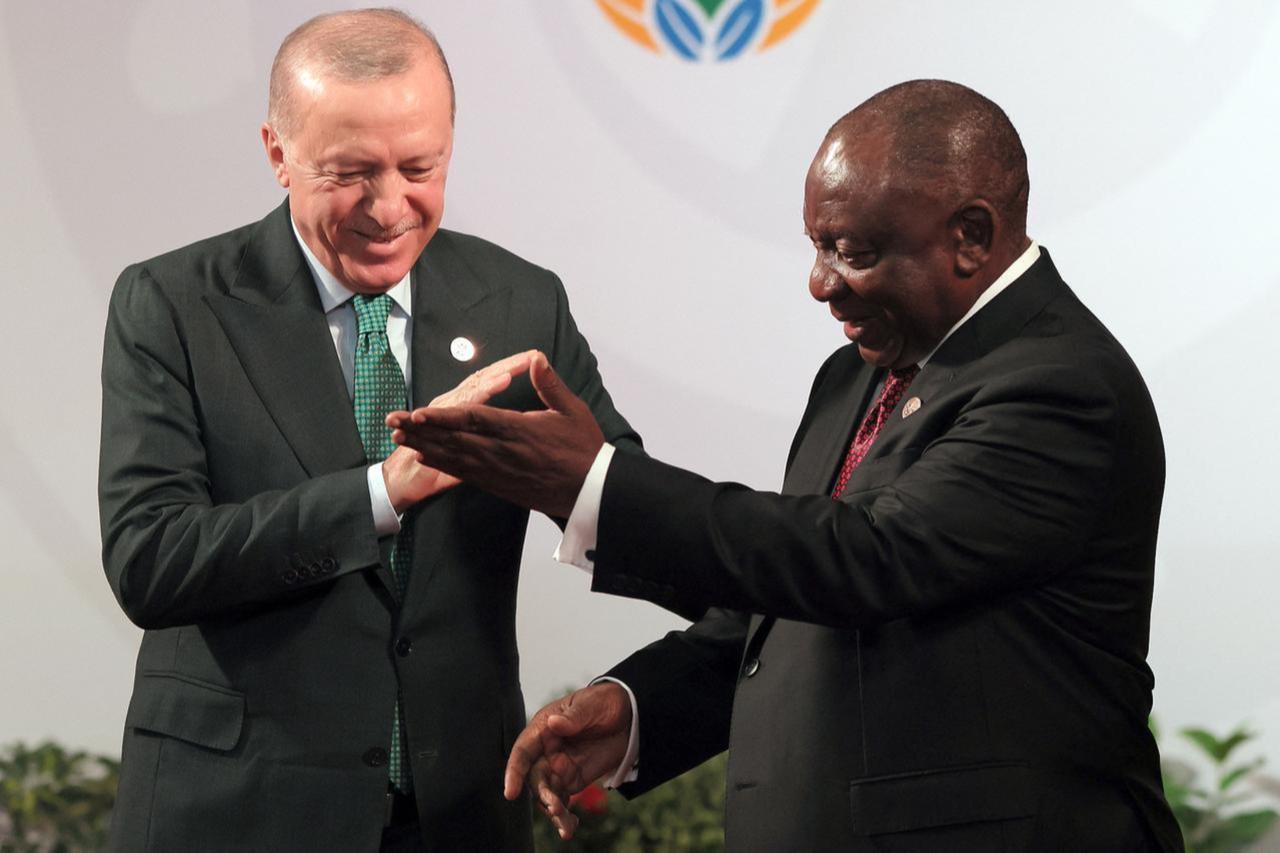
Referring to the Ankara Declaration announced in Ankara under the auspices of President Recep Tayyip Erdogan between Ethiopian Prime Minister Abiy Ahmed and Somali President Hassan Sheikh Mohamud, Alegoz said the initiative halted tensions along the Ethiopia-Somalia line that were moving toward a “hot conflict” and brought the crisis back to diplomatic negotiations.
By establishing a framework for dialogue and technical talks, the declaration significantly reduced the risk of conflict, he said, noting that the continuation of technical negotiations indicates that tensions have been tied to a manageable diplomatic process.
Alegoz also said Erdogan’s Feb. 17 visit to Addis Ababa demonstrated that Türkiye does not treat its engagement in Somalia as merely a bilateral issue but views stability in the Horn of Africa through a broader regional balancing strategy capable of managing the Addis Ababa–Mogadishu line simultaneously without escalating debates over coastal access and sovereignty.
He said the visit reflected Ankara’s intention to institutionalize de-escalatory diplomatic channels and link peacebuilding to a regional architecture by complementing its field tools centered on “order and stability building” with high-level political contact and mediation capacity in an environment of intensifying regional competition.


 Set as preferred source
 Set as preferred source


 1 min read
 1 min read