Newsletters


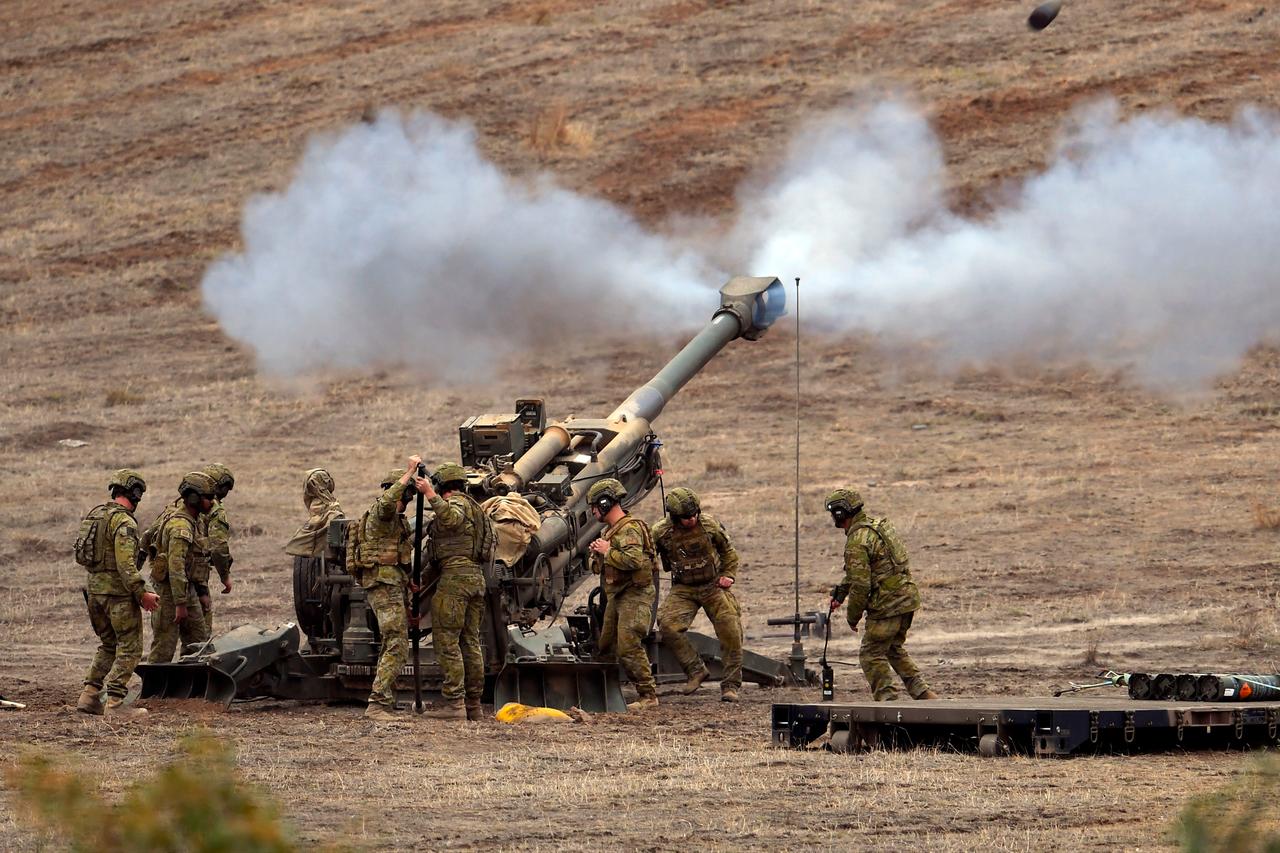


The U.S. military plans to establish a permanent, war-ready Marine Corps weapons and equipment stockpile on Australia’s southeastern coast, beyond the range of most Chinese missiles, according to tender documents reviewed by Agence France-Presse (AFP) and statements from officials.
The facility, the first permanent land-based Marine Corps stockpile in Australia, is expected to reach full capacity by 2028.
U.S. Navy documents published this month show that $30 million has been allocated to build warehouses and offices in the southeastern state of Victoria for what the documents describe as “critical forward provisioning.”
The equipment will initially be stored in Melbourne before being transferred to U.S. warehouses scheduled to be built next year at the Australian military base in Bandiana, in rural Victoria.
The project comes as Washington seeks to use Australia’s strategic position in the South Pacific to support U.S. military operations and respond to China’s rapid military expansion.
The U.S. Navy is seeking a global defense contractor to employ about 110 engineers, mechanics, material specialists and safety personnel to manage the stockpile.
The facility will include “crew-served weapons,” according to the tender documents.
“Marine Corps activities in Australia support integrated global sustainment by maintaining ready-for-issue equipment and supplies for operations and exercises across the Indo-Pacific,” a U.S. Marine Corps Forces Pacific spokesperson told AFP.
The spokesperson declined to discuss contract details or the military assumptions behind the project but said Marine equipment would be maintained at a high level of readiness.
The facility’s operation and contracting arrangements would be coordinated closely with Australia’s Department of Defense.
“These activities improve responsiveness, strengthen interoperability with allies and partners, and support a range of missions across the Indo-Pacific,” the spokesperson said.
The U.S. Marine Corps began placing military equipment in locations around the world during the Cold War.
Its prepositioning system has included military supplies stored aboard ships and in caves in Norway, where weapons, ammunition and vehicles are maintained to support thousands of troops.
The first Marine Corps land stockpile in the Asia-Pacific is expected to open this year in the Philippines, close to possible flashpoints in the South China Sea.
The planned Australian facility would be larger and would create a permanent supply location on the continent’s southeastern coast.
U.S. Army trucks were left at the Bandiana base following a 2023 joint military exercise involving American forces.
The Marine Corps stockpile, approved in July, is separate from the Army equipment program.
“Marine Corps and Army equipment programs are designed to support their respective service requirements and are managed under separate authorities and processes,” the Marine spokesperson said.
Australia does not allow foreign military bases on its territory, making the increasing presence of U.S. troops and equipment politically sensitive.
The country maintains a security alliance with the U.S. and hosts a growing range of American forces on rotational deployments at Australian defense facilities.
About 2,000 U.S. Marines train for six months each year in Darwin, on Australia’s northern coast.
The Bandiana stockpile would be located on the opposite side of the country and would remain inside an Australian military base.
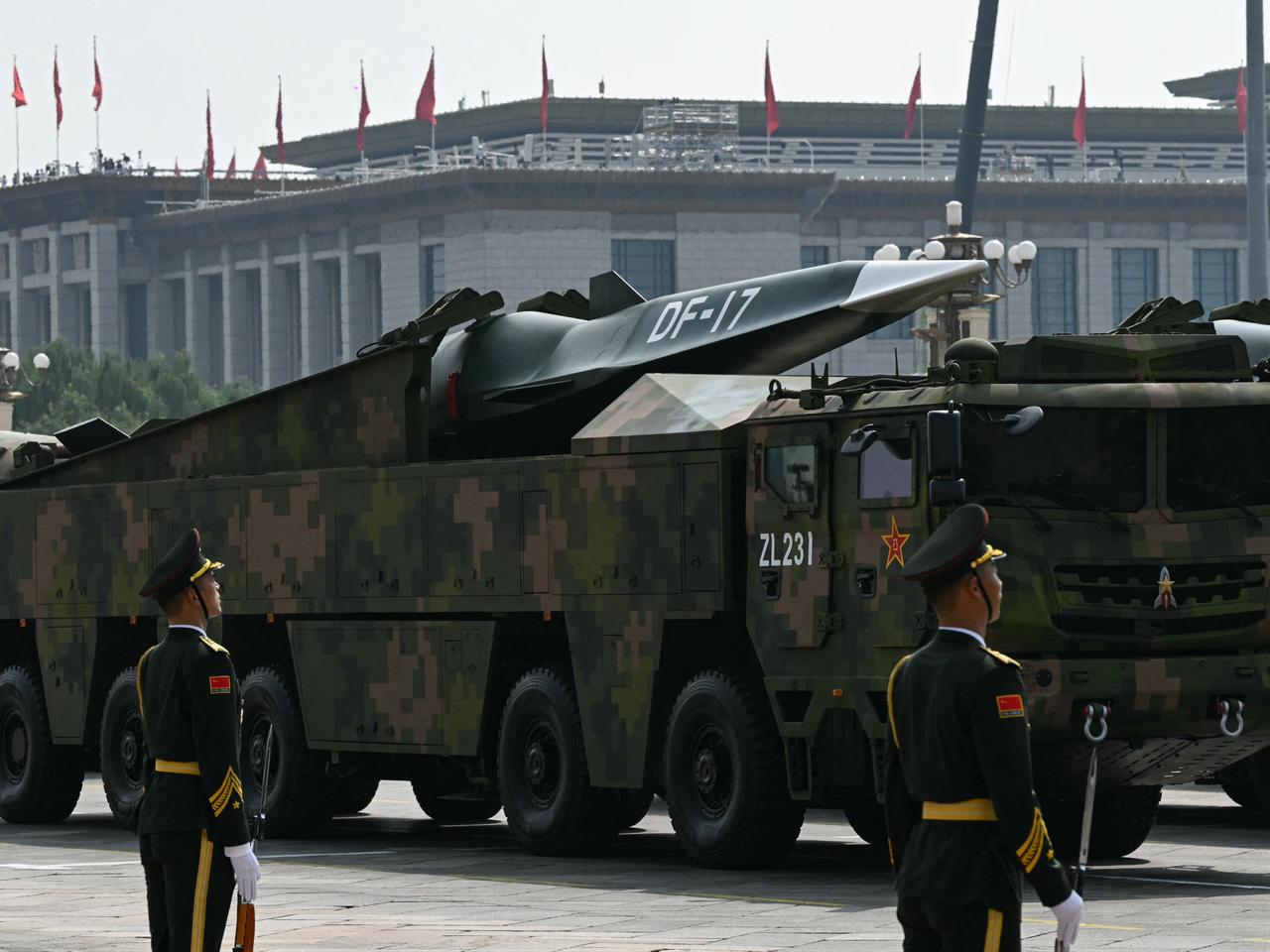

The Pentagon has requested $500 million from Congress for next year to improve the prepositioning of military equipment and fuel across the Asia-Pacific as part of efforts to deter China.
A Lowy Institute report released this week said China could strike northern Australia using ballistic missiles deployed from its outposts in the South China Sea.
Sam Roggeveen, director of the institute’s international security program, said the relative protection offered by southeastern Australia was probably an important factor in selecting the location.
He said the facilities would become clear targets for China once operational.
“Once these facilities are operational, they would be obvious targets for China,” Roggeveen told AFP.
He said the expansion of U.S. forces and equipment in Australia represented a significant shift in Australian policy.
The move binds Australia more closely to Washington’s strategic goals in the region, he added.
Australian National University international security professor John Blaxland said Australia’s geographic position was receiving greater attention because of concerns about the vulnerability of the U.S. military base on Guam.
“With competition for influence in the Indo-Pacific having reached the highest level in over a generation, it is not surprising that the U.S. Marines might look to Australia to enable such storage,” Blaxland said.
He said expanding U.S. investment in Australian military facilities was widely viewed as a practical option in the absence of a major increase in Australian defense spending.
“Barring a massive increase in Australian defense expenditure, for which there is little political appetite, facilitating greater U.S. investment in Australian real estate is widely considered to be the most prudent approach to take,” he said.
The planned facility would allow the U.S. Marine Corps to keep equipment and supplies ready for operations and exercises across the Asia-Pacific while expanding military coordination with Australia.


 Set as preferred source
 Set as preferred source


 1 min read
 1 min read