Newsletters




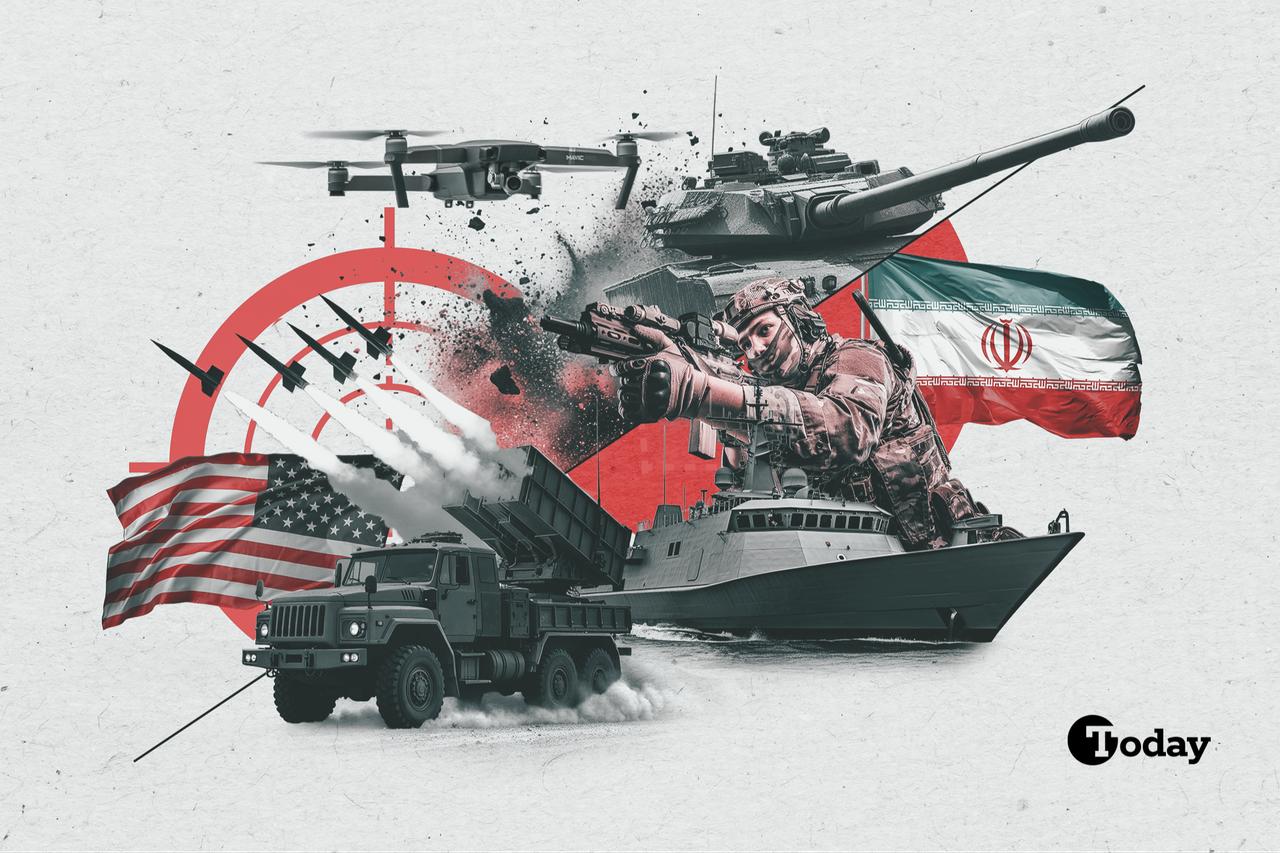
A sweeping majority of Americans believe President Donald Trump will eventually order a large-scale ground invasion of Iran, yet virtually no one wants him to, according to a new Reuters/Ipsos poll that lays bare a deep disconnect between public expectation and public appetite for an expanding Middle East conflict.
The three-day poll, which closed on Thursday, found that 65% of U.S. adults expect Trump to send troops into a major ground war in Iran, while just 7% said they would support such a move. The survey of 1,545 adults nationwide carried a margin of error of roughly 3 percentage points.
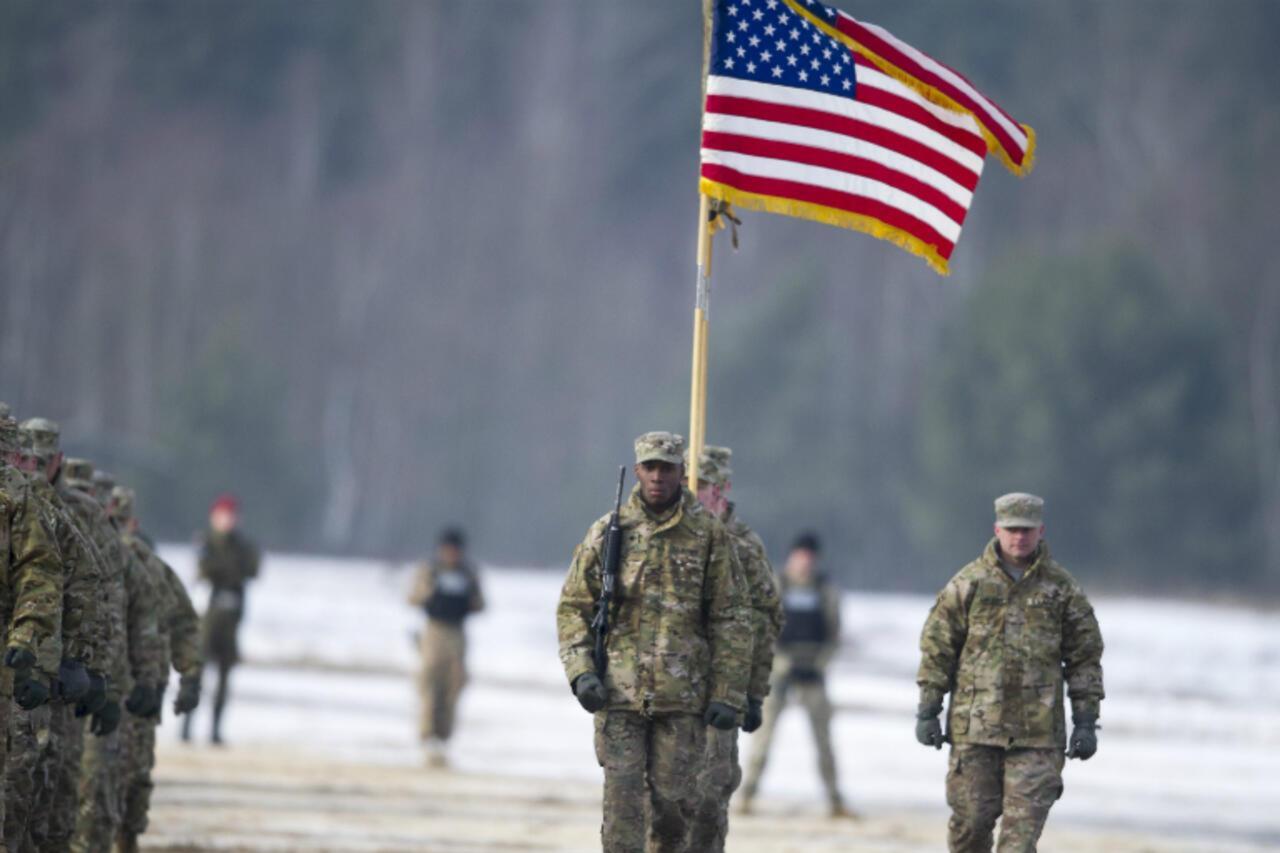
The findings come as the Trump administration has reportedly weighed deploying thousands of additional troops to the Middle East, nearly three weeks after the United States and Israel launched a joint military operation against Iran on February 28.
Overall support for U.S. military action against Iran sits at 37%, with 59% of Americans expressing disapproval, the poll found. The partisan divide is stark: 77% of Republicans said they approve of strikes on Iran, compared with just 6% of Democrats and 28% of independents. Notably, roughly one in five Republicans said they disapprove of the war.
On the specific question of deploying ground forces, 55% of all respondents opposed sending any troops to Iran regardless of the scale. A smaller deployment of special forces garnered more tolerance, with 63% of Republicans and 34% of Americans overall expressing support for that limited option.
Trump's overall approval rating has remained essentially flat amid the crisis, holding at 40%, just 1 percentage point above where it stood in a Reuters/Ipsos survey conducted in the hours immediately after the initial strikes.
Reuters reported Wednesday that the administration has been considering several military options, including using air and naval assets to secure oil tanker passage through the Strait of Hormuz and potentially stationing troops along Iran's shoreline. Officials have also discussed sending ground forces to Kharg Island, the export hub through which 90% of Iran's oil shipments flow.
Trump himself offered a curt dismissal when pressed on the matter Thursday. "Not putting troops anywhere," he told a reporter, before adding, "If I were, I certainly wouldn't tell you."
The conflict has already claimed more than 2,000 lives across the Middle East, including 13 U.S. service members, as Iran has launched retaliatory strikes throughout the region following the initial American and Israeli assault.
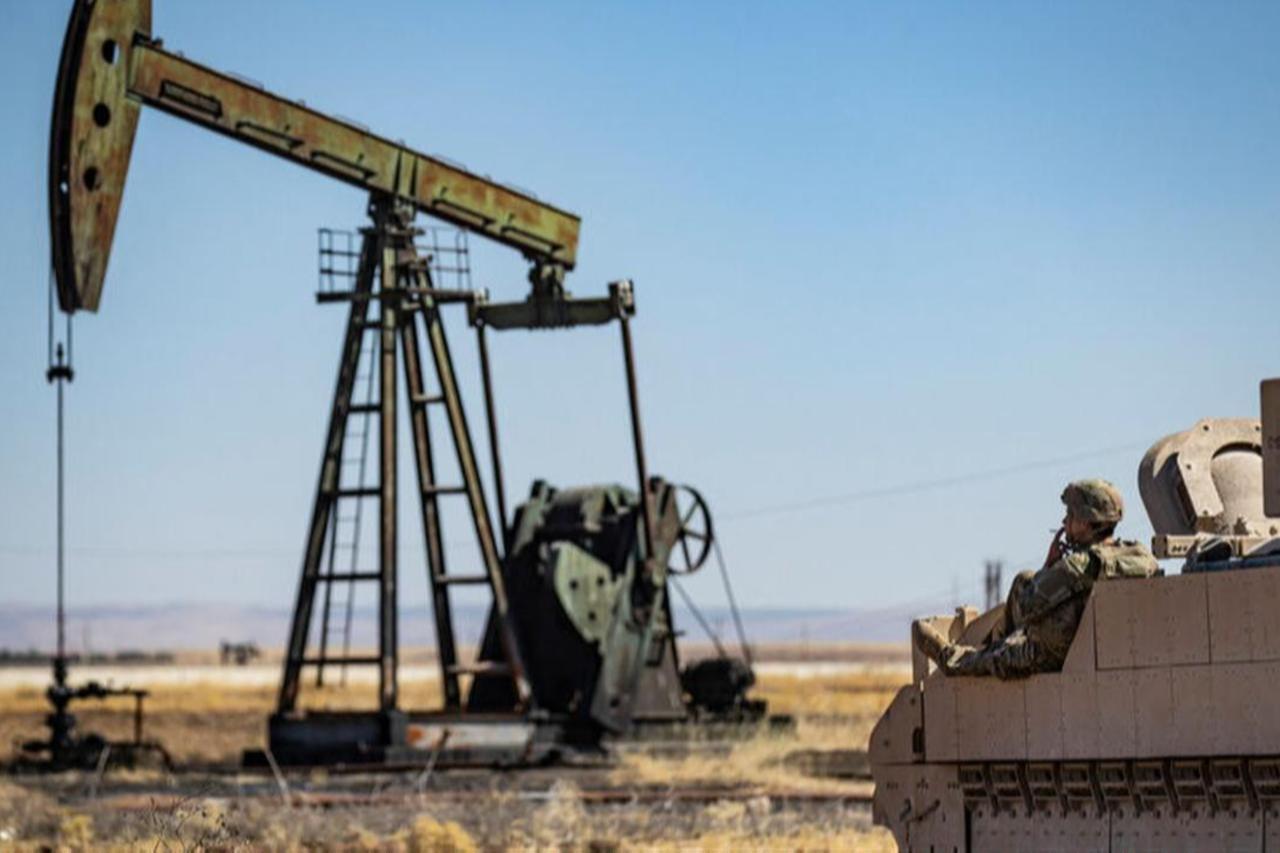

The exchange of strikes on energy infrastructure across the region has driven oil prices sharply higher, rattling stock markets and stoking fears of a renewed inflationary surge, a politically toxic prospect for a president who won office in part on promises to bring down the cost of living.
Inflation had already been a dominant economic concern for American households since the COVID pandemic era.
The war's escalation has put Trump in an increasingly uncomfortable position relative to his own campaign pledges. He returned to the White House last year vowing not only to tame inflation but also to keep the U.S. military out of foreign entanglements, and he has actively pursued the Nobel Peace Prize.
Yet 2025 began with a military strike on Venezuela that resulted in the capture of its leader, and the Iran conflict has proven far more complex, with Tehran retaliating in ways that have disrupted energy supplies critical to the global economy.
Some of the most prominent voices within the MAGA movement have spoken out against the war, warning that the conflict could damage Republican prospects in November's midterm elections, when the party will be defending its congressional majorities. The internal dissent underscores a tension between the administration's military posture and the antiwar instincts of a significant portion of Trump's political base.
The Strait of Hormuz, a narrow waterway between Iran and Oman, is one of the world's most strategically vital chokepoints, with roughly a fifth of the global oil supply passing through it daily. Any sustained disruption to traffic through the strait has historically sent shockwaves through international energy markets. Kharg Island, located in the northern Persian Gulf, has served as Iran's primary oil export terminal for decades, making it a target of considerable strategic significance.


 Set as preferred source
 Set as preferred source


 2 min read
 1 min read