Newsletters


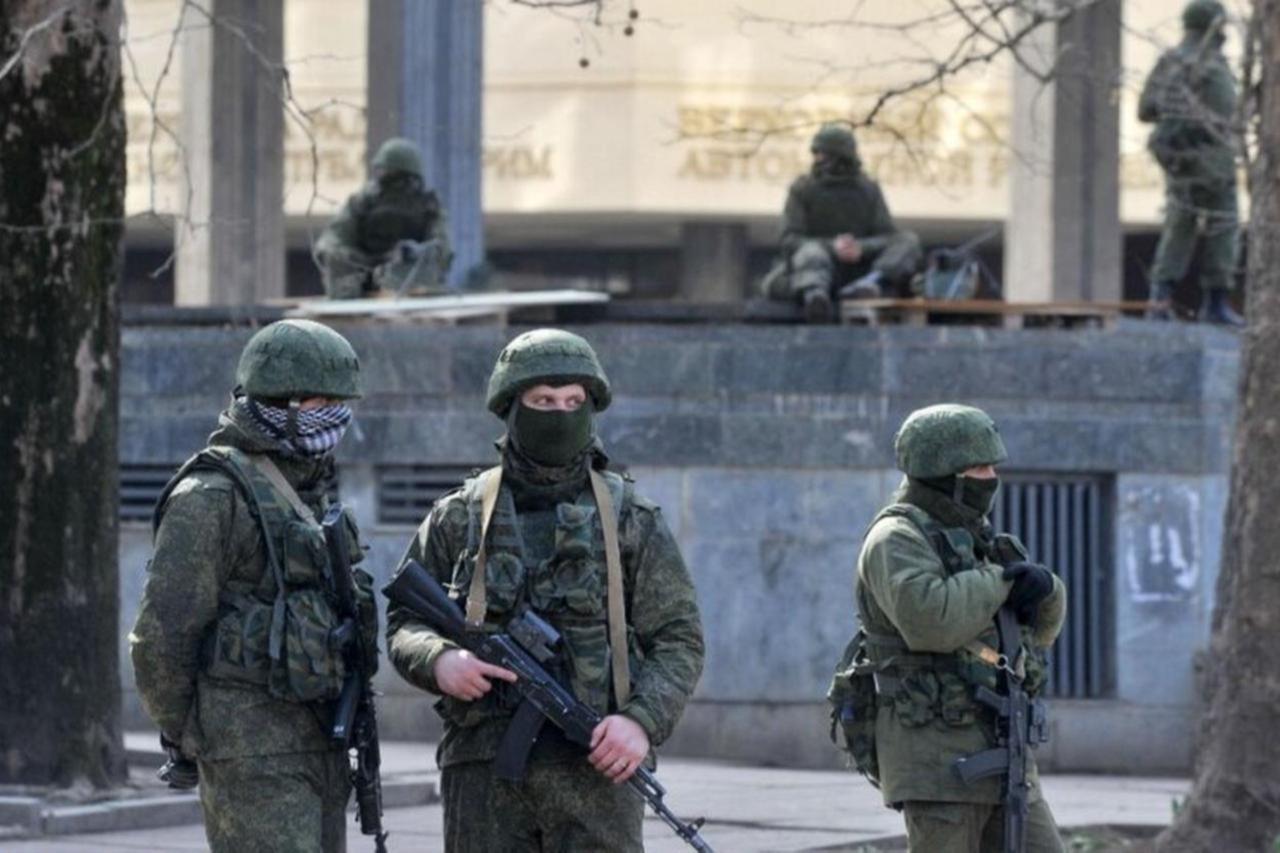


Ukraine’s drone forces are seeking to cut Russian-controlled Crimea off from mainland Russia by disrupting military supply routes, fuel deliveries and access roads, Reuters reported.
Robert Brovdi, commander of Ukraine’s Unmanned Systems Forces, told Reuters that escalating drone attacks had reduced traffic on the Novorossiya highway, a critical Russian military supply route running through occupied southern Ukraine to Crimea, by more than two-thirds over the past month.
Brovdi, widely known by his call sign “Madyar,” said Ukrainian forces expected to gain complete control over the road within another month.
“We will isolate Crimea in the near future,” Brovdi said from an underground command center near the front line.
Ukraine’s strikes have disrupted military logistics and fuel supplies across Russian-controlled territory, prompting authorities to introduce fuel rationing in Crimea last month.
Russia seized Crimea and parts of eastern Ukraine in 2014.
Brovdi described vehicles traveling along the exposed Novorossiya highway as vulnerable to Ukrainian drone attacks.
He compared striking traffic on the route to “shooting partridges in an open field.”
Russia’s Defense Ministry did not respond to Reuters’ request for comment.
Russian President Vladimir Putin acknowledged last week that Ukrainian drone attacks were causing damage but said they did not threaten Russia’s economy.
Brovdi said one of Ukraine’s strategic objectives was to force Russian forces to withdraw rather than continue advancing.
“We will create conditions that will make it extremely difficult for any military personnel or those working in the defense industry to remain in Crimea, in the temporarily occupied territories, or use the access routes to them,” he said.
Military analysts said Ukraine’s mid-range strikes inside Russian-controlled territory had disrupted supplies to the front line and contributed to bringing Russian advances to a near standstill last month.
The attacks have also weakened Russian air defenses, helping clear routes for longer-range Ukrainian strikes against oil infrastructure and weapons production facilities deeper inside Russia.
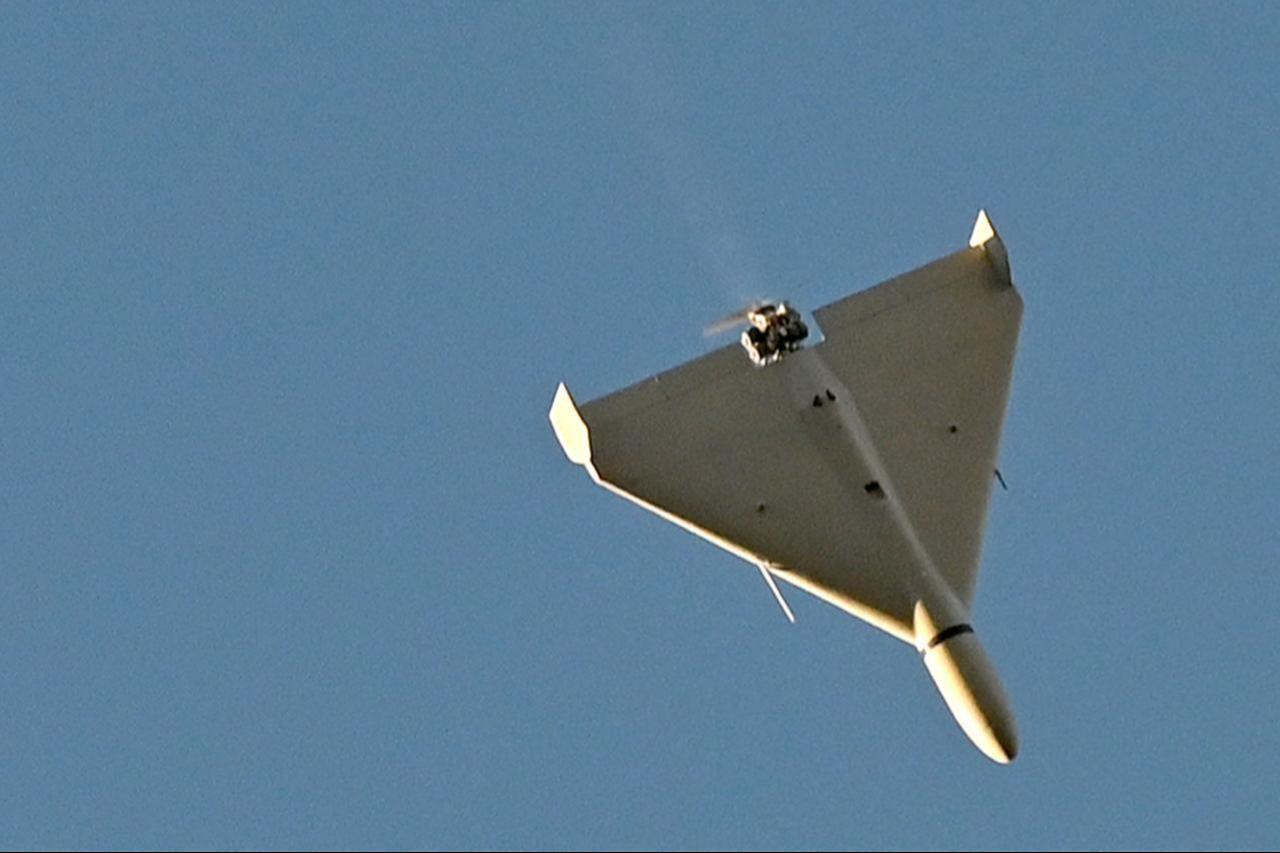

Brovdi took command of Ukraine’s Unmanned Systems Forces last June and has sharply expanded their operations.
The 50-year-old former grain trader said the number of mid-range combat missions had increased 28-fold over the past year.
Deep strikes inside Russian territory rose nearly fourfold during the same period, he said.
In the first five months of 2026, Ukrainian drone units destroyed 174 Russian air defense systems with an estimated value of about $5.4 billion, according to figures provided by Brovdi.
He said systematically targeting Russian troops, oil facilities and weapons production was intended to impose losses severe enough to reduce Moscow’s ability and willingness to continue the war.
“We’re opening the door to vast spaces where the pain of the war, which is felt in nearly every Ukrainian town, should be felt, including in the consciousness of residents,” Brovdi said.
He said Ukraine had not directly targeted civilians and would not do so.
Russia has accused Kyiv in recent weeks of killing dozens of civilians in Russian-controlled parts of Ukraine.
Michael Kofman, a senior fellow in the Russia and Eurasia program at the Carnegie Endowment, said advances in drone technology could make it possible for Ukraine to isolate Crimea over time.
However, he said achieving the broader goal of forcing Russian troops back would still require a coordinated ground offensive.
Kofman also said Russia’s elite Rubicon drone unit was working to counter Ukraine’s current advantage in mid-range drone warfare.
Brovdi was convicted in absentia in Russia on terrorism charges in March and is considered one of Moscow’s highest-value targets.
His operations are directed from a deep underground facility near the front line, where dozens of screens display live battlefield information.
Brovdi founded the Madyar’s Birds unit after joining the Ukrainian military as a volunteer following Russia’s 2022 invasion.
The unit has since developed into Ukraine’s most powerful drone brigade.
Each strike is filmed, verified and recorded, while battlefield data is displayed on monitors and updated in real time.
Between 10 and 12 terabytes of information are archived each day for potential use in future artificial intelligence models.
Brovdi said data analysis was intended to reduce the impact of human fatigue, bias and error in military decision-making.
“This is our accounting from previous business projects, which we adapted just for military purposes,” he said. “We changed grain carriers, wagons and grain to types of weapons and ammunition, and our clientele is a little different.”
Data provided by Brovdi showed that Ukrainian drone forces killed more than 50,900 Russian service members and struck more than 176,500 targets during the first five months of 2026.
The average daily figures were 337 Russian troops killed and 1,169 targets struck, according to the data.
Reuters said it could not independently verify the figures.
Brovdi’s data estimated the average cost of killing one Russian soldier at about $918 over the past year.
Drone units currently account for 2.5% of Ukraine’s armed forces but were responsible for about one-third of Russian losses over the past 12 months, according to figures provided by his command.
Brovdi said Ukraine planned to increase the drone forces to 5% of the military.
“By scaling up the use of unmanned aerial vehicles, not just within the drone units but across the army as a whole, we are significantly increasing the number of targets destroyed,” he said.


 Set as preferred source
 Set as preferred source


 1 min read
 1 min read