Sign in
 Newsletters


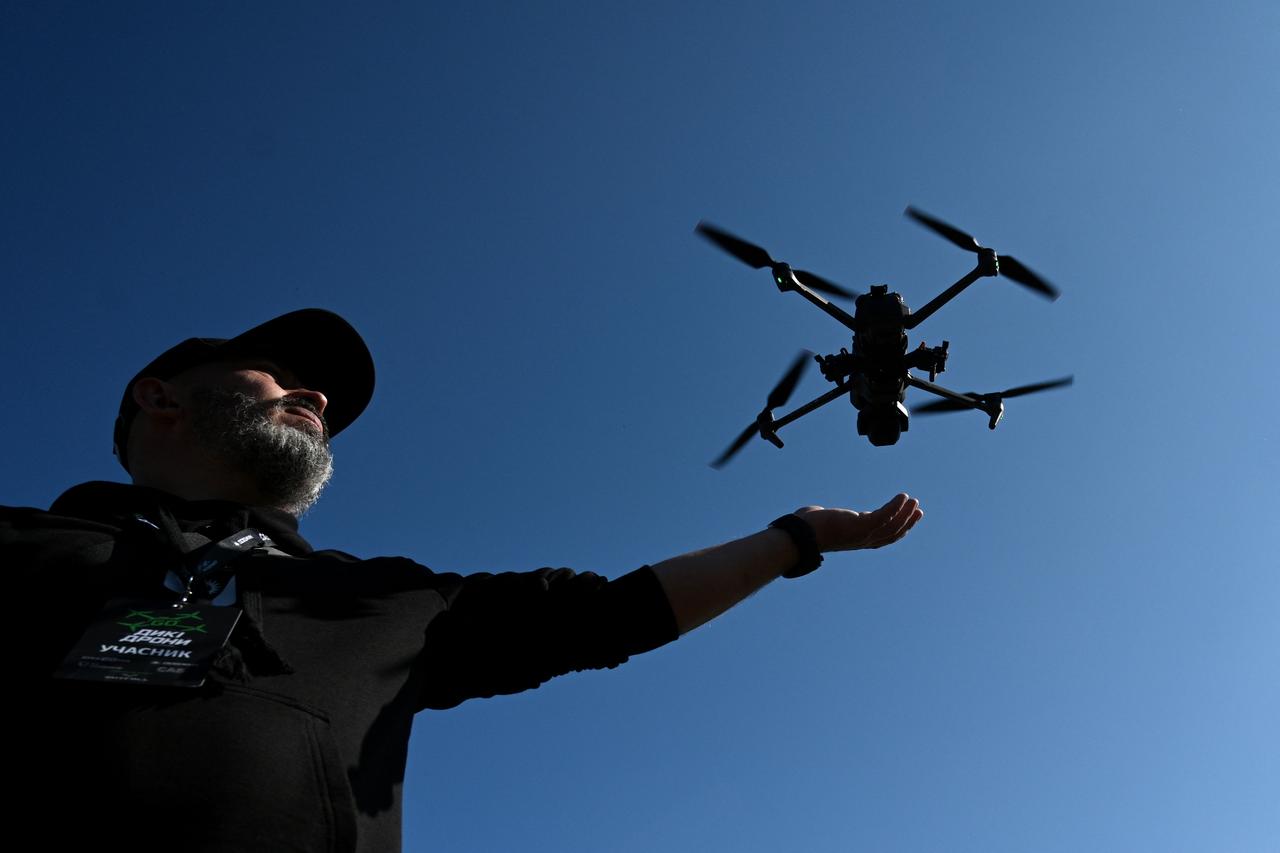


Some Ukrainian drone teams are using Israeli satellite provider HiSKY as an alternative to Elon Musk's Starlink after speed caps hampered their operations, The Wall Street Journal (WSJ) reported, citing two people familiar with the matter.
Some munitions used in Ukraine's attack on the bridge linking occupied Crimea to Russia relied on HiSKY, the newspaper said.
"Unlike Starlink, HiSKY also works inside Russia, and Ukrainian drone teams have used it to hunt Russian ballistic-missile launchers," one source told the WSJ.
"But the Israeli system requires more technical expertise, including specialists present during missions," the source added. That makes it likely to be used only for high-value missions rather than the routine drone sorties Ukraine launches daily.
Ukrainian forces are also turning to mesh networks, which relay radio signals between drones, and cellular networks. Both have drawbacks: cellular links work only in some areas and are easier to jam, while mesh networks need expensive equipment and often suffer video lag.
European providers such as Eutelsat's OneWeb have far smaller networks than Starlink and more expensive terminals.
"At present, we do not have a fully viable alternative to replace Starlink," Dmytro Batekha, founder of Ukrainian military analysis group Oko Hora, told the WSJ.
"Many Ukrainian drones are configured for SpaceX's services and often must be sent back to manufacturers to work with other systems," he added.
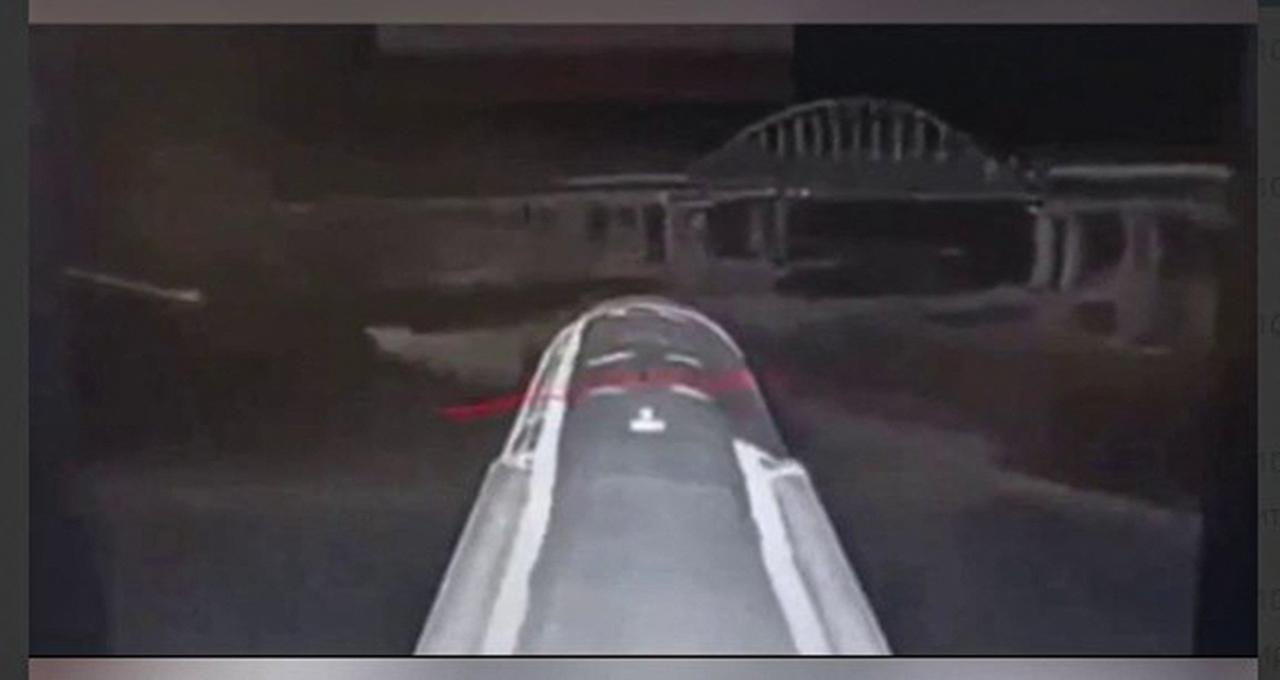

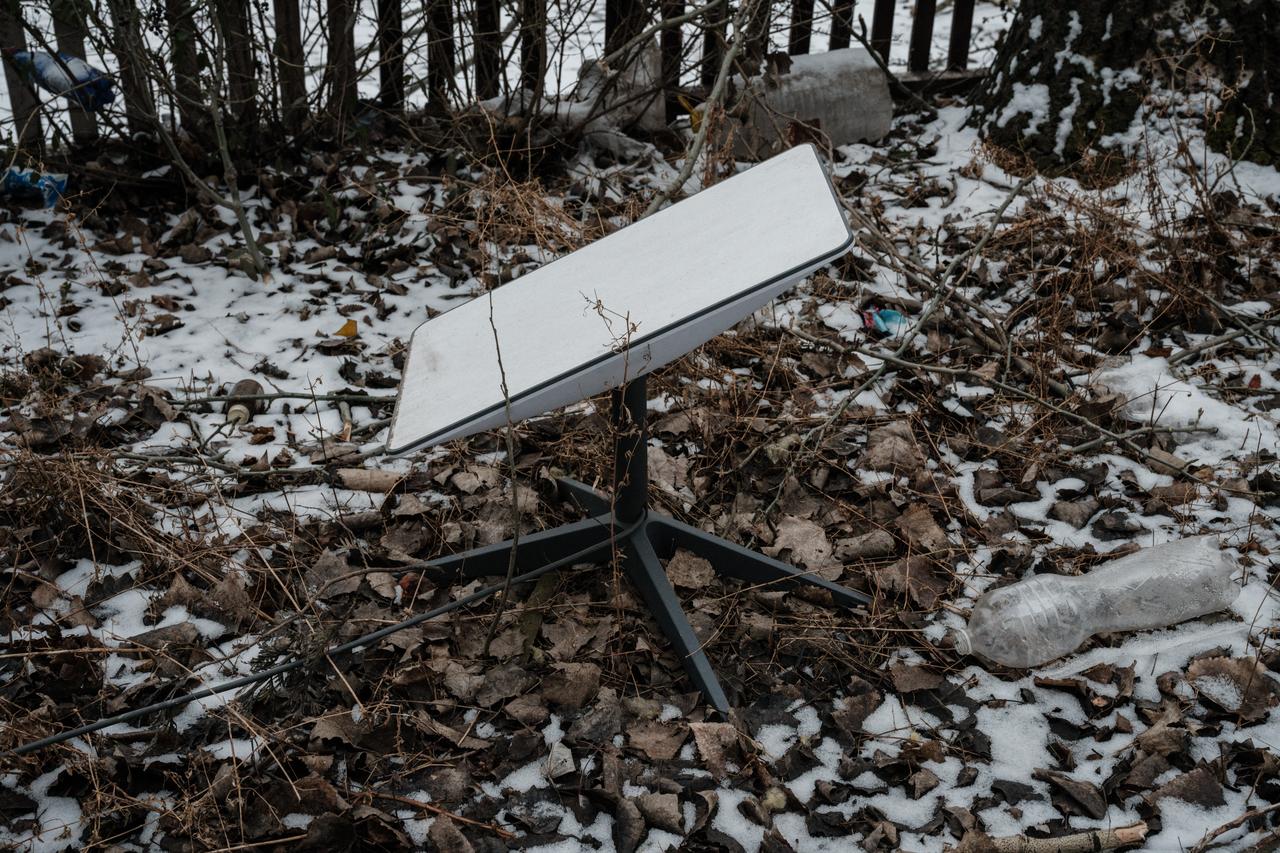
Ukraine relies on Starshield, the military-grade version of Starlink provided by SpaceX under U.S. government contracts, to disrupt Russian army logistics and help intercept jet-powered Russian drones.
Ukrainian units say they faced speed limits of 100 miles per hour on Starshield terminals during two periods this fall. At that speed, strike drones are easier for Russia to shoot down and interceptors have little chance of catching Russian jet-powered drones.
"Since they capped the speed, there are some missions we can't do, including missile interceptions," Senior Lt. Vladyslav Oliinyk of Ukraine's First Separate Assault Regiment told the newspaper.
"What you see is a gradual loss of efficiency. Fewer opportunities. More work for the same result," said a midrange drone pilot known by his call sign Loza.
 2 min read

Musk first ordered speed limits in October amid tensions between U.S. President Donald Trump and Ukrainian President Volodymyr Zelenskyy, and Trump later asked him to restore the service after a backlash.
Since Nov. 10, Ukrainian drone units say they have again faced a 100 mph cap over Russian-occupied areas.
Neither SpaceX nor the U.S. government has admitted responsibility.
Musk has said that any disruptions Ukraine has reported with Starshield are the responsibility of the U.S. government, not SpaceX.
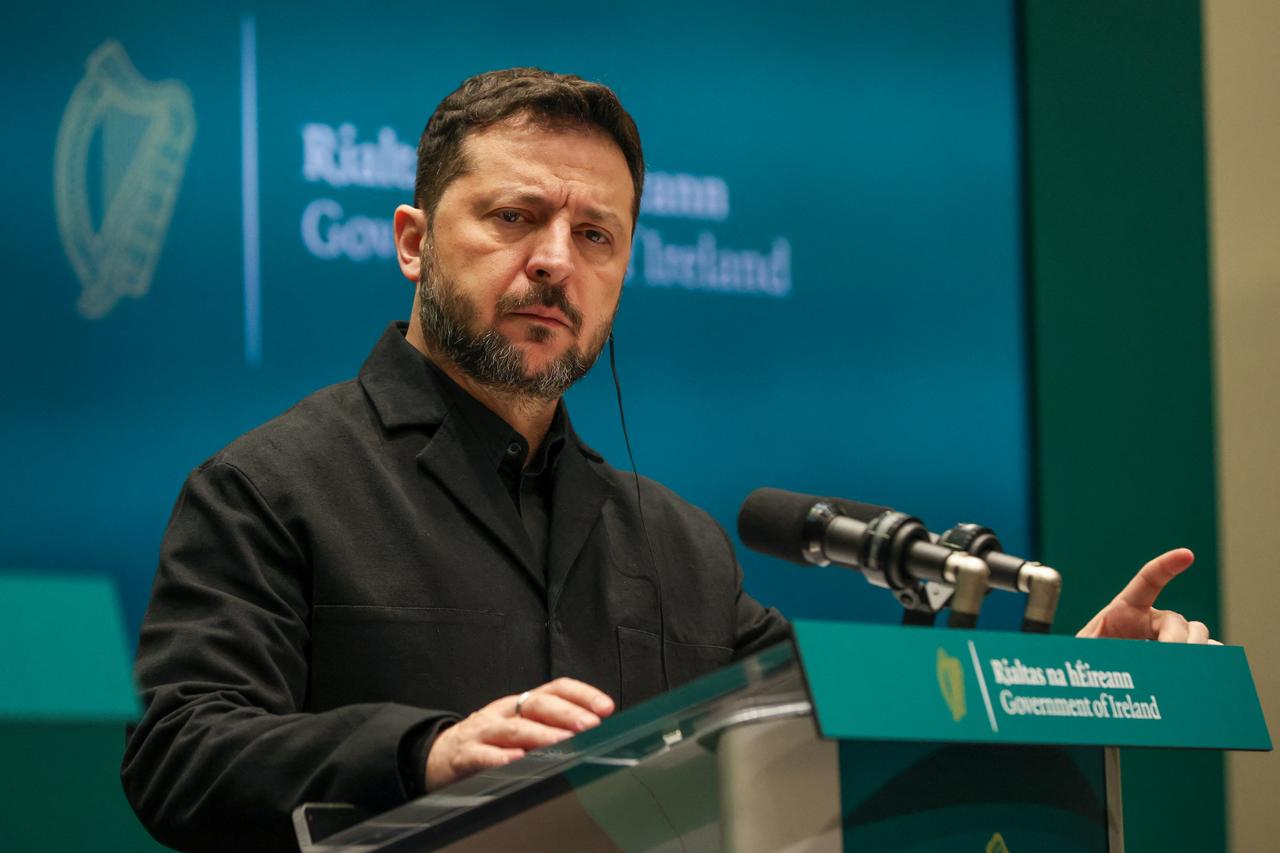
Zelenskyy said Nov. 12 that Ukraine faced "systematic" restrictions on Starshield that were "not random errors."
"Because of the speed restrictions we simply cannot catch up with them in time," Zelenskyy told EU leaders in Dublin, referring to Russian jet-powered drones. "And this means more Russian strikes get through and more of our people are killed."
The European Commission called on SpaceX to restore service.
"Starshield services must be restored urgently for Ukraine to keep its soldiers connected, to protect its citizens and to defend its territory," spokesman Thomas Regnier said.
Musk rejected Zelenskyy's account at The New York Times DealBook Summit on Nov. 18.
"That's false. I don't want to blow your mind, but Zelenskyy is not always truthful," he said.
Musk said Zelenskyy "is lying, and what he is actually saying is he wants to use Starlink for military, offensive military operations." He added, "We have declined to do so, as we have declined to do so from the beginning of this conflict. End of story."


 Set as preferred source
 Set as preferred source


 1 min read