Sign in
 Newsletters




“One misfortune is worth a thousand pieces of advice.” This Turkish proverb captures how people often learn their lessons only through hardship.
The crisis of trust between the United States and Europe since Trump's first term, together with the war in Ukraine, has served as such a lesson for Europe, exposing its lack of self-sufficiency in defense and security and its dependence on American protection.
During Trump's first term, it became increasingly clear that the United States was no longer willing to invest in European security to the same extent as before.
French President Emmanuel Macron and former German Chancellor Angela Merkel were among those who warned that Europe needed to take its destiny into its own hands, prompting a renewed debate on European strategic autonomy.
Historically, France has been one of the leading European countries to champion this approach. In 1929, Aristide Briand proposed creating a “United States of Europe” to strengthen European cooperation and enhance the continent's international influence amid the economic turmoil of the interwar period. Later, Charles de Gaulle stressed the importance of European self-sufficiency, stating in 1962: “Europe must be organized so that it depends on no one.”
During the Cold War, the strength of transatlantic relations contributed to de Gaulle's approach being portrayed as a form of “anti-Americanism.” Yet given Europe's continued dependence on the United States today, perhaps his concerns were not entirely misplaced.
The war in Ukraine has demonstrated how difficult it would be for Europe to defend itself without American support in a crisis.
Under former U.S. President Joe Biden, Europe once again postponed taking the necessary measures, reassured by Washington's continued commitment to transatlantic relations and its willingness to share the burden of supporting Ukraine. Under Trump's second administration, however, Europe has been forced to assume greater responsibility for supporting Ukraine, while new dimensions of its dependence on Washington have come to light.
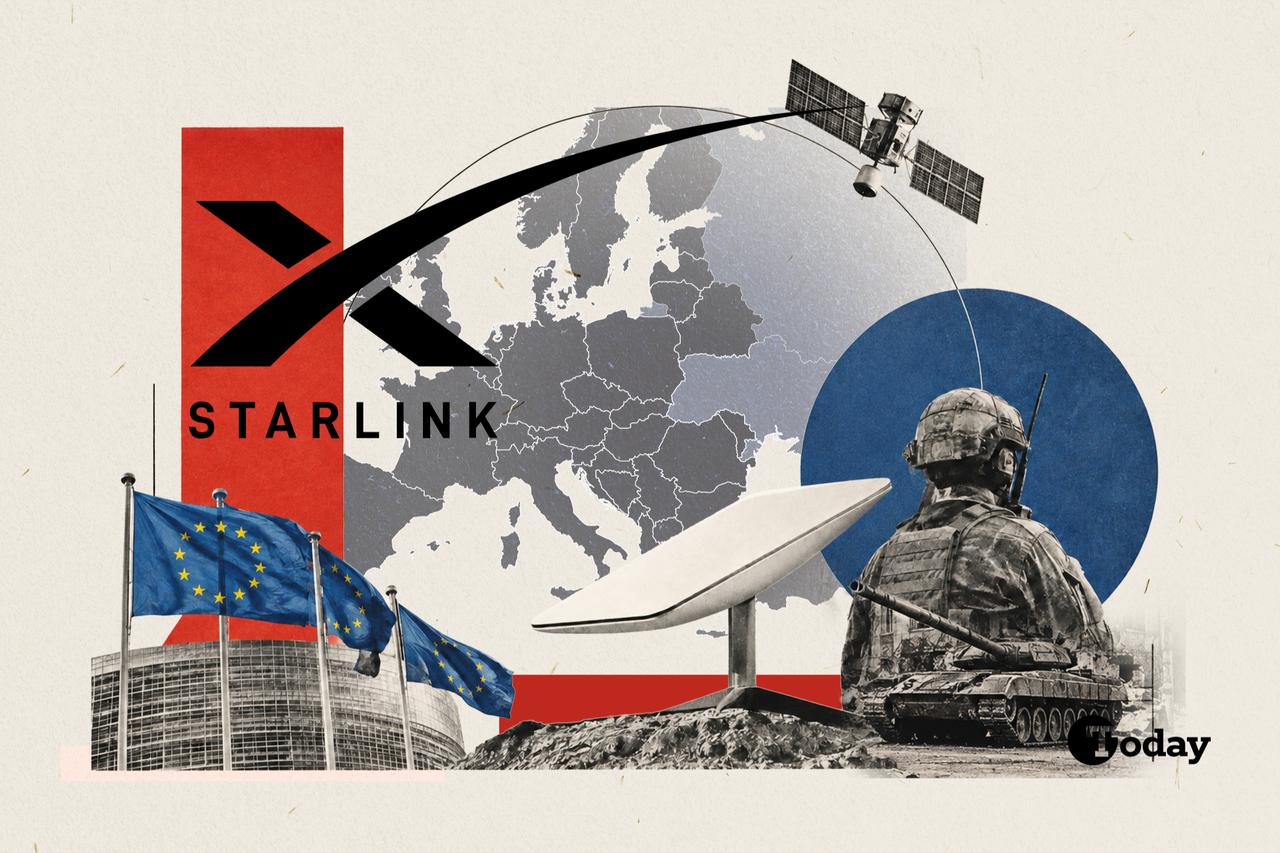
One issue that has attracted considerable attention recently is Europe's dependence on Starlink, SpaceX's satellite communications network, and its military- and intelligence-oriented counterpart, Starshield.
Recent disruptions to Starlink's services have affected Ukrainian military operations, highlighting the risks associated with this dependence.
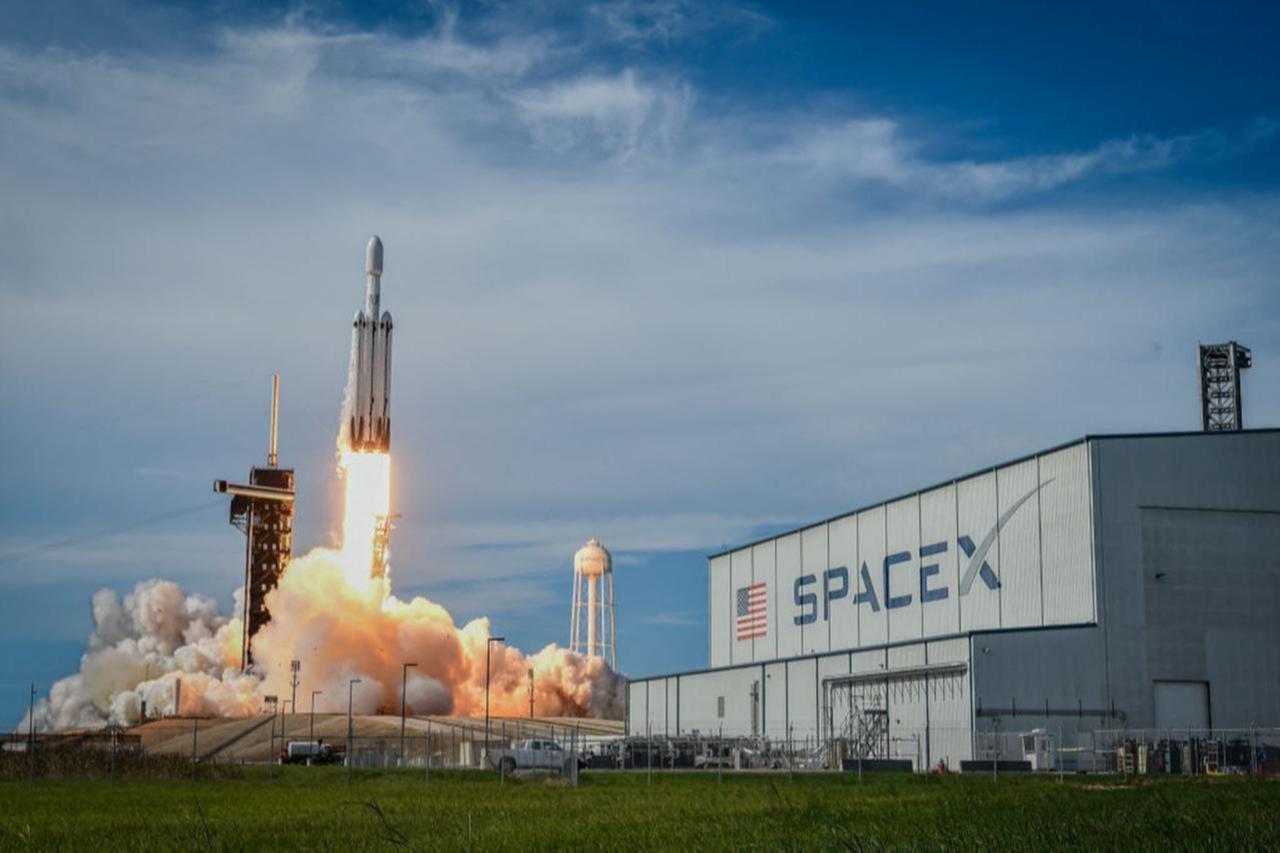

Starlink provides internet access through portable terminals that connect to thousands of low-Earth-orbit (LEO) satellites. Its compact, lightweight terminals provide high-speed, low-latency connectivity, making the system particularly valuable for military operations.
The Pentagon is a major customer of Starshield. Elon Musk has stated that Starshield systems are owned and controlled by the U.S. government, with any restrictions on speed or usage determined by the U.S. military or the President.
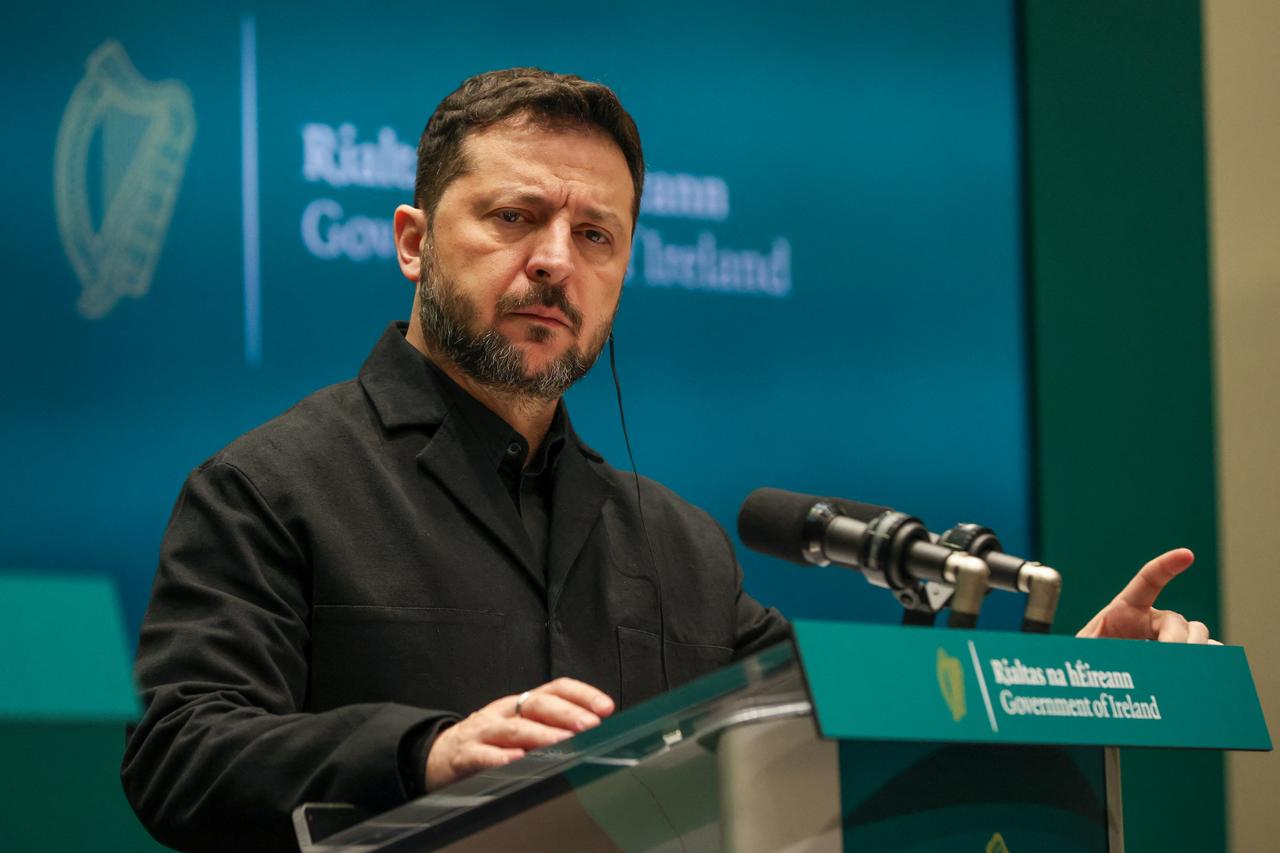
Following speed restrictions imposed on the service last month and again this month, Ukrainian President Volodymyr Zelenskyy said the limits were hampering efforts to intercept Russian drones and were “helping the Russians kill more Ukrainians and carry out more accurate strikes against Ukraine.”
The restrictions disrupted Ukrainian operations involving interceptor drones designed to counter Russia's jet-powered Shahed drones. Starlink is particularly important for Ukraine because it provides high-speed connectivity in areas where terrestrial communications infrastructure has been damaged or is no longer available.
By early 2025, approximately 42,000 terminals were reportedly in use across Ukraine, supporting a wide range of military operations, including drone operations.
Although the U.S. government has not accepted responsibility for the restrictions, their timing raised questions. The first round of restrictions reportedly coincided with Ukrainian strikes on Russian energy infrastructure, rising energy prices and a U.S.-Russia diesel agreement ahead of the U.S. midterm elections.
The second round coincided with peace talks involving Russia, Ukraine and the United States, prompting speculation that Washington may have used the restrictions as a means of pressuring Kyiv.
Regardless of who was responsible, the incident exposed Europe's reliance on U.S. capabilities in two critical areas: LEO satellite communications and space-based infrared systems for early warning. The incident also underscores one of the central challenges of NATO 3.0: Europe's need to assume greater responsibility for its own security.
In addition to relying on U.S. troop deployments, European allies remain heavily dependent on American capabilities in command and control, air and missile defense, air-to-air refueling, strategic airlift, and space-based intelligence, surveillance and reconnaissance (ISR).
Europe has alternative satellite networks, including Eutelsat's OneWeb, a LEO constellation of approximately 600 satellites that provides secure connectivity to governments, including the Ukrainian government, and SES's O3b mPOWER, which operates in Medium Earth Orbit (MEO).
However, their combined capacity remains far below that of Starlink, which has approximately 10,000 satellites in orbit and reportedly accounts for 85–90% of the world's non-Chinese communications satellites.
Following the first Starlink disruption in Ukraine, the European Commission accelerated its antitrust review of Project BROMO, which brings together Airbus, Thales and Leonardo to strengthen Europe's satellite manufacturing capabilities.
However, satellite manufacturing is only one part of the challenge. Europe also faces significant constraints in launch capacity, which is essential for deploying satellites into orbit, as well as in the availability of affordable connectivity hardware. In particular, military-grade satellite terminals capable of replacing Starlink are considerably more expensive, making alternative systems difficult to deploy on a comparable scale.
In the meantime, Europe has sought to bridge this gap by integrating existing European satellite services into an interim system.
One such initiative is the EU's GOVSATCOM program, which became operational in January 2026. It pools unused secure governmental satellite capacity from five member states and makes it available across the union.
The EU's longer-term objective is IRIS², a planned 348-satellite constellation operating in LEO and MEO, developed by SES, Eutelsat and Hispasat. With launches scheduled to begin in 2029 and initial services expected in 2030, IRIS² aims to strengthen Europe's digital independence. Nevertheless, its planned scale will remain considerably smaller than that of Starlink.
Neither Ukraine nor Europe is likely to overcome its dependence on Starlink in the near future. The coming winter is likely to pose further challenges for Ukraine, as depleted stocks of Patriot missiles and potential disruptions to Starlink services could leave the country more vulnerable to Russian drone and missile attacks.
For Europe, failing to translate discussions on strategic autonomy into concrete action could have serious consequences in the event of a future conflict involving NATO allies.
Moreover, the preference of countries such as Germany and Italy for developing national satellite networks rather than investing jointly in military space capabilities could intensify competition for leadership in this field.
Such fragmentation could become a major obstacle to Europe's efforts to build a satellite network capable of providing a credible alternative to U.S. systems.


 Set as preferred source
 Set as preferred source


 1 min read
 1 min read