Newsletters


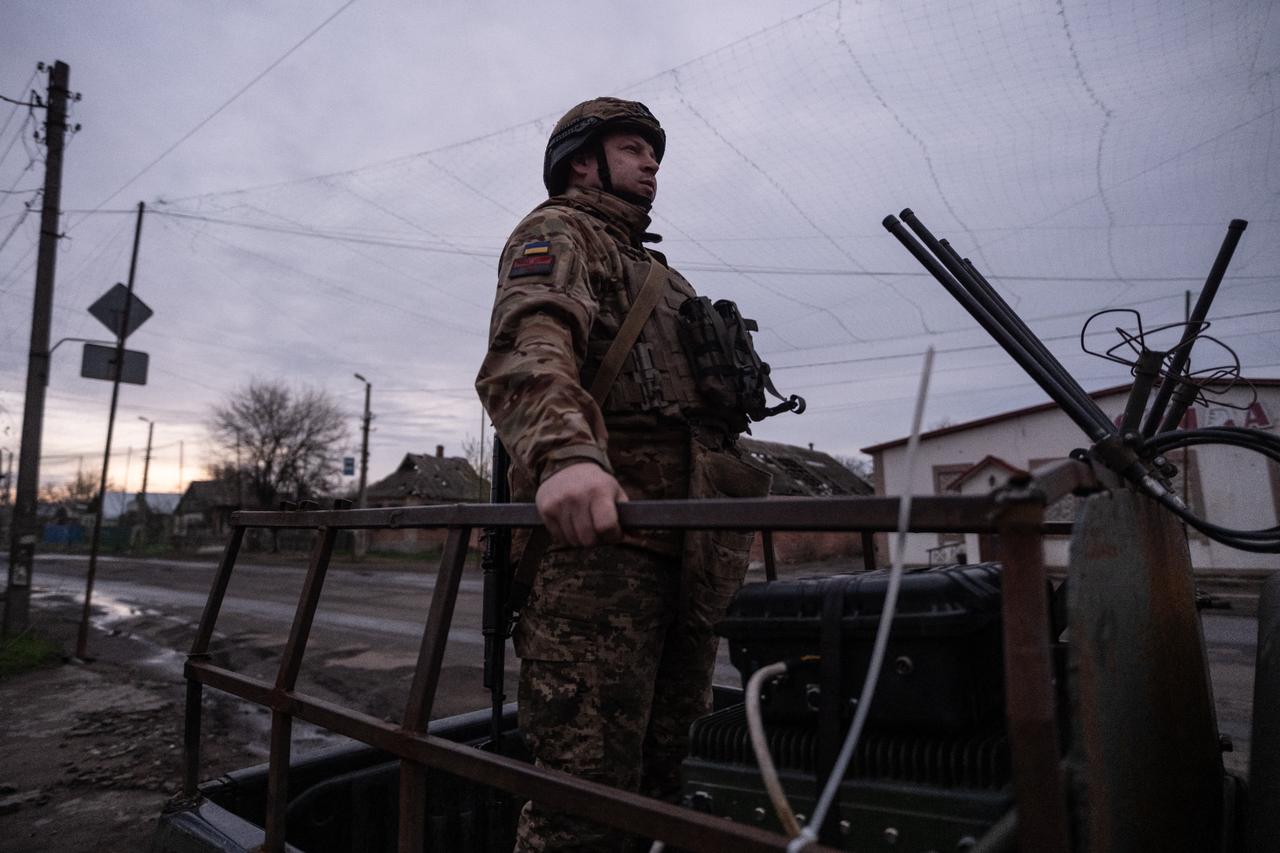


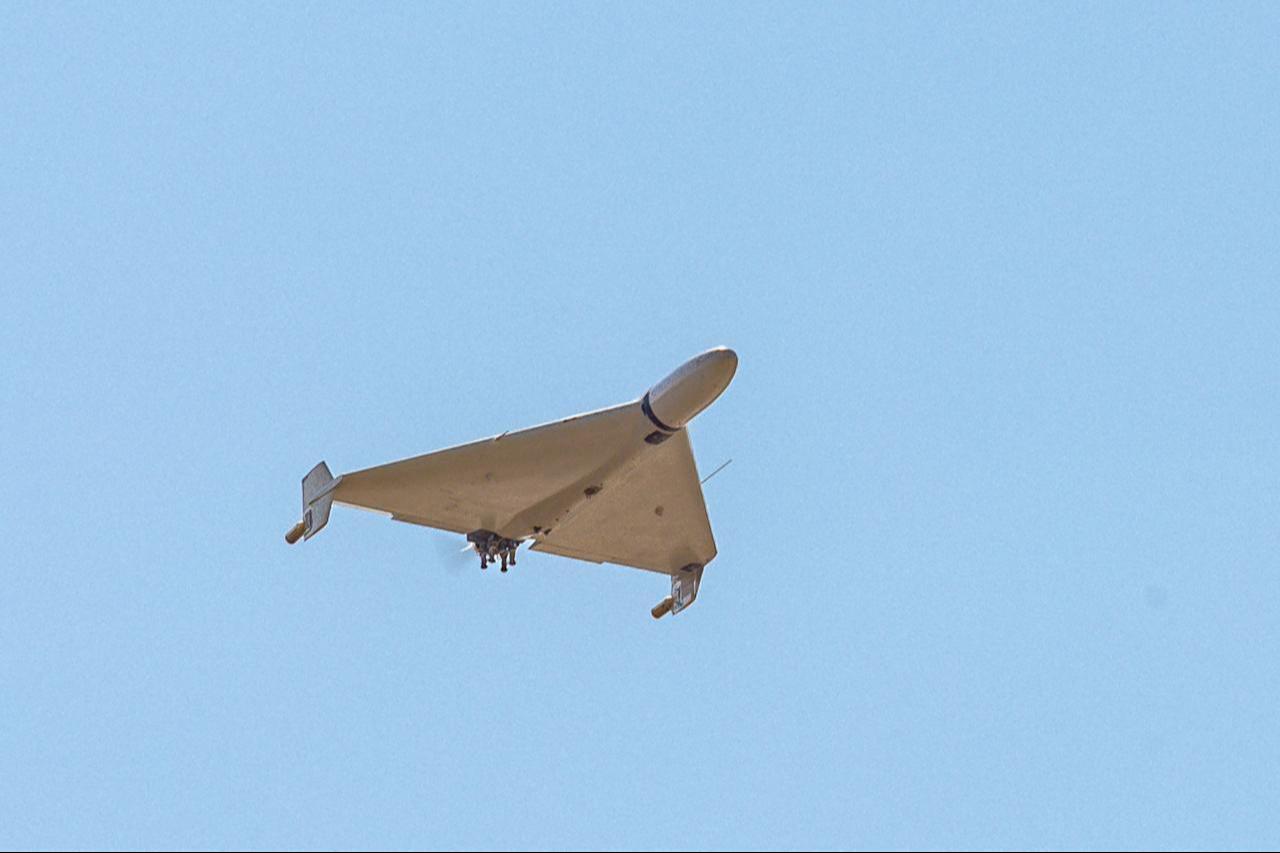
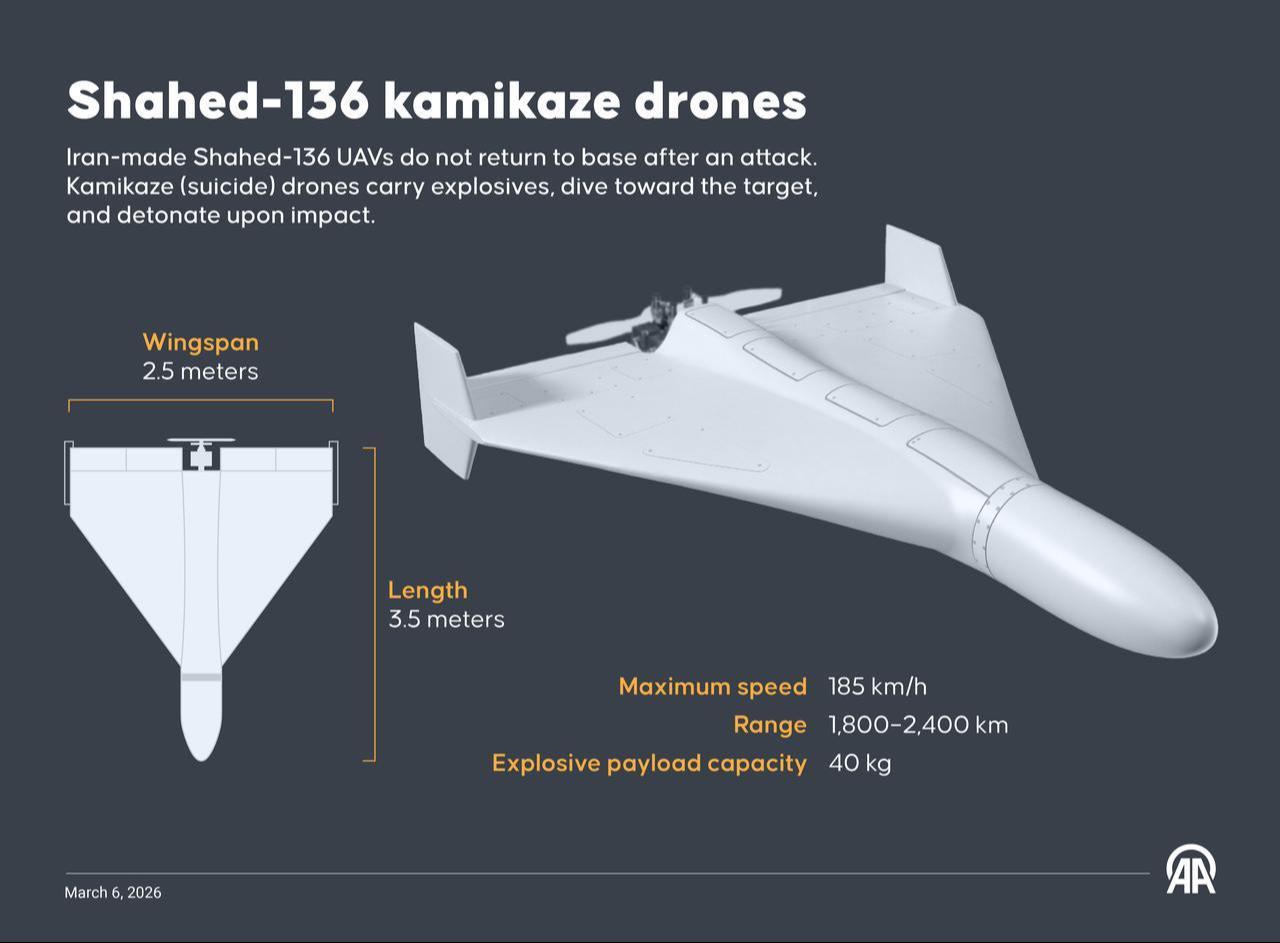
Ukrainian President Volodymyr Zelenskyy confirmed Friday that Ukrainian military personnel shot down Iranian-designed Shahed drones in multiple Middle Eastern countries during the Iran war.
It marked the first public acknowledgment of Kyiv's active combat role in the region and revealed that 228 Ukrainian experts were deployed across at least four countries in exchange for weapons, fuel, and financial arrangements.

Zelenskyy made the remarks to reporters on Wednesday in comments embargoed until Friday.
"We demonstrated to some countries how to work with interceptors. Did we destroy Iranian shaheds? Yes, we did. Did we do it in just one country? No, in several. And in my view, this is a success," Zelenskyy said.
He was explicit that the operations were not training exercises.
"This was not about a training mission or exercises, but about support in building a modern air defense system that can actually work," he said.
Ukrainian forces used domestically produced, battle-tested interceptor drones proven in countering Iranian-designed Shahed drones used by Russia in Ukraine.
Zelenskyy said Ukrainian teams also downed Iranian drones with jet engines during the operations.
Zelenskyy said 228 Ukrainian experts were deployed in the region. Kyiv dispatched anti-drone personnel to at least four countries after U.S. and Israeli strikes on Iran sparked a wave of retaliatory drone attacks.
He did not identify the specific countries involved but confirmed personnel operated across several nations.
Zelenskyy said the Ukrainian drone units would remain in the region even after the U.S.-Iran ceasefire. As Iran launched drones at Gulf countries, 11 countries tapped Ukraine's expertise in repelling similar attacks.
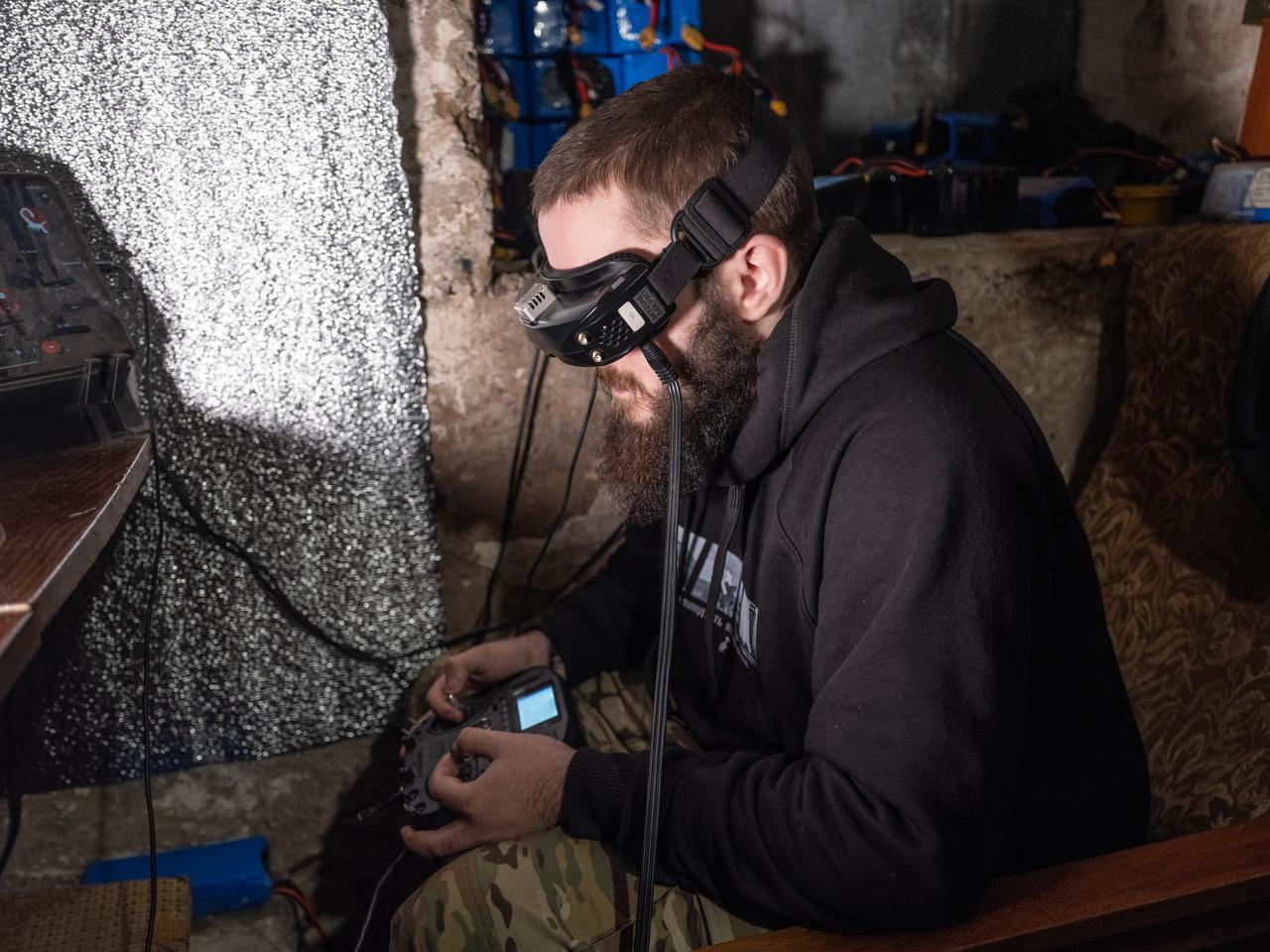
Zelenskyy said the arrangements were reciprocal and strategically significant for Ukraine.
"We are helping strengthen their security in exchange for contributions to our country's resilience. This is far more than simply receiving money," Zelenskyy said.
In exchange for its support and expertise, Ukraine is receiving interceptors to protect its energy infrastructure, oil, diesel fuel and, in some cases, financial arrangements, he said.
"In some cases, it involves interceptors to protect our energy infrastructure; in others, there are financial arrangements," Zelenskyy said, adding Ukraine could also receive oil supplies.
The deployments paved the way for 10-year security agreements Ukraine reached with Saudi Arabia, Qatar and the United Arab Emirates (UAE).
Zelenskyy said Kyiv is now in talks with Oman, Kuwait and Bahrain to reach similar agreements, in a move he said would further cement Ukraine's changing role in the region.
Zelenskyy described the partnerships as something that would "be marketed" as Kyiv seeks to formalize and expand its defense export role.
"This was not about a training mission or exercises, but about support in building a modern air defense system that can actually work," he said.


 Set as preferred source
 Set as preferred source


 1 min read
 1 min read