Newsletters


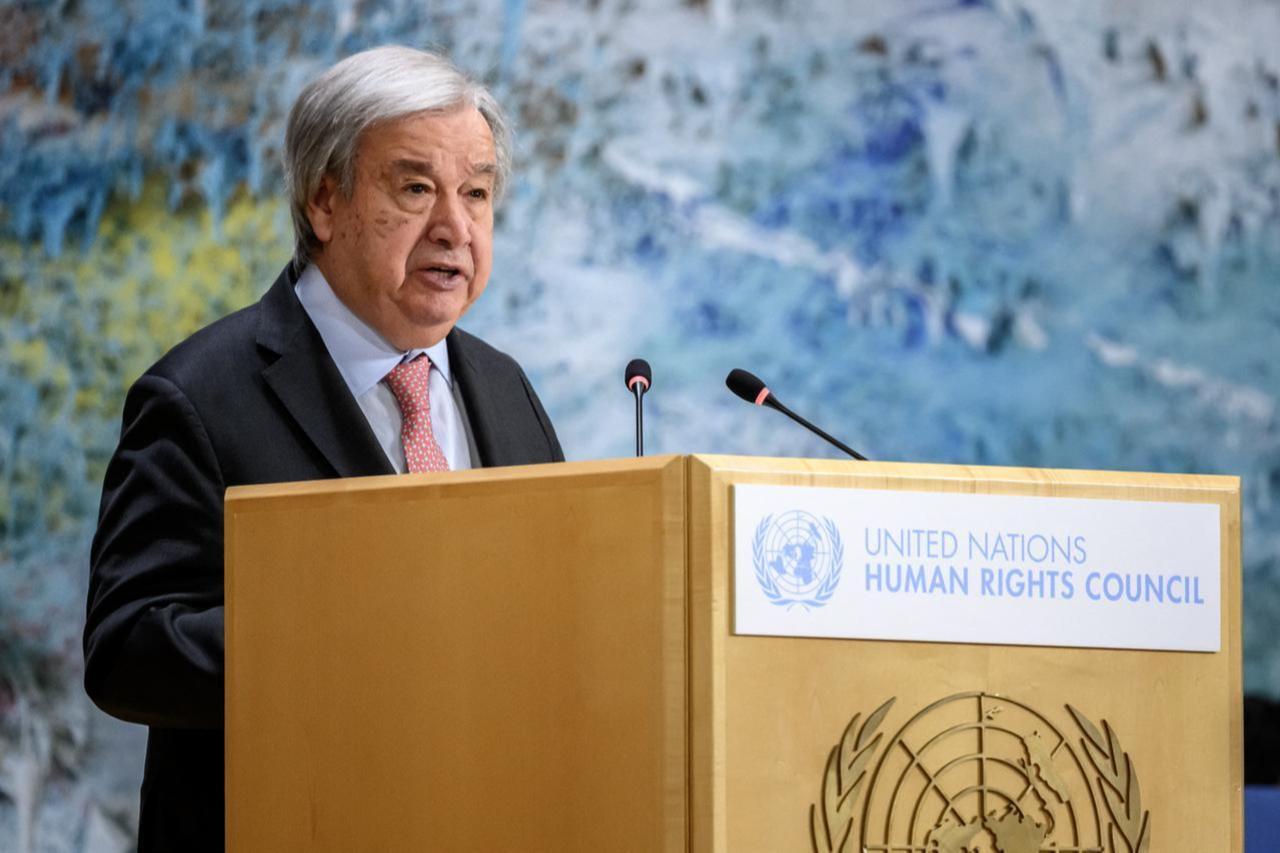


United Nations Secretary-General Antonio Guterres called on governments Wednesday to act without delay in establishing shared international rules for artificial intelligence, warning that the longer the technology advances without a global framework, the less influence nations and citizens will retain over its direction.
Speaking at an international AI event, Guterres unveiled a new UN initiative approved by the General Assembly: an Independent Scientific Panel on AI comprising 40 experts drawn from across the world. ,
He described the body as "the first global, fully independent scientific body dedicated to helping close the AI knowledge gap and assess the real impacts of AI across economies and societies."
Guterres framed the panel's core mission as one of clarity and credibility in an information environment increasingly clouded by hype and disinformation.
The panel, he said, is intended to help "separate fact from fakes and science from slop," providing governments and the public with what he called a "reliable and non-biased understanding" of the technology.
The panel is designed to operate on a continuing basis as AI capabilities evolve, rather than as a one-time advisory body.
Guterres acknowledged the transformative potential of the technology while cautioning against uncritical optimism. AI, he said, "could be the most powerful engine for development, speeding the world's progress on everything from health and hunger to learning and climate," but the panel would be equally clear-eyed about the harms the technology can cause.
The remarks reflect a broader tension at the center of international AI policy debates, where governments are attempting to balance economic and scientific opportunity against risks ranging from labor displacement to autonomous weapons and algorithmic bias.
 1 min read

The Secretary-General announced that the inaugural Global Dialogue on AI Governance will convene in Geneva next week, with member states participating.
Guterres said he plans to attend and indicated he would soon put forward proposals to help countries build the technical and institutional capacity needed to engage with AI and share in its economic benefits.
His message to governments was direct: "The more AI advances without shared rules, the less say governments and people will have in the outcome. So, our message to governments is simple: do not wait."


 Set as preferred source
 Set as preferred source



 1 min read