Newsletters


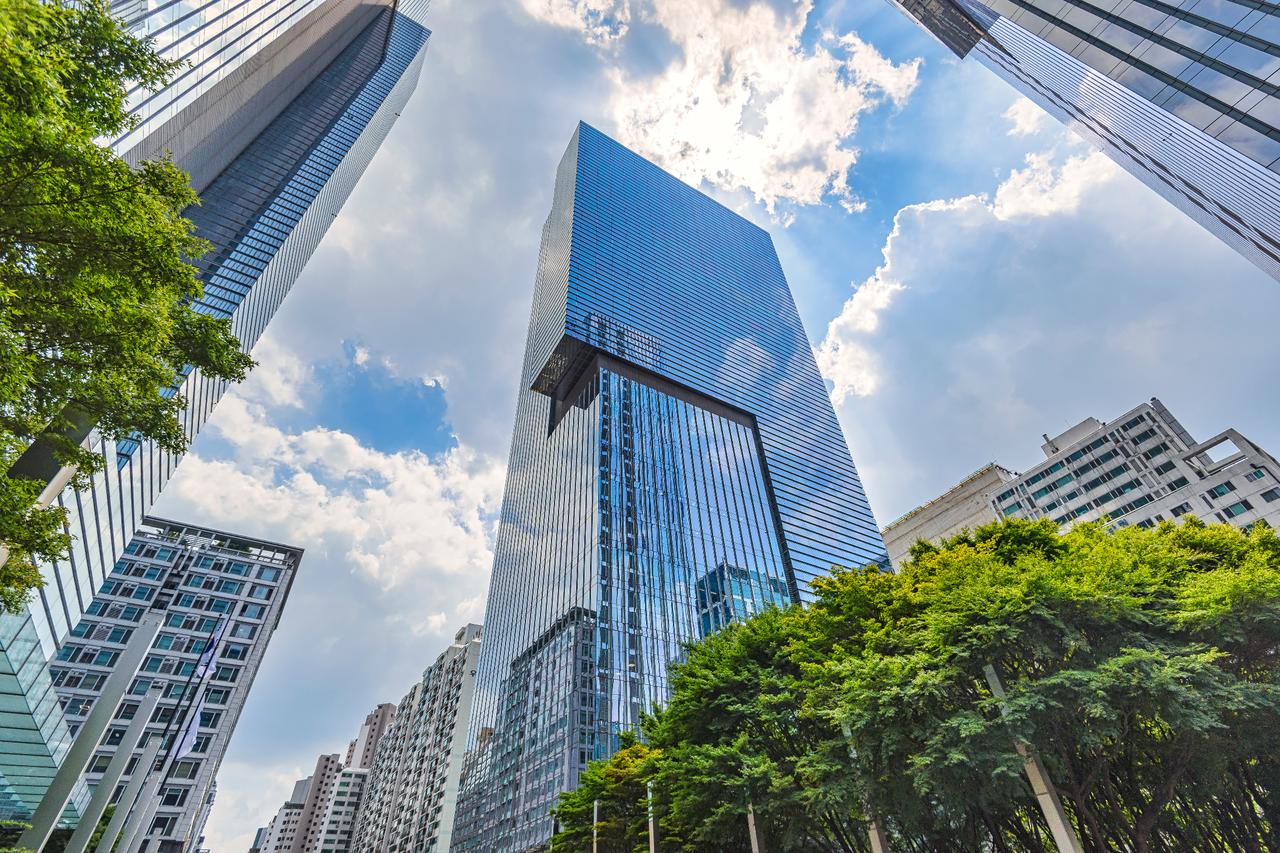


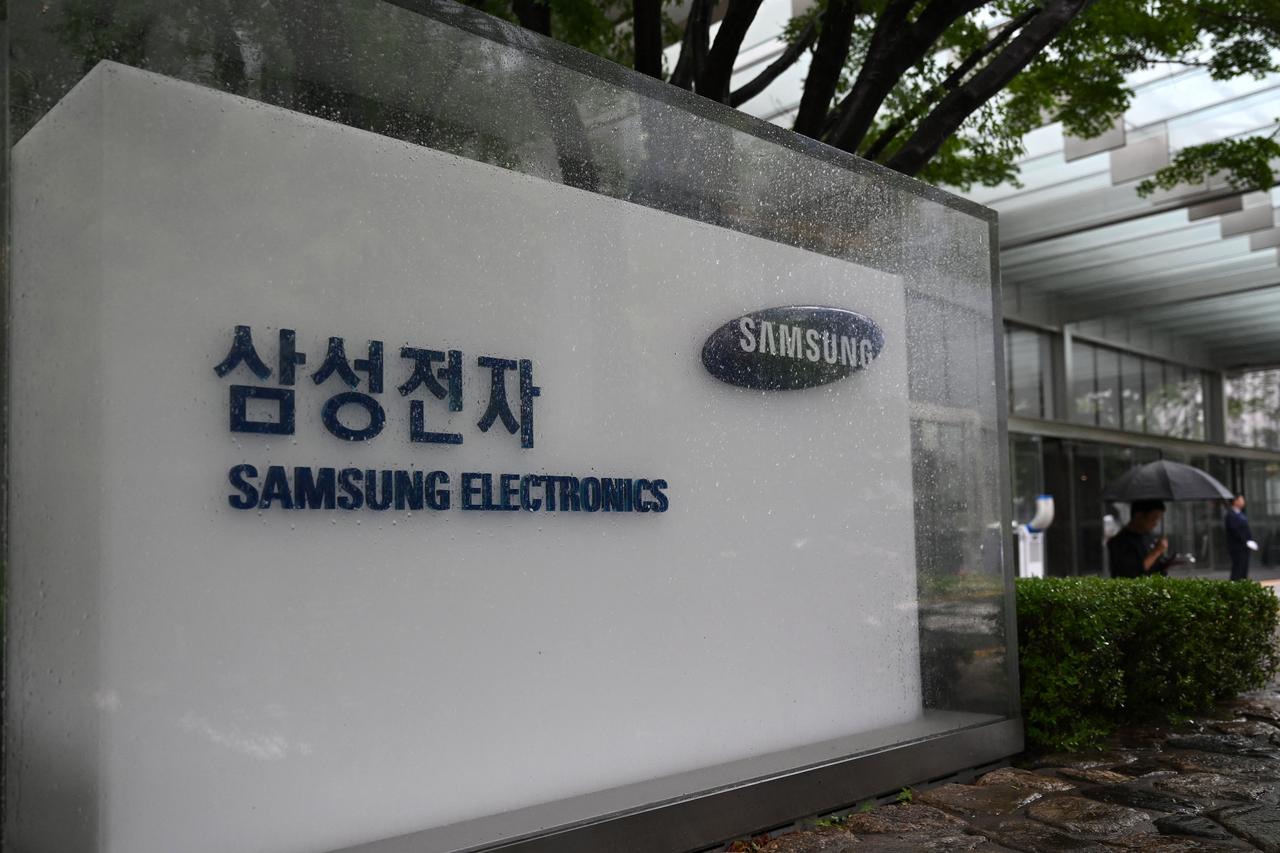
South Korea unveiled a nearly $1.2 trillion public-private investment plan on Monday to expand semiconductor manufacturing and artificial intelligence infrastructure, with Samsung Electronics and SK hynix leading the country's largest-ever push to strengthen its position in the global AI supply chain.
The strategy combines an 800 trillion won ($518.2 billion) investment in new semiconductor fabrication plants with a separate 1 quadrillion won ($650 billion) commitment to AI data centers over the next decade.
The package eclipses previous domestic investment pledges announced in November, which came after a new U.S.-South Korea trade deal raised concerns that Korean companies could shift more investment overseas, making it South Korea's largest-ever industrial investment.
Samsung Group committed 450 trillion won to semiconductors and AI over five years, while Hyundai Motor Group unveiled a separate 125.2 trillion won investment focused on future mobility.
Speaking at a televised event in Seoul alongside the heads of Samsung Electronics and SK hynix, President Lee Jae Myung called semiconductors, physical AI, and AI data centers the country's "triple axis" for a "great leap forward."
"Speed is the only path to survival. We must secure the core elements of artificial intelligence faster than any other nation," Lee said while unveiling the initiative.
"To meet the rapidly increasing demand for semiconductors, we need to quickly complete the production hubs that are currently under construction," Kim said.
"At the same time, we must secure overwhelming production capacity in advance through large-scale new investments, including in the southwestern region. Existing sites centered around Yongin and Pyeongtaek have already reached their limits."
The government plans to shorten permit approvals and construction timelines to accelerate the new facilities and maintain South Korea's lead in memory semiconductors, Kim added.
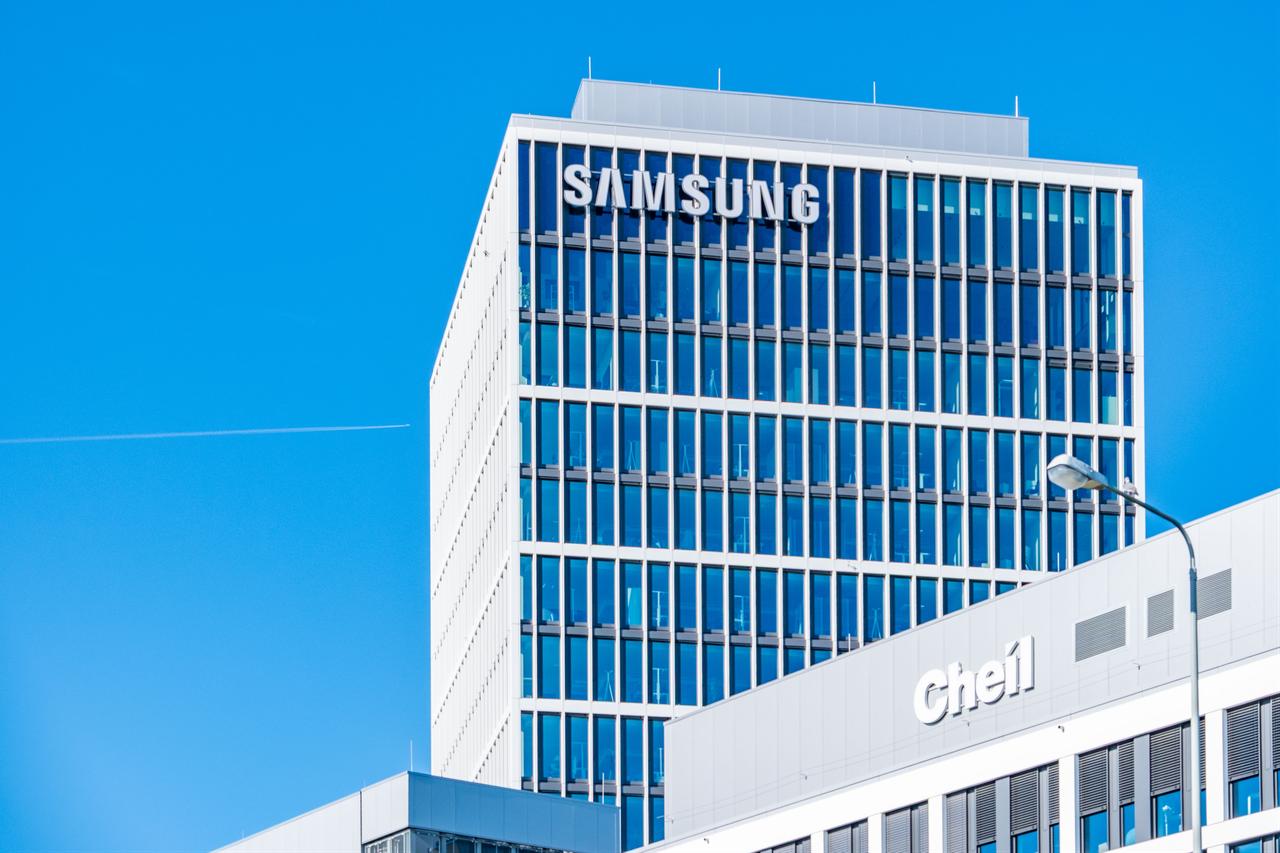

Samsung Electronics and SK hynix will each build two semiconductor fabrication plants in South Korea's southwest, creating four new fabs as the country boosts domestic chipmaking capacity.
The new manufacturing base will complement existing semiconductor clusters around Yongin and Pyeongtaek, where officials say production capacity is approaching its limits.
The southwestern Honam region, including Gwangju and the Jeolla provinces, will become South Korea's second major semiconductor production hub under the investment plan.
Samsung Chairperson Jay Y. Lee confirmed that the company has selected Gwangju for its new chip cluster, while SK hynix Chairperson Chey Tae-won said additional time is needed to finalize a location and secure the land, power, water, and skilled workforce required for a semiconductor fabrication complex.
"It took us nine years for us to create a cluster in Yongin. Also, a chip factory requires massive land, power, water and talent," Chey said.
Samsung Electronics and SK hynix are the world's two largest memory chipmakers, producing DRAM and high-bandwidth memory (HBM) chips that power AI servers and accelerators.
The AI-driven surge in both companies' shares helped propel South Korea's benchmark Kospi index to a record high, climbing more than 173.3% over the past year to outperform major global stock markets. Samsung shares gained about 440% during the period, while SK hynix soared nearly 800%.
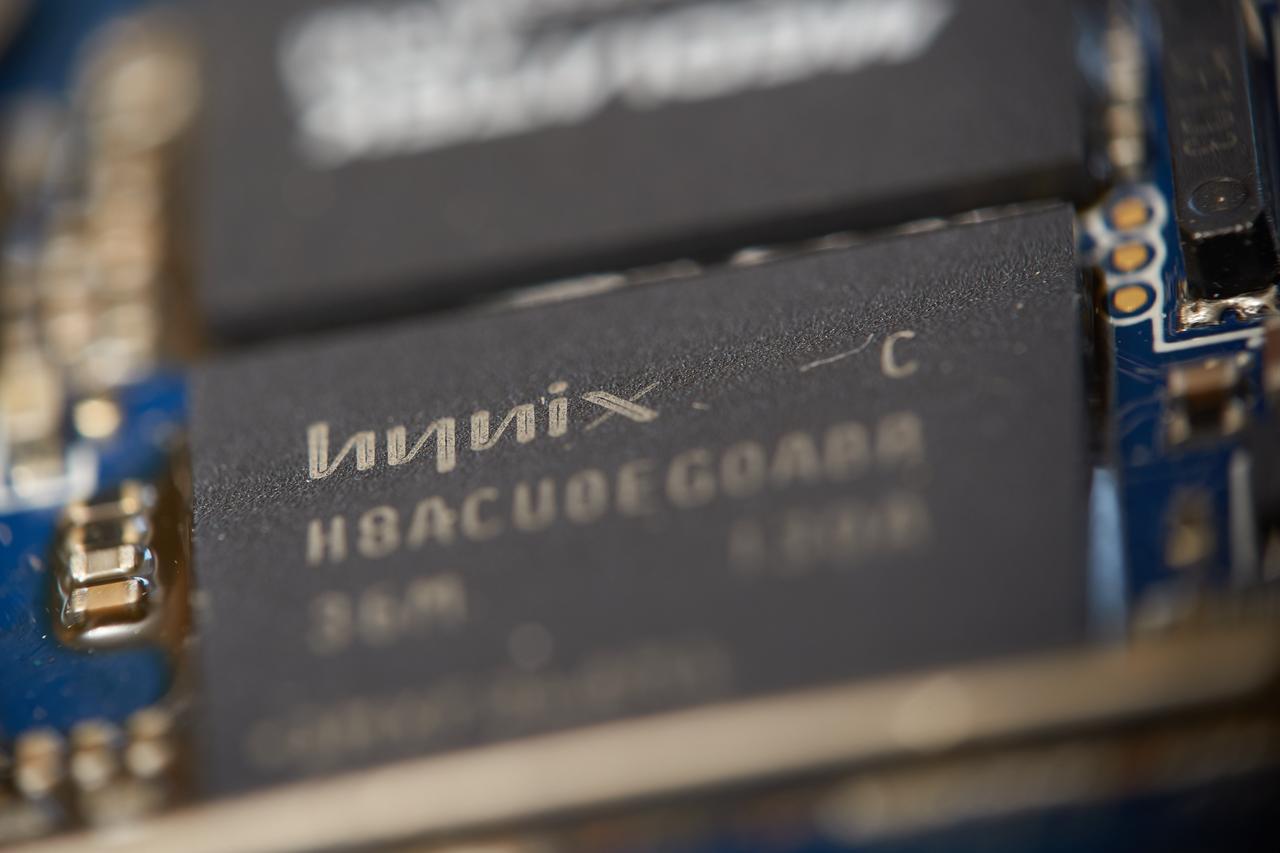
Beyond adding new fabrication capacity, the government plans to double South Korea's DRAM output within five years by accelerating construction of fabs in the Seoul metropolitan area that had originally been scheduled for the mid-2030s.
DRAM is the main memory technology used in computers, smartphones and servers. HBM, which has become critical for AI accelerators, is produced by stacking multiple DRAM chips to deliver significantly higher data transfer speeds.
The rapid rise of generative AI has fueled demand for HBM used in advanced AI processors, benefiting both Samsung Electronics and SK hynix, whose memory products are supplied to companies including Nvidia.
On the AI data center initiative, Science Minister Bae Kyung-hoon said South Korea plans to invest 550 trillion won by 2029, with further capacity expansion scheduled through 2035.
"By 2035, an additional 10-gigawatt AI data center will be built, with a total investment exceeding 18.4 gigawatts and 1,000 trillion won," Bae said.
The data center expansion is seen as a key pillar supporting the country's semiconductor industry, creating domestic demand for advanced memory chips while strengthening AI computing capacity.


 Set as preferred source
 Set as preferred source


 1 min read
 1 min read