Newsletters


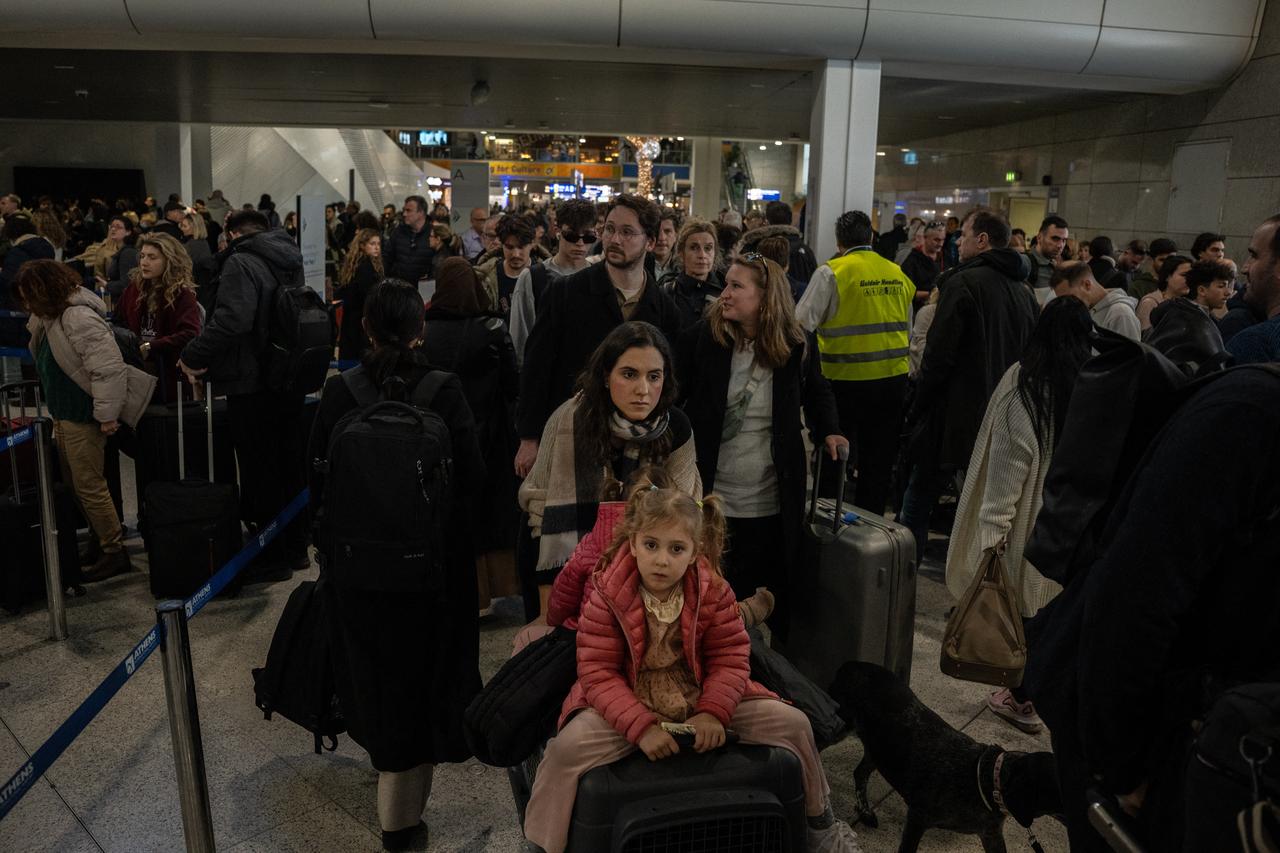


Uncertainty persists over the cause of the technical failure that disrupted flights across Greek airspace (FIR Athens) for hours on Sunday, with authorities launching a criminal investigation into whether dangerous interference with aircraft communications occurred.
Athens Chief Prosecutor Aristidis Korias has ordered an urgent investigation into the technical failure that caused flight cancellations at airports across the country, Greek state television ERT reported.
The investigation, to be conducted by the Electronic Crimes Division, will examine whether there was dangerous interference with aircraft communications and, if confirmed, determine the source of the problem that affected nearly all of Greek airspace.
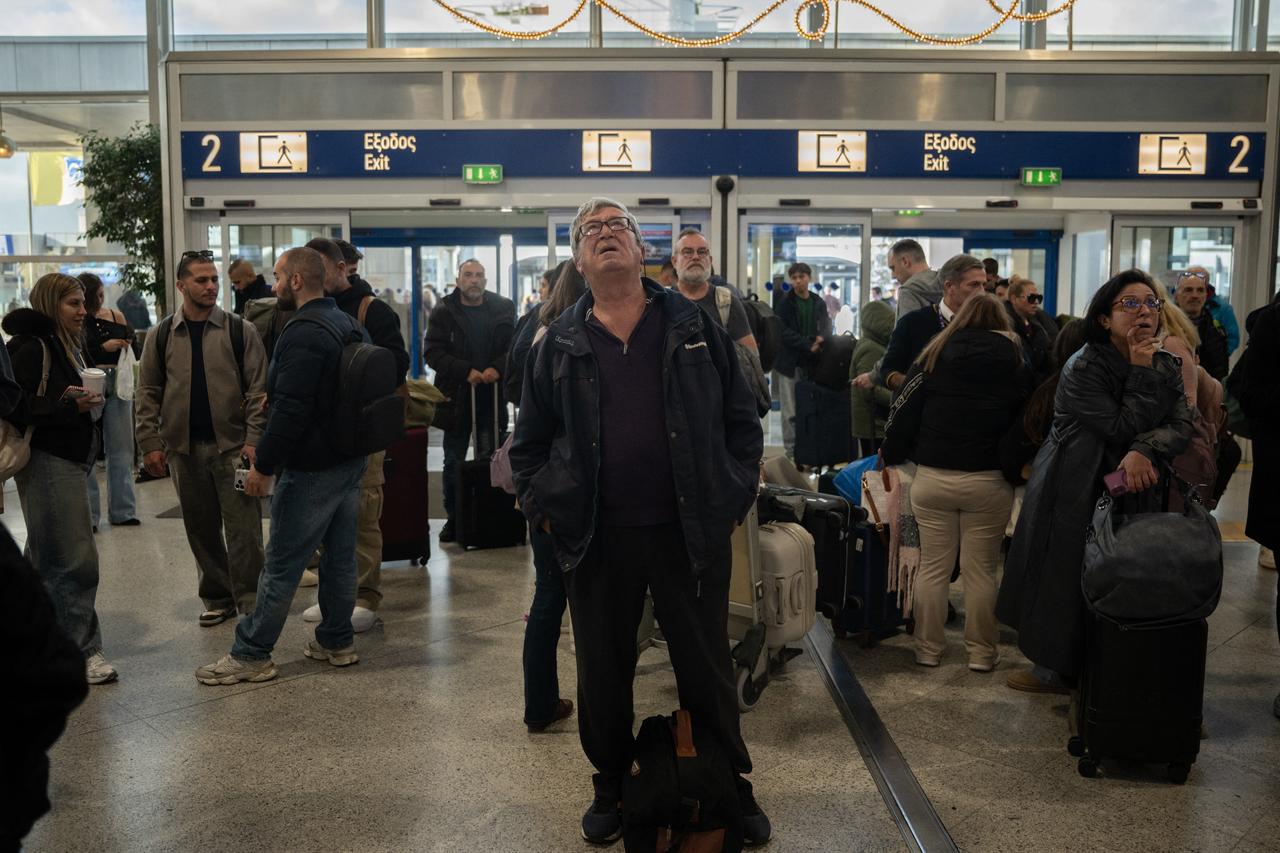

Retired Air Force member and aviation expert Konstantinos Iatridis told Greek television station MEGA that the event was "unprecedented in terms of covering the entire FIR Athens and lasting for a long time."
Iatridis noted that initial explanations of "interference" raised the possibility of external intervention, though the incident was later described as a technical problem.
"The real issue is why a backup system could not be activated," Iatridis said. "If secondary systems also fail when the main system is disabled, there is a serious planning problem here."
Iatridis said the possibility of external interference has not been completely ruled out, but the main issue is the lack of backup systems.
He also noted that air traffic controllers are working under increased workload and the infrastructure is struggling to handle the burden, emphasizing that flight safety cannot be measured by cost.
Konstantinos Kanderakis, head of the Electronic Engineers Union of Greece's Civil Aviation Authority (IPA), said the problem may have been caused by interference from an external source rather than a direct system failure.
"In this incident, the systems did not crash despite the heavy data and signal load, but communication could not be established due to intense noise on the frequencies," Kanderakis said.

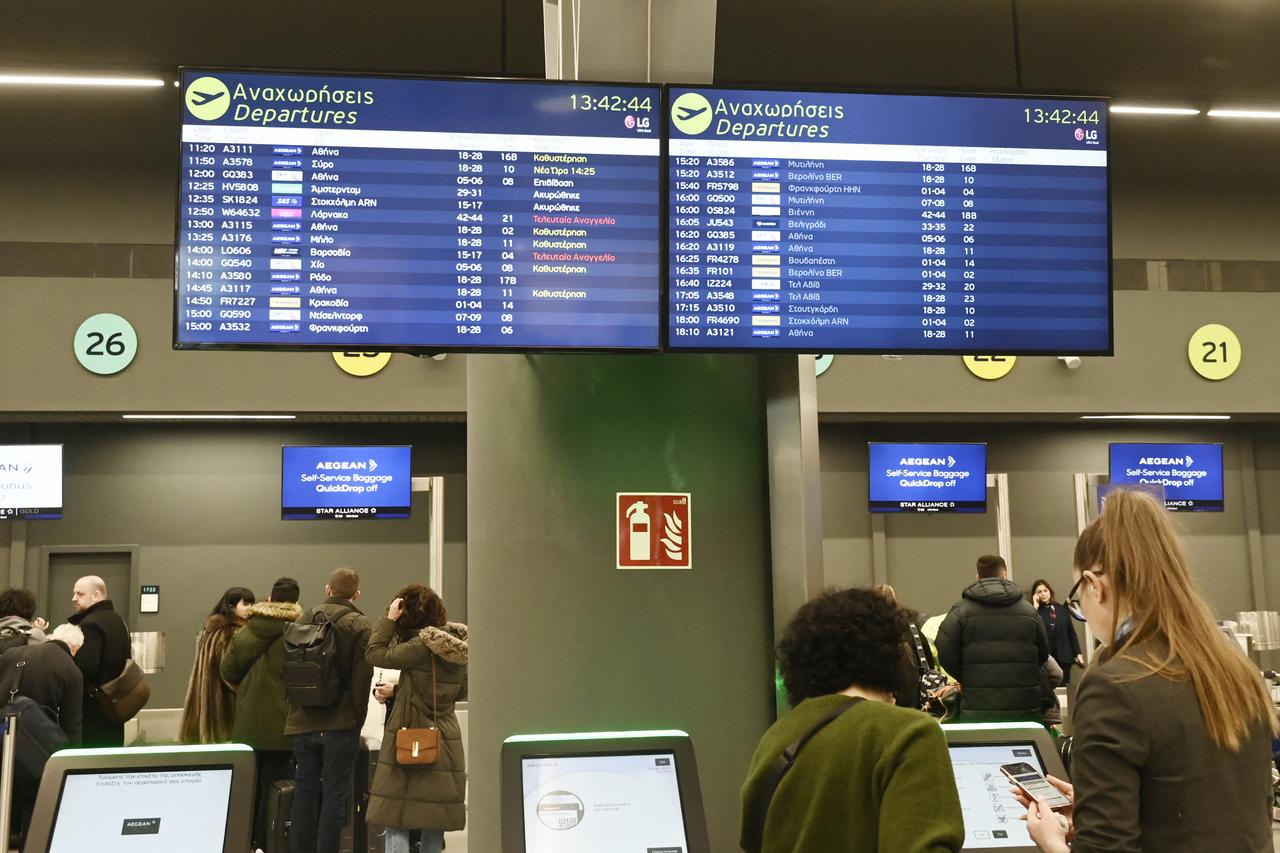
Greek media reported that by 12:50 p.m., eight aircraft had returned to parking positions, three aircraft were diverted to other airports, four flights were cancelled, and 75 flights were delayed due to the technical failure in FIR Athens.
The disruptions caused long waiting times at airports, affecting thousands of passengers.
"No plane landed or took off for at least two hours," said the press office at Athens' Eleftherios Venizelos Airport, where 31.6 million passengers transited in the first 11 months of 2025.
For up to three hours, most aircraft headed for Greek airports were redirected to Türkiye, according to ERT.
Air traffic had been resuming progressively since 11:00 a.m. GMT, authorities said.
Panagiotis Psarros, head of Greece's air traffic controller union, called the incident "very serious" and blamed what he said was "obsolete" airport equipment.
Greece's Civil Aviation Authority (IPA) announced that the disruption was caused by widespread interference on frequencies covering Greek airspace (FIR Athens).
The IPA said simultaneous and continuous interference was detected on almost all radio frequencies serving FIR Athens at 8:59 a.m. on Sunday.
At the same time, special communication lines used in air traffic control and operational telephone lines also experienced outages, the authority said.
The IPA described the event as unprecedented in terms of its scope, geographical spread and duration, noting that the interference on frequencies appeared as continuous and involuntary transmission.
Athens' Eleftherios Venizelos Airport announced late Sunday that the failure had been resolved.


 Set as preferred source
 Set as preferred source


 1 min read
 1 min read