Newsletters


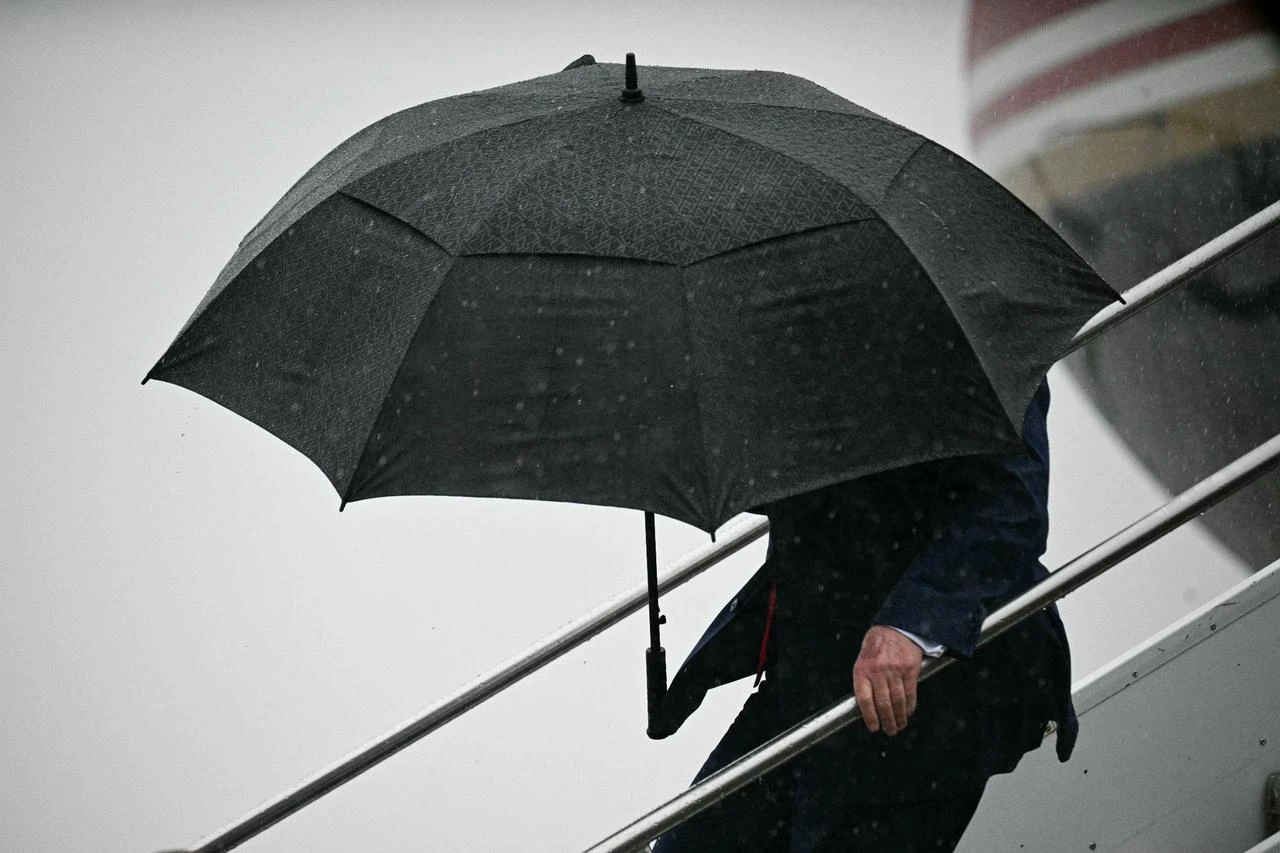


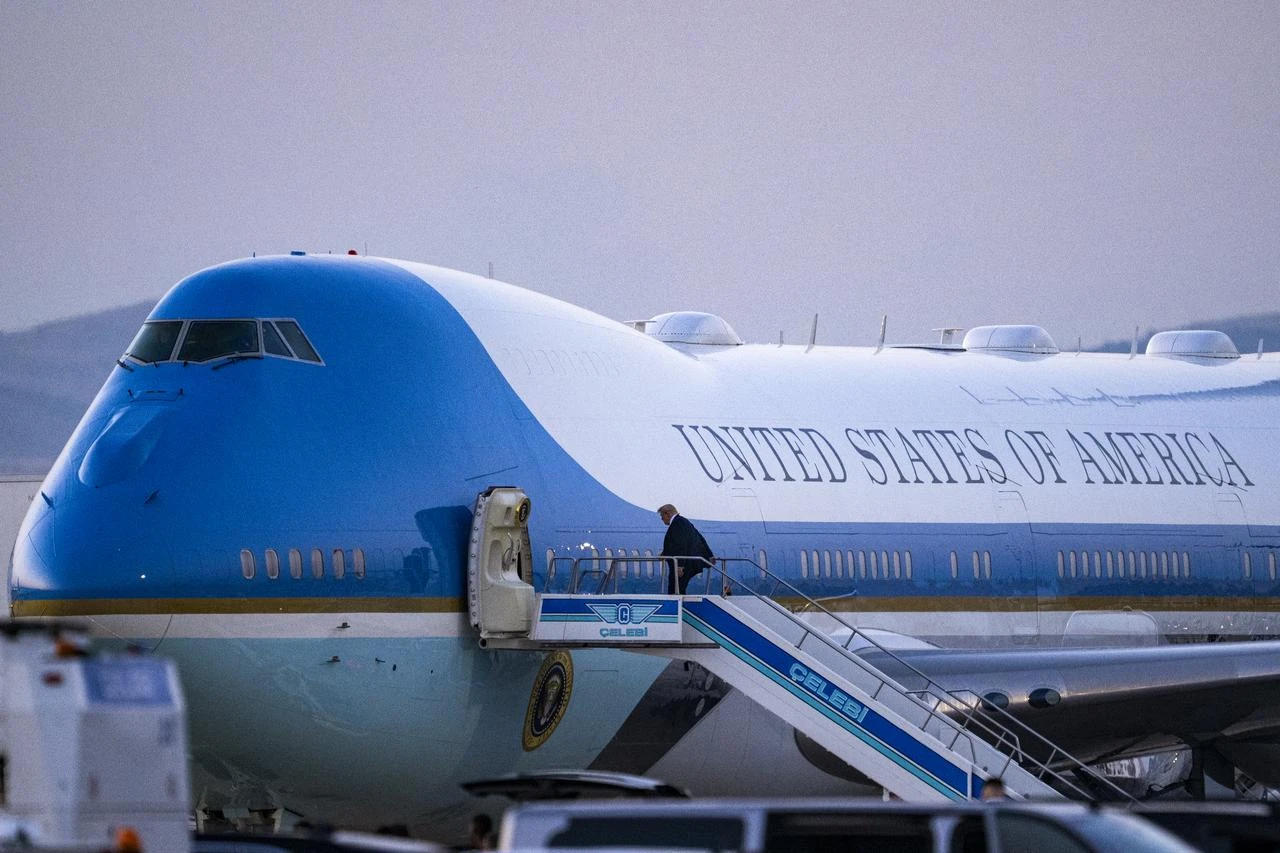
The United States received several warnings from Israel over the past year that Iran intended to assassinate U.S. President Donald Trump, including before a secret Air Force One switch in Türkiye, but U.S. intelligence officials could not independently verify the warnings, according to a current U.S. official and two former officials cited by Reuters.
The warnings, passed to U.S. intelligence agencies and in some cases relayed directly by Israeli officials to senior White House officials, included possible plots to shoot Trump with a sniper or recruit someone to attack him with a knife at a large public event, the sources told Reuters.
The tips began ahead of the 12-day war in June 2025 and intensified before the U.S. decision to go to war with Iran in February.
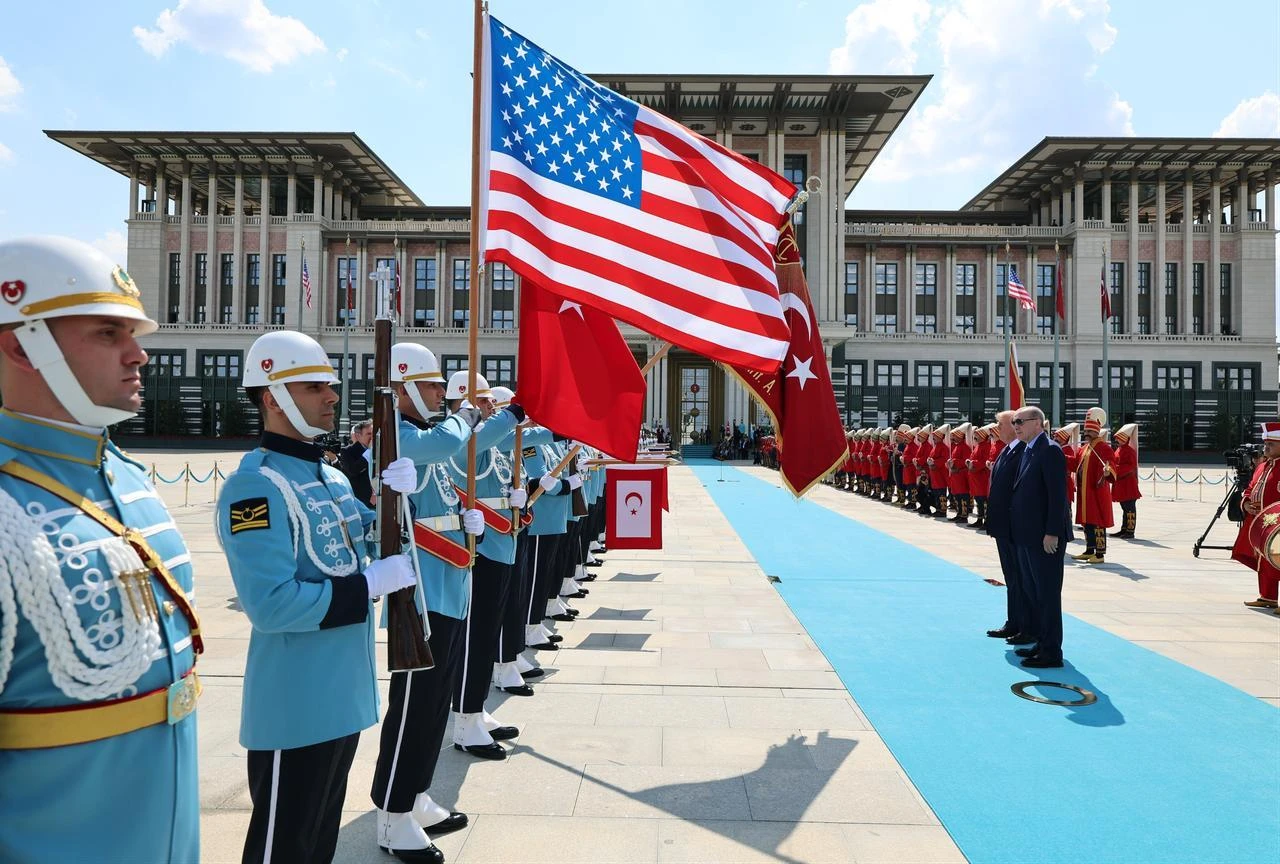
The most detailed warning came ahead of the NATO summit in Ankara in July, according to the U.S. official and another person familiar with the matter cited by Reuters.
Israeli officials briefed the White House on intelligence indicating Iran might try to kill Trump, potentially with a shoulder-launched missile, while he traveled on Air Force One for the summit, the officials said.
The U.S. intelligence community has long assessed that Iran wants to retaliate for Trump's killing of Iranian military commander Qassem Soleimani in 2020. But the CIA has not been able to corroborate some of the specific threats against Trump's life shared by Israeli intelligence since early last year, the officials said.
In the case of the NATO episode, a Turkish official told Reuters that Türkiye's intelligence agencies also had no evidence corroborating the Israeli claim about the threat to Trump's life, an assessment the host country shared with American counterparts.
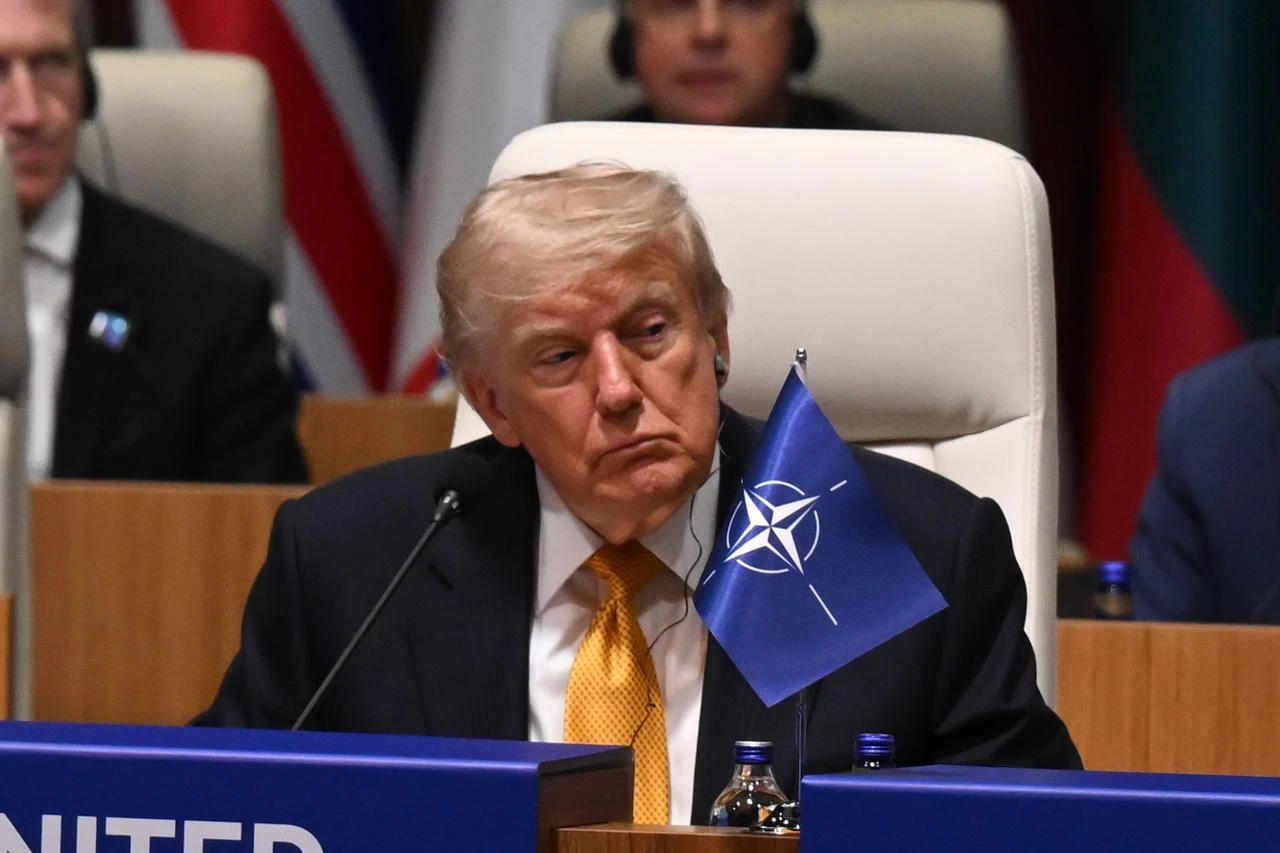

Despite the lack of verification, White House officials and the Secret Service took steps to mitigate the threat out of an abundance of caution, including an extraordinary deception operation during the Türkiye trip that involved moving Trump from Air Force One to a different aircraft for his flight out of the country.
The episode underscores how Israeli intelligence is influencing the Trump administration's decision-making about Iran at a time of heightened tensions with Tehran, and reflects a broader disagreement between U.S. and Israeli intelligence assessments on the overall Iranian threat.
Earlier this year, American intelligence agencies assessed that Iran was not actively building a nuclear weapon, even as Israel argued Tehran posed an urgent threat.
Despite the U.S. intelligence community's assessment, Trump moved forward with strikes on Iran in February.
Trump also took into consideration intelligence shared by Israel that Tehran had tried to assassinate him before launching the military campaign.
A spokesperson for the Israeli embassy disputed that Israel was using its intelligence to influence U.S. policy on Iran.
"The same people who claim that Israel is trying to influence U.S. policy through alleged intelligence sharing would just as soon accuse Israel of concealing critical information if it benefited their own agenda," the spokesperson told Reuters.
The Secret Service spokesman Anthony Guglielmi declined to discuss specific intelligence matters but said the agency remains focused on Trump's security amid recent assassination attempts and an increase in threats against the president.
"The U.S. Secret Service continuously analyzes a wide range of information to guide our protective operations in real time and across every location we secure," he said.
The U.S. has long relied heavily on Israeli intelligence on Middle East matters, particularly regarding Iran.
That intelligence typically flows to the CIA or the National Security Agency through formal channels and is subsequently analyzed, two former U.S. officials told Reuters.
U.S. intelligence agencies often cannot verify Israeli intelligence but use other forms of information to make judgment calls on its authenticity and accuracy, the officials said.
In several instances over the course of the two U.S. military offensives in Iran, the CIA assessed it had "low confidence" in Israeli intelligence about the threats posed by Iran, including any plans to assassinate Trump, according to one former official and another person familiar with the matter cited by Reuters.
It is unclear how widely those assessments have been circulated inside the administration.
Two of the former U.S. officials described to Reuters several instances over the past year in which senior Israeli officials and representatives called the White House, including in the Situation Room, to brief senior Trump officials on Iranian threats directly.
The direct engagement comes amid a breakdown in intelligence sharing inside the Trump administration.
Last year, amid increased tension with the Office of the Director of National Intelligence (ODNI), the CIA stopped working on joint assessments with the National Intelligence Council, the former officials said.
The council is the U.S. intelligence community's elite analytical group, overseen by ODNI, that produces reports reflecting the broader intelligence community's view, with the CIA as its largest contributor. Fewer recent Iran assessments by the council have stemmed partly from recent layoffs at ODNI, according to the officials and another person familiar with the matter.
The disclosures have sparked criticism from prominent figures and intelligence professionals who argue that relying on unverified foreign intelligence risks drawing the U.S. into unnecessary conflicts.
Joe Kent, former head of the U.S. National Counterterrorism Center, who resigned in protest of U.S. military escalation against Iran, warned the incident illustrates how Washington can be manipulated.
"The story of Trump secretly switching airplanes is actually a great example of how we got into the war with Iran," Kent wrote on X.
"It's smart to take all threats seriously but if you're basing a decision about going to war on information from a liaison intel service or an 'ally', it's important to remember they are most certainly providing that information to influence us as well as inform us," Kent added.
Sen. Chris Van Hollen, D-Md., also questioned the intelligence's validity, telling The Washington Post: "I am very curious about the extent to which the Israeli-provided intelligence was not only credible but independently verifiable. I have no doubt that Iran would like to see the president gone, but this all seems a little fantastical."
Danny Citrinowicz, who spent 25 years in command positions within Israel Defense Intelligence (IDI), warned of long-term damage to intelligence credibility.
He said Israel must avoid creating a credibility problem in Washington, warning that if U.S. policymakers come to believe Israeli intelligence is designed to advance specific policy goals rather than reflect objective ground realities, they might dismiss crucial warnings.
"Even accurate and important intelligence may be viewed with greater skepticism," he wrote on X.
He argued the perception could, over time, significantly erode Israel's ability to shape U.S. security assessments and "shape policy debates."
Abdelhalim Abdelrahman, a Palestinian-American political analyst, argued that integrating Israeli and U.S. intelligence would be problematic.
"This is why merging Israel into our intelligence apparatus would be a total disaster," Abdelrahman wrote on X, adding that foreign actors could exaggerate risk levels to serve their own interests at the expense of U.S. security.
The disclosures have triggered wider public debate over U.S. reliance on Israeli intelligence on critical matters, with critics warning Washington risks being drawn into a prolonged conflict if key security decisions are left to foreign partners.
Online commentators have expressed concern that U.S. agencies are reacting too readily to sources close to Israeli Prime Minister Benjamin Netanyahu, questioning the independence of American decision-making.
Some critics have suggested Trump was "sold the 'assassination threat'" by Netanyahu in a targeted effort to manipulate U.S. actions, while other social media commentary characterized the intelligence as an attempt to influence U.S. foreign policy, alleging Israel is "always pushing (its own) agenda" to align American military power with its goals.
The controversy comes as Congress moves to deepen and legally protect intelligence sharing with Israel.
The Senate Intelligence Committee's proposed Intelligence Authorization Act for Fiscal Year 2027 contains Section 622, which would amend the National Security Act of 1947 by adding a new Section 1115 legally mandating the U.S. president, through the director of national intelligence and the secretary of defense, to "expand and enhance intelligence sharing" with the Israeli government.
The legislation covers terrorism, cybersecurity threats, missile defense and unmanned aerial systems, and would restrict the U.S. from suspending or reducing that support unless the president determines a "specific and identifiable national security concern," such as a counterintelligence risk.
Separately, the U.S. House of Representatives recently passed a nearly $1.15 trillion annual defense policy bill.
Section 219 of the bill establishes the United States-Israel Defense Technology Cooperation Initiative, directing the Pentagon to designate an executive agent to accelerate joint military technology research through 2030, with a focus on integrating Israeli defense technologies into U.S. military programs.


 Set as preferred source
 Set as preferred source


 2 min read


 1 min read