Newsletters


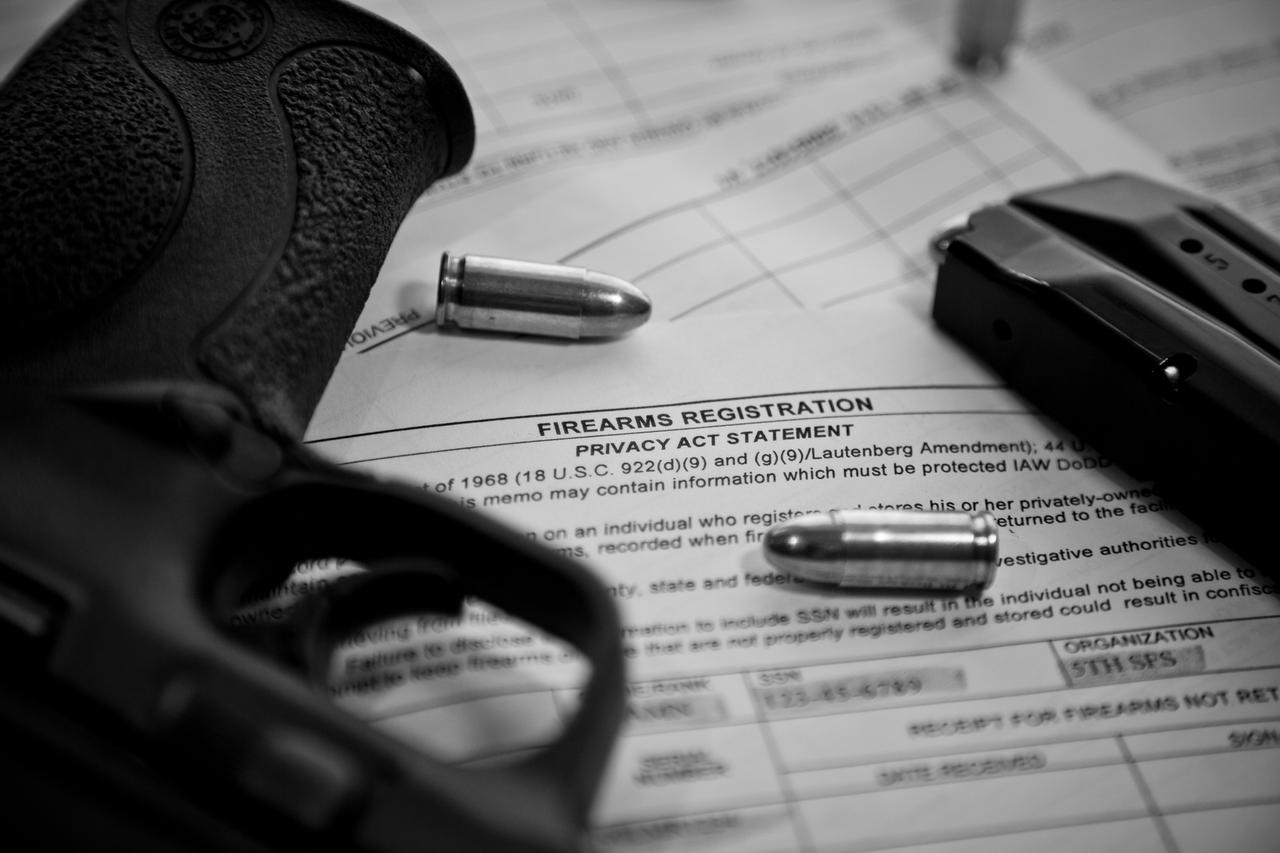


U.S. Defense Secretary Pete Hegseth signed a directive Thursday ending longstanding restrictions that effectively barred most U.S. service members from carrying personal firearms on military installations, framing the move as a restoration of constitutional rights while simultaneously pushing out the Army's top officer, the latest in a cascade of senior military firings as American bases face sustained attack in the Iran war.
Hegseth announced the new policy in a video posted to social media, declaring that U.S. military installations had become "gun-free zones, leaving our service members vulnerable and exposed."
Under the memo he signed, installation commanders are instructed to approve requests from personnel seeking to carry privately owned firearms for personal protection, with denial now requiring a written explanation citing specific grounds.
The change reverses a decades-old framework under which carrying personal weapons on base, outside of training or law enforcement duties, was virtually prohibited.
Hegseth cast the policy in explicitly ideological terms, invoking the founding of the republic and arguing that service members were entitled to the same constitutional protections as any civilian. Personnel trained "at the highest and unwavering standards," he said, deserved no less than the right "to keep and bear arms" on the installations where they live and work. He pointed to incidents at Fort Stewart, Holloman Air Force Base, and Pensacola Naval Air Station as evidence that threats can materialize inside domestic installations, where, in his words, "minutes are a lifetime."
Under the new framework, the presumption is approval rather than denial. "The presumption is service members will be able to have their Second Amendment right on post," Hegseth said, adding that any denial must be documented in writing with a detailed explanation.
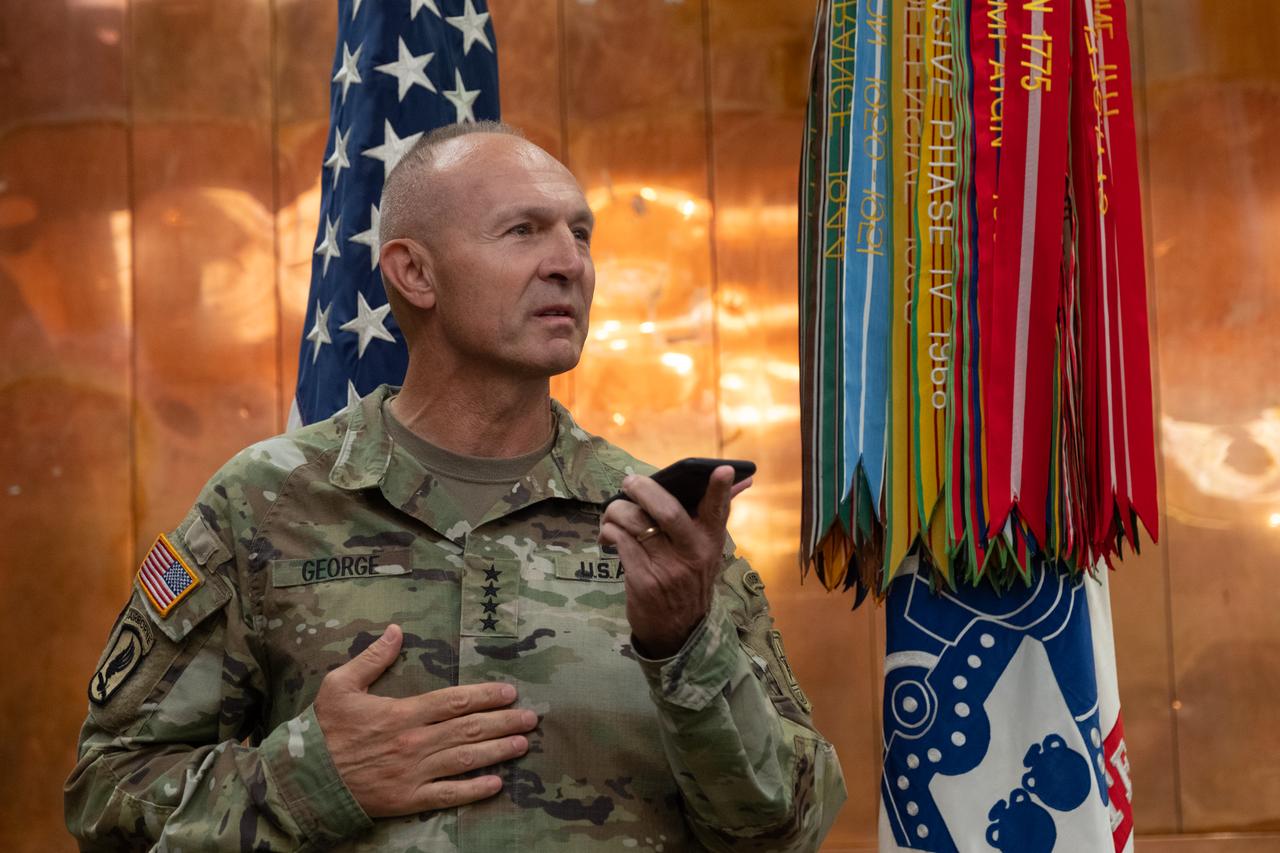
Hours after announcing the firearms policy, Hegseth asked Army Chief of Staff Gen. Randy George to step down and take immediate retirement, CBS News reported Thursday, citing sources familiar with the decision.
A senior Pentagon official confirmed the move to Newsweek, saying the administration sought leadership that would "implement President Trump and Hegseth's vision for the Army." A Defense Department official offered a terse summary: "We are grateful for his service, but it was time for a leadership change in the Army."
George, a West Point graduate and career infantry officer confirmed by the Senate in 2023 under President Biden, had been expected to serve in the role until 2027.
His four-year term was cut short in what amounts to one of the most senior personnel actions in the Pentagon's ongoing reorganization. Gen. Christopher LaNeve, currently the Army's vice chief of staff and a former military aide to Hegseth himself, is expected to serve as acting chief, according to CBS. Pentagon spokesman Sean Parnell described LaNeve as "a battle-tested leader with decades of operational experience" who is "completely trusted by Secretary Hegseth."
George's removal extends a broad purge of flag officers under Hegseth, who has now dismissed more than a dozen senior military leaders, including the chairman of the Joint Chiefs of Staff, the chief of naval operations, the Air Force vice chief of staff, and the head of the Defense Intelligence Agency.
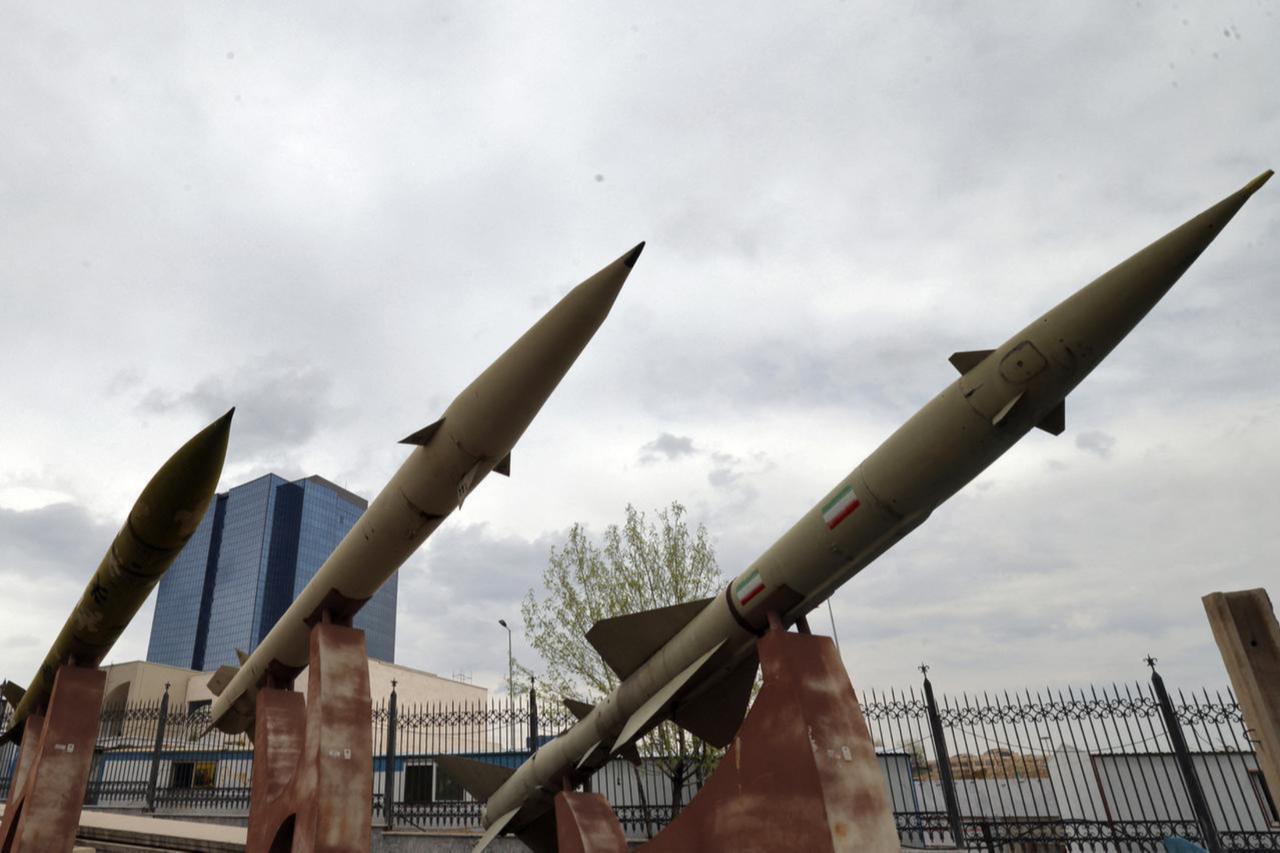
The domestic firearms announcement arrives against a backdrop of sustained and escalating attacks on U.S. military installations abroad. Since the launch of Operation Epic Fury, the joint U.S.-Israeli campaign against Iran that began February 28, Iranian forces and Iran-backed militias have struck at least 11 American military outposts across the Middle East.
Six Army reservists were killed in a drone attack at a port facility in Kuwait. Twelve service members were wounded in a missile strike on Prince Sultan Airbase in Saudi Arabia. The U.S. Navy's 5th Fleet headquarters in Bahrain has been targeted multiple times, and an FPV drone breached air defenses at the Victory Base Complex near Baghdad International Airport.
The conflict has, as of early April, resulted in 13 confirmed U.S. military fatalities from hostile fire, with nearly 300 service members wounded across the theater. The Iran war, now in its fifth week, has also generated significant domestic political pressure on the Trump administration, with polling indicating majority support for a swift end to the conflict


 Set as preferred source
 Set as preferred source


 1 min read
 1 min read