Newsletters


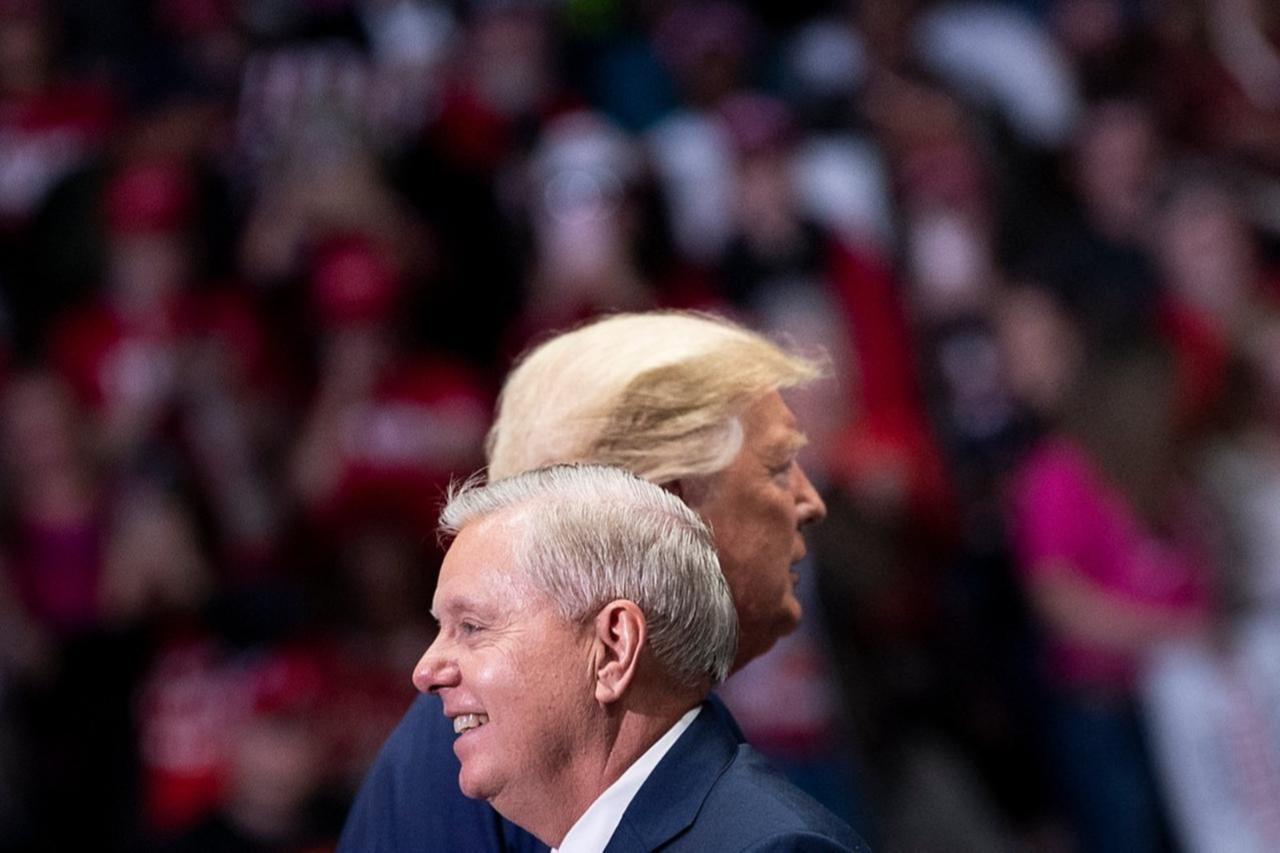


The U.S. House of Representatives voted Wednesday to pass a sweeping sanctions package targeting Russia and Iran, clearing the measure's final legislative hurdle and sending it to President Donald Trump, who is expected to sign it into law.
The bill, H.R. 5334, passed 262 to 159, with 203 Republicans and 58 Democrats voting in favor, against 7 Republican and 152 Democratic no votes. One independent voted yes, and 12 lawmakers were recorded as not voting.
The legislation imposes sanctions on Russia's so called shadow fleet, the network of tankers used to move Russian oil while evading Western price caps and restrictions. It also authorizes the president to impose tariffs of up to 100 percent on goods imported from any of the top five countries that buy Russian energy products, a provision aimed at squeezing the revenue Moscow draws from oil and gas exports to fund its war in Ukraine.
The bill additionally extends the Iran Sanctions Act of 1996, a longstanding framework of penalties tied to Iran's energy, defense and financial sectors, through 2031.
The measure carries the name of the late Republican senator Lindsey Graham, in honor of the South Carolina lawmaker's role as the bill's most prominent proponent before his death. The Senate had voted overwhelmingly to pass the legislation in early August, following months of stalled negotiations, with Graham's death providing what supporters described as a final push toward passage.
In the House, the bill was carried by a bipartisan pair of lawmakers who introduced companion legislation alongside more than a dozen colleagues from both parties. One of its lead sponsors called the effort personal, describing Graham as a friend and mentor who understood the threats facing the country and had the courage to confront them.
Passage came after a bruising fight over the procedural rule needed to bring the bill to the floor. The House narrowly agreed to the rule governing debate by a vote of 214 to 211 earlier in the week, after first adopting the previous question by a similarly tight 214 to 208 margin.
Two Democrats crossed party lines to help Republicans clear that procedural hurdle, a rare instance of bipartisan cooperation on a process vote.
The bill's path to the House floor stretched back more than a year. The Senate passed its version by an 86 to 11 margin in August, and the House text was identical to the Senate-passed version.
With the House now having concurred in the Senate's amendments, the bill goes to Trump for his signature.


 Set as preferred source
 Set as preferred source


 2 min read

 1 min read