Newsletters


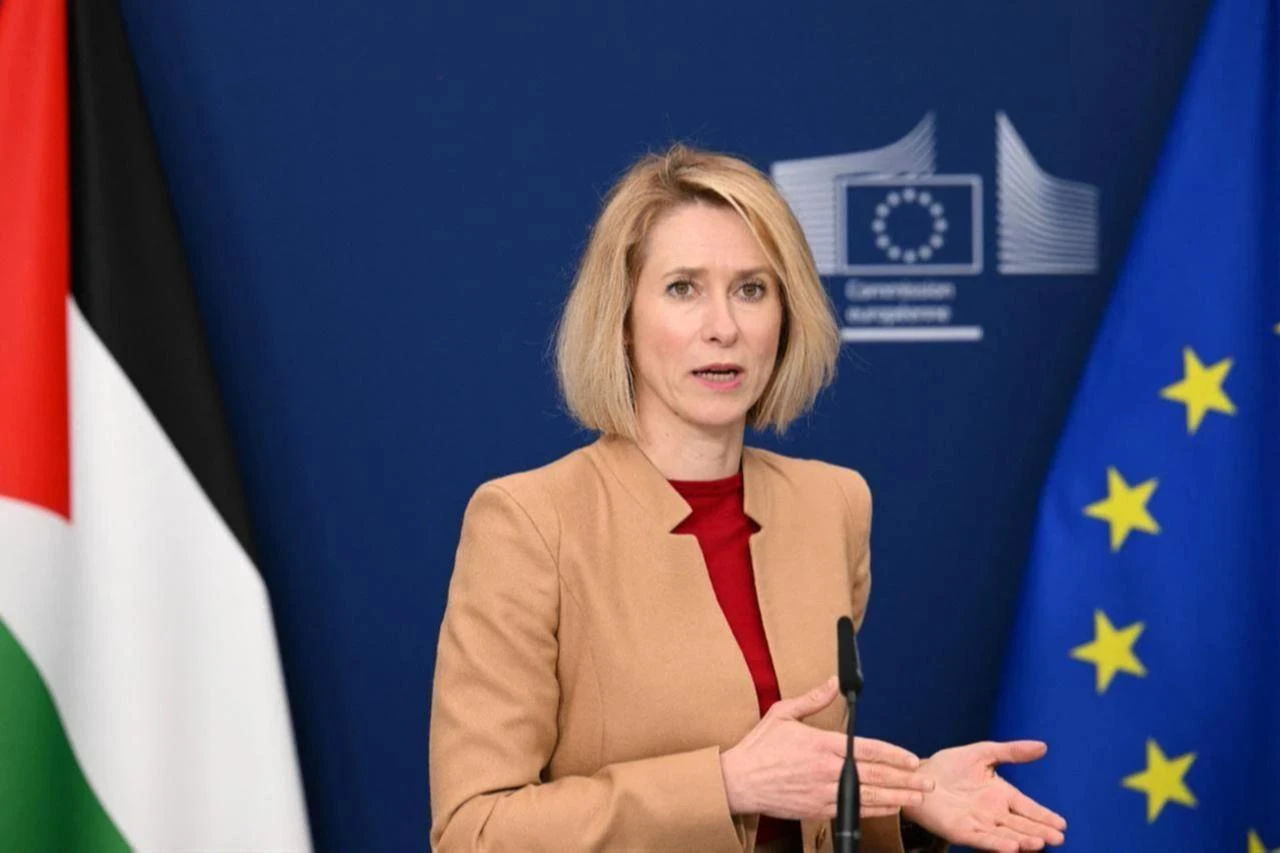


European Union foreign policy chief Kaja Kallas plans to propose the bloc’s most extensive sanctions listings against Russia since the start of the Ukraine war. The move would immediately increase the number of sanctioned Russian individuals, companies and organizations by one-third if approved, she told German newspaper Die Welt.
The EU has adopted 21 rounds of sanctions against Russia since Moscow launched its full-scale invasion of Ukraine in February 2022. According to the European Commission, EU restrictions currently target around 3,000 individuals and entities.
“For autumn I am putting forward the most far-reaching sanctions listings since the start of the war,” Kallas said.
“Once adopted, they would immediately raise the total number of sanctioned Russian entities by a third,” she added.
Kallas said the sanctions imposed by the EU have already cost Russia’s “war machine” more than €1 trillion ($1.16 trillion) and argued that pressure on Moscow should continue to increase.
“Russia has paid dearly for EU sanctions so far. They have already cost Russia’s war machine over €1 trillion,” she told Die Welt.
“The pressure must be increased until Russia ends the war,” she added.
Her comments come after the EU approved its 21st sanctions package against Russia at the end of July.
That package was adopted after prolonged negotiations among EU member states and was watered down after some governments objected to tougher measures included in earlier proposals.
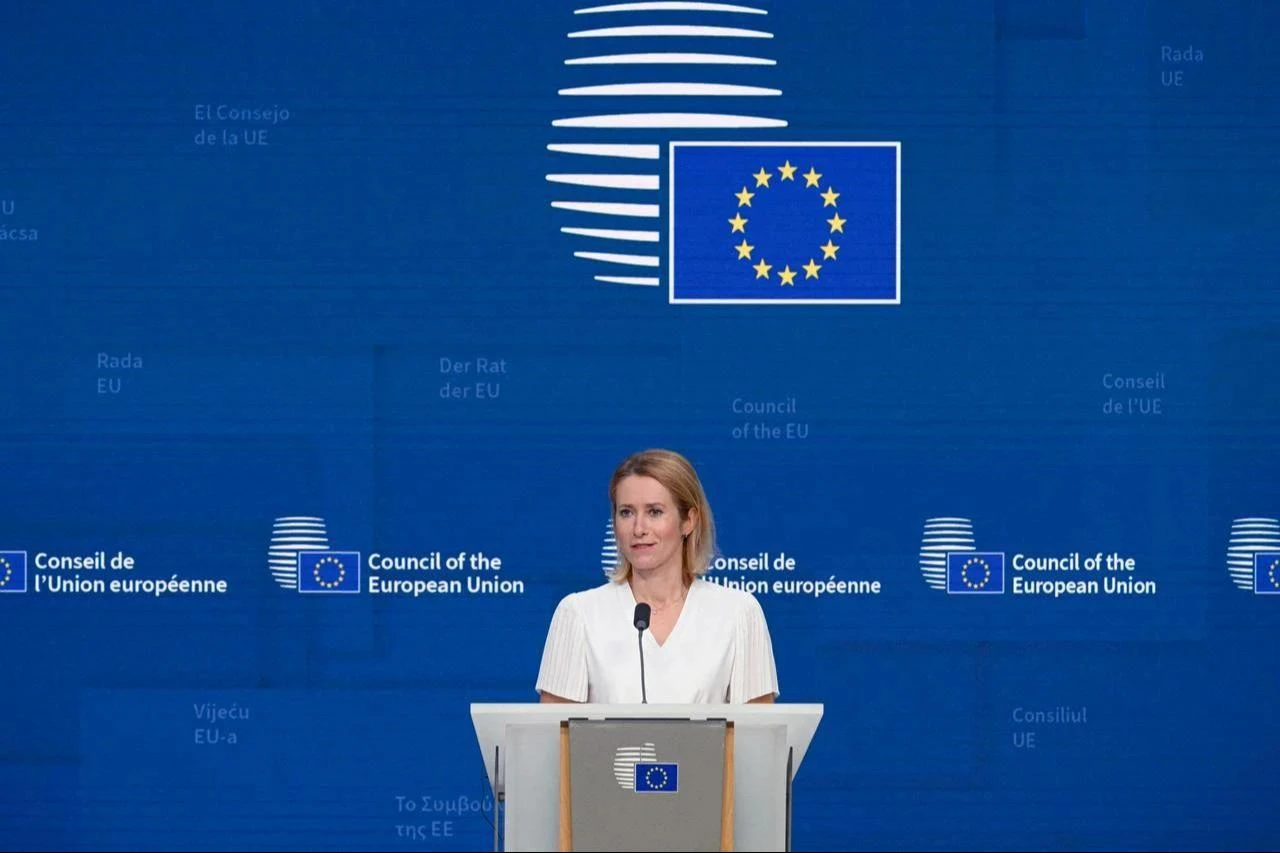

Discussing the situation in Ukraine, Kallas said Ukrainian drone attacks had disrupted Russian logistics, caused a serious fuel crisis in Russian-occupied Crimea and hit refineries deep inside Russia.
She said the attacks were increasingly making the Russian population feel the consequences of the war.
Kallas also said July was the deadliest month for Ukrainian civilians since the beginning of Russia’s full-scale invasion, accusing Moscow of increasingly targeting civilians and infrastructure.
She said Russia was also attacking grain-carrying vessels in the Black Sea, putting global food supplies at risk.
Kallas also pointed to U.S. sanctions legislation against Russia that had been initiated by Republican Sen. Lindsey Graham, who died in July.
She said its adoption would raise hopes that Europe and the U.S. could move closer together in their sanctions policy toward Moscow.
The planned autumn listings would mark the largest expansion of the EU sanctions list since the war began, adding roughly one-third more Russian individuals, companies and organizations to the existing list if member states approve the proposal.
Kallas also warned that Europe was facing increasing hybrid threats, including sabotage, espionage and cyberattacks that she said could in most cases be traced to Moscow.
She cited recent Russian missile and drone violations of Polish and Romanian airspace, saying such incidents were testing Europe’s resolve and defenses.
Kallas said weak responses could encourage further incidents and argued that Europe needed to strengthen its ability to respond to hybrid threats.
The EU foreign policy chief said the bloc must continue tightening pressure on Russia through sanctions while supporting Ukraine as the country approaches its fifth winter of the war.


 Set as preferred source
 Set as preferred source


 1 min read
 1 min read