Newsletters



Voters across the United States cast ballots on Nov. 3 in midterm elections that decide all 435 House seats, a third of the Senate and 36 governorships. By Wednesday morning, projections point to a change in control of Congress.
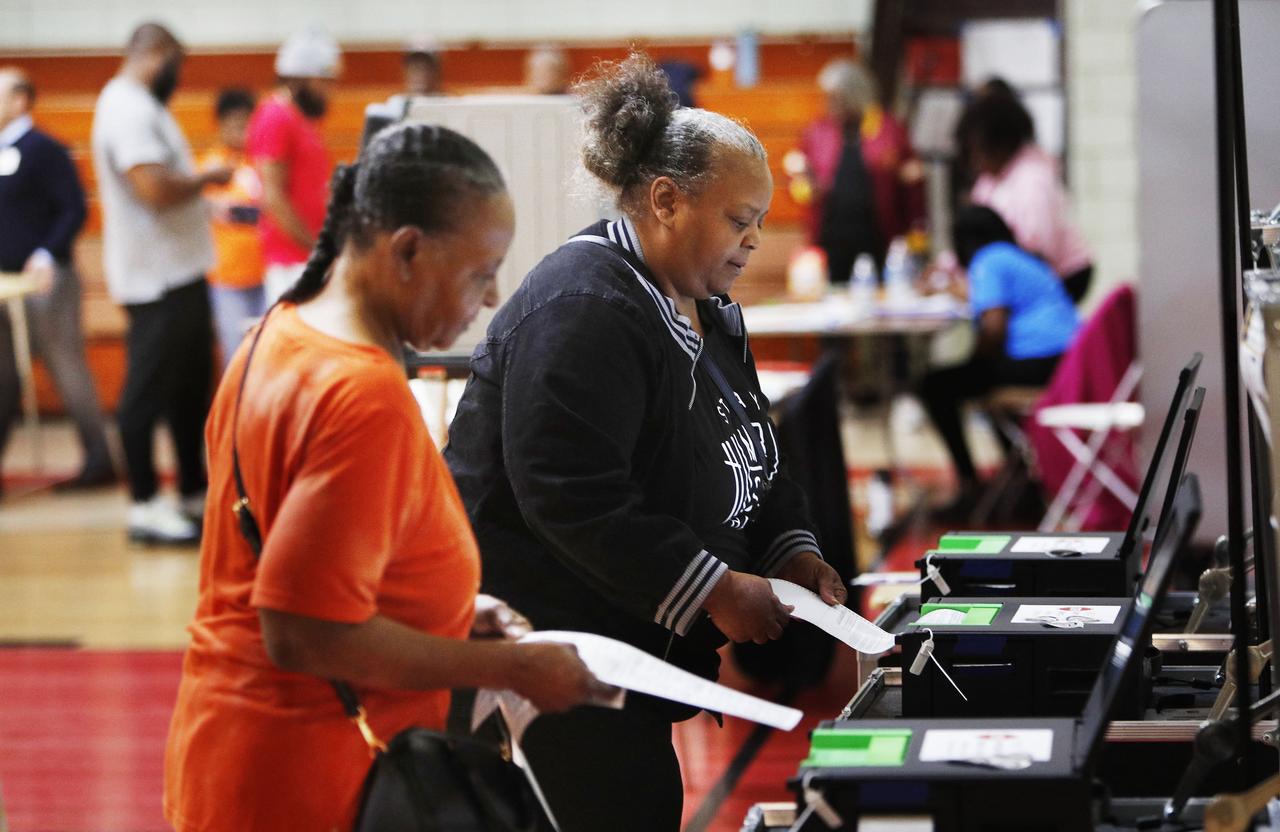
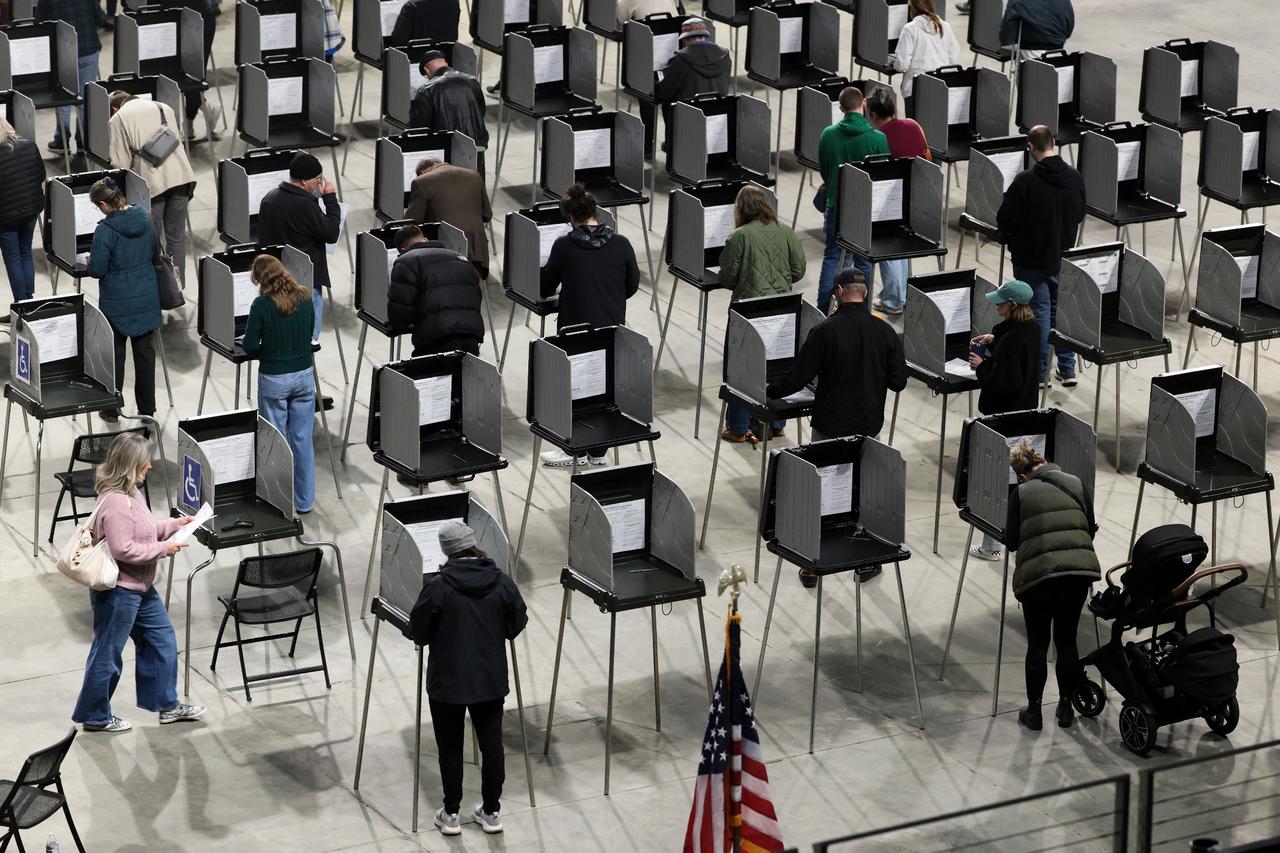
Polling places open nationwide on election day as Americans choose a new House of Representatives, a share of the Senate and a slate of governors. It is the first nationwide congressional vote of President Donald Trump’s second term.
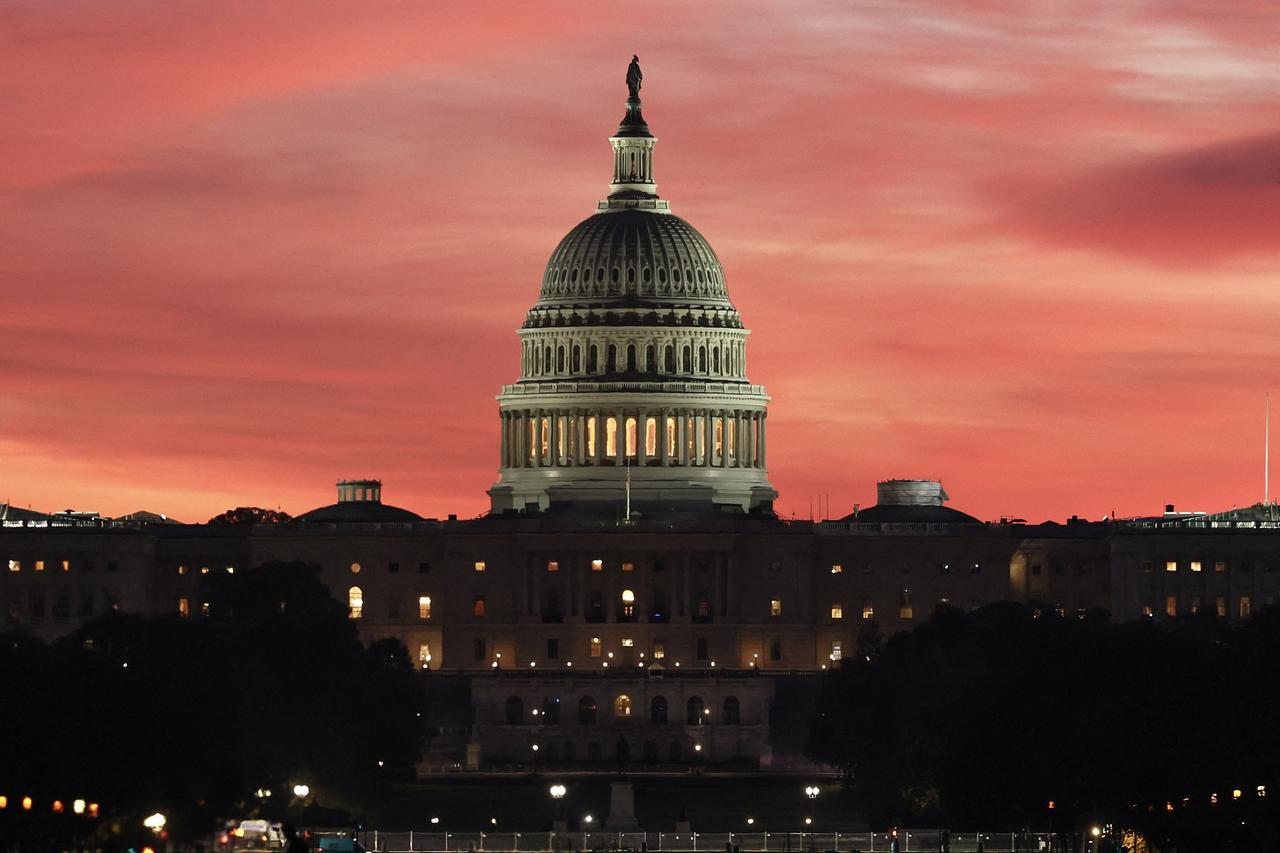
Republicans enter the night with a 53-45 edge in the Senate and a 26-24 majority among governors. Democrats need a net gain of four Senate seats and three House seats to win control of each chamber.
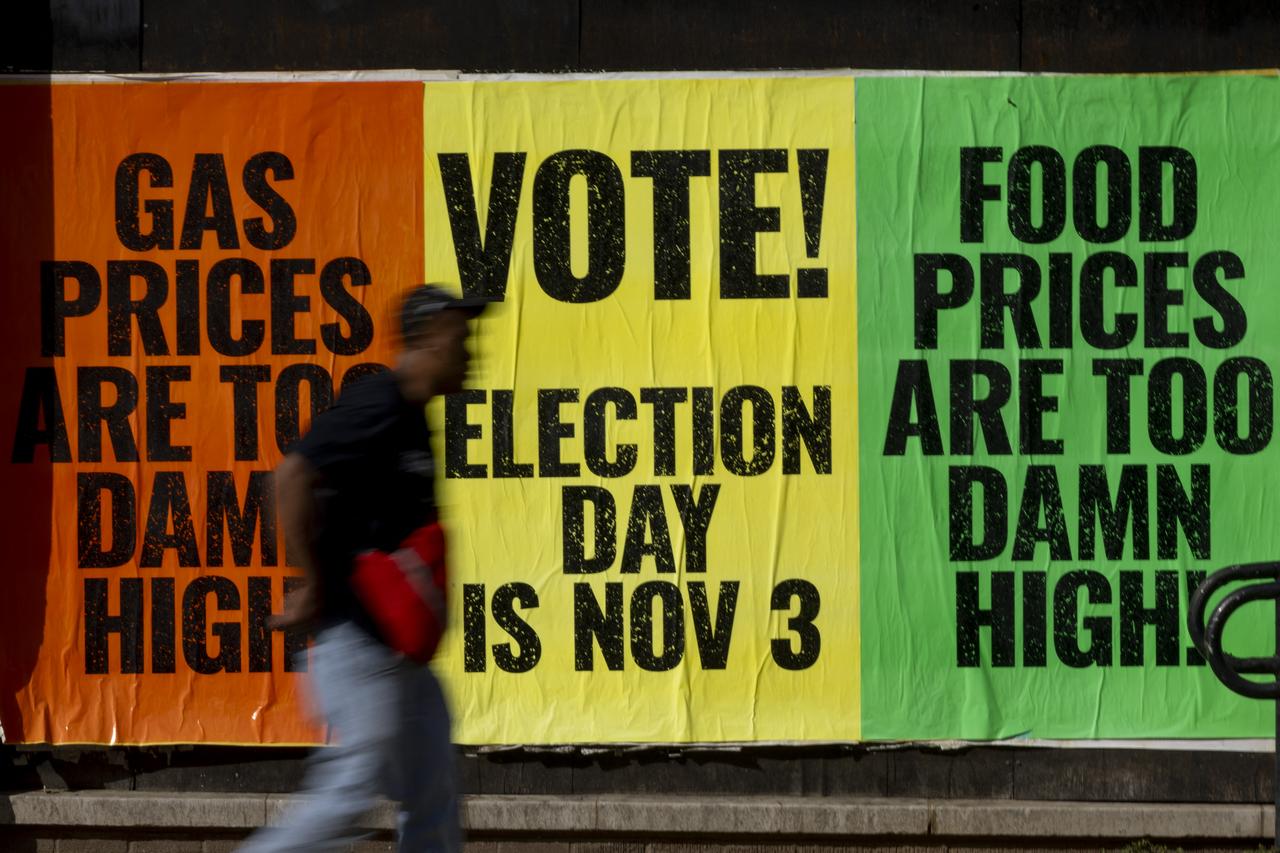
Cost of living dominated voter concerns. CNN’s exit poll finds about 90% of voters call it a crucial or major factor, while AP and CNN exit polls find roughly 60% disapprove of the president’s job performance.

The first flip of the night came in North Carolina, where Democrat Roy Cooper defeated Republican Michael Whatley in the Senate race, giving Democrats an early foothold in their push for a majority.
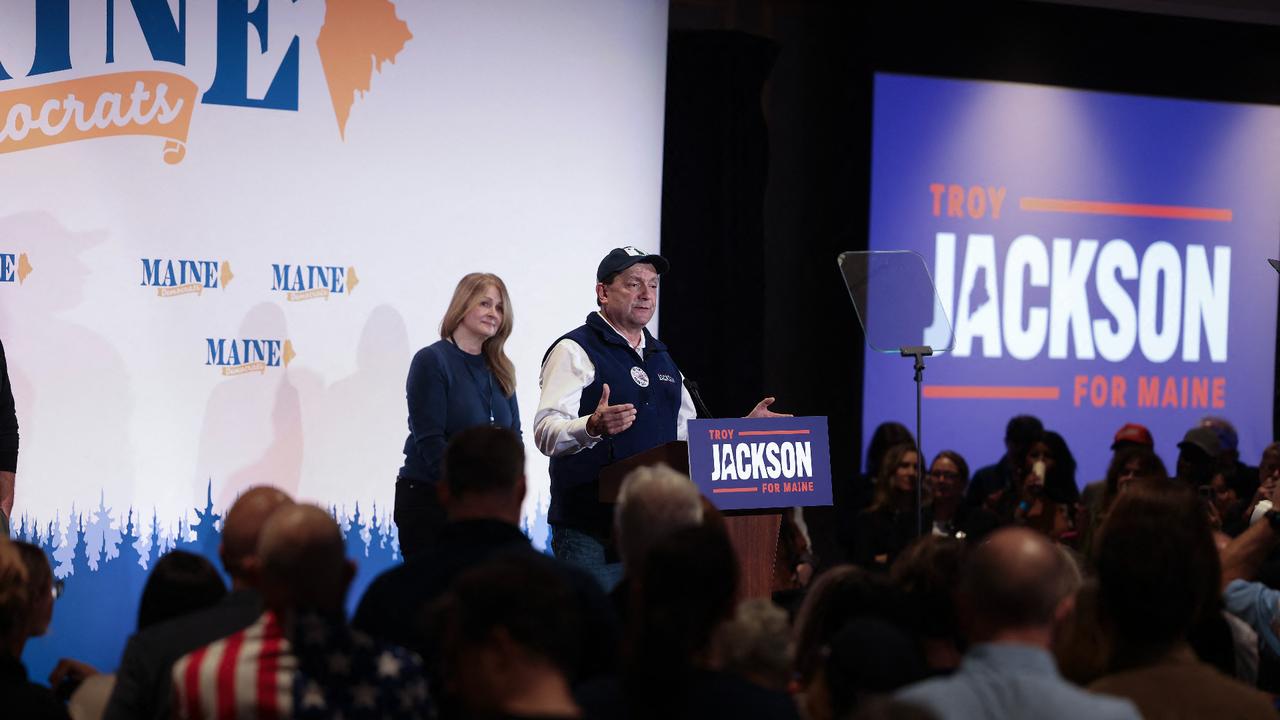
In Maine, in the northeastern U.S., Democrat Troy Jackson defeated Republican Sen. Susan Collins. Collins was the only Republican senator representing a state Trump lost in 2024.

Texas, a state Trump carried in 2024, also turned. Democrat James Talarico won the Senate race and Democrat Gina Hinojosa won the governor’s office. Democrats also flipped the attorney general and lieutenant governor offices.

Control of the Senate changed hands late Tuesday, when the Associated Press called Iowa for Democrat Josh Turek over Republican Ashley Hinson. The result gives Democrats the seats needed for a majority in the chamber.
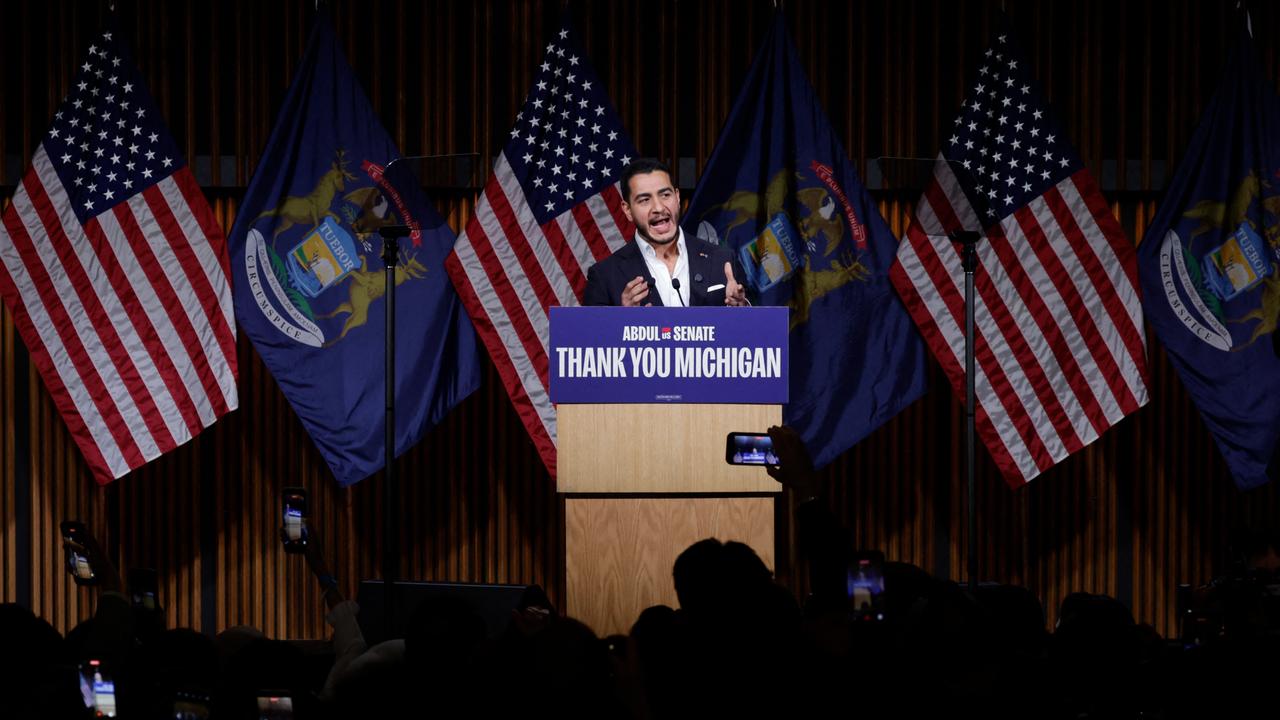
In Michigan, Democrat Abdulrahman El-Sayed defeated Republican Mike Rogers, the AP called early Wednesday, and became the first Muslim senator in U.S. history. The seat stays Democratic in a race Republicans had targeted.

Republicans held ground in some places. Pete Ricketts won re-election in Nebraska over independent Dan Osborn, and Ashley Moody kept her Florida seat by 51% to 48%. Races in Alaska and Mississippi remain too early to call, CNN reports.
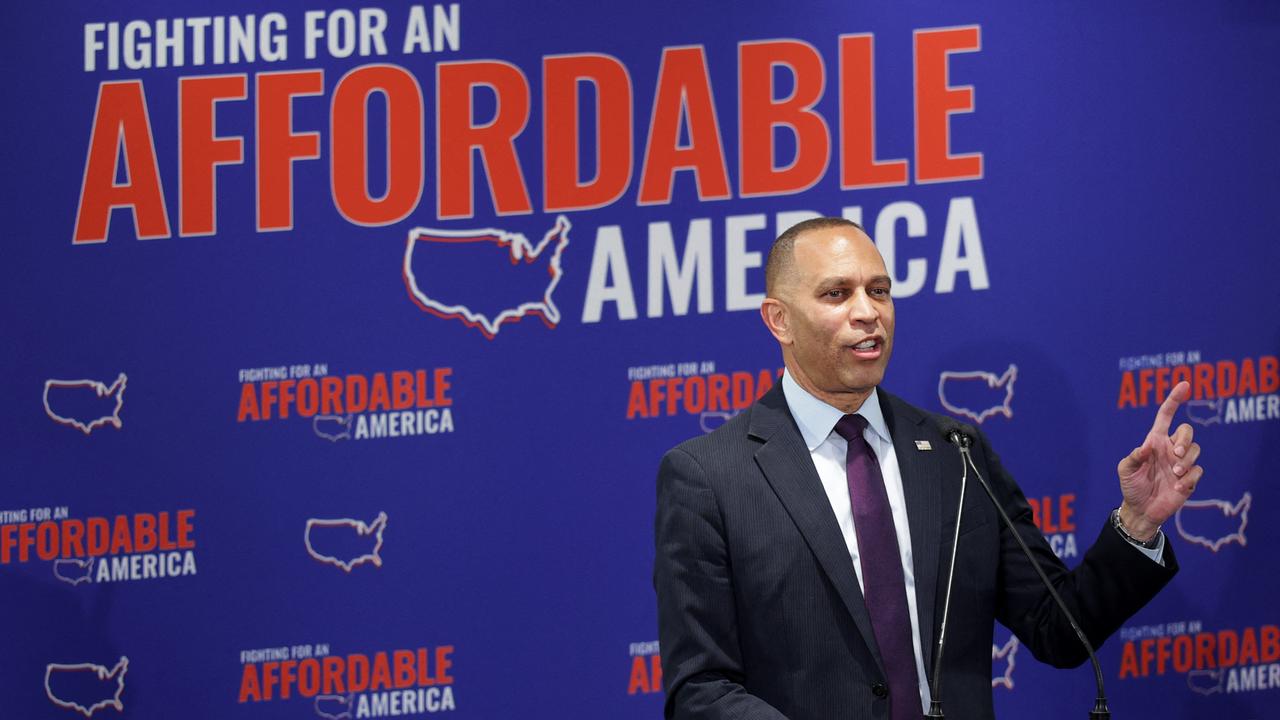
The House followed early Wednesday, when the AP called the chamber for Democrats. The AP tally stands at 228 Democratic seats to 139 Republican, with 68 races still to be called and 218 needed for a majority. NBC News projects the party will finish with at least 258.
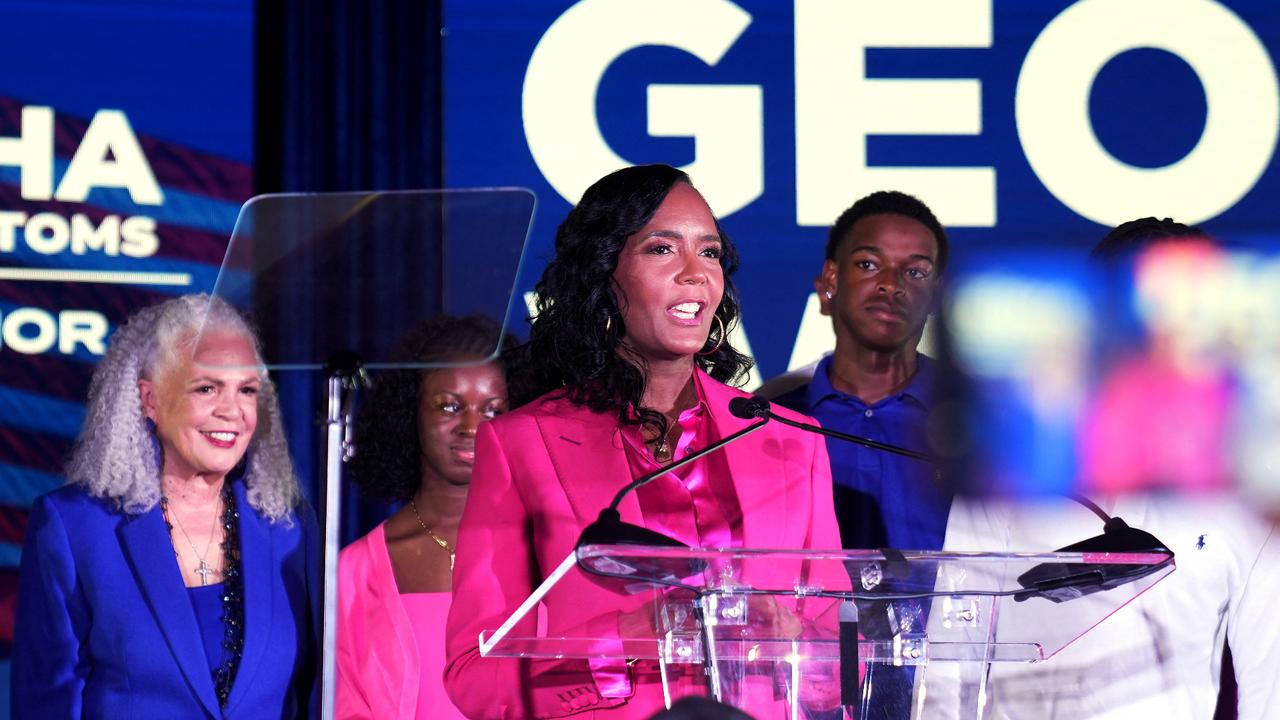
Democrats also gained ground in governors’ races. NBC News reports flips in Texas, Georgia, Nevada, Ohio and Iowa, giving the party a majority of governorships for the first time in 16 years. Aaron Ford becomes Nevada’s first Black governor, per the AP.
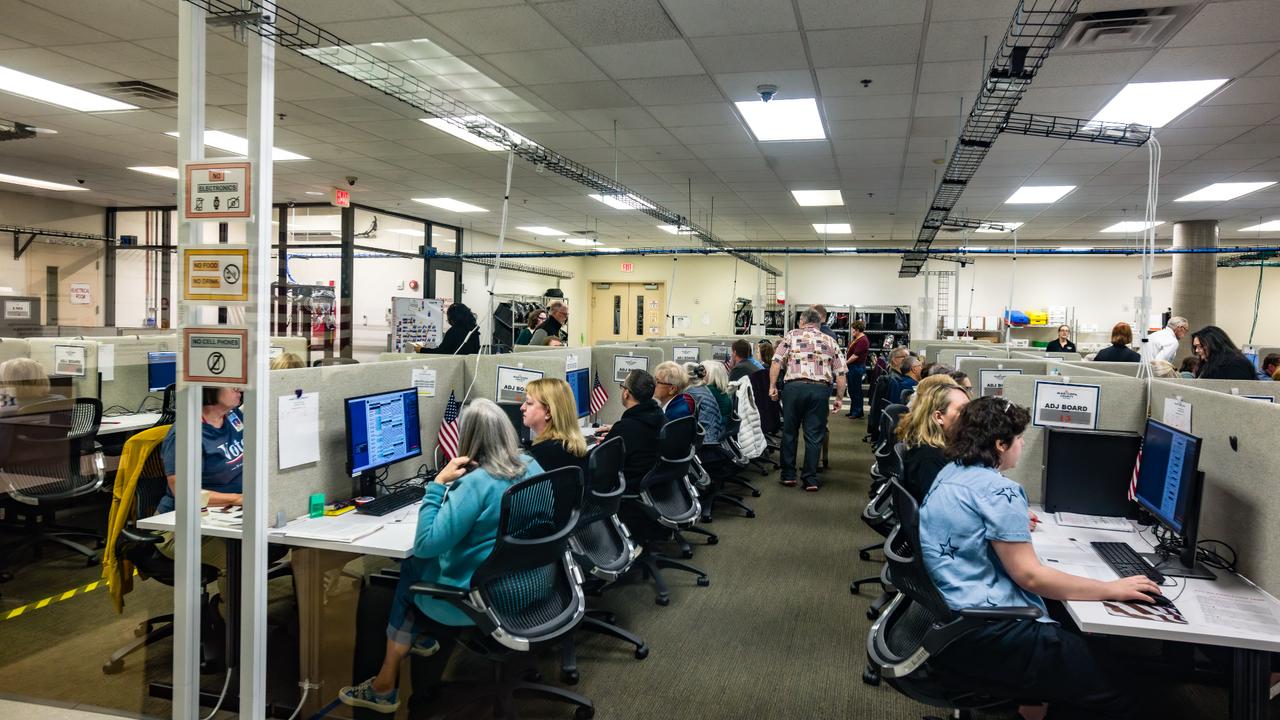
Ballot measures give voters a direct say on state laws and constitutions, with transgender issues on the ballot in three states. Measures restricting participation in female school sports lead in Arizona (58.9%), Colorado (52.2%) and Washington (56.8%), and a Colorado measure prohibiting surgeries on minors leads at 51.7%, AP counts show.
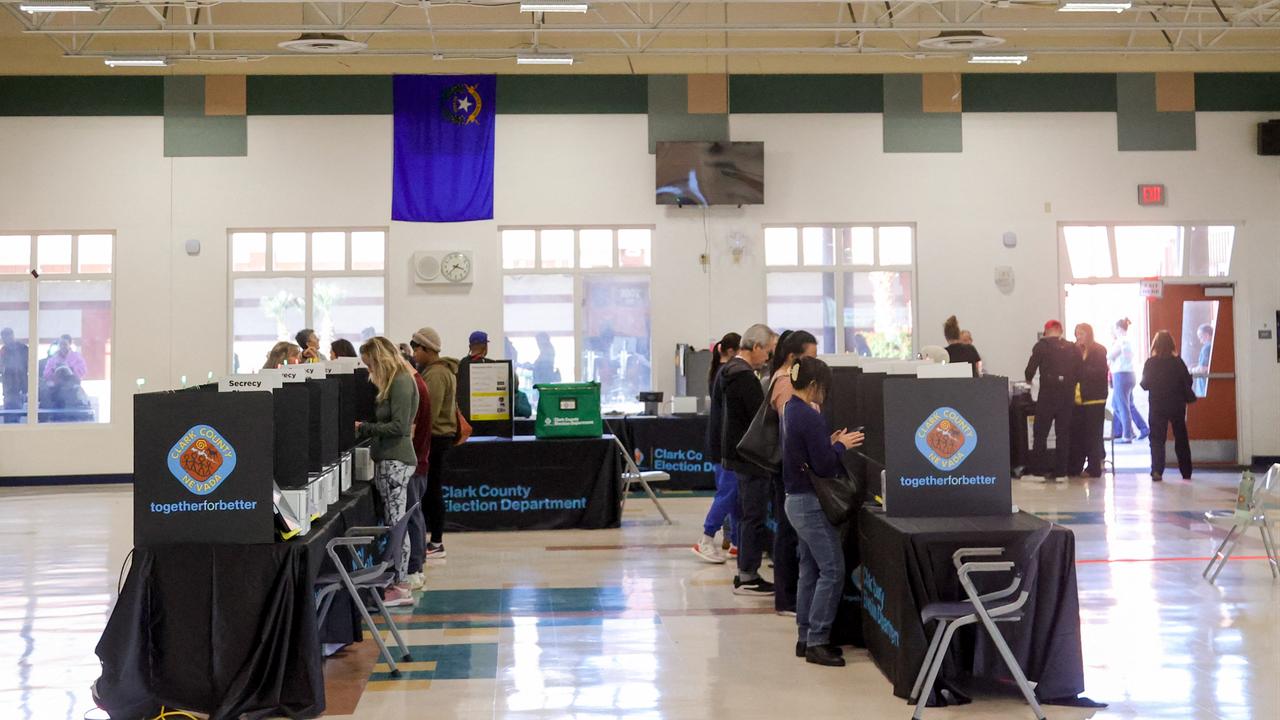
On abortion, AP counts show results split by state. Nevada (63.3%) and Virginia (62.3%) led for amendments creating abortion rights. Missouri voters led 55.5% against repealing the state’s right, while Idaho voters led 56.0% against a measure creating one.
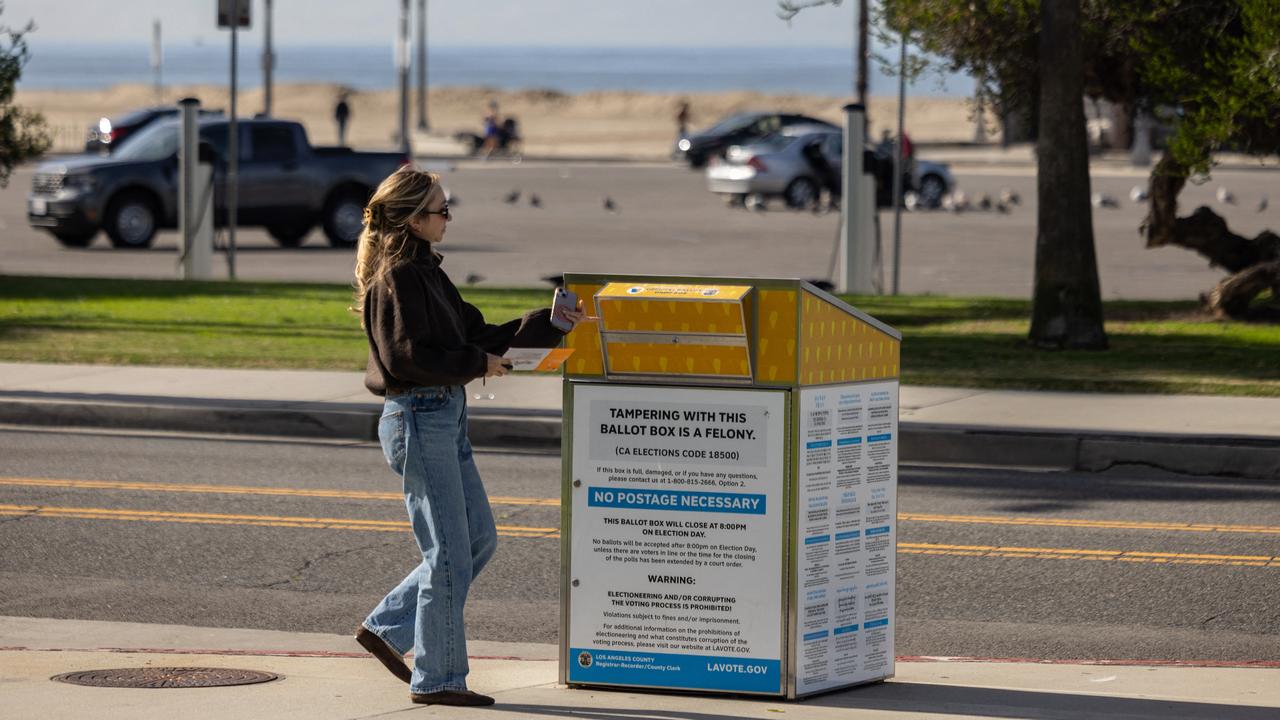
Voting rules draw the most measures, 19 on the AP list. Bans on noncitizen voting lead in Alaska, Arkansas, Kansas, South Dakota and West Virginia, and photo ID amendments lead in North Carolina, Nevada and Ohio. Arizona’s combined proposal trails at 46.7% yes.

Congressional maps were also on the ballot. In Missouri, 61.8% of voters rejected the U.S. House districts lawmakers passed in 2025, with 98.6% of the vote counted. In Maryland, an amendment lifting restraints on congressional redistricting led with 60.0% of the vote.
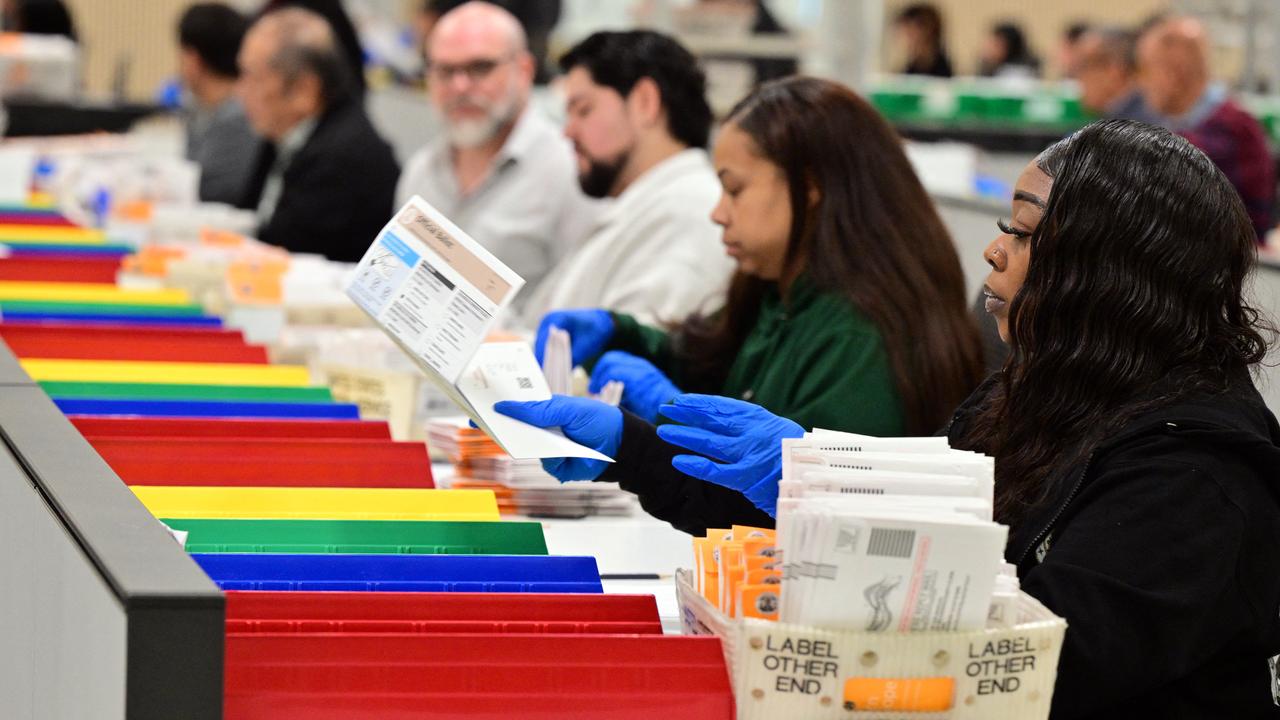
Tax questions returned mixed results. California voters led 55.6% against a one-time 5% tax on wealth over $1 billion. Tennessee led 66.7% for a ban on state property taxes, and Washington led 58.1% against repealing its 9.9% tax on income over $1 million.

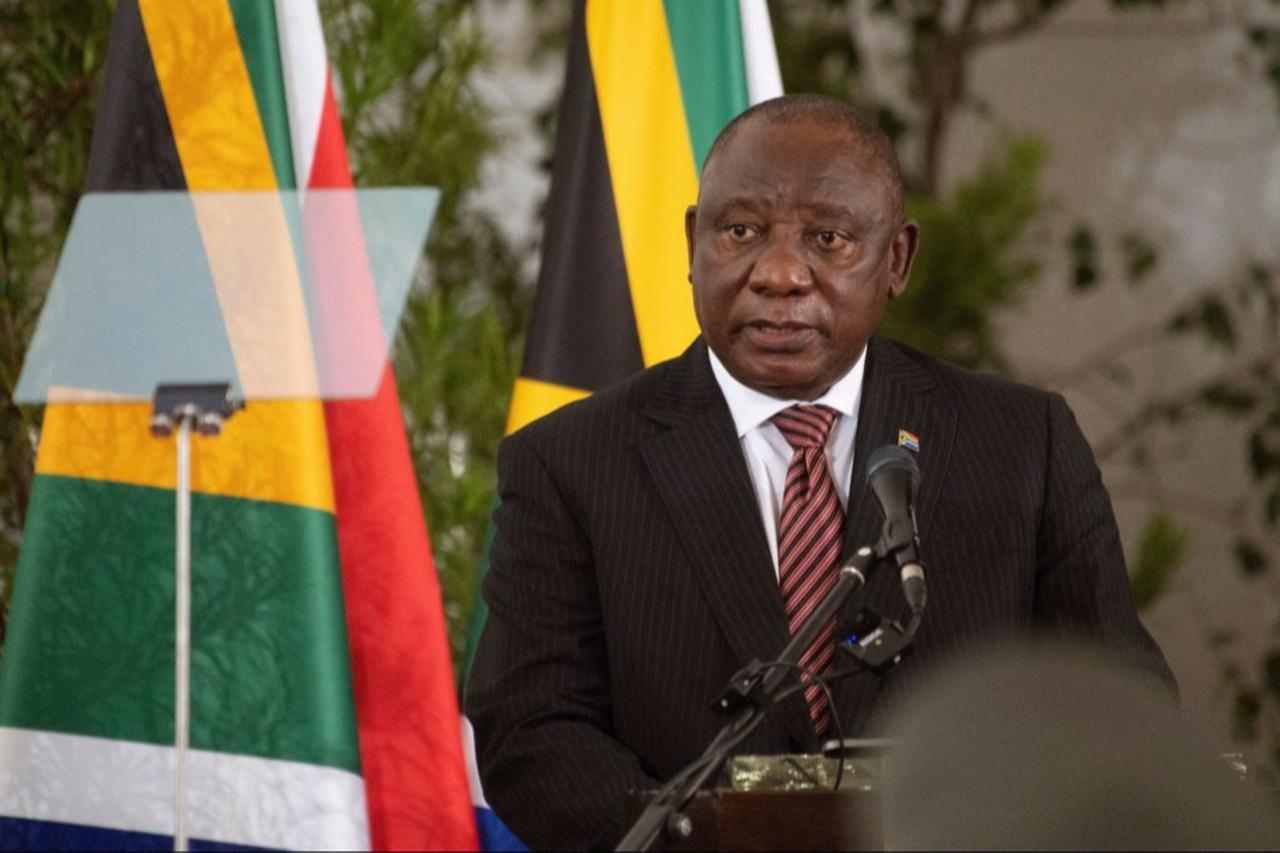
President Trump responded from Washington. In a phone interview with Fox News, he congratulated Democrats on their Election Day success but rejected the idea that the results rebuke his presidency, telling the network, “I don’t view it as a hit on me,” TIME reports.
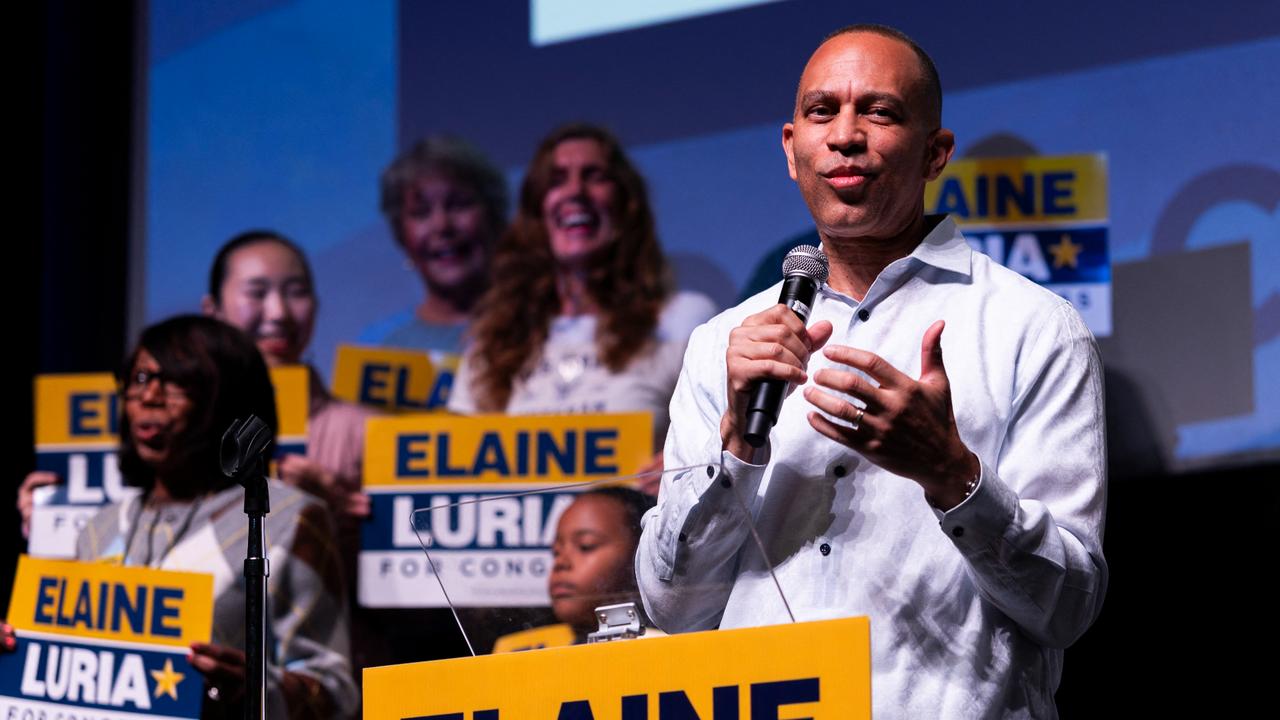
The transition now runs on a fixed calendar. The new Congress convenes Jan. 3, when members elect a House speaker. Hakeem Jeffries, the Democratic leader from New York, is positioned to become the first Black speaker in U.S. history if elected.

Democrats are preparing a 100-day agenda focused on the cost of living and oversight of the administration, with investigations into Trump’s business dealings expected and little appetite reported for impeachment. Trump remains in office until January 2029, and how the two sides share Washington until then remains an open question.


 Set as preferred source


 4 min read