

 Newsletters


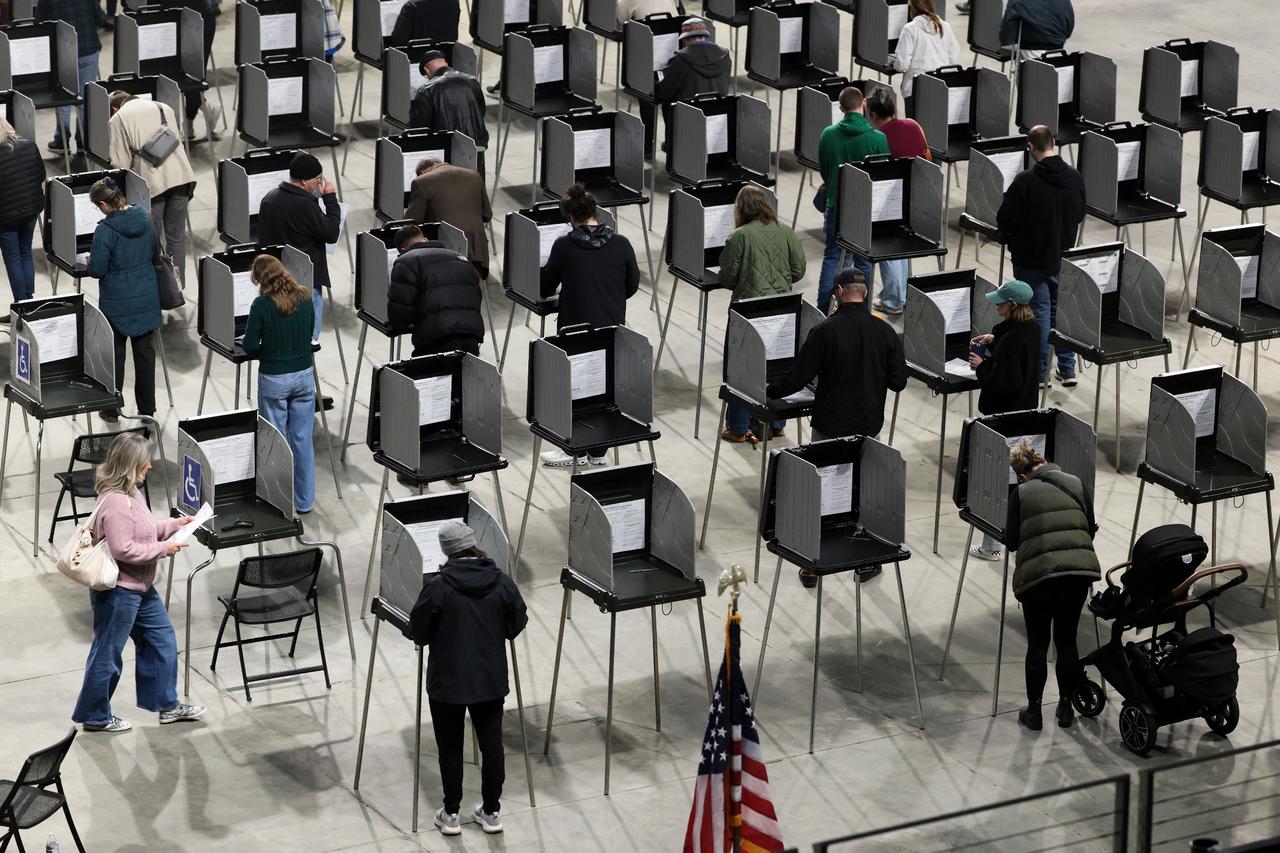


Votes are still being counted after the U.S. midterm elections, and one question is already being asked: did abortion and LGBTQ+ issues change how Americans voted?
On Tuesday, voters in several states answered those questions directly, on the same ballots as candidates for Congress and governor. Abortion rights, same-sex marriage and transgender athletes were all on the ballot somewhere.
The results are not simple. Here is what they show, and what they cannot.

Midterm elections take place halfway through a U.S. president's four-year term. Voters choose all the members of the House of Representatives, about a third of the Senate and many state officials.
In many states, voters also decide laws and constitutional amendments themselves, in votes known as ballot measures.
This year, those measures put abortion, same-sex marriage and transgender policy in front of voters in a way candidate races rarely do.
Abortion has been a state-by-state question since the Supreme Court overturned Roe v. Wade in 2022, which ended a nationwide right to abortion.
The counts below come from The Associated Press (AP) and are unofficial, with several still incomplete.
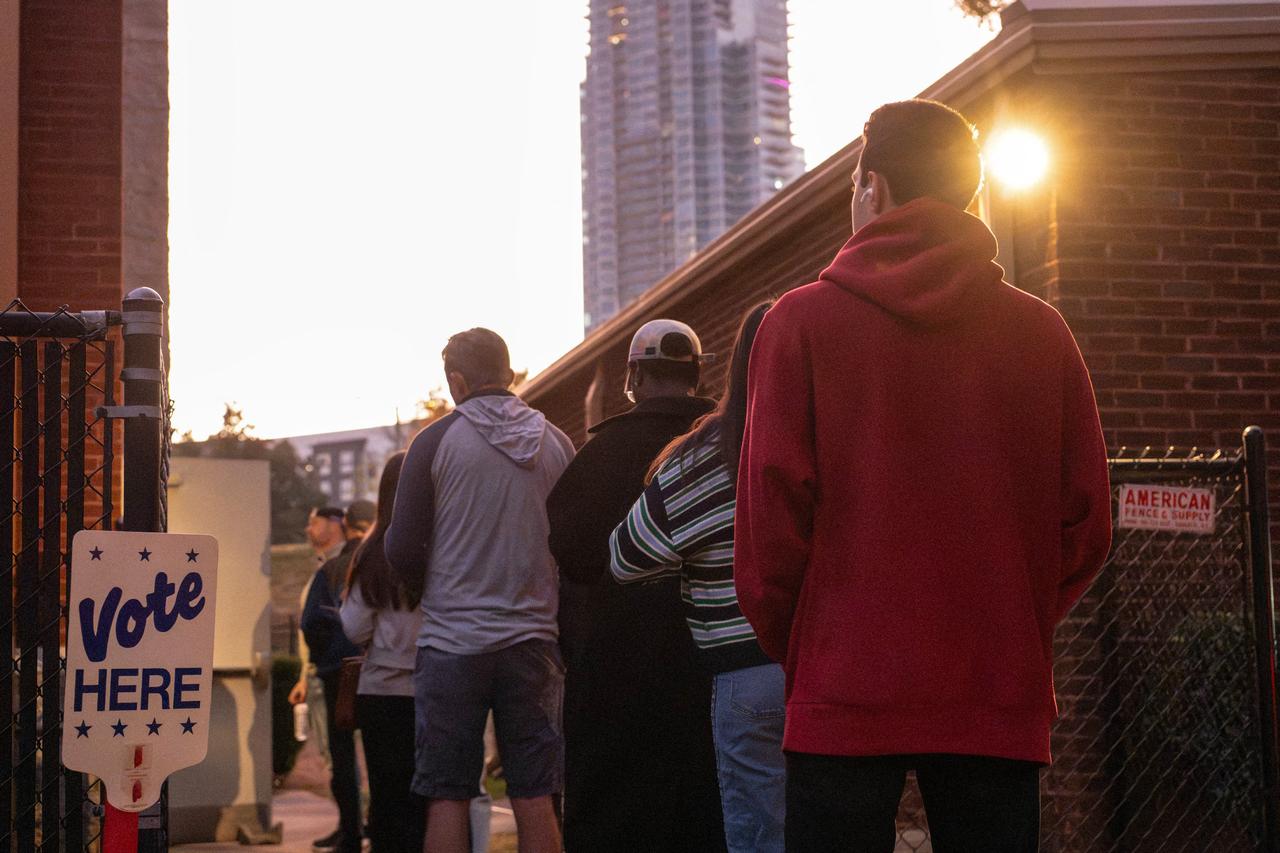
Missouri offered the sharpest test. In 2024, its voters approved a constitutional right to abortion with 51.6% of the vote. This year, state lawmakers asked them to repeal it. Voters refused, with 55.5% voting no.
In Virginia, voters approved a constitutional right to reproductive freedom, including abortion, with 62.2% of the vote.
In Idaho, a measure to establish abortion rights up to the point a fetus can survive outside the womb trailed, with 55.4% voting no and 85% of votes counted.
The vote was not uniform inside the state: Ada County, home to the capital Boise, voted 57% yes.
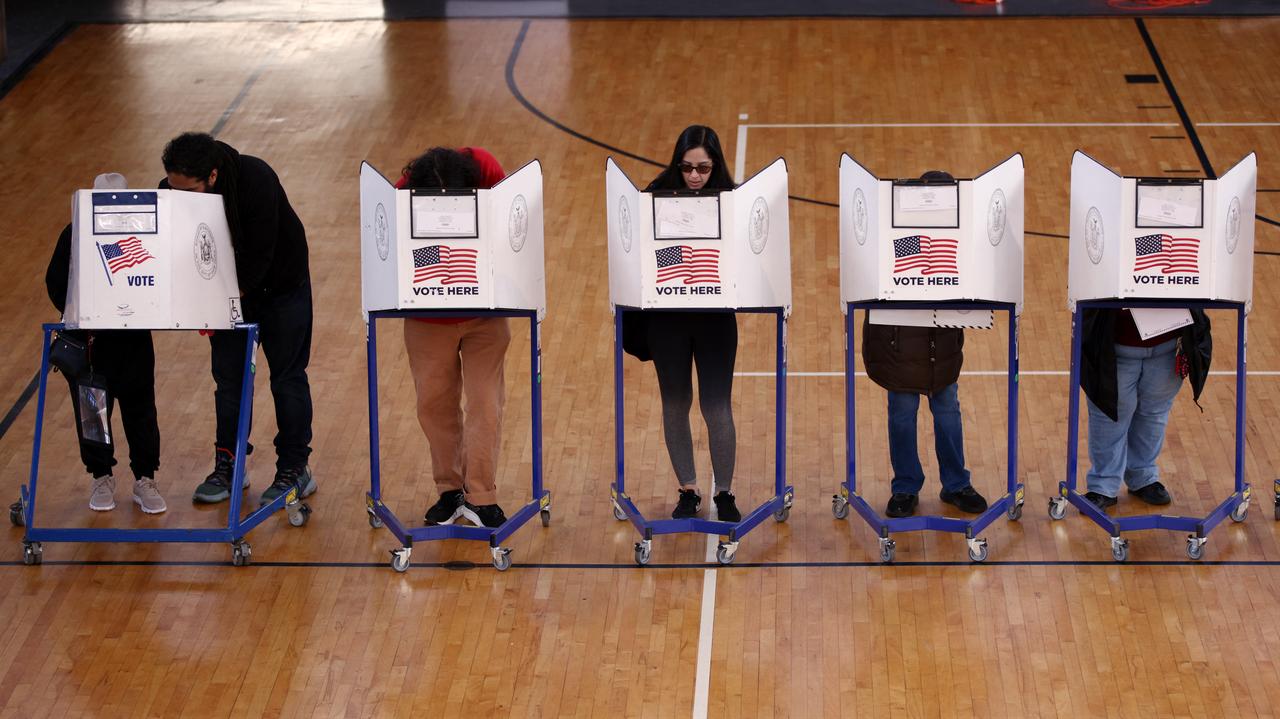
Virginia also voted on same-sex marriage. Voters approved removing a 2006 constitutional ban and adding protection against denying a marriage license based on sex, gender or race.
The repeal received 57.2%, almost exactly the 57.1% that approved the ban in 2006.
Transgender athletes were the other major question. Measures that restrict transgender students in school sports led in Arizona, Colorado, Washington and Nebraska.
Yes votes stood at 52.2% in Colorado, 56.8% in Washington and 57.3% in Arizona, with Nebraska at 67.5%. AP had not called the Arizona, Colorado or Washington races at the latest check.
Colorado and Washington are often described as reliably Democratic states. Within them, the biggest cities voted against the measures: Denver 71% no and Seattle's King County 57% no.
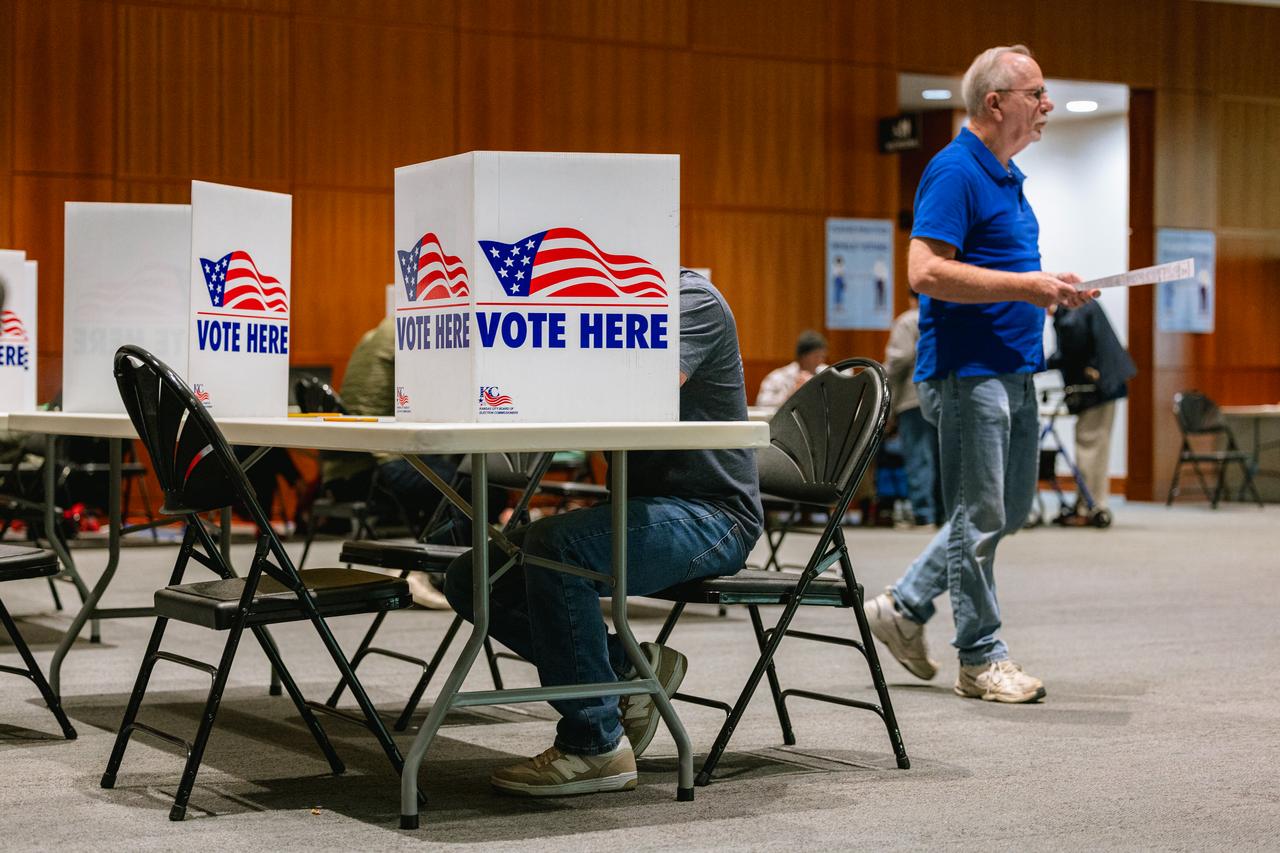
Missouri was the only state where abortion and a transgender measure appeared in the same question. The amendment would have restored a near-total abortion ban with limited exceptions and also banned gender transition procedures for minors. Because voters answered once, the result cannot show how much weight they gave each part.
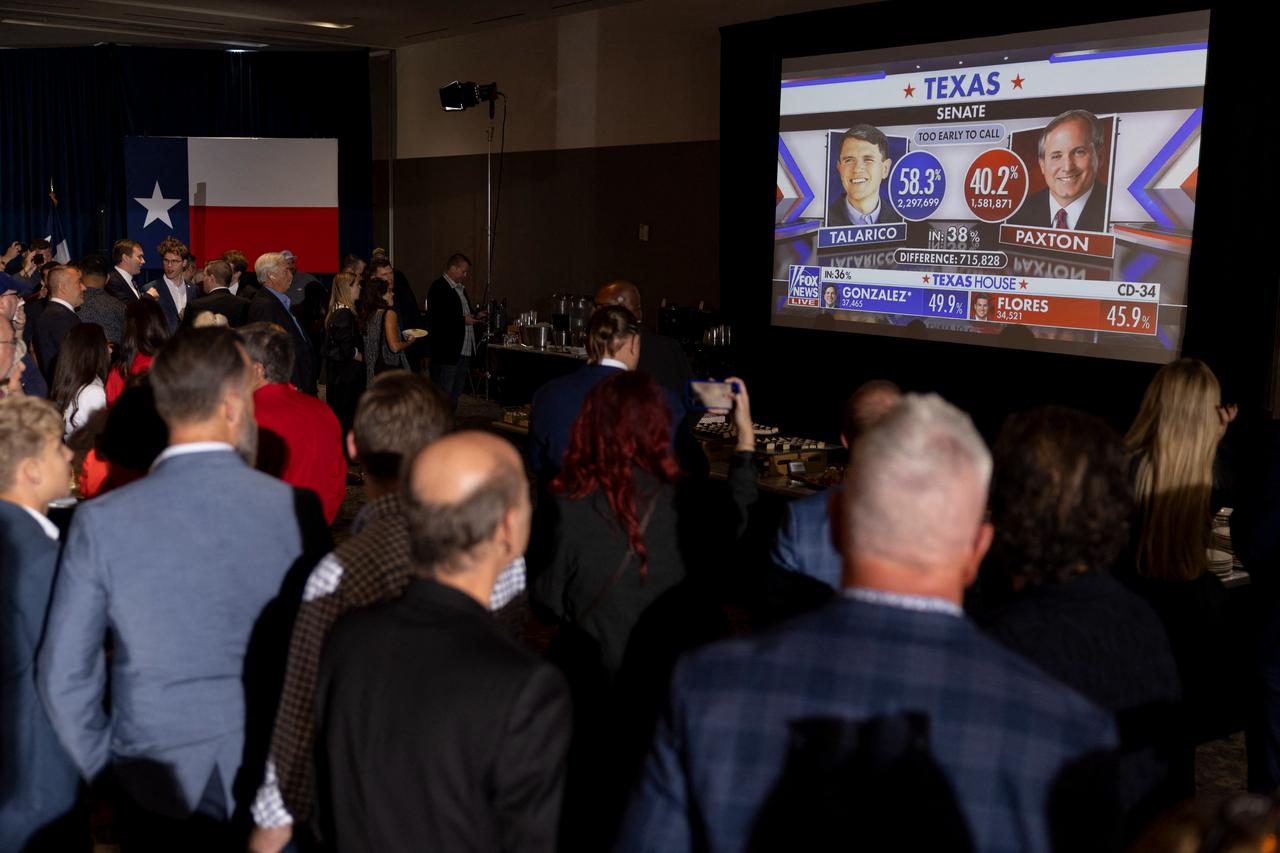
This is the question the ballot measures cannot settle. They show how voters answered a specific proposal. They do not show whether a Virginian who backed abortion rights also chose a Democratic candidate, or whether an Arizonan who backed a sports limit chose a Republican.
Nationally, AP's seat tables show Democrats with 228 House seats, above the 218 needed for a majority, and 54 Senate seats, above the 51 needed, with some races uncalled.
The AP Voter Poll offers a clue about what was on voters' minds. Asked to name the top issue facing the country, 39% chose the economy and 32% the state of democracy.
Immigration drew 14%, healthcare 8%, foreign policy 4% and crime 3%. A second poll chart, on issues that shaped voters' choices for Congress, listed the cost of living, the war in Iran, AI and data centers, immigration enforcement and government corruption. Abortion and LGBTQ+ issues were not among the choices in either question.
The same poll found 78% of Democratic and Democratic-leaning voters said their House vote was to express opposition to President Donald Trump, while 59% of Republican and Republican-leaning voters said he was not a factor.
None of this rules out an effect. A voter could name the economy as the top issue and still weigh abortion in the booth. An early NBC News exit poll found just over half of voters said support for transgender rights had gone too far.
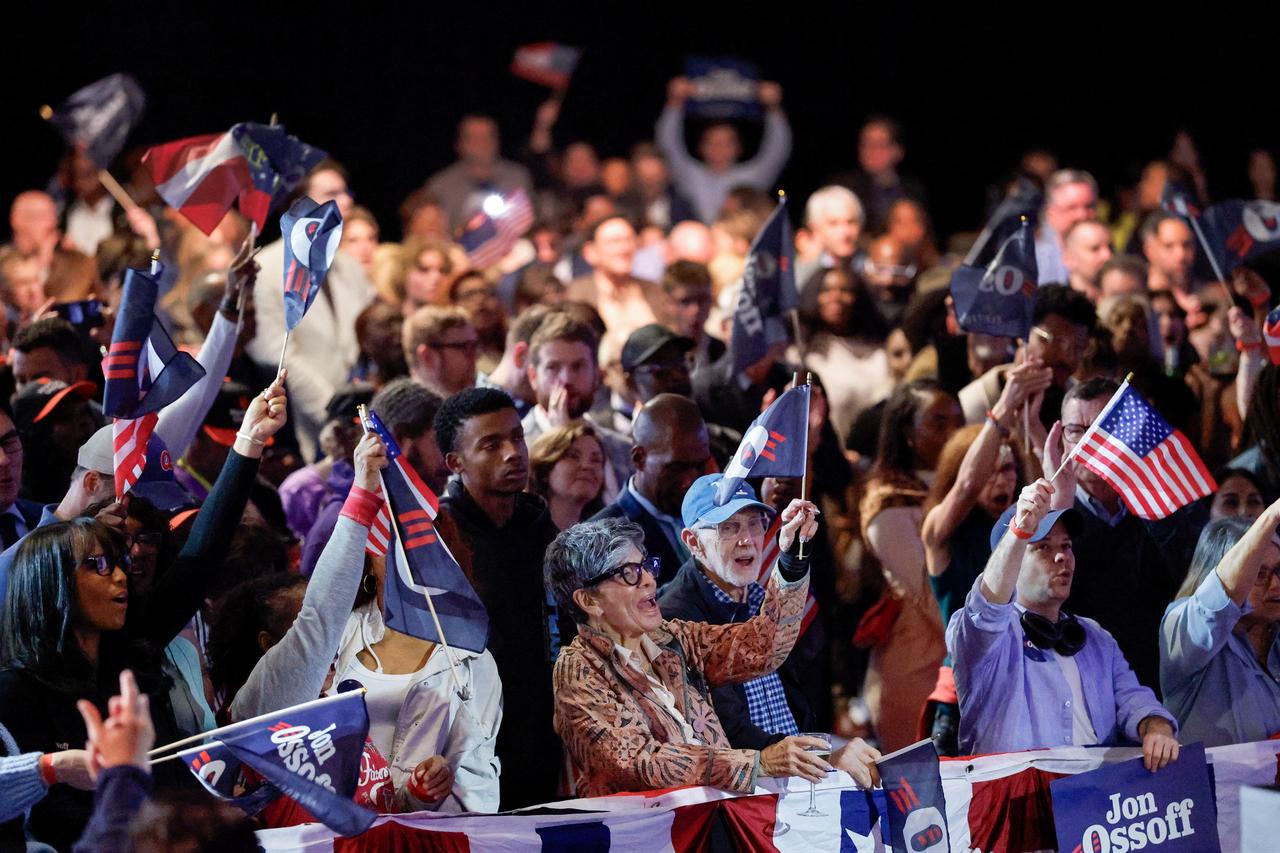
One way around that limit is to set each measure beside the candidate races on the same ballot. If voters backed an issue and the party linked to it in equal numbers, the two shares would be close. In five states, they were not.
On abortion, yes votes ran ahead of the Democratic candidate. In Idaho, the abortion-rights measure had 44.6% yes, about 11 points above the 33.5% won by independent Todd Achilles, the main challenger to Republican Sen. Jim Risch, who won.
In Nevada, Question 6 had 63.2% yes, about 12 points above the 51.3% for Democrat Aaron Ford in the governor's race, which had not been called.
On transgender sports, yes votes ran about 16 to 17 points ahead of the Republican candidate. In Colorado, yes had 52.2% while Republican Mark Baisley received 35.4% in the Senate race.
In Arizona, yes had 57.3% while Republican Andy Biggs received 41.6% in the governor's race. In Nebraska, yes had 67.5% while Republican Sen. Pete Ricketts, who won, received 50.2%.
Researchers have found a similar pattern before. A study of the 2022 and 2024 elections concluded that many moderate voters backed abortion access on the ballot while voting for Republican candidates.
Vote shares cannot show how any one person voted. The gaps do suggest that many voters supported an issue without supporting the party most linked to it.
On the ballot questions themselves, abortion rights held in Missouri, expanded in Virginia, led in Nevada and trailed in Idaho; marriage protections advanced and limits on transgender athletes led.
In every state where candidate results were available, the measure ran ahead of the party most linked to it.
In AP's national poll, the economy and the state of democracy led voters' concerns, and abortion and LGBTQ+ issues were not among the choices listed.


 Set as preferred source
 Set as preferred source


 2 min read



 1 min read


