Newsletters




U.S. military investigators administered polygraph tests to about 50 military officers and civilian officials in August as part of an inquiry into leaks about depleted American munitions stocks during the war with Iran, according to multiple media reports Friday.
The investigation focused on personnel connected to the Joint Staff, the group of senior military leaders that advises the president, The New York Times reported.
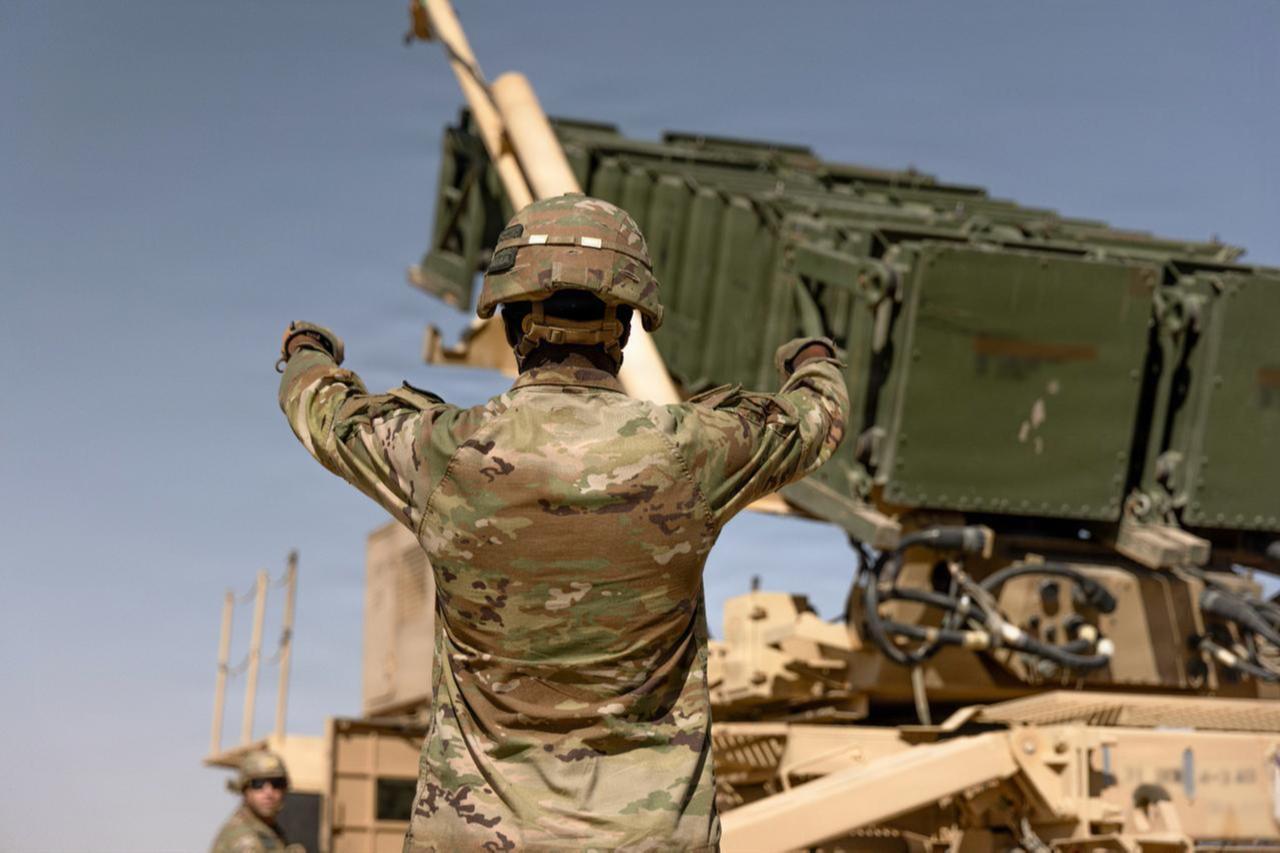
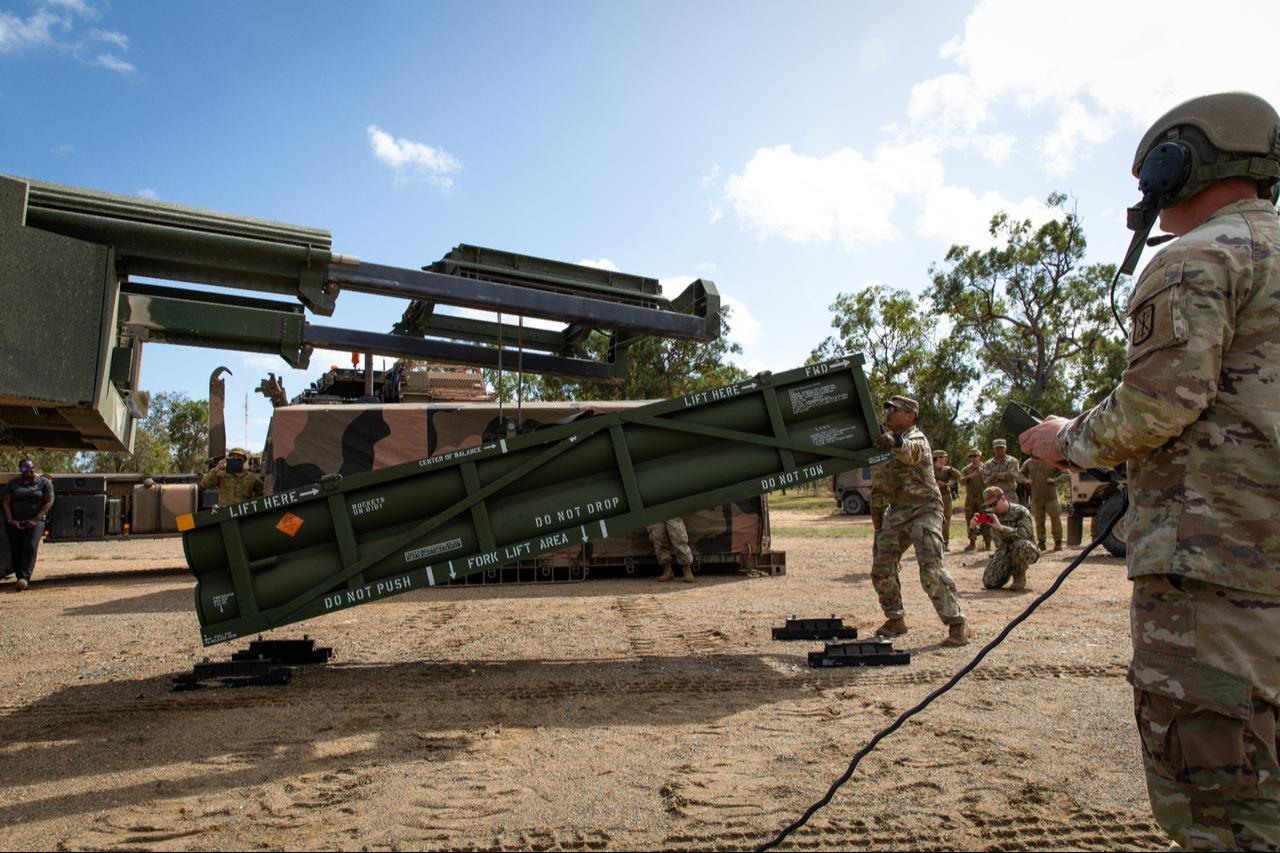
Investigators were examining unauthorized disclosures involving shortages of long-range missiles and Patriot interceptors linked to the Iran war.
CBS News reported that the FBI was not involved in the testing and that the military used its own investigators.
Not all senior leaders were subjected to polygraph tests. Gen. Dan Caine, chairman of the Joint Chiefs of Staff, was excluded from the sweep.

According to CBS News, none of the officials failed questions designed to determine whether they had leaked information to the media.
Investigators were also concerned about whether a government official could have been acting as a foreign spy because access to the specific munitions data was highly restricted, the report said.
Pentagon spokesperson Sean Parnell said the department “does not comment on internal personnel or investigative matters” but takes leaks of classified information “extremely seriously and investigates accordingly.”
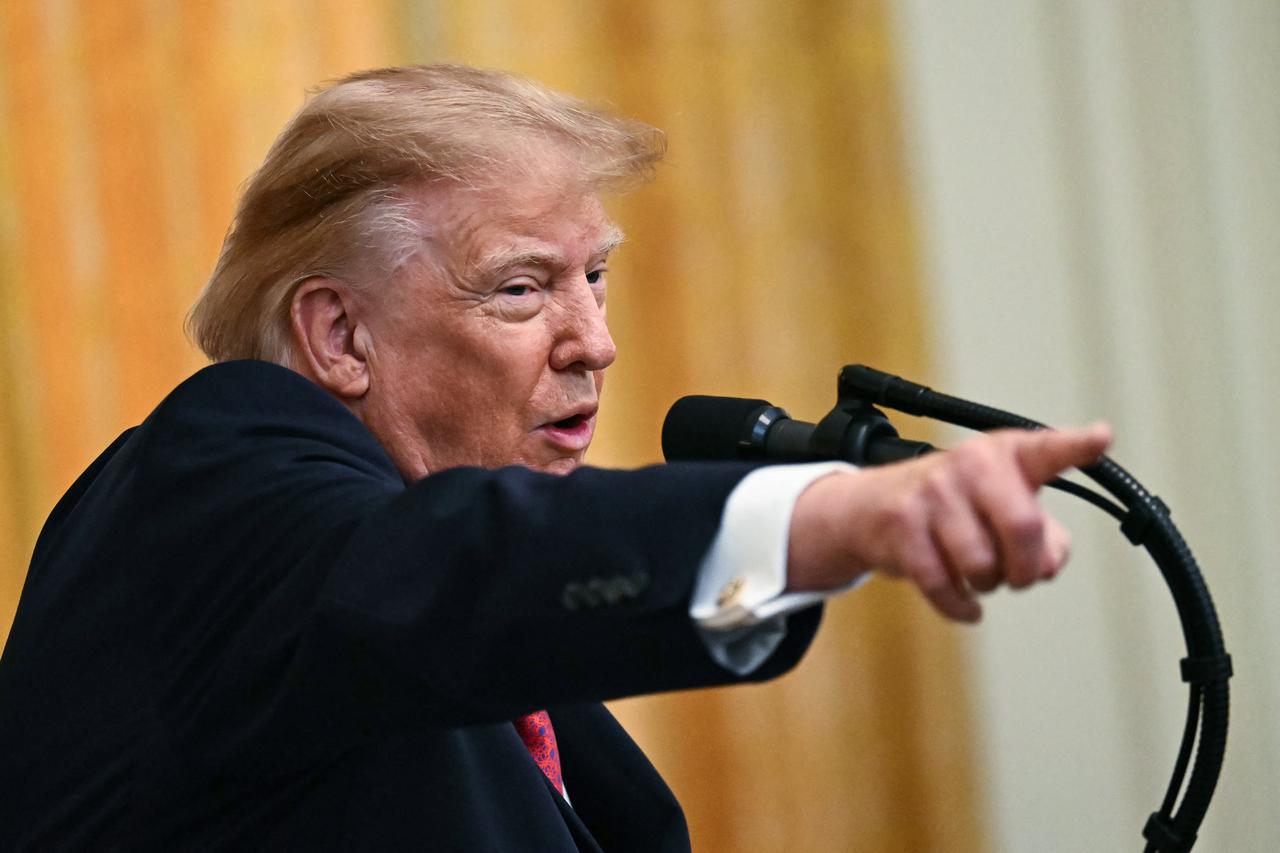
U.S. President Donald Trump was reported to be furious over the unauthorized disclosures.
Trump has denied reports of strategic ammunition shortages, saying the military has “massive amounts” of weaponry.
He described the disclosures as “treasonous statements” and “fake news” and warned that those responsible would be “hunted down” and could face severe prison sentences.
The polygraph inquiry followed other unauthorized disclosures, including a leaked section of the Secretary of Defense Orders Book.
The document showed that six four-star military leaders had formally raised objections to extending large-scale U.S. operations against Iran.
The officials warned that continuing the war was “unsustainable” and could weaken U.S. military readiness in other parts of the world.
Parnell condemned that leak as a “crime” and “a betrayal of the force,” while saying that much of the related reporting was inaccurate.


 Set as preferred source
 Set as preferred source


 1 min read
 1 min read