Newsletters


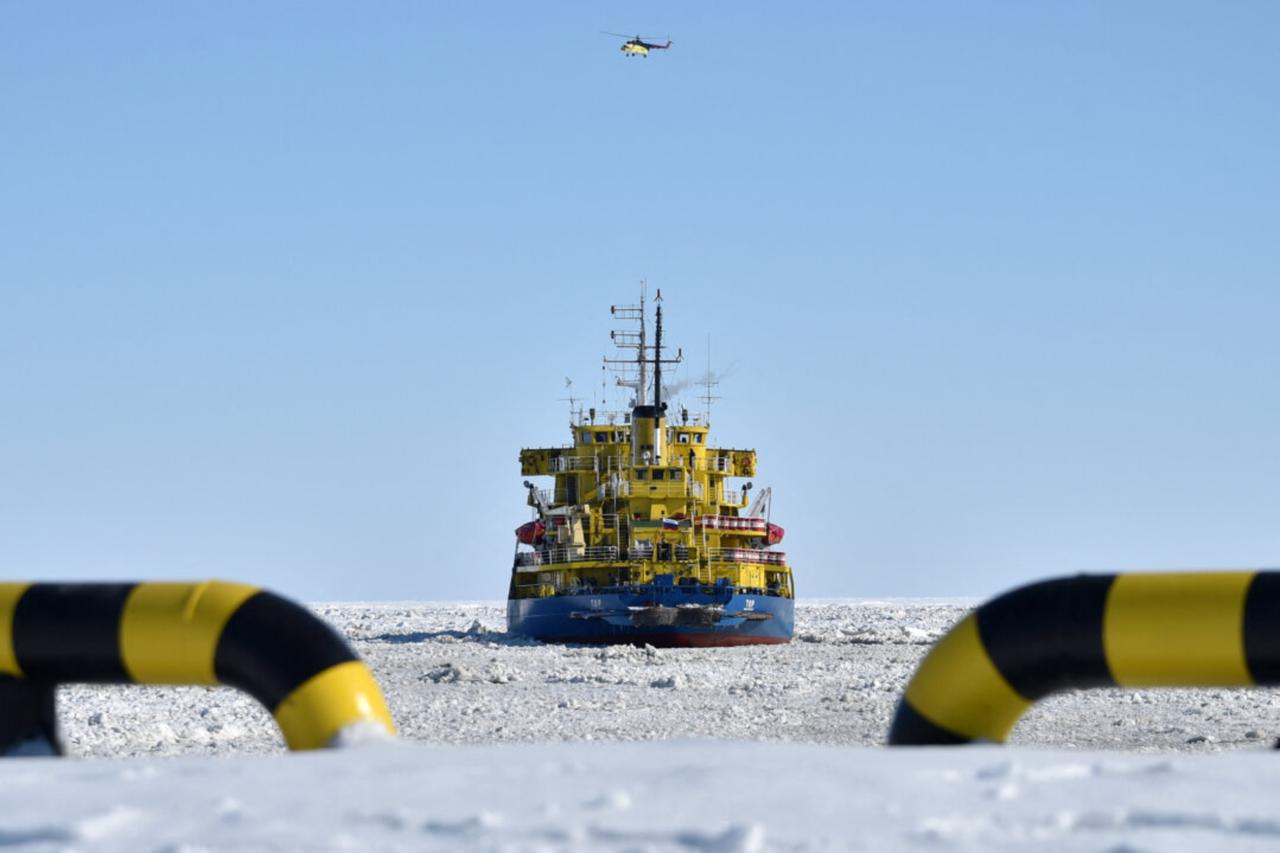


The U.S. is closely monitoring Chinese research vessels operating near Alaska and elsewhere in the American Arctic because of concerns over homeland security and possible seabed resource activity, a senior U.S. Coast Guard official reportedly told Reuters.
Rear Adm. Bob Little, commander of the U.S. Coast Guard’s Arctic District, said four Chinese research vessels had operated offshore in the U.S. Arctic so far in 2026, compared with five during all of 2025.
The vessels sailed near Alaska, including around the Aleutian Islands, through the Bering Strait and as far north as the North Pole, Little said during a visit to Oslo for an Arctic security conference.
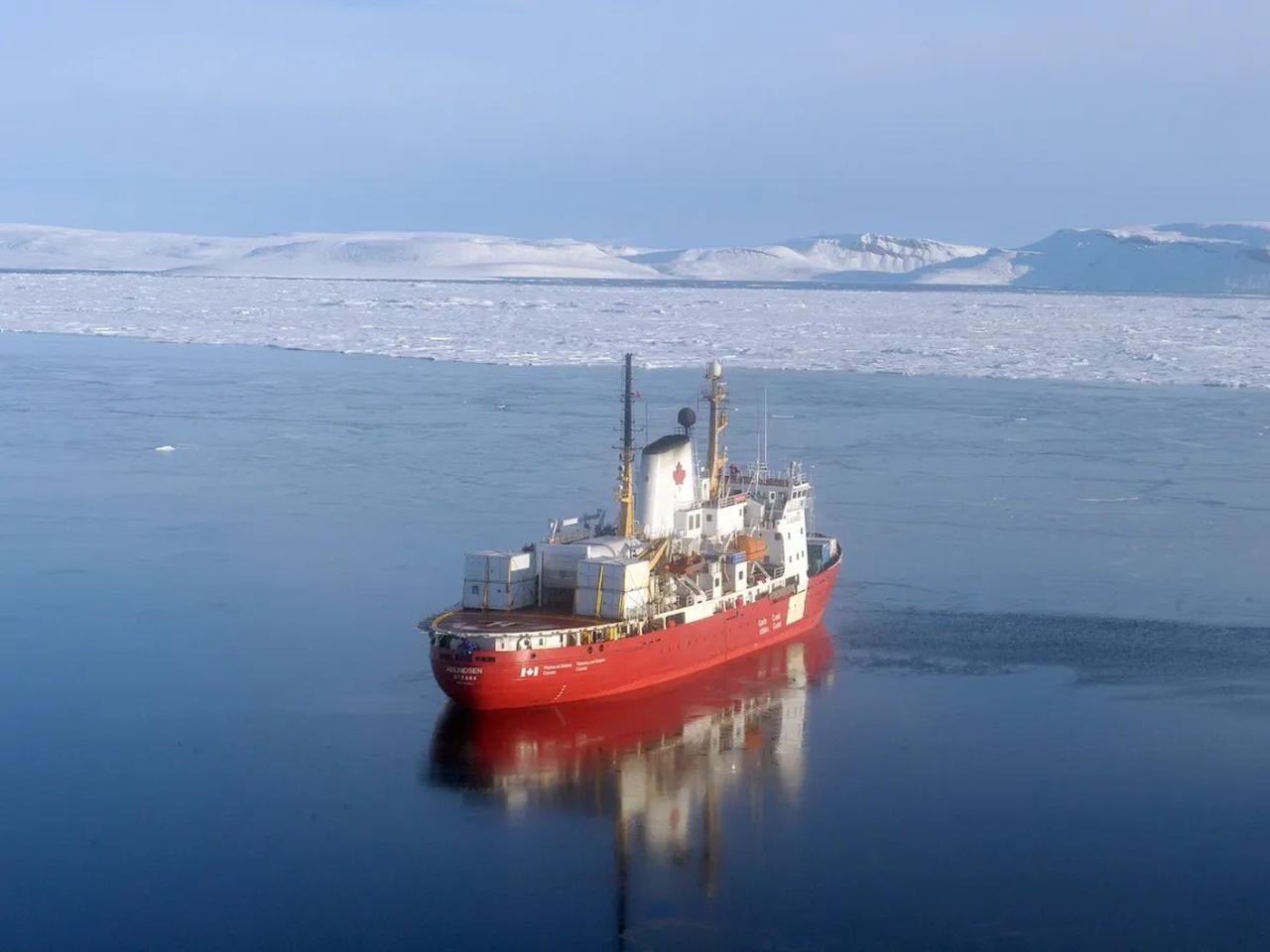

“Where I have responsibility, interest and concern is when they are operating in and around U.S. sovereign space,” Little said.
He said activity inside the U.S. exclusive economic zone or over its extended continental shelf raised security concerns.
The Chinese vessels remained in international waters but had not notified the U.S. of their presence in advance through diplomatic channels, which Little said would normally be expected.
When contacted by U.S. authorities about their activities, the vessels typically said they were either operating in international waters or conducting scientific research, he added.
Little said U.S. concerns were focused on two areas.
One was whether Chinese research could involve potential exploitation of seabed minerals in areas claimed by the U.S.
The second was whether the vessels were carrying out activities that could provide China with a military advantage or create a security threat to the U.S.
China describes itself as a “near-Arctic” state and has promoted the creation of a “Polar Silk Road.” Its presence in the region has increased in recent years, sometimes through joint operations with Russia and sometimes independently.
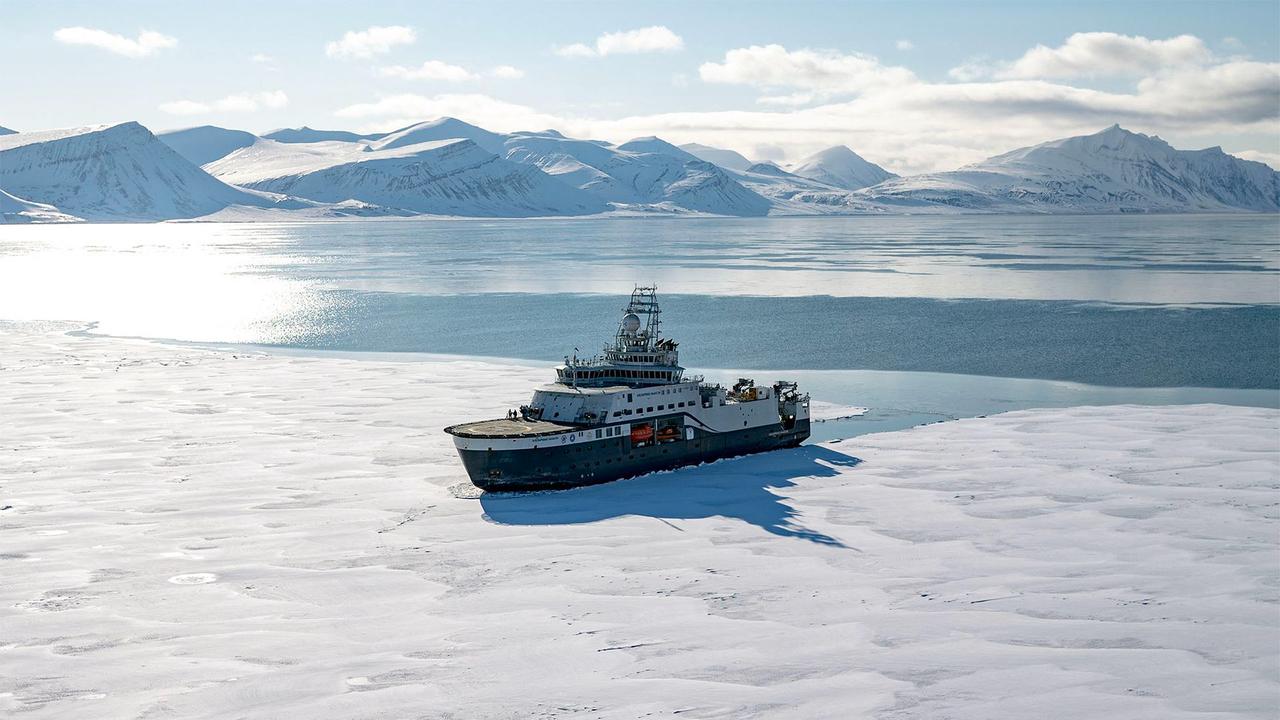
While in Norway, Little said he discussed with international counterparts how they were responding to similar activity by Russian research vessels.
He cited examples of what he described as hybrid threats and activities in the Barents and Baltic seas and said he was watching developments involving Russia closely because the country is a U.S. neighbor in the western Arctic.
Moscow denies that its research vessels conduct illegal activity or pose a threat to U.S. interests.


 Set as preferred source
 Set as preferred source


 1 min read
 1 min read