Newsletters


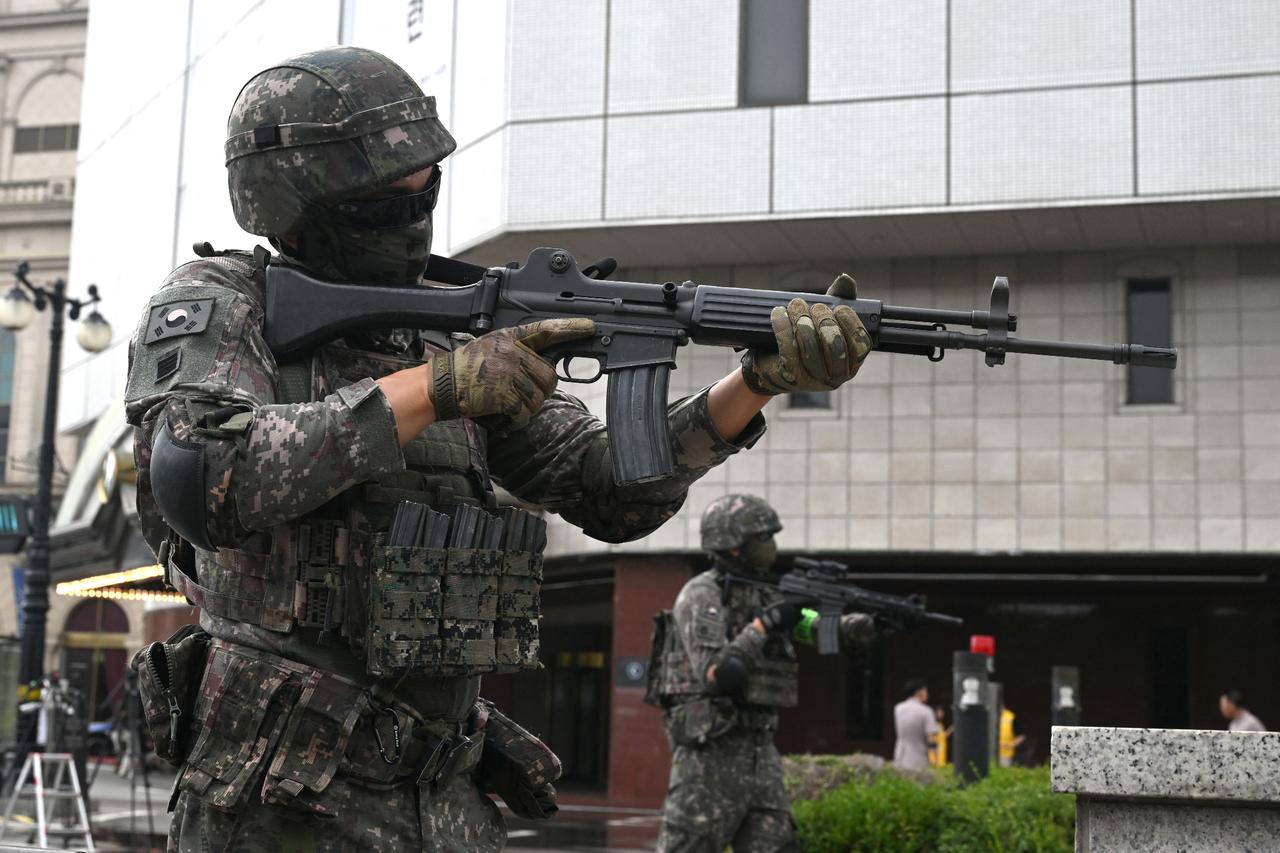


The U.S. has reaffirmed that the transfer of wartime operational control, or OPCON, to South Korea will remain conditions-based, a senior South Korean lawmaker said Sunday after talks with U.S. military officials in Hawaii.
Rep. Jin Sung-joon of the ruling Democratic Party, who chairs parliament’s defense committee, made the remarks after returning from a five-day visit to the U.S. Pacific Command.
“The existing agreement between South Korea and the United States remains intact, and the conditions have not changed as of now,” Jin said.
He said U.S. officials acknowledged that “policy-related factors” could influence the transfer after the South Korean delegation conveyed Seoul’s strong commitment to regaining wartime command but stressed that the current conditions-based framework remained unchanged.
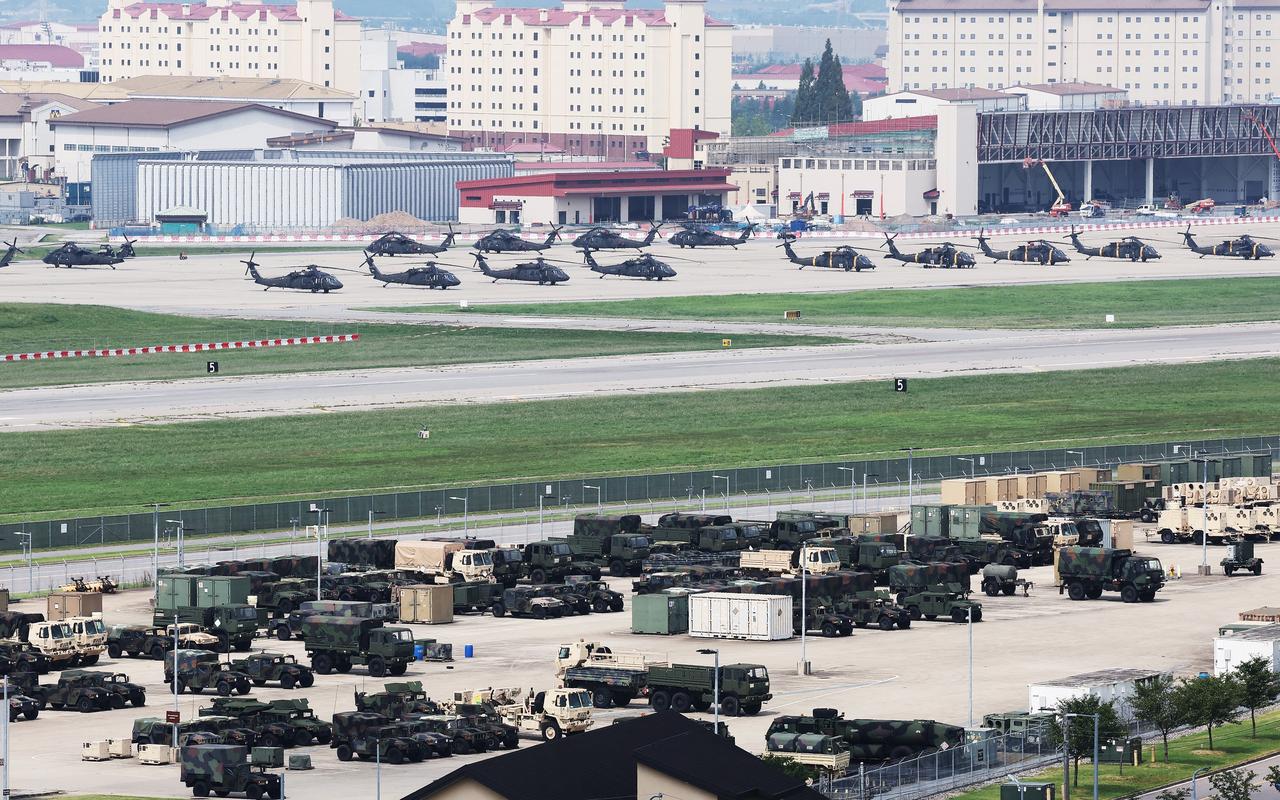

According to Jin, U.S. officials also said the decision to postpone the South Korea-U.S. Security Consultative Meeting until next year was unrelated to any disagreement over the OPCON transfer.
The delay was due solely to scheduling issues, he said.
During the Hawaii visit, Jin and his delegation met the U.S. Pacific commander and other senior military officials to discuss strengthening bilateral security cooperation and the future of the alliance.
South Korea transferred operational control to the U.S.-led U.N. Command during the 1950-53 Korean War.
Wartime command was later transferred to the South Korea-U.S. Combined Forces Command when it was established in 1978.
Seoul regained peacetime operational control in 1994, but wartime OPCON remains under U.S. control.
President Lee Jae Myung’s administration aims to regain wartime operational control before its term ends in 2030, or potentially earlier.


 Set as preferred source
 Set as preferred source


 2 min read
 1 min read