Newsletters


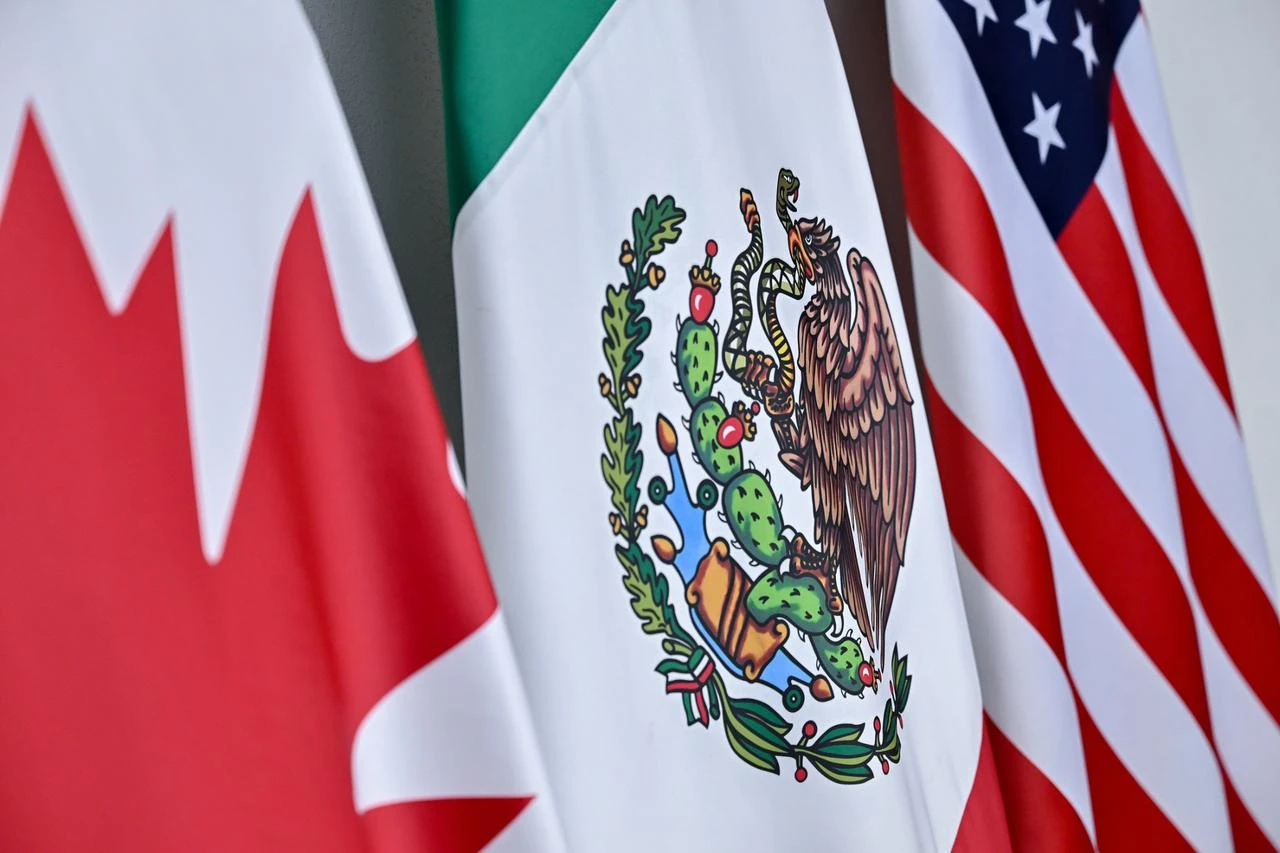


The United States has refused to renew the North American trade agreement governing commerce among the U.S., Canada and Mexico, setting the stage for potentially years of renegotiation over a pact that underpins nearly $2 trillion in annual regional trade.
U.S. Trade Representative Jamieson Greer confirmed Wednesday that Washington would not extend the US-Mexico-Canada Agreement (USMCA) in its current form, triggering annual reviews rather than the 16-year renewal that both Ottawa and Mexico City had sought.
The USMCA remains in force for another decade, but the decision opens the deal to continuous scrutiny and negotiation.
"The United States did not agree to renew the USMCA in its current form. As a result, the USMCA is not renewed," Greer said, adding that Washington would continue engaging with its neighbors "to address the agreement's shortcomings and our trade deficits with these countries."
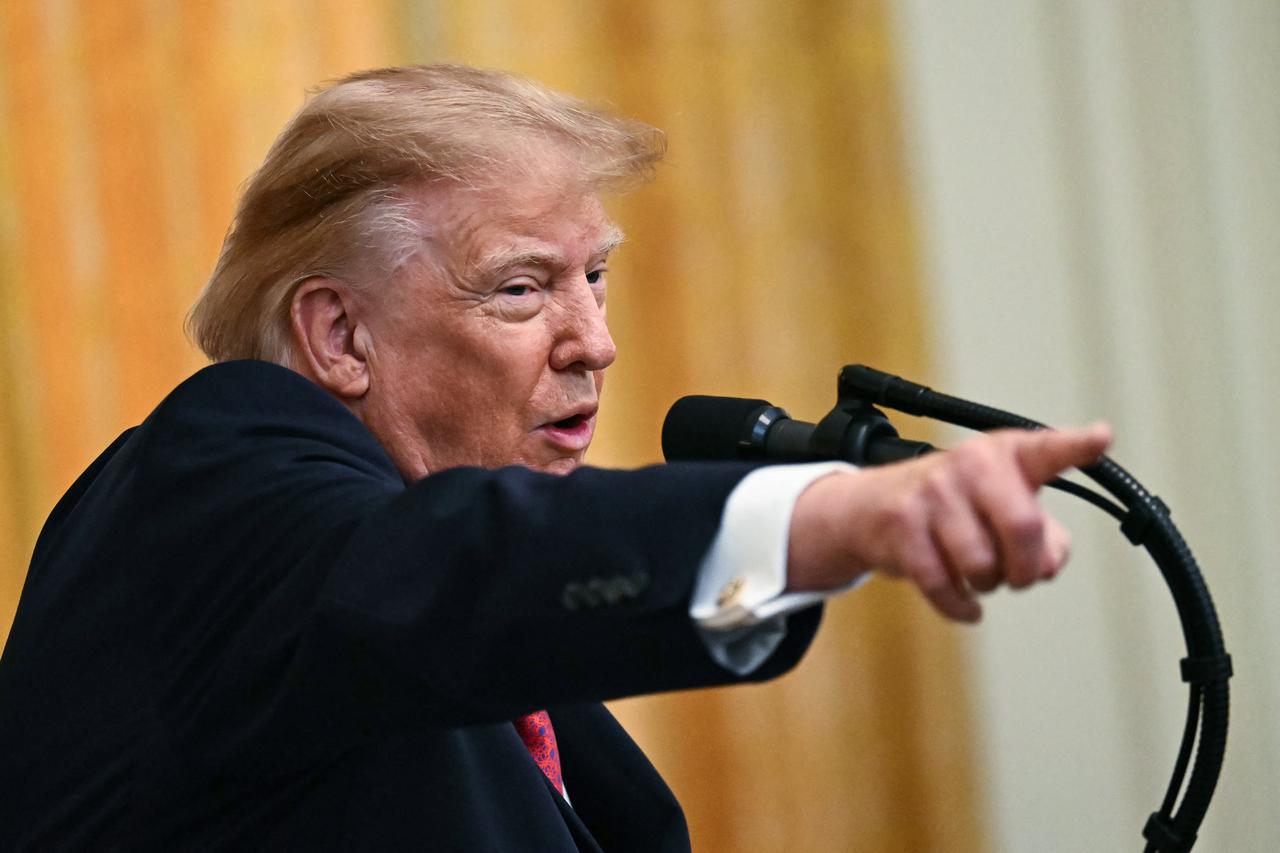
The move had been widely anticipated after President Donald Trump said in June he was not looking to renew the pact, despite having signed and championed it during his first term.
Trump's second administration has identified U.S. trade deficits and market access, particularly in dairy and corn, as central grievances.
KPMG senior economist Benjamin Shoesmith said the development "definitely will have a large impact on investor sentiment, not just in the U.S. but investing into Mexico in particular," noting that Mexico has attracted significant interest from companies seeking a foothold in North American supply chains.
Shoesmith expects automobiles and energy to dominate the renegotiation agenda. The auto sector is especially exposed, given the dense cross-border integration that sees vehicle components move repeatedly across the U.S., Mexican and Canadian borders before a finished car reaches market.
The American Automotive Policy Council's president, Matt Blunt, emphasized that "North American economic integration enables enormous competitive benefits for the region," while the International Association of Machinists and Aerospace Workers urged tougher labor protections and measures to discourage companies from shifting jobs south in pursuit of lower wages.
The Alliance for American Manufacturing pushed for stricter rules of origin to limit China's ability to access the US auto market through back-channel manufacturing in the region.
Mexico's economy secretary, Marcelo Ebrard, confirmed the impasse but struck a measured tone, saying there were no insurmountable obstacles ahead.
He noted that the number of outstanding US complaints about the agreement had fallen sharply, from 54 in 2025 to 14, framing the narrowing gap as progress.
Greer, Ebrard and Canada's minister responsible for US trade relations, Dominic LeBlanc, held a virtual meeting Wednesday to discuss the path forward.
A senior US official urged a swift resolution, saying, "I think we need to come to a conclusion quickly, if possible," even as analysts cautioned that rolling negotiations could stretch on for months or years.
The US and Mexico have completed two rounds of bilateral talks, with a third scheduled for the week of July 20.
Mexico has separately pressed Washington to ease tariffs on steel, aluminum and automobiles imposed under Trump's sweeping duties on imports. No formal schedule for Canada-US talks has been announced, though Greer and LeBlanc have met.
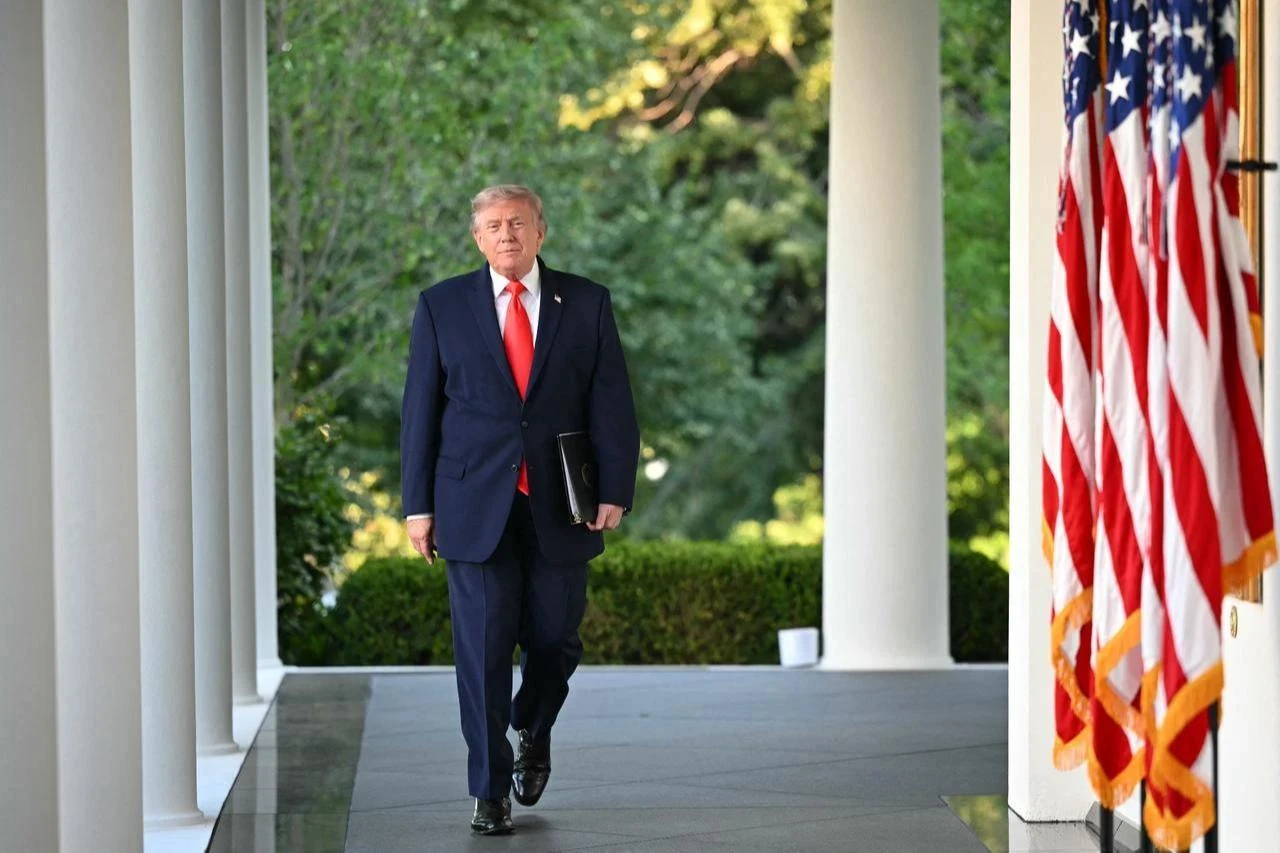

The USMCA entered into force in 2020 as a successor to the North American Free Trade Agreement (NAFTA) that had governed regional commerce since 1994.
The updated pact lowered or eliminated tariffs and trade barriers across a wide range of goods, and deepened integration particularly in manufacturing, agriculture and energy.
As the Trump administration imposed broad tariffs on trading partners, USMCA-compliant products were carved out for preferential treatment, a signal that Washington views the agreement as a tool to be reshaped rather than abandoned.
Goods and services trade within North America totaled nearly $2 trillion in 2024, and analysts broadly expect the framework to survive, if not in its current form.


 Set as preferred source
 Set as preferred source


 1 min read

 1 min read