Newsletters


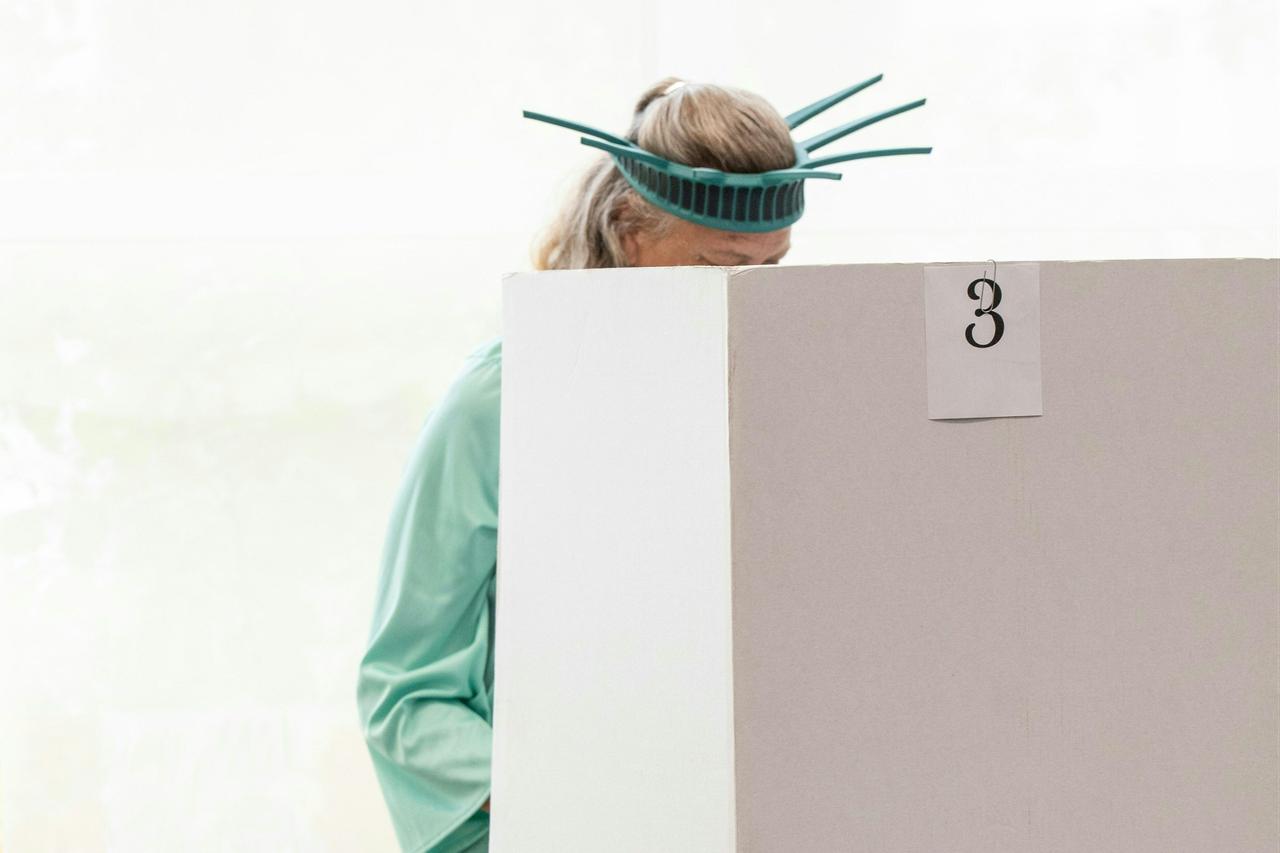


Republicans staged a final weekend push Sunday to blunt a predicted defeat in Tuesday’s US midterm elections. Polls show Democrats nearly certain to win the House of Representatives and, against earlier expectations, with a real chance at the Senate.
A Democratic win in either chamber would be the first significant political check on President Donald Trump since he returned to office in 2025. The party has not controlled Congress during his second term.
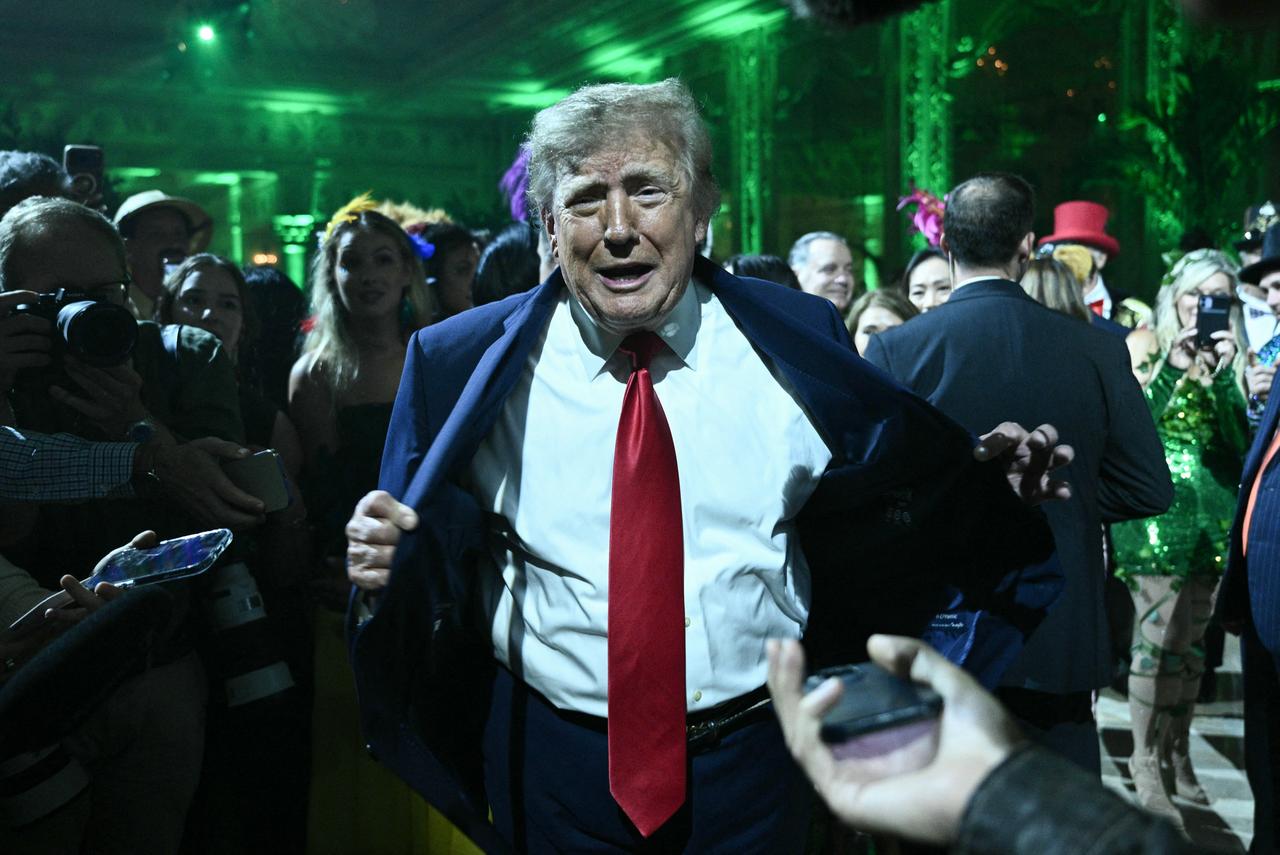

Trump headlined rallies in Iowa and Kansas, states where Republicans would normally not need a presidential visit in the final days. The events, in Dubuque and Salina, were first canceled and later restored.
Trump has told supporters that Democrats would turn the country communist and has floated $5,000 payments to everyone in the country if Republicans win. “I feel good,” he told reporters late Saturday at his Florida golf club. “The country has never done better.”
Voters appear less convinced. A national poll released Sunday found 60 percent of Americans disapprove of Trump’s performance, with high prices, worsened by the eight-month war against Iran, a particular source of frustration. Even so, his rallies may energize a loyal base.
Democrats lead the national congressional ballot by about eight points in a polling average, 51.4 percent to 43.2 percent. One recent survey put the margin at 10 points.
Forecasters see the House as all but lost for Republicans. One prominent model updated Oct. 30 calls Democrats overwhelming favorites to take it. A mid-October ratings assessment projected Democrats could reach 237 seats on a good night, with 18 races rated toss-ups.
The party is still nervous after a decade in which Trump has defied political expectations. Democratic Sen. Raphael Warnock described the mood as “nauseously optimistic.”
The Senate is the biggest open question. Republicans hold a slim majority, and only a third of the 100 seats are on the ballot. Few of those races were seen as favorable to Democrats at the outset.
Strong Democratic challenges in conservative states such as Texas and Kansas have changed that. The same ratings assessment found each party leading in 47 seats, with six toss-ups likely to decide control. Another forecast, updated Oct. 30, has Democrats clearly favored for the chamber.
In Kansas, a poll released Friday showed Democrat Adam Hamilton leading Republican Sen. Roger Marshall by 52 percent to 43 percent. A tighter survey had the race closer. If Hamilton wins, he would be the first Kansas Democrat elected to the Senate in 94 years.
A Democratic Senate could block Trump’s judicial appointments, including to the Supreme Court. A Democratic House would control the budget and take over committees expected to investigate allegations of widespread corruption, Trump’s ties to the late sex offender Jeffrey Epstein and other issues. The Republican’s second term has featured a sweeping expansion of presidential power, including broad tariffs and threats to annex allies such as Canada and Greenland.
 1 min read

About 53 million people have already voted, a record for a midterm. An analysis of early voting found nearly 10 million more ballots cast by last Friday than at the same point in 2022. Texas had recorded 6.3 million early votes, up from 4.2 million.
In states that report party data, Democrats are voting early at higher rates than Republicans. Analysts caution that early totals do not show how people voted, and Republicans have historically voted more heavily on Election Day.
The campaign has been costly and bitter. About $11 billion has been spent on advertising, much of it from mega-donors. Elon Musk, a close Trump ally who led the so-called DOGE effort, has given nearly half a billion dollars to help elect Republicans. Trump has repeatedly and falsely called Michigan Democratic Senate candidate Abdul El-Sayed a “jihadist.”
There is also concern that Republicans may not accept a loss, which could revive the constitutional crisis that followed Trump’s attempt to overturn his 2020 defeat. Over the weekend, the White House undermined confidence in the count by rebutting a post that explained it is normal for a candidate to lead early in complex districts and fall behind once all ballots are tallied. “No it isn’t,” the official presidential account on X replied.


 Set as preferred source
 Set as preferred source




 1 min read