Newsletters


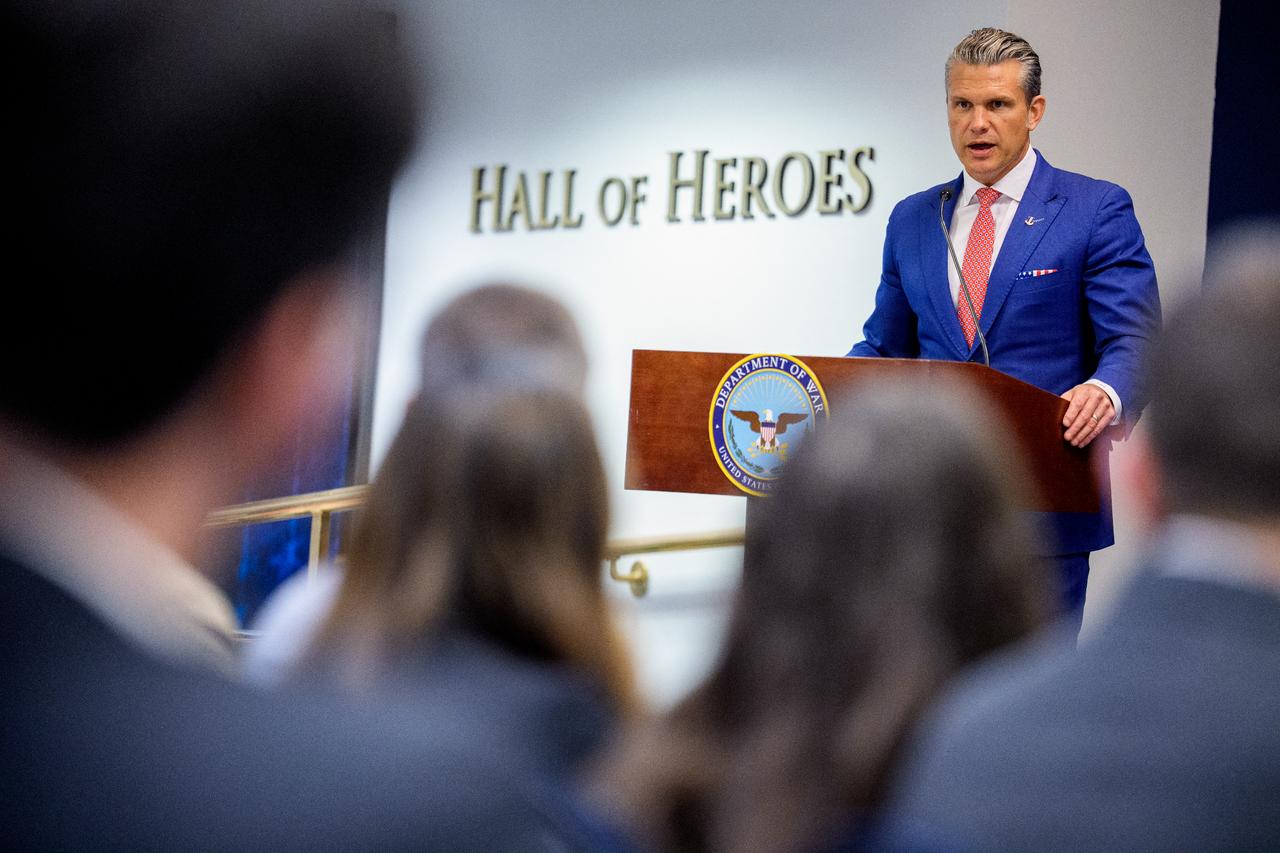


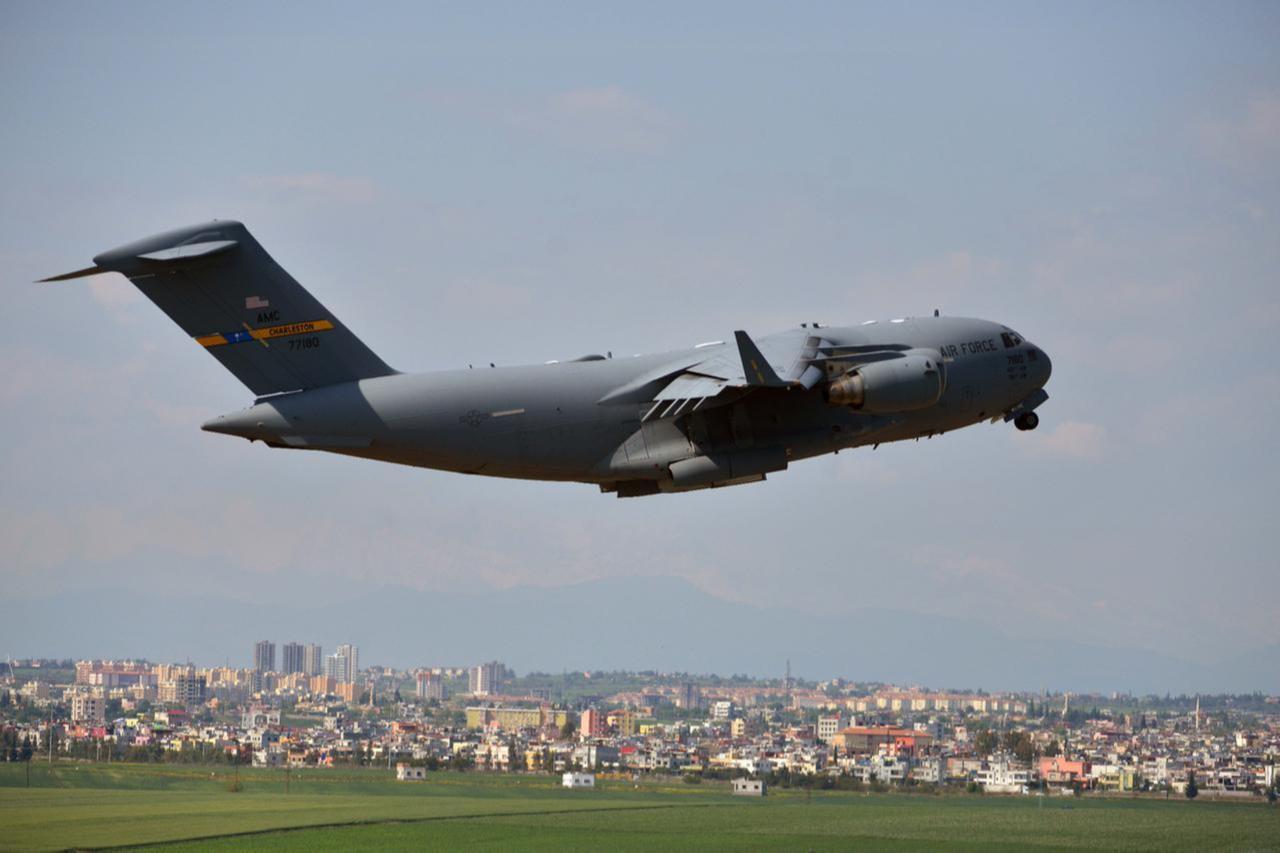
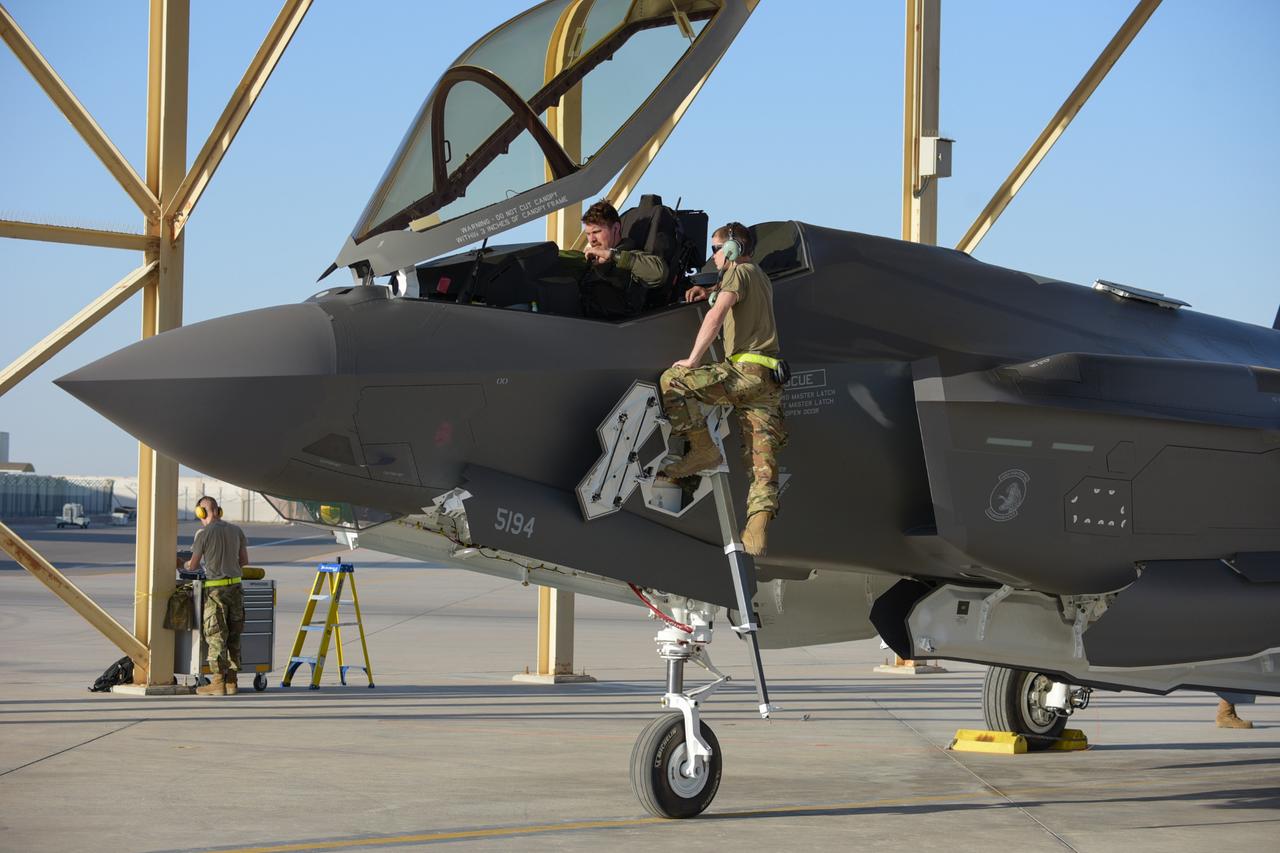
U.S. Under Secretary of Defense for Policy Elbridge Colby said Wednesday that the United States is reviewing its military force posture in Europe as part of an effort to advance what the administration calls “NATO 3.0.”
Colby said he held a session Tuesday with officials at U.S. European Command in Stuttgart, Germany, to discuss the ongoing Europe Posture Review.
“We had a superb session at U.S. European Command yesterday hearing from them and discussing the Europe Posture Review,” Colby said in a post on X.
He thanked Air Force Gen. Alexus Grynkewich, commander of U.S. European Command (EUCOM) and NATO’s Supreme Allied Commander Europe (SACEUR), and his team for what he described as an “excellent partnership.”
“The Review is designed to ensure our strategic posture in Europe advances and accelerates the NATO 3.0 of an Alliance rededicated to ... clarity, rigor, and readiness,” Colby said.
“We look forward to continuing to engage with key stakeholders as we do so,” he added.
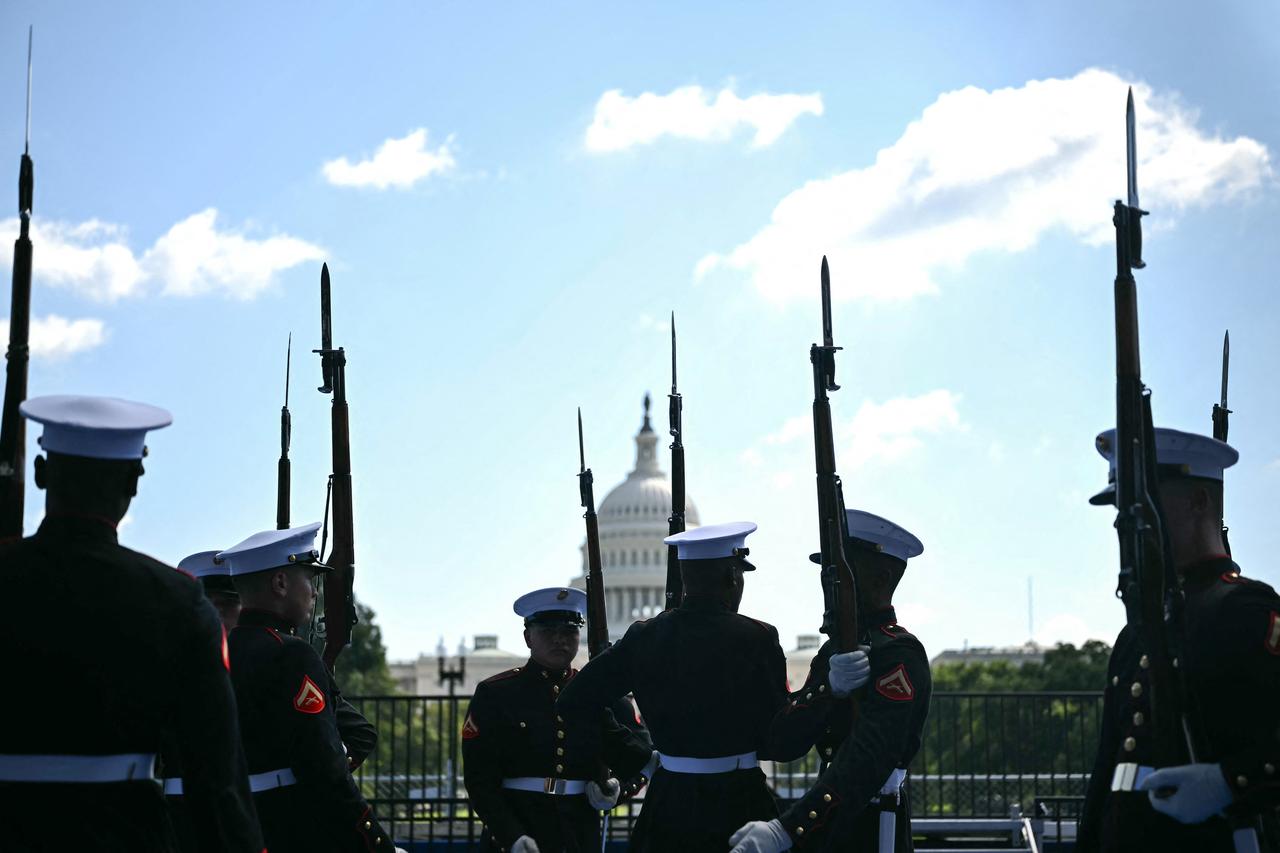

Following his meetings at U.S. European Command, Colby is traveling to Mons, Belgium, to visit Supreme Headquarters Allied Powers Europe (SHAPE).
He will then travel to NATO headquarters in Brussels, where he will brief NATO’s North Atlantic Council on Thursday and engage with senior leaders from across the alliance.
NATO Secretary-General Mark Rutte will also meet with Colby on Thursday.
A NATO official said the United States was consulting allies as part of its force posture review.
“The United States is consulting with allies as part of its force posture review,” the official said.
Washington launched a six-month review in July as it presses European countries to take primary responsibility for the continent's conventional defense.
The move was announced by Defense Secretary Pete Hegseth amid U.S. anger at the response of European nations to the war with Iran, including restrictions on U.S. forces using their bases at the start of the conflict.
As part of the process, the United States is asking countries about their defense spending and approach to American forces using bases, European diplomats said.
“We need to send a united European message on Thursday to show how we are stepping up together as a whole,” one diplomat said. “It is not a beauty contest.”
U.S. President Donald Trump’s administration has long pressured Europe to spend more on defense as it signals it wants to step back and focus on other challenges, including China.
The Pentagon has already told allies it is reducing the number of assets it makes available for NATO’s defense plans.
Washington also said in May it would withdraw 5,000 troops from Germany, though Trump later said he was sending the same number to neighboring Poland.
European countries are sharply increasing military budgets, agreeing in 2025 to Trump’s demand to devote 5% of gross domestic product to security-related spending by 2035.
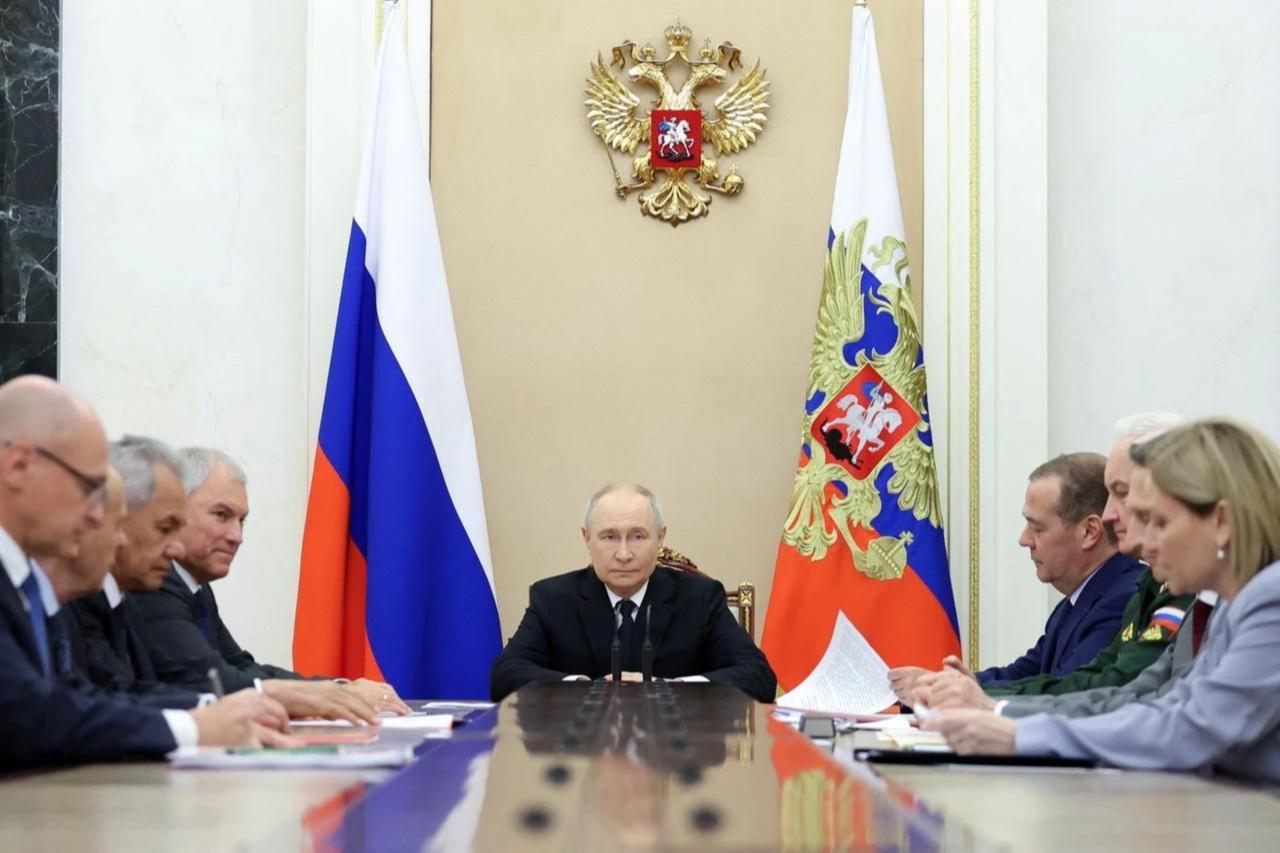
The NATO posture review comes as U.S. media reported that a highly unusual trip by CIA Director John Ratcliffe to Moscow this week was intended to warn Russia against any attack on NATO member states.
The Wall Street Journal and CBS News reported Wednesday that Ratcliffe sought to dissuade Russia from attacking NATO members amid U.S. intelligence assessments that Moscow could seek to test the alliance.
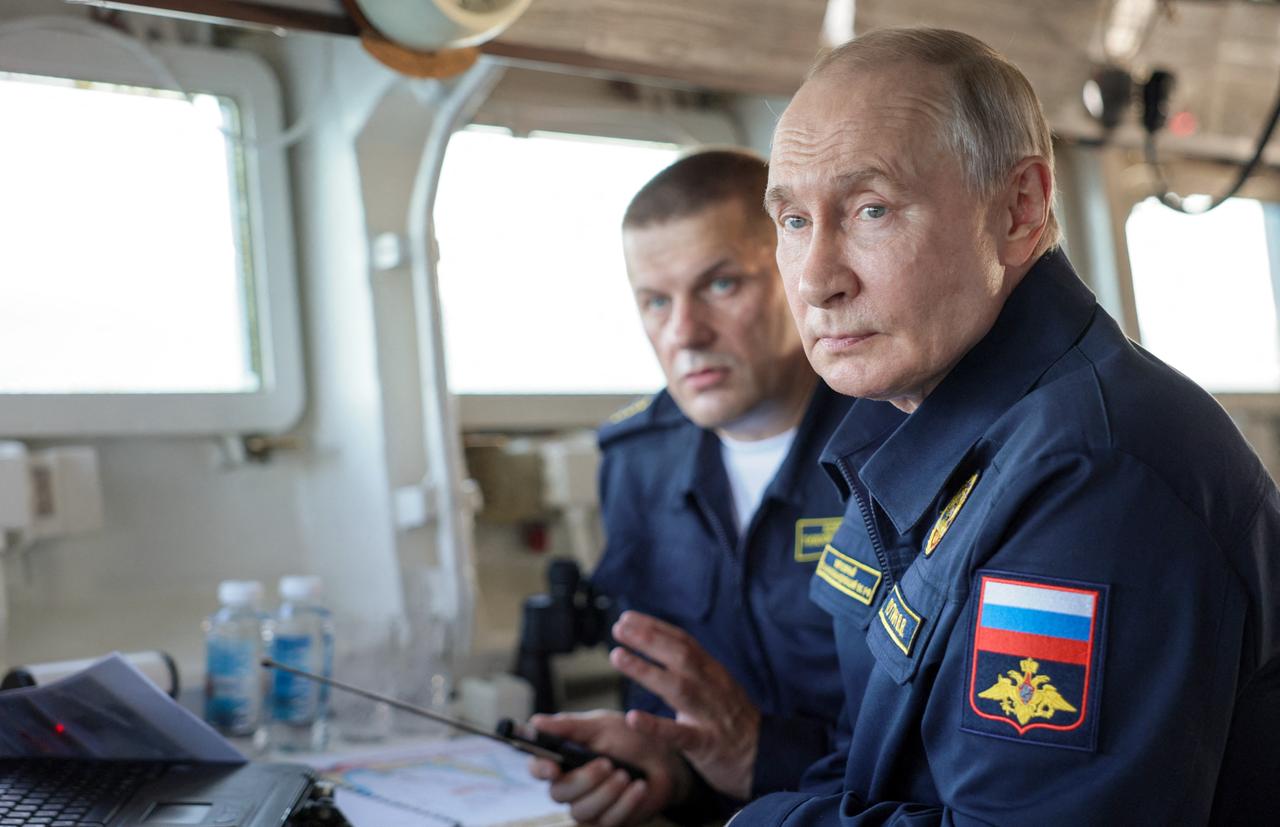
The Journal said Russian President Vladimir Putin could test NATO with a “limited assault” in the next few years.
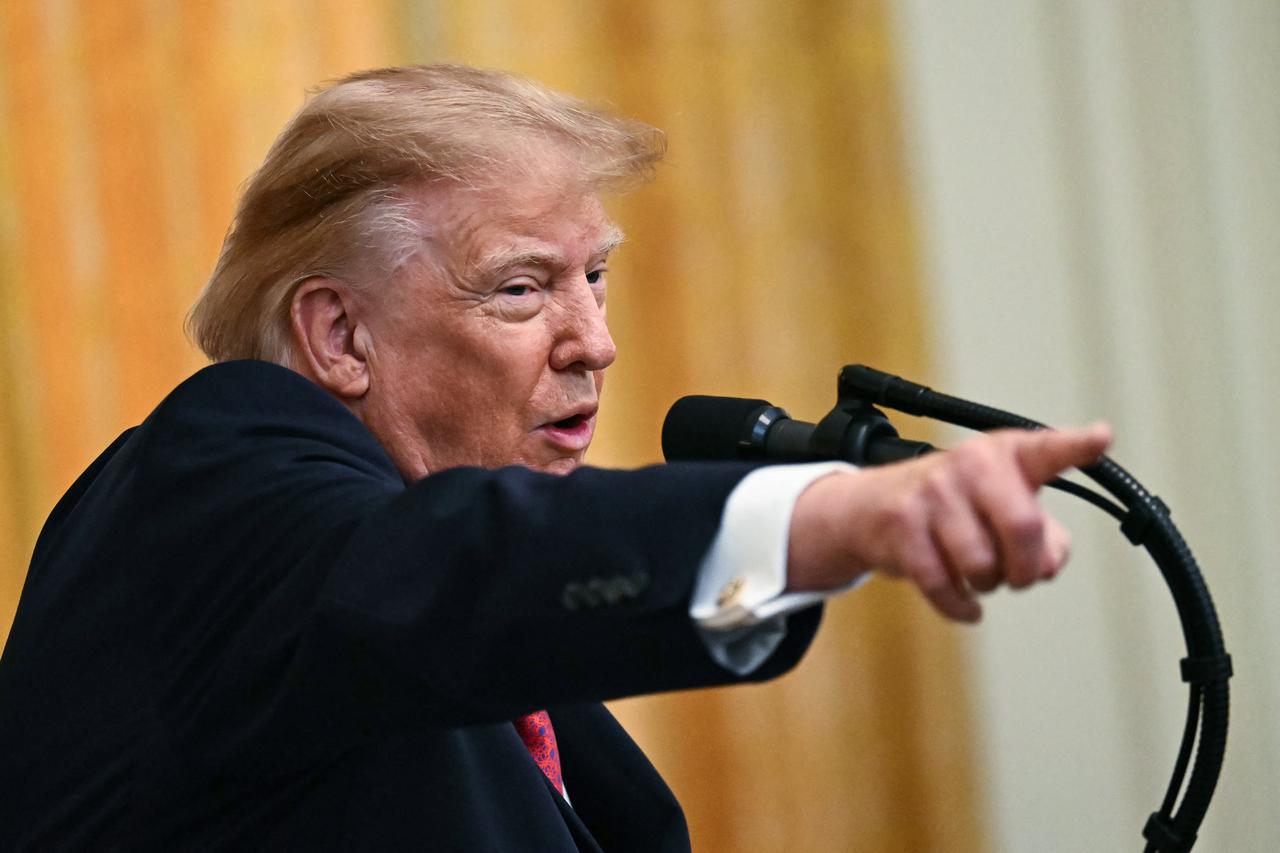
Trump said Ratcliffe’s visit to Moscow on Tuesday was “semi-routine,” implying that the intelligence chief was in the Russian capital to discuss the Ukraine war.
“He’s there, very sort of semi-routine. I hate to disappoint people. We would like to see the war with Ukraine end,” Trump said in an interview with conservative radio host Glenn Beck.
Ratcliffe is one of the highest-ranking U.S. officials to visit Russia since its war with Ukraine began in 2022.
His visit came amid an escalation in Moscow’s offensive in Ukraine, with attacks this summer increasing the civilian death toll, while U.S.-brokered peace talks have stalled.
During the visit, Ratcliffe also discussed the war with Iran, warning of additional sanctions if the Strait of Hormuz does not reopen to shipping traffic, CBS News reported, citing people familiar with the matter.
The Kremlin said Wednesday that Ratcliffe had “contacts” with Russia’s special services during his visit to Moscow but did not meet Putin.
Kremlin spokesman Dmitry Peskov said Putin was briefed on the talks but declined to say whether the Ukraine war was discussed.
“Contacts through the intelligence services are a positive development in and of themselves,” Peskov said. “It is too early to say how this will affect the process of resolving the crisis in our relations.”
The last time a CIA director visited Moscow was in November 2021, when William Burns warned Russia against sending troops into Ukraine.
Weeks later, Russia launched its attack, which developed into Europe’s worst conflict since World War II.
Trump dismissed suggestions that Ratcliffe was discussing other issues, including Russia testing NATO’s resolve or the U.S. campaign to increase economic pressure on Iran.
“He is not in there for any of the things that you said, now something may come out, you know, out of it,” Trump told Beck.
“We’re working very hard to get that war ended, and frankly, they both want to see it ended at this point,” he said.


 Set as preferred source
 Set as preferred source


 1 min read
 1 min read