Newsletters


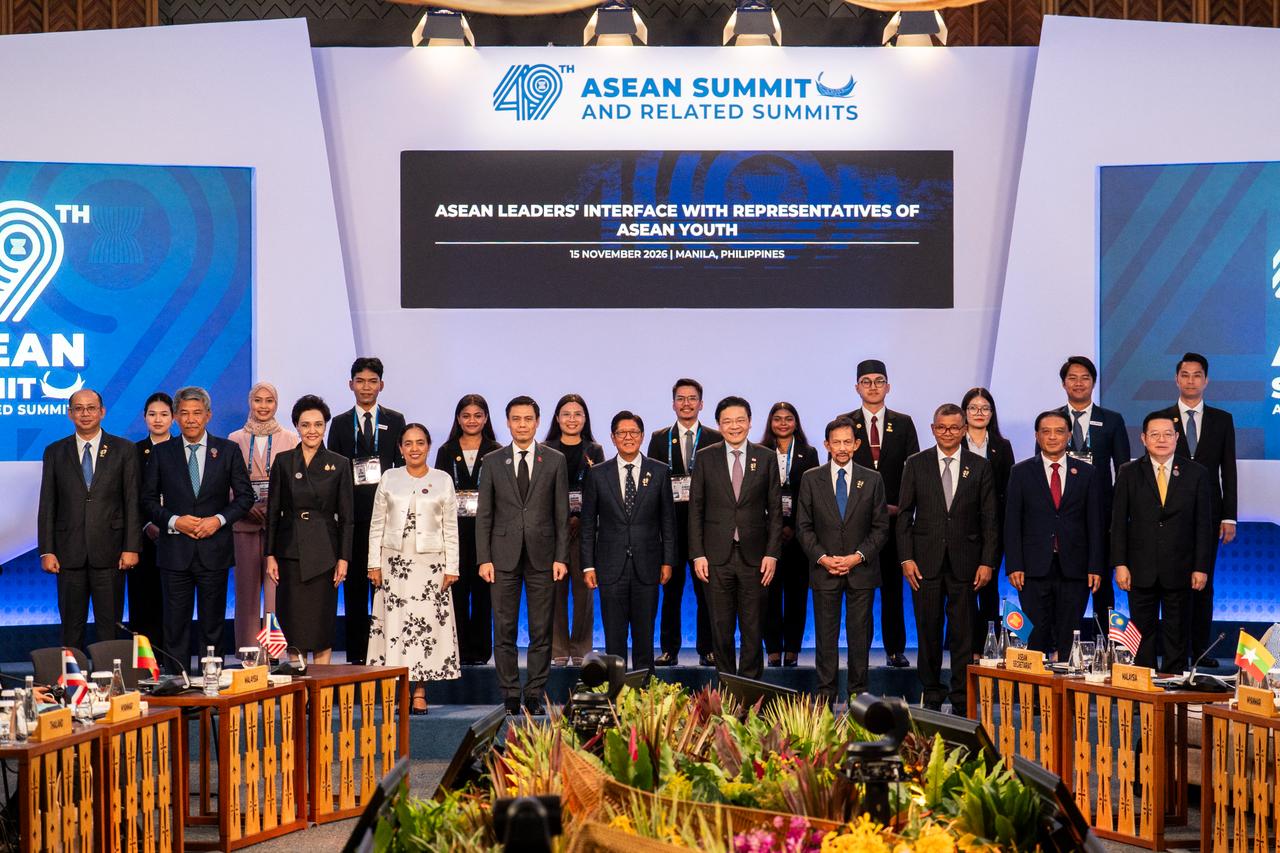


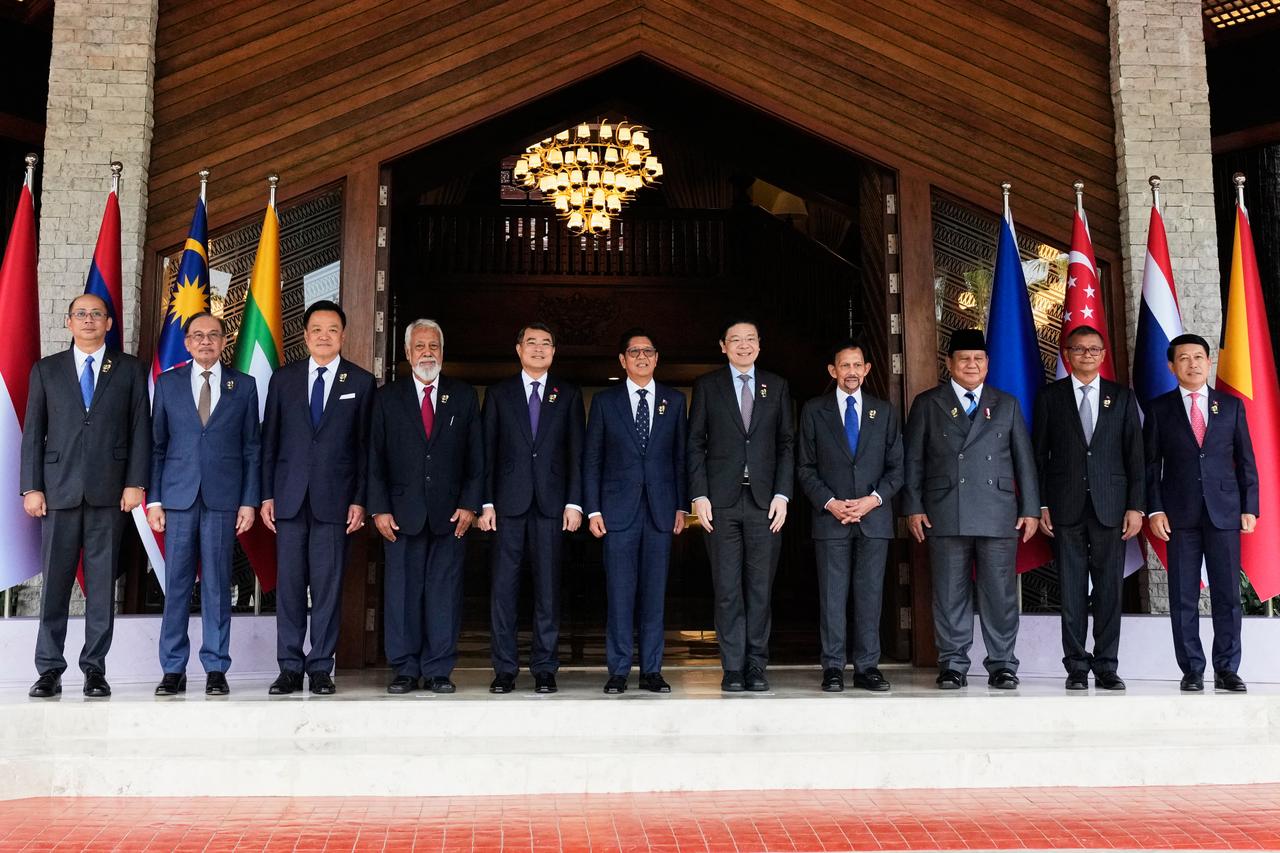
Southeast Asian leaders agreed Sunday to pursue a gradual restoration of political engagement with Myanmar, opening the possibility of its return to high-level regional meetings after over five years of diplomatic isolation following the 2021 military coup.
In a joint statement issued during the Association of Southeast Asian Nations (ASEAN) summit in Manila, leaders endorsed a proposal for "calibrated engagement" with Myanmar, emphasizing that any normalization would depend on concrete progress toward ending the country's civil war.
The bloc called for "a calibrated engagement with Myanmar through a phased and progress-based approach, taking into account developments on the ground," according to the statement.
"Subject to sustained and concrete progress in the implementation of the 5PC by Myanmar, ASEAN may consider the gradual restoration of Myanmar's full political representation," the leaders said, referring to the bloc's five-point consensus peace plan.
Myanmar remains an ASEAN member but has been excluded from high-level meetings since its military seized power in February 2021.

The decision follows diplomatic efforts led by Thailand, which has advocated greater engagement with Myanmar's authorities as a means of advancing ASEAN's stalled peace initiative.
Bangkok has pushed for a phased approach since coup leader Min Aung Hlaing became civilian president this year following elections widely dismissed by monitors as lacking credibility.
Thailand argues that renewed dialogue could help implement ASEAN's five-point consensus, which was adopted in 2021 to address the conflict between Myanmar's military and a coalition of pro-democracy resistance forces and ethnic armed groups.
However, the initiative has produced little progress since its adoption.
Speaking at an ASEAN summit in May, Philippine President Ferdinand Marcos Jr. acknowledged that he had not seen "any progress in Myanmar."
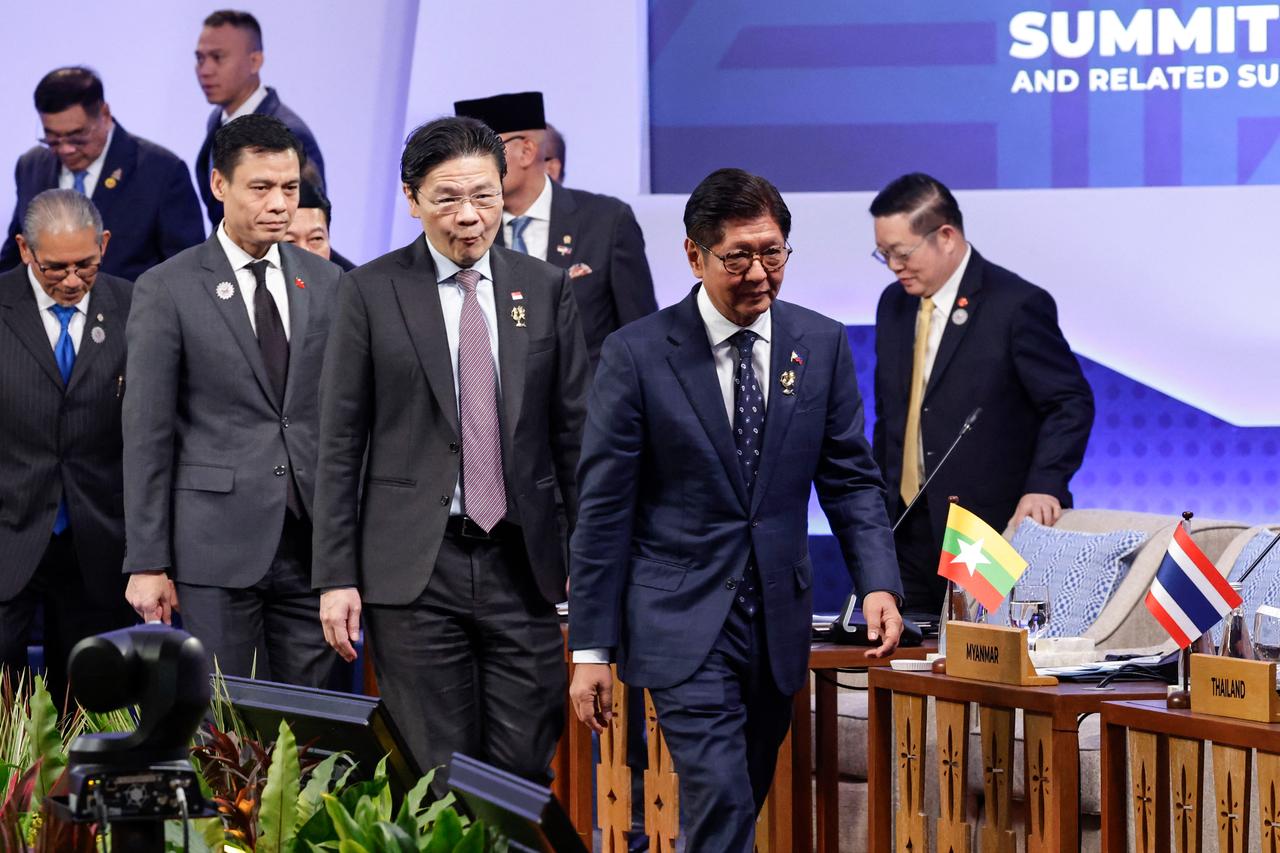
Opening Sunday's leaders' retreat in Manila, Marcos again questioned how the bloc could move forward.
"What more can we do for Myanmar?" he asked.
"I hope our session leads to practical and forward-looking discussions on how we can further advance the implementation of the five-point consensus, make our efforts more responsive to the realities on the ground, and support a peaceful, inclusive, Myanmar-owned and Myanmar-led process," Marcos said.
ASEAN's latest decision does not immediately restore Myanmar's full political representation, instead leaving the possibility open if its authorities demonstrate sustained progress toward implementing the peace plan.
Thai Foreign Minister Sihasak Phuangketkeow defended Bangkok's approach in an interview with AFP in Singapore on Nov. 5, arguing that meaningful engagement required representation capable of discussing policy.
"We believe it's crucial to have someone at the table who can really talk on policy issues because engagement requires that they have someone who can really convey to us the position of Myanmar," he said.
"This is not about... recognizing... upgrading their position. But I think in reality, what is important is that we need someone at the table who can speak on behalf of Myanmar."
The question of Myanmar's political representation is expected to remain a significant issue as ASEAN prepares for a change in leadership.
The bloc's rotating chairmanship will pass from the Philippines to Singapore at the end of 2026.
Analysts say Singapore opposes normalizing relations with Myanmar's post-coup authorities, potentially complicating efforts to advance the phased engagement approach.
Thailand, which shares a long border with Myanmar and has emerged as a leading advocate of renewed dialogue, is scheduled to assume the ASEAN chairmanship in 2028.


 Set as preferred source
 Set as preferred source


 1 min read
 1 min read