Newsletters


The United States Treasury Department imposed sweeping new sanctions Thursday on Cuban President Miguel Diaz-Canel, members of his family and relatives of former leader Raul Castro.
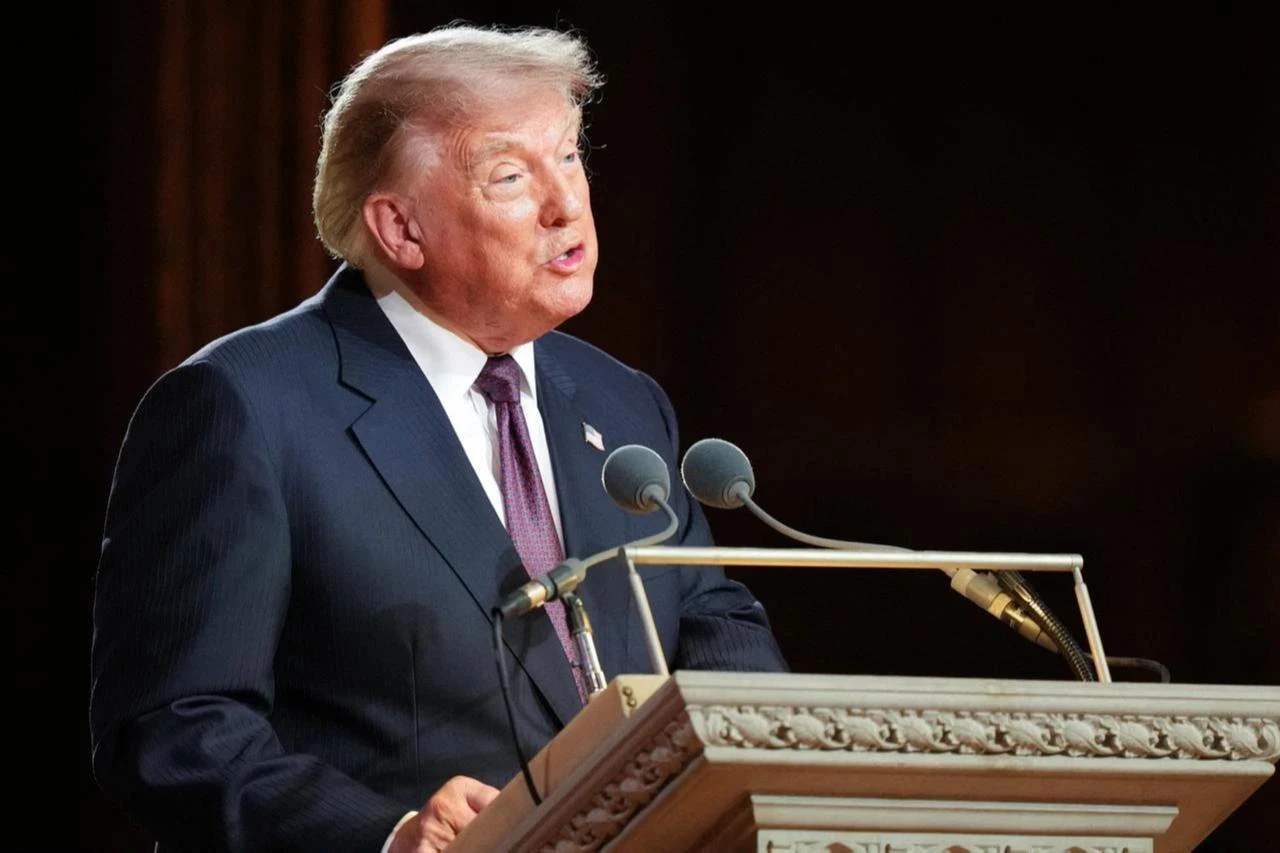
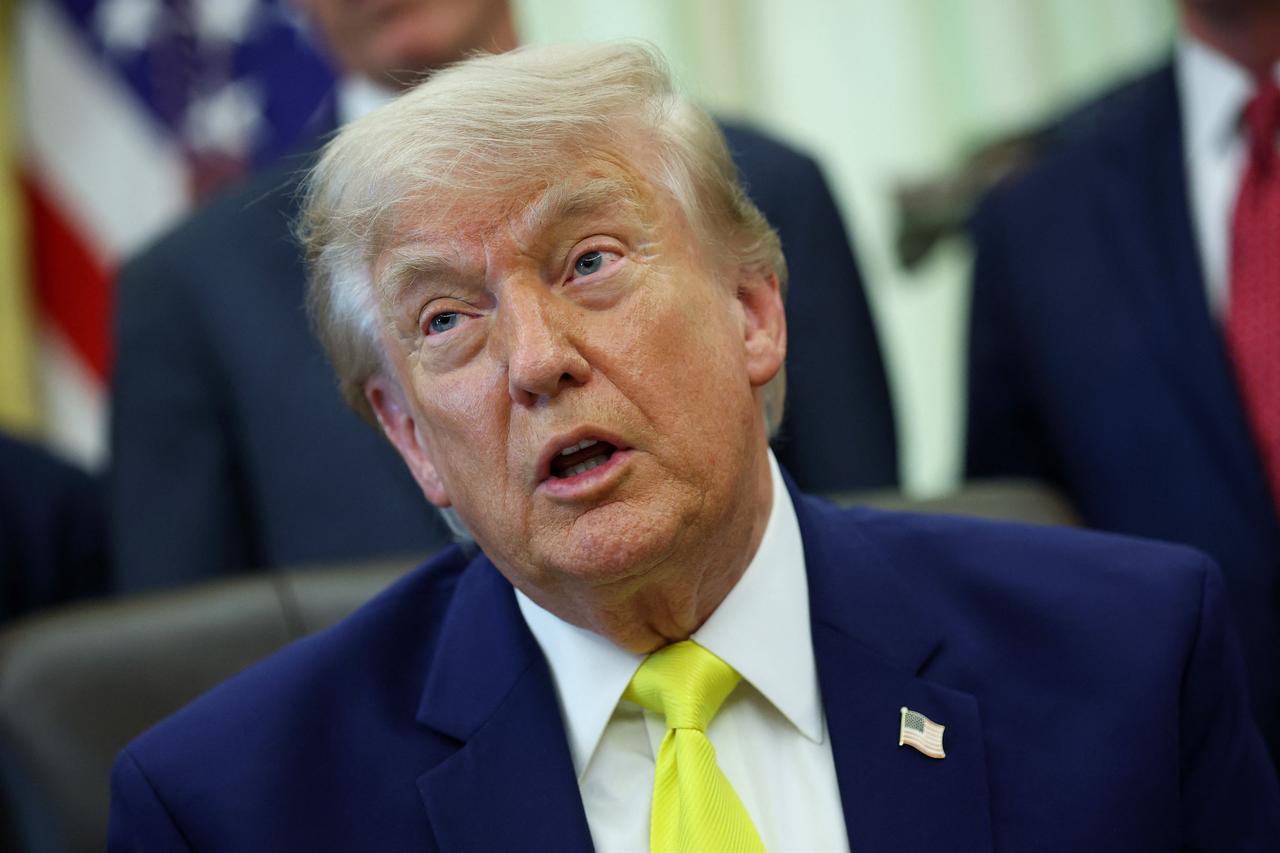
U.S. President Donald Trump signaled Washington intends to "handle" Cuba once its campaign against Iran is concluded.
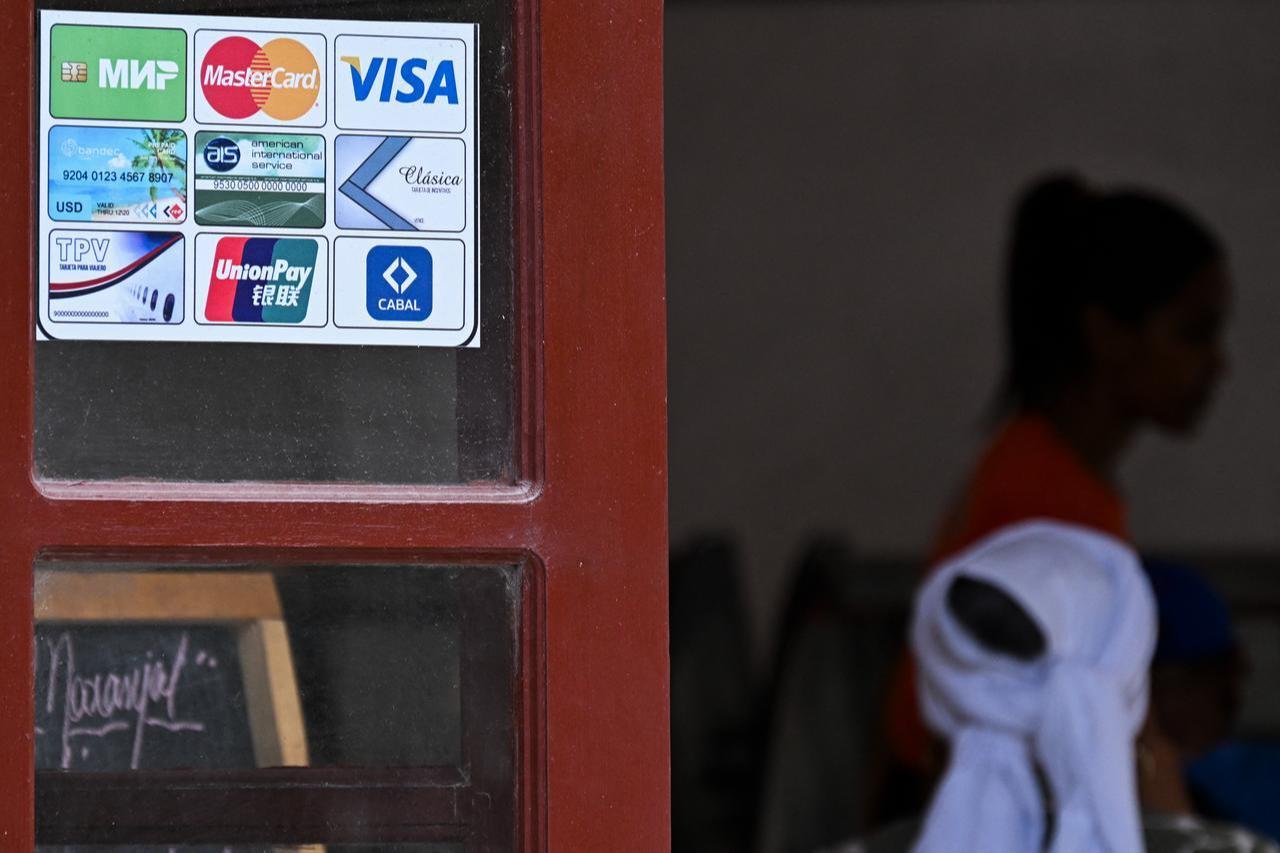
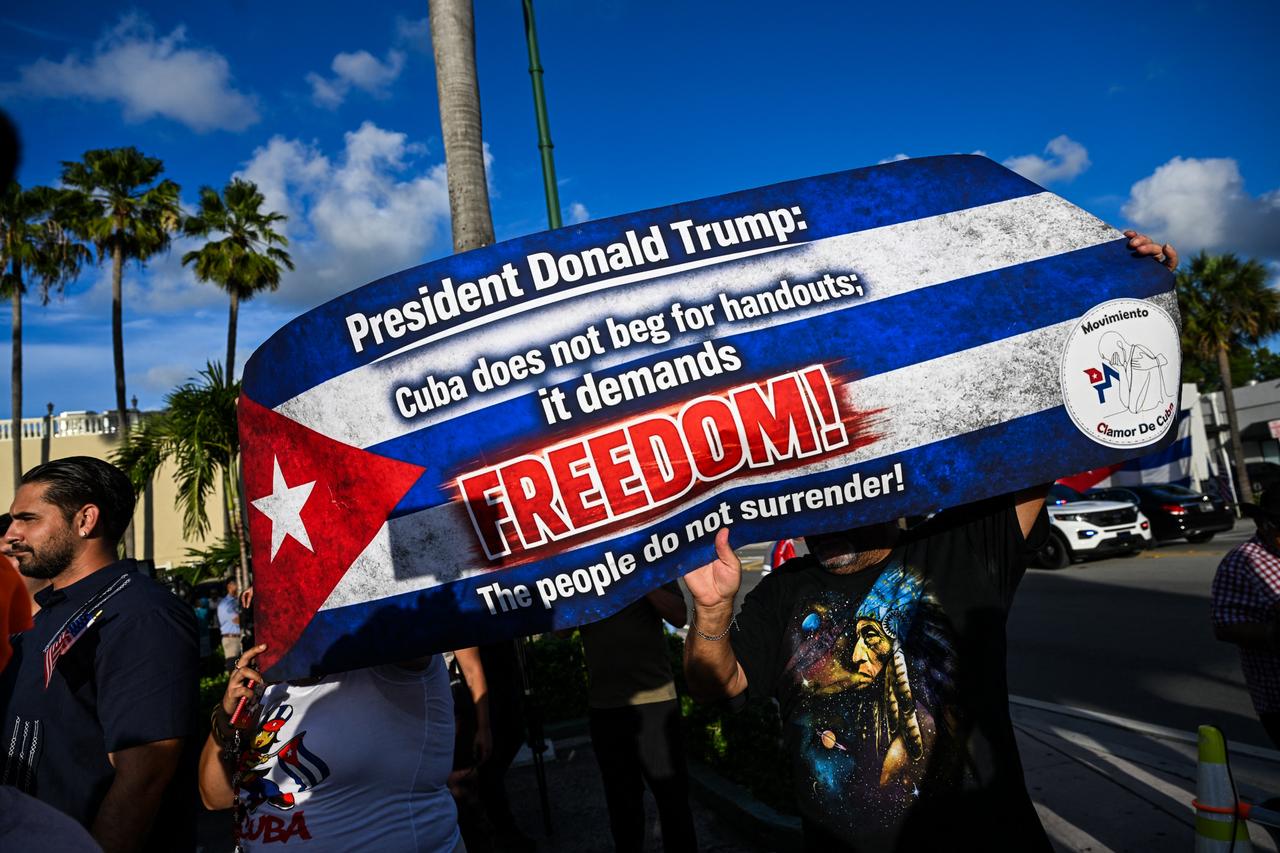
The designations land as Cuba faces a compounding crisis, power outages of up to 22 hours a day, acute food and medicine shortages, a near-total collapse of tourism, and now the suspension of Visa and Mastercard payments.
The Office of Foreign Assets Control added Diaz-Canel, his wife Lis Cuesta Peraza and her son Manuel Anido Cuesta to the Specially Designated Nationals list. The designations also target Alejandro Castro Espin, the son of Raul Castro, and his son Raul Alejandro Castro Calis.
Beyond individuals, the sanctions package hit the Ministry of the Revolutionary Armed Forces, the Committees for the Defense of the Revolution, a mass monitoring network established in 1960, the state-backed mining venture Minera La Victoria SA, and the Cuban Institute of Friendship with the Peoples along with its commercial travel wing, Amistur Cuba SA.
U.S. Secretary of State Marco Rubio accused Cuba of a "continuous campaign of political, ideological, and institutional warfare against the United States."
"These sanctions target the Cuban regime's wide-ranging and violent radical action network and the actors who implement and fund it," Rubio said.
"The entities and individuals designated today direct or fund the regime and its efforts to mobilize its radical revolutionary movements in the United States and around the world," he added.
Trump, speaking to reporters at the White House, said he simply wants Cuba to be "a nicely run country that can feed its people," but added: "The country is starving, and it's got no energy, it's got no oil, it's got no money, it's got nothing."
When asked whether the sanctions were designed to accelerate the regime's collapse, he replied "no."
Trump said the administration would turn its attention to Cuba after concluding negotiations with Iran. "We'll take care of the Islamic Republic of Iran. And as soon as that's done, on our way back, we'll just make a little brief stop," he told reporters.
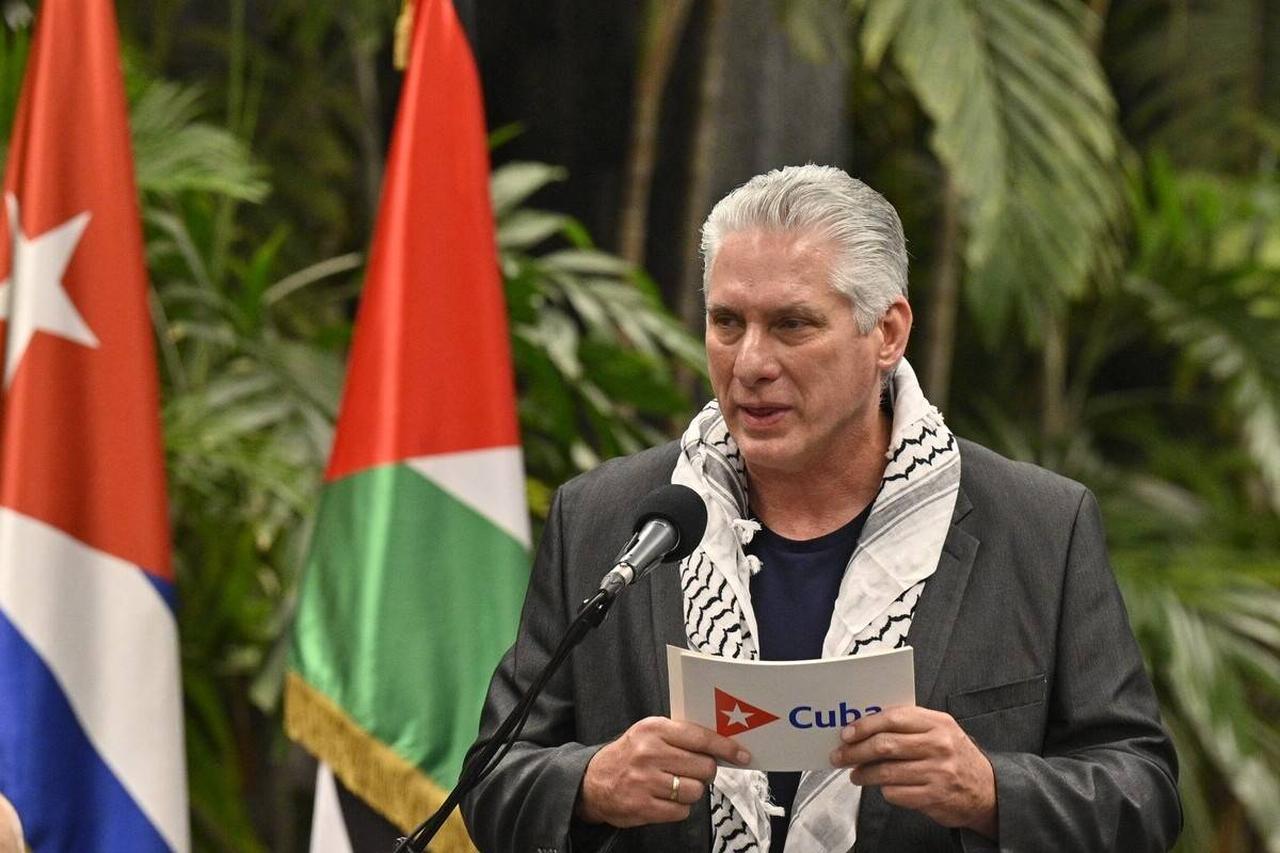

Diaz-Canel responded on X, accusing Washington of seeking to "strengthen the blockade and scenario of conflict between Cuba and the United States."
"The aggressiveness and perversity of the Yankee government will clash with our decision to confront the worst scenarios and resist the imperialist onslaught," he wrote, calling the Treasury designations an "illegitimate" sanctions list and framing them as the latest in a series of "oppressive measures designed to harm the Cuban people."
Cuban Foreign Minister Bruno Rodriguez also condemned the move on X, calling the listings an "illegitimate and unilateral" U.S. list and saying "every action by Washington aimed at creating a conflict scenario between the two countries is doomed to fail."
The wider sanctions architecture is already reshaping Cuba's economic links to Europe.
Cuba's central bank announced Wednesday that Visa and Mastercard payments would be suspended from Saturday after a foreign bank severed ties with Fincimex S.A., the financial arm of Cuba's military conglomerate GAESA, due to U.S. sanctions pressure.
Spain's Melia and Iberostar hotel groups, which together managed 52 properties on the island, pulled their management and branding from dozens of Cuban resorts in recent weeks.
Melia cited an "evolving geopolitical, social, legal, and economic environment." French shipping giant CMA CGM and Germany's Hapag-Lloyd, estimated to account for roughly 60% of Cuba's shipping traffic by volume, suspended operations to and from Cuba, both citing U.S. sanctions.
GAESA, the Cuban military's holding company, is estimated to control around 40% of the island's economy and operates the country's banking industry, gas stations, supermarkets and most of its tourism sector.
"GAESA virtually owns the tourist sector," Rubio said during a Senate hearing Tuesday.
Daniel Bernbeck, managing director of the German Delegation for the Promotion of Trade and Investment in Cuba, warned that the new sanctions were of particular concern for medium-sized European businesses.
"Smaller companies might be easily wiped off the map," he told Politico.
Cuba's tourism sector, already battered before the latest round of sanctions, recorded just 30,551 international arrivals in April 2026, down from 4.7 million in 2018.
The fuel embargo in place since January has left Cuba without diesel for generators, resulting in blackouts of up to 22 hours a day and tap water shortages across the island.


 Set as preferred source
 Set as preferred source


 1 min read
 1 min read