Newsletters


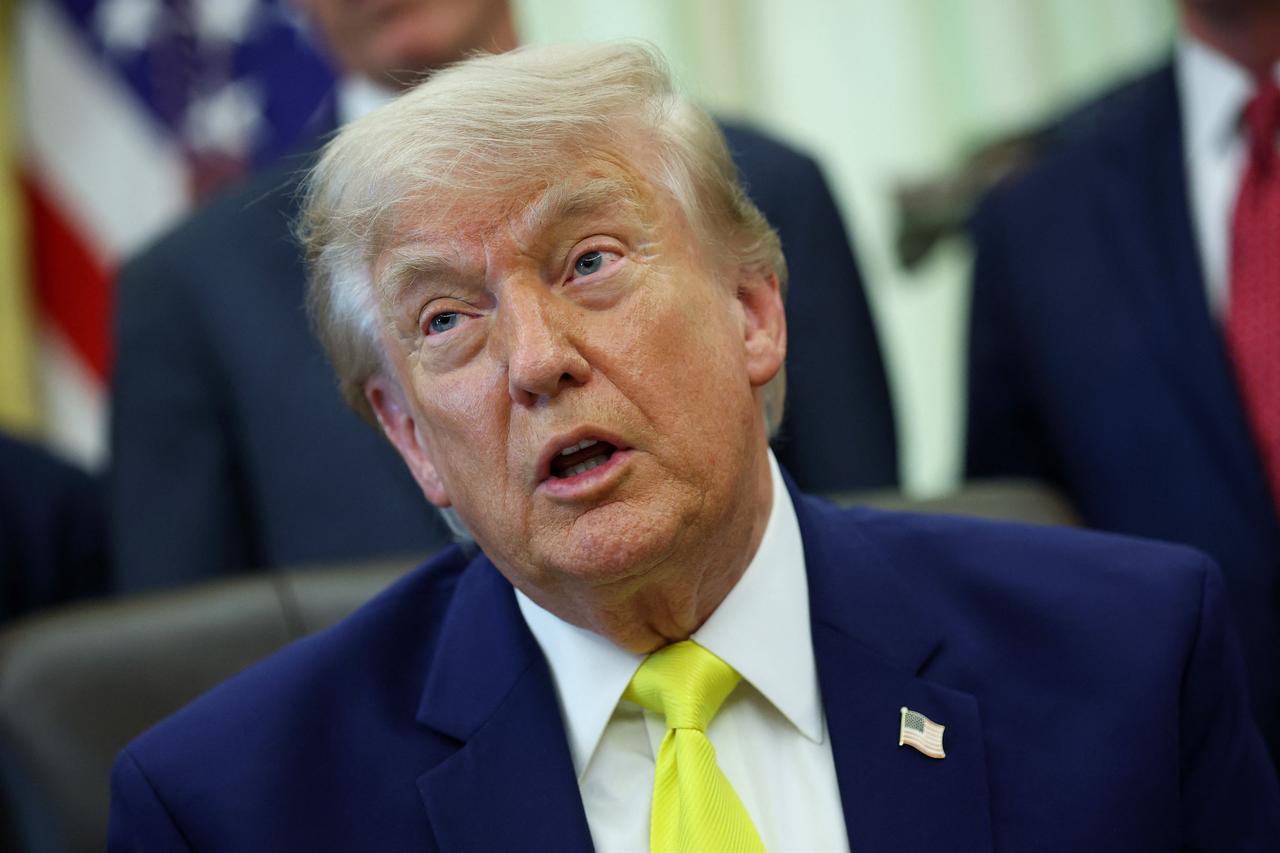


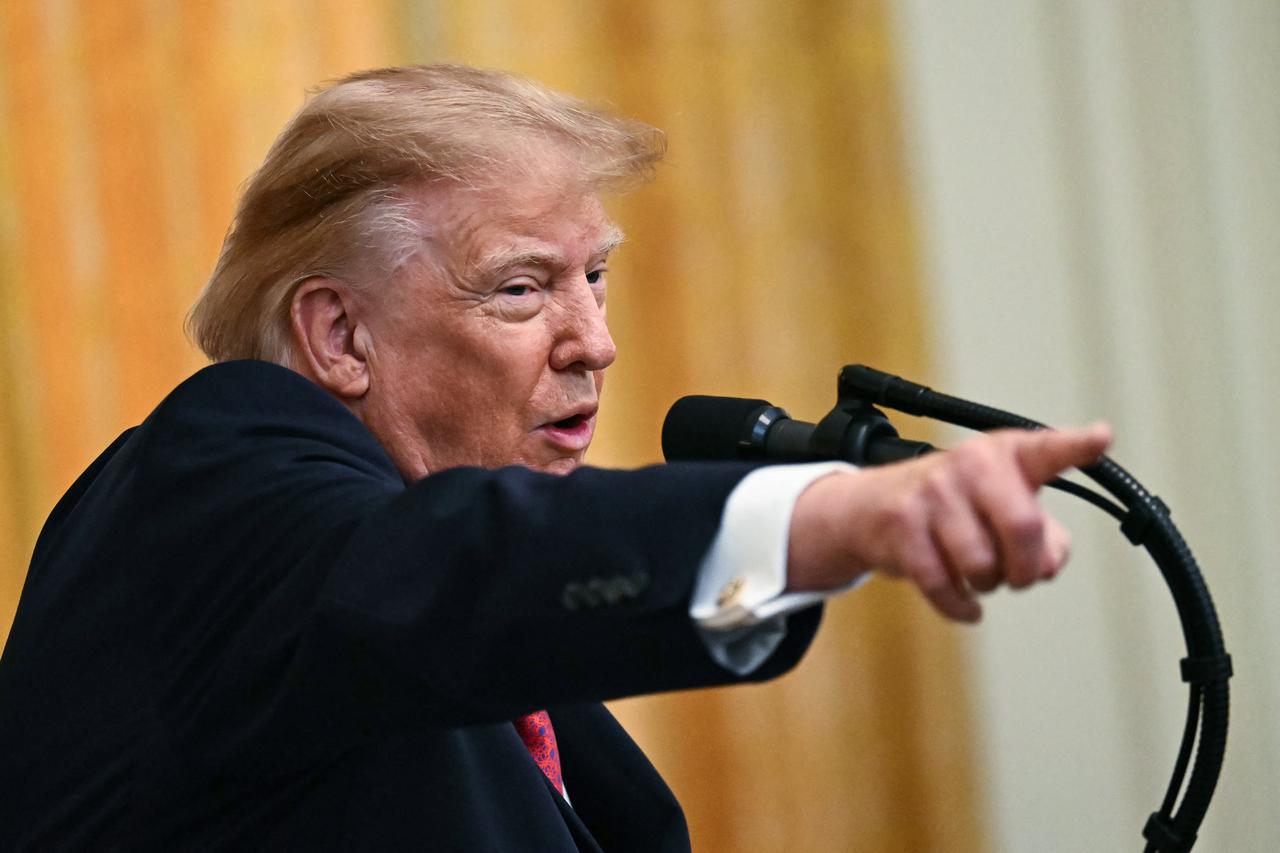
U.S. President Donald Trump said Thursday he would be willing to meet Iran’s new Supreme Leader Mojtaba Khamenei if ongoing negotiations produce an agreement, while also indicating that Washington plans to turn greater attention to Cuba once the Iran conflict is addressed.
Speaking at the White House, Trump said a potential meeting with Khamenei is possible if diplomatic efforts between Washington and Tehran result in a deal. "I don’t want to meet, but if I did meet, I’d be honored to meet him:" Trump said when asked about the prospect of sitting down with Iran’s new leader. "I’d like to see if we make a deal, but if we make a deal, it’s possible that I would meet him."
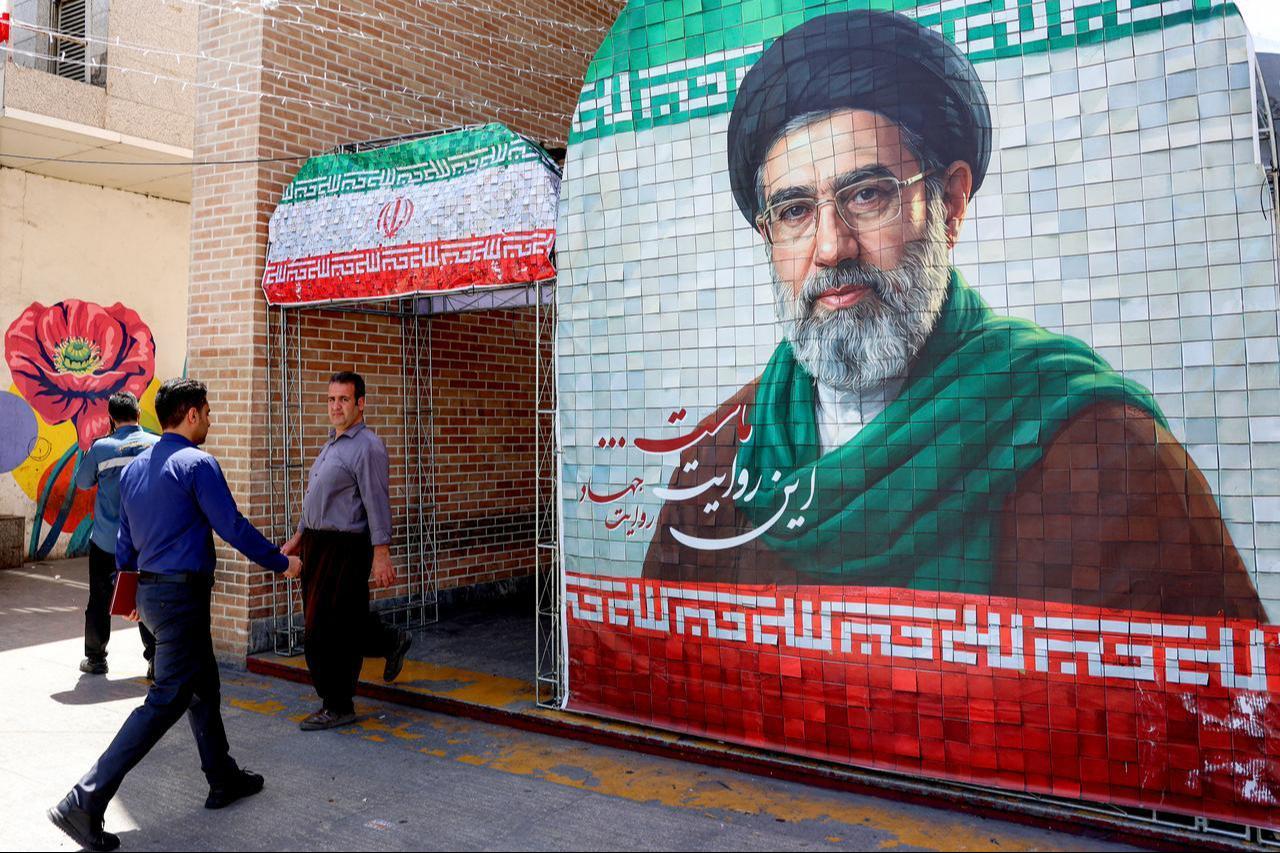
Mojtaba Khamenei, the son of former Supreme Leader Ali Khamenei, became Iran’s new supreme leader after his father was killed in U.S.-Israeli strikes at the start of the war in late February.
Trump reiterated that any agreement would require Tehran to abandon its nuclear weapons ambitions. "As far as Iran’s concerned, you're going to find out what the deal is, but the main parts of the deal are that they can't have a nuclear weapon," he said.
Asked whether the U.S. would respond militarily if Iran killed American troops in the region, Trump asserted that it would likely do so. "It would be a good reason. I'd be honest with you, if they killed U.S. troops, I think I would do that very quickly," he said.
Trump also predicted that the Strait of Hormuz would reopen quickly, noting that the U.S. had conducted extensive mine-clearing efforts and possessed advanced underwater minesweeping capabilities.
U.S. president's comments came as Washington and Tehran continue efforts to build on a fragile ceasefire following months of conflict that began on Feb. 28 with U.S.-Israeli strikes on Iran. Iranian authorities say more than 3,000 people have been killed since the start of the war, while at least 13 U.S. service members have died in Iranian retaliatory attacks.
Tehran responded during the conflict with attacks on Israel and U.S. allies in the Gulf and closed the Strait of Hormuz. A ceasefire took effect on April 8 through Pakistani mediation, but talks held afterward in Islamabad failed to secure a broader agreement.
Diplomatic efforts have continued since then, with recent contacts raising hopes that a broader agreement could be within reach despite renewed exchanges of fire in the region.

Trump later suggested that Cuba could become a focus for his administration after efforts surrounding Iran are completed.
"It sort of collapsed, and we're going to handle that as soon as we've finished," Trump said when asked about conditions in Cuba. "We'll take care of the Islamic Republic of Iran. And as soon as that's done, on our way back, we'll just make a little brief stop."
The remarks came shortly after the U.S. Treasury Department imposed sanctions on Cuban President Miguel Diaz-Canel and several people linked to his inner circle, including relatives of former leader Raul Castro.
Asked whether Washington was trying to accelerate Cuba’s decline through sanctions, Trump rejected that suggestion.
"We just want them to be a nicely run country that can feed its people. Look, it's a failed nation," he said.
The Treasury's Office of Foreign Assets Control added Diaz-Canel, his wife Lis Cuesta Peraza, and her son Manuel Anido Cuesta to its sanctions list. The measures also targeted Alejandro Castro Espin, the son of Raul Castro, and Raul Alejandro Castro Calis.
Additional sanctions were imposed on Cuba’s Ministry of the Revolutionary Armed Forces, the Committees for the Defense of the Revolution, the state-backed mining company Minera La Victoria SA, the Cuban Institute of Friendship with the Peoples and its travel subsidiary Amistur Cuba SA.
U.S. and Cuba have been at odds for decades, with Washington maintaining an economic embargo and periodically imposing sanctions on Cuban officials over human rights and governance concerns.


 Set as preferred source
 Set as preferred source


 1 min read
 1 min read