Newsletters


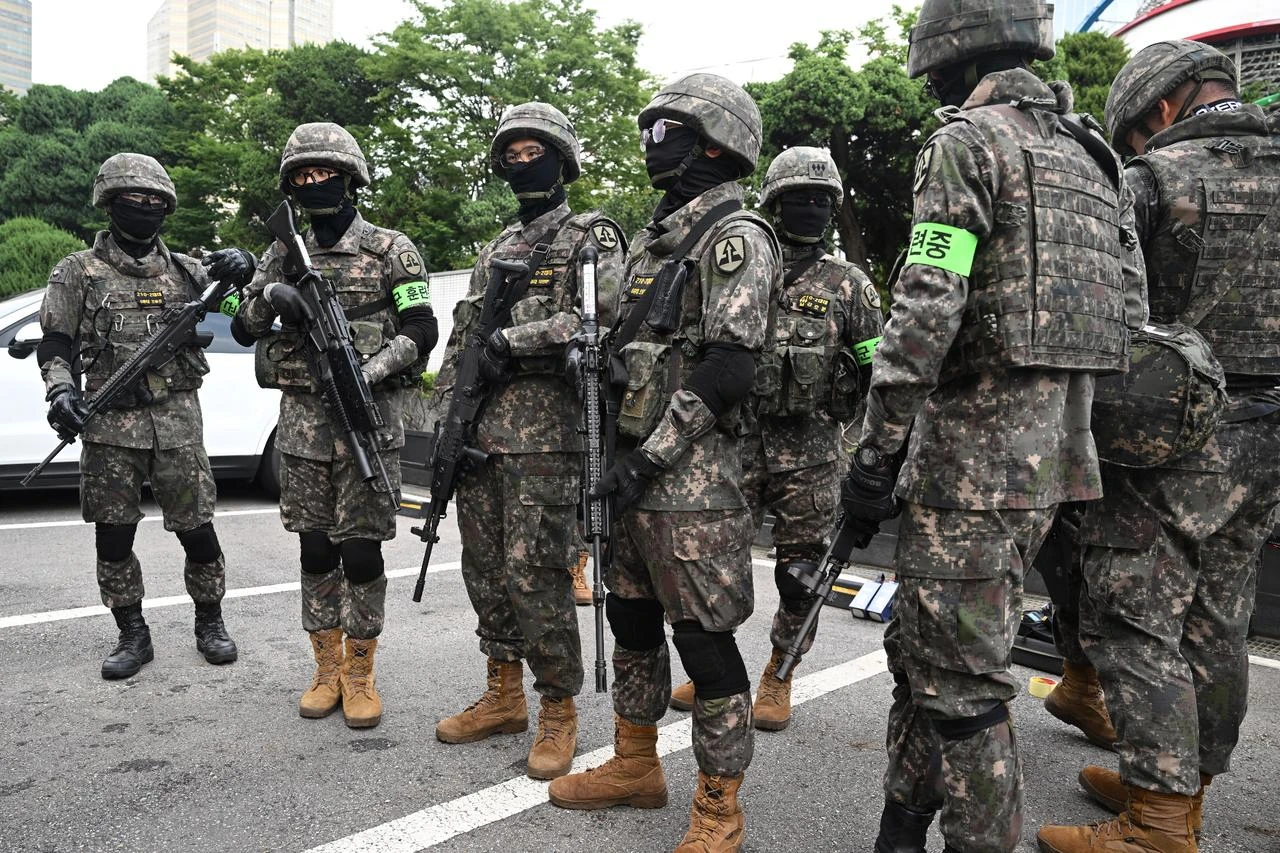


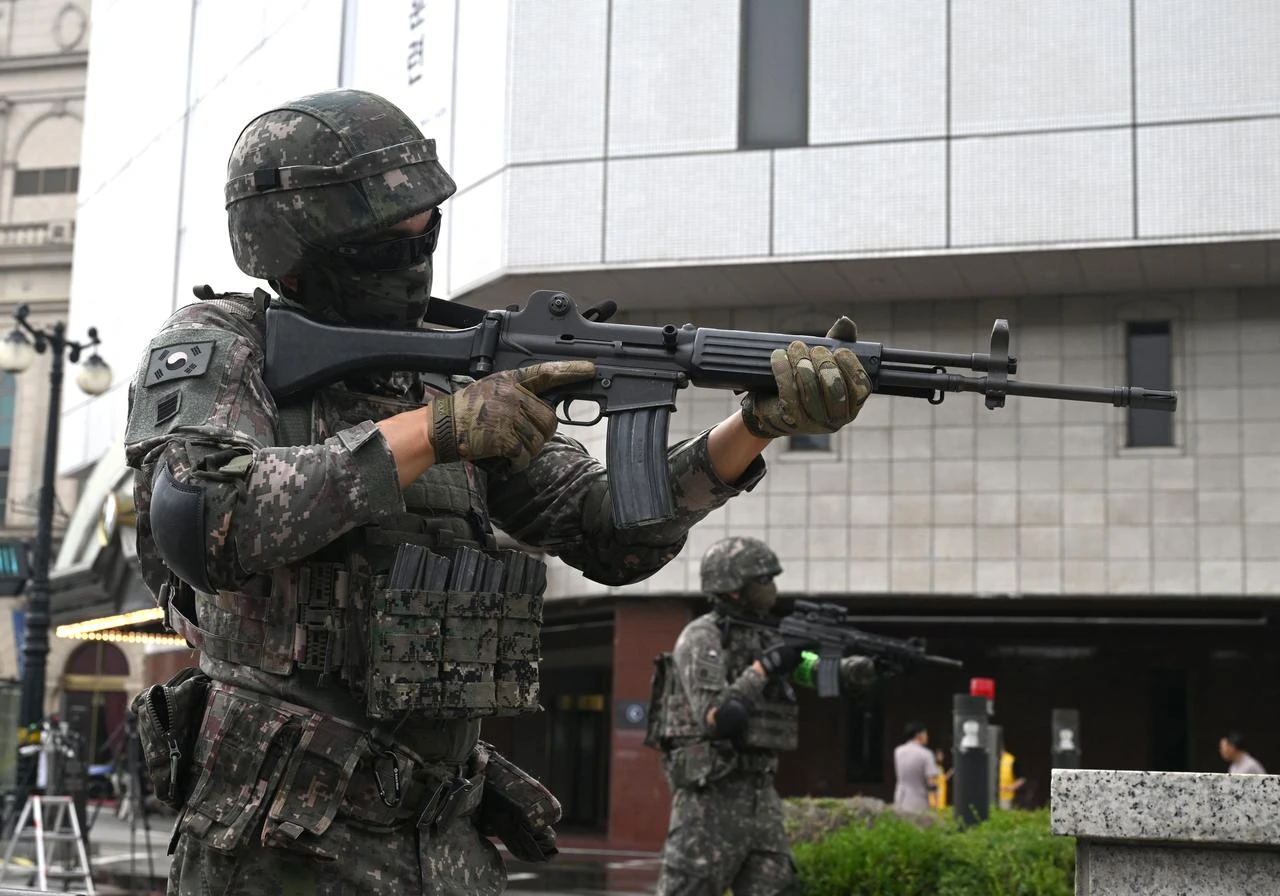
South Korea and the U.S. will end their annual Ulchi Freedom Shield military exercises on Friday, nearly a week earlier than originally planned, after U.S. President Donald Trump ordered the drills “substantially reduced,” according to South Korea’s military.
The exercises began Monday, Aug. 17, and had been scheduled to continue through Aug. 27. South Korea’s Joint Chiefs of Staff said Wednesday that the allies had agreed to shorten the exercise period to Aug. 17-21 following a proposal from the U.S.
“We have decided to adjust the UFS exercise period to run from the 17th to the 21st,” the Joint Chiefs of Staff said.
The Pentagon said the “substantially reduced” exercise would “preserve essential readiness” and cause “no degradation to U.S. training objectives,” according to Agence France-Presse (AFP).
Some combined field training will also be scaled back, Anadolu Agency reported, citing South Korean military officials.
The Ulchi Freedom Shield exercises are designed to prepare U.S. and South Korean forces for a possible conflict with North Korea.
According to AFP, the drills were understood to consist of two phases. The first, focused on defending against potential North Korean threats, was scheduled to run through Friday, while a second phase centered on a counteroffensive was planned for Aug. 24-27.
The second phase is now understood to have been canceled.
A South Korean military official told AFP that Seoul viewed the decision as “unusual.”
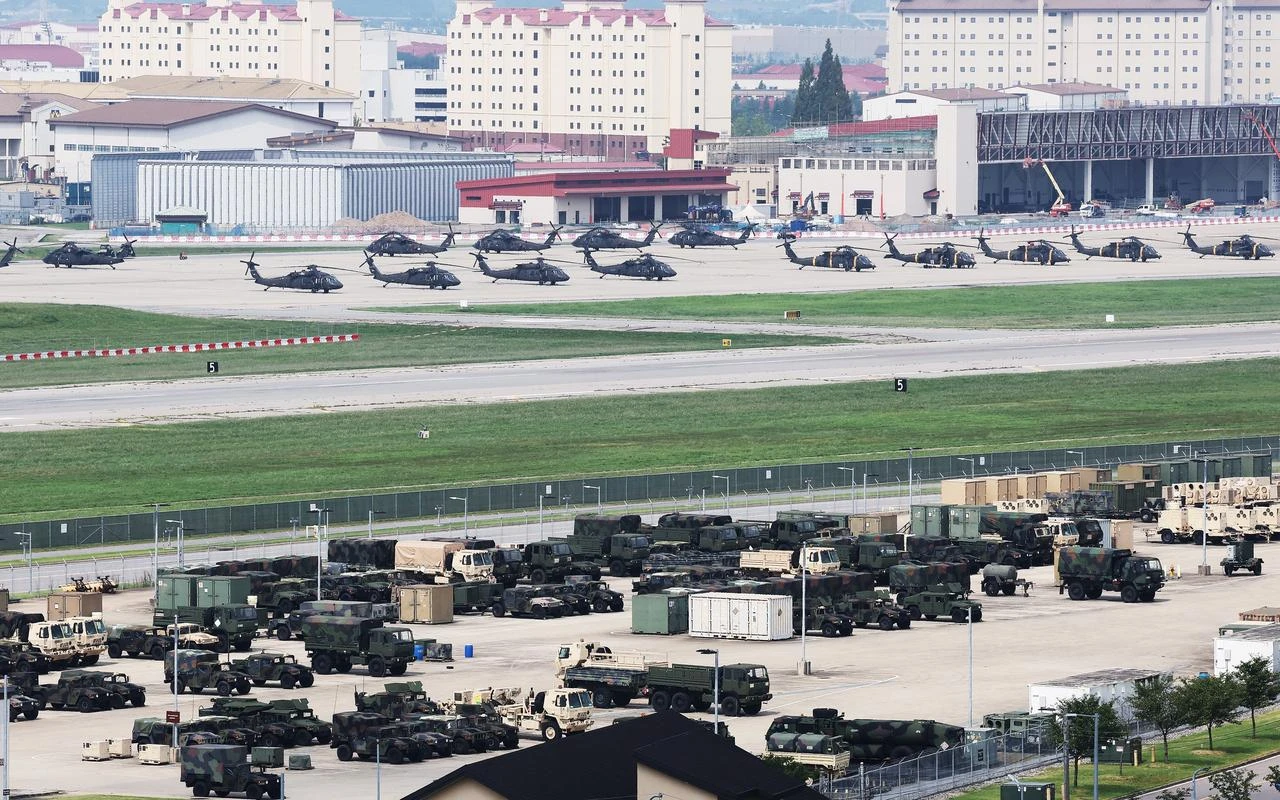
About 28,500 U.S. troops are stationed in South Korea, a deployment rooted in the 1950-53 Korean War, which ended with an armistice rather than a peace treaty.

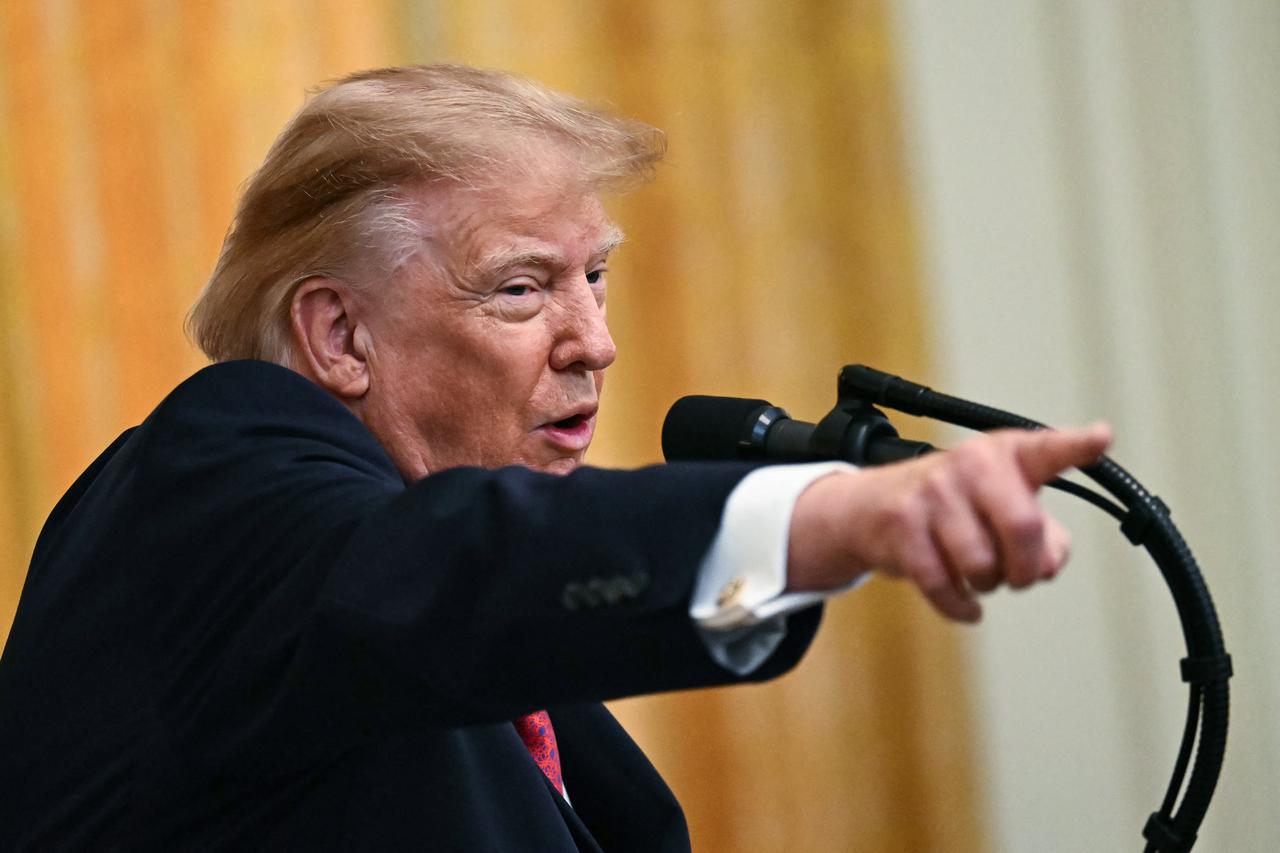
Trump announced Sunday, one day before the exercises began, that he had instructed the Pentagon to reduce the drills, describing them as “inappropriate and hostile” and citing his relationship with North Korean leader Kim Jong Un.
Trump said the exercises were costly and argued that North Korea had been “unthreatening and respectful” toward him.
He has repeatedly said his relationship with Kim has made the situation safer.
Asked Monday whether Kim had responded to his efforts to communicate, Trump said: “Yeah, he has.”
Trump described their exchanges as “very positive” but offered no further details.
South Korea’s Unification Ministry has said it cannot verify the specific content of any communications between Washington and Pyongyang.
South Korean Foreign Minister Cho Hyun told lawmakers Wednesday that Seoul had not been informed beforehand about Trump’s decision to reduce the exercises.
“Neither our government nor U.S. government officials knew in advance what President Trump revealed via Truth Social,” Cho said, according to AFP.
North Korean state media on Wednesday criticized the joint exercises as the “most immediate and open threat” to the country and regional security.
A commentary published by the state-run Korean Central News Agency, or KCNA, repeated Pyongyang’s longstanding position that the drills threaten North Korea.
The commentary was titled "We Will Exercise Our Right to Self-Defense for Neutralizing Military Threat from Hostile Forces through More Transparent Action.”
North Korea has long described U.S.-South Korean exercises as rehearsals for an invasion.
The KCNA commentary did not mention Trump’s order to scale back the drills or his stated desire to restart talks with Kim.
Hong Min, a senior researcher at the Korea Institute for National Unification, told AFP that Pyongyang appeared to be deliberately avoiding Trump’s remarks.
North Korea was “sticking to general principles as if completely unaware of” Trump’s comments, Hong said.
“Showing awareness could suggest a degree of mutual understanding,” he added, while ignoring the remarks could leave the exercises as a bargaining point in possible future talks.
Trump met Kim three times during his first term in the White House but has not met him during his second term.
The Wall Street Journal reported Tuesday, citing unnamed U.S. officials, that Trump was pressing aides to arrange a meeting with Kim as early as this autumn.
Yang Moo-jin, former president of the University of North Korean Studies, told AFP that there had been persistent speculation that Washington could pursue renewed talks with Pyongyang ahead of the November U.S. midterm elections.
“For Trump, a meeting with... Kim Jong Un could offer a chance to secure a foreign-policy legacy,” Yang said.
Park Won-gon, a professor at Ewha Womans University, told AFP that reducing military exercises could improve the chances of renewed U.S.-North Korea dialogue.
“The suspension of joint exercises has always been a prerequisite for North Korea to engage in dialogue with the U.S.,” Park said.
Trump has also linked his criticism of South Korea to Seoul’s refusal to participate in the U.S. confrontation with Iran.
On Monday, he questioned why Washington continued spending billions of dollars to defend South Korea while Seoul declined to assist the U.S. in Iran.
“What do you mean? We have 39,000 soldiers over there guarding you from Kim Jong Un, your next-door neighbor, and you're not going to help us on a very easy military operation in Iran? That's strange,” Trump said.
The figure Trump cited is higher than the official U.S. troop presence in South Korea.
He also questioned the cost of the U.S. military commitment to Seoul.
“Then why are we involved with helping you?” Trump said.
Trump has repeatedly criticized longstanding U.S. alliances, raising concerns among regional partners over Washington’s security commitments in East Asia.


 Set as preferred source
 Set as preferred source


 2 min read
 1 min read