Newsletters


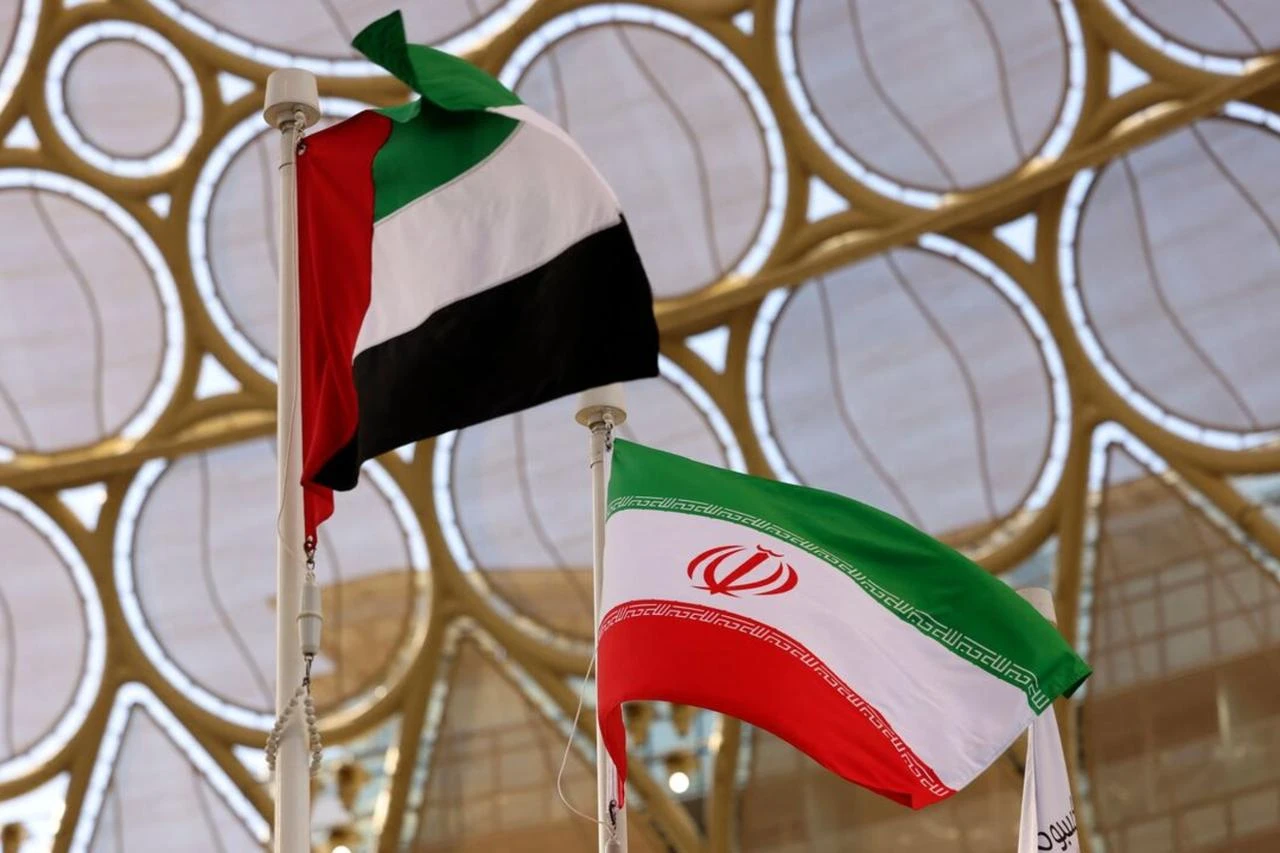


The United Arab Emirates' decision to suspend trade and financial ties with Iran will impact a roughly $30 billion annual trade relationship, according to the data.
The suspension, announced on Aug. 18 following the UAE's statement that two missiles had been fired from Iranian territory, applies to both goods movement and payment settlements, cutting off one of Tehran's key partners amid mounting economic pressure from the ongoing U.S. naval blockade.
According to World Trade Organization data for 2024, Iran's total goods imports amounted to $68.5 billion. The UAE supplied $21 billion of that figure, a 30.6% share, making it Iran's largest source of imports. China followed with $17.8 billion, and Türkiye with $11.2 billion, accounting for 26% and 16.3% shares, respectively.
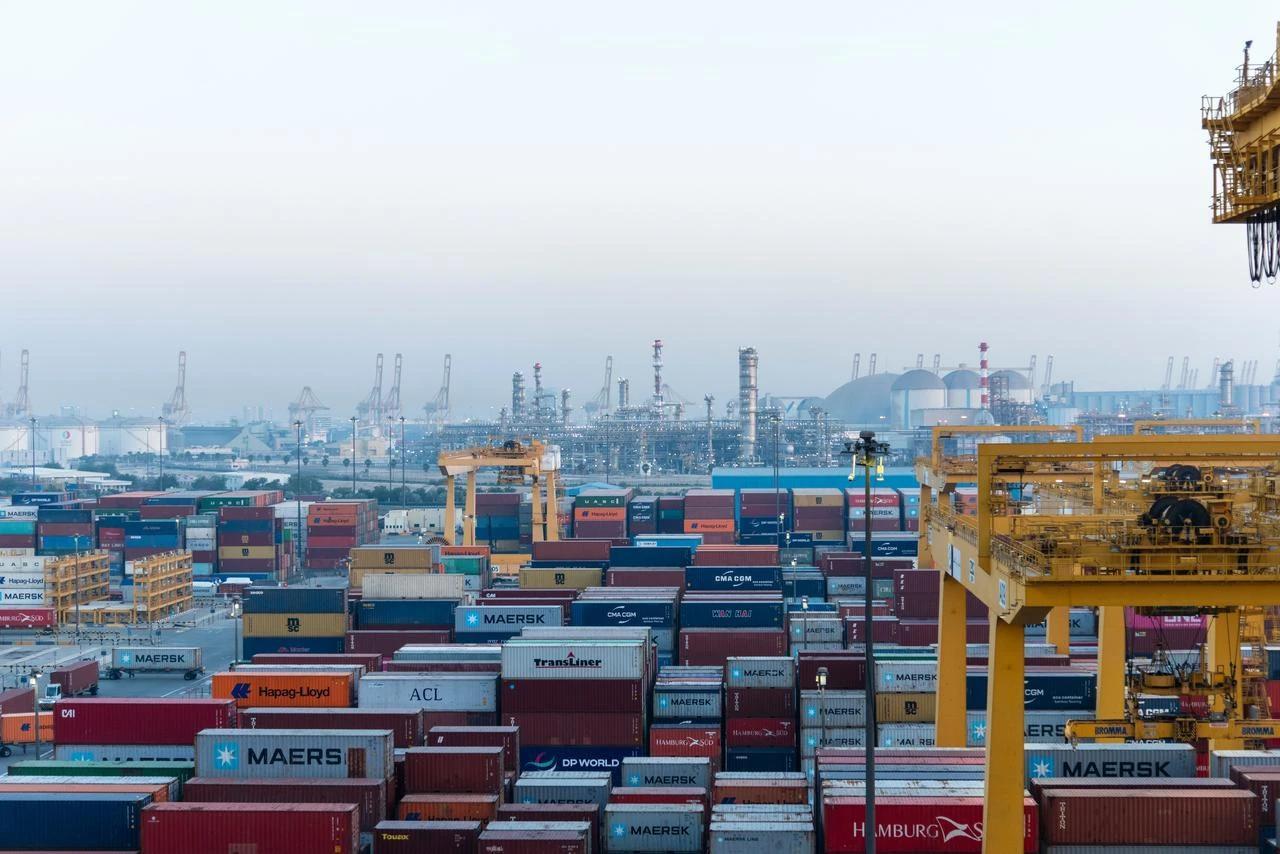
The suspension directly impacts Iranian manufacturers and retailers, as a considerable portion of raw materials and finished goods enters through Emirati ports and free zones. Supply chains that rely on this route now face interruption.
Exports, on the other hand, indicate that Iran's total merchandise exports reached $56 billion. The UAE ranked as the third-largest destination, absorbing $7.2 billion—12.8% of the total—after China (26%) and Iraq (20.9%).
The halt in trade therefore reduces an important outlet for non-oil exports, potentially constraining foreign currency inflows at a time when access to international banking systems remains restricted under U.S. sanctions.
Dubai has operated as a re-export center for Iran over many years. Under this model, products originating from China, Europe, India, and other markets enter the UAE and are subsequently channeled through Dubai's logistics networks to Iran.
The $21 billion import figure thus reflects not only UAE-origin goods but also a broader transit corridor. The suspension interrupts these indirect supply routes, which many Iranian businesses depend upon for access to global markets.

The suspension of financial transactions may carry more significant consequences than the trade halt itself. Iran has faced severe constraints in accessing the international banking system due to longstanding U.S. sanctions.
Within that environment, Dubai's financial infrastructure provided a vital mechanism for Iranian enterprises to execute regional and international payments. With that channel now suspended, payment options for Iranian traders are expected to narrow, trade financing may become more expensive, and logistics costs are likely to rise.
These factors would push up the cost of imported goods, adding further price pressure to an economy already experiencing high inflation.
The UAE has also counted Iran as a major trading partner for years, and the suspension carries risks for its re-export, logistics, and financial services sectors. Stock market movements reflected these concerns: the Abu Dhabi index declined 0.9% following the announcement, while the Dubai index fell 0.3%.
The decision also represents a setback in the gradual improvement of bilateral relations. Diplomatic ties had deteriorated in 2016 but began improving in 2019, with formal strengthening in 2023 and increased economic engagement. In April 2024, a joint economic commission convened in Abu Dhabi for the first time in a decade.
The current suspension now interrupts that trajectory, reintroducing a significant obstacle to bilateral economic cooperation.


 Set as preferred source
 Set as preferred source


 1 min read
 1 min read