Newsletters


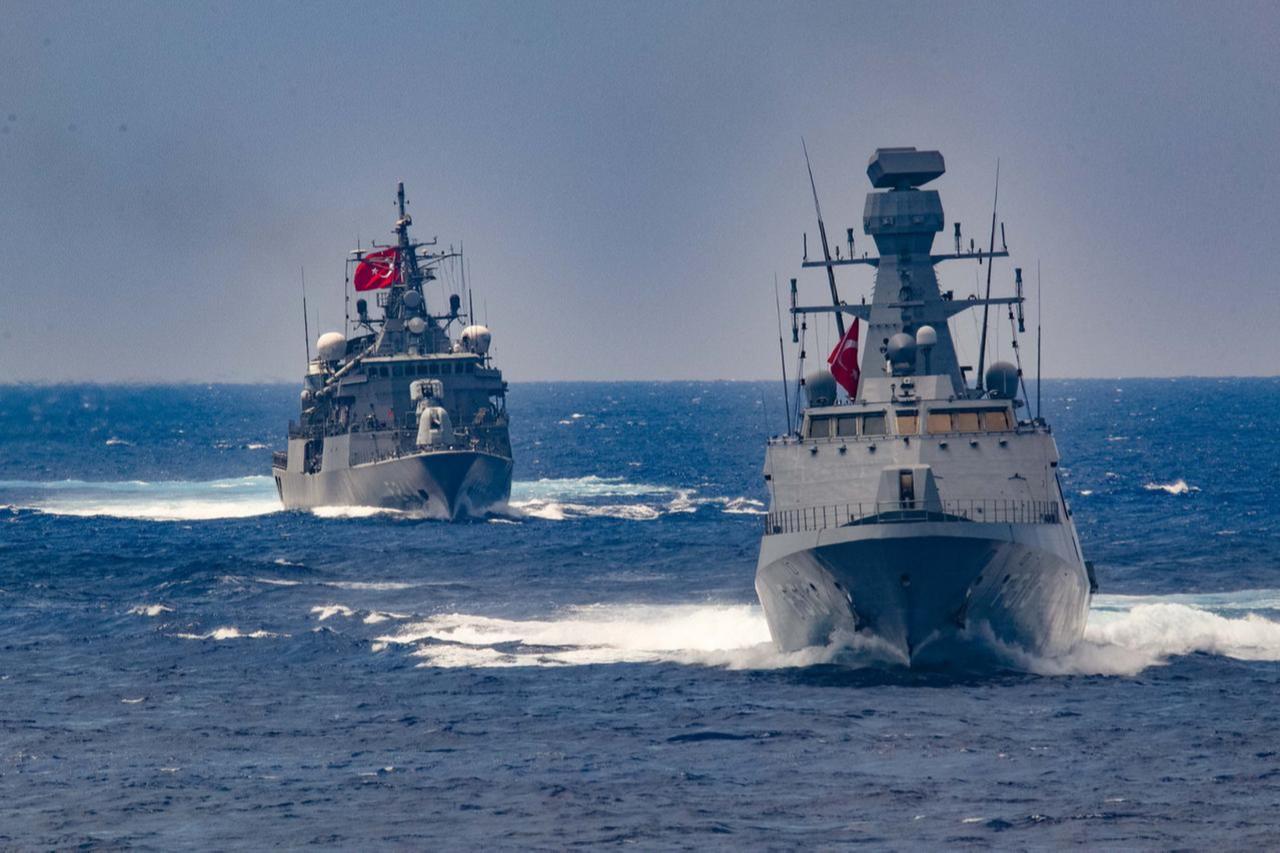


The White House and U.S. Navy are considering frigate designs from Türkiye, Japan and South Korea for a new class of warships that could initially be built abroad before production shifts to U.S. shipyards, USNI News reported.
Three industry sources familiar with the deliberations told USNI News that the competition could involve construction of up to two frigates in foreign shipyards as part of the Trump administration’s effort to rapidly expand the U.S. fleet.
Such a move would break with more than a century of U.S. domestic naval shipbuilding.
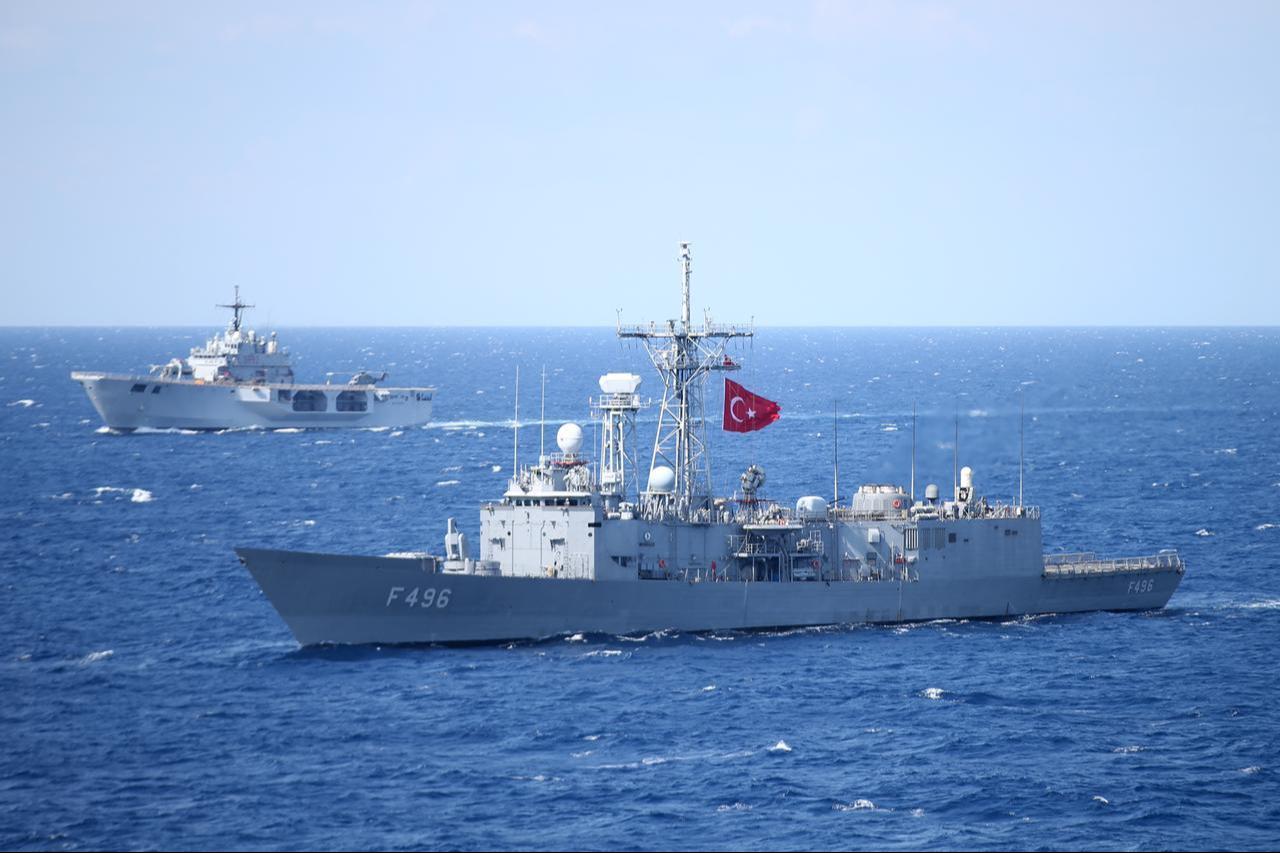
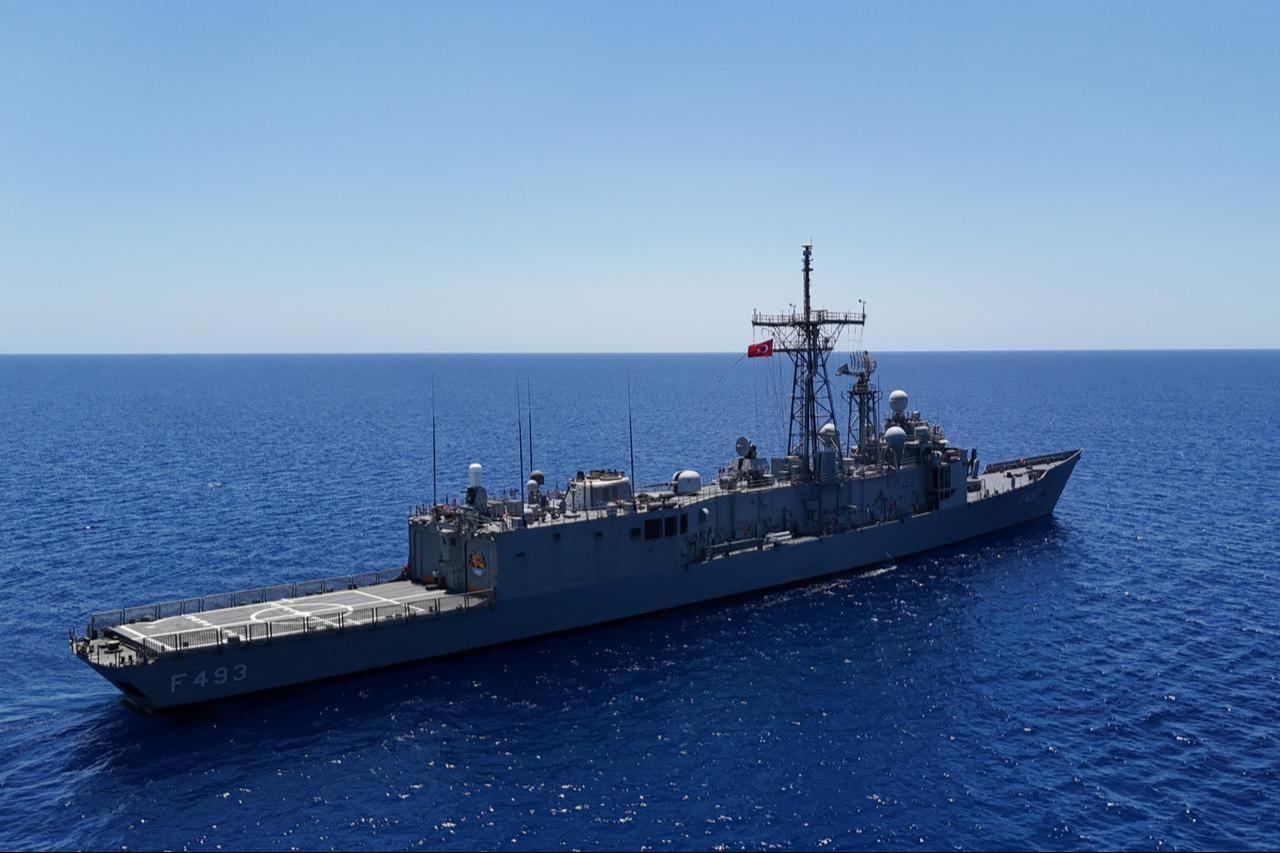
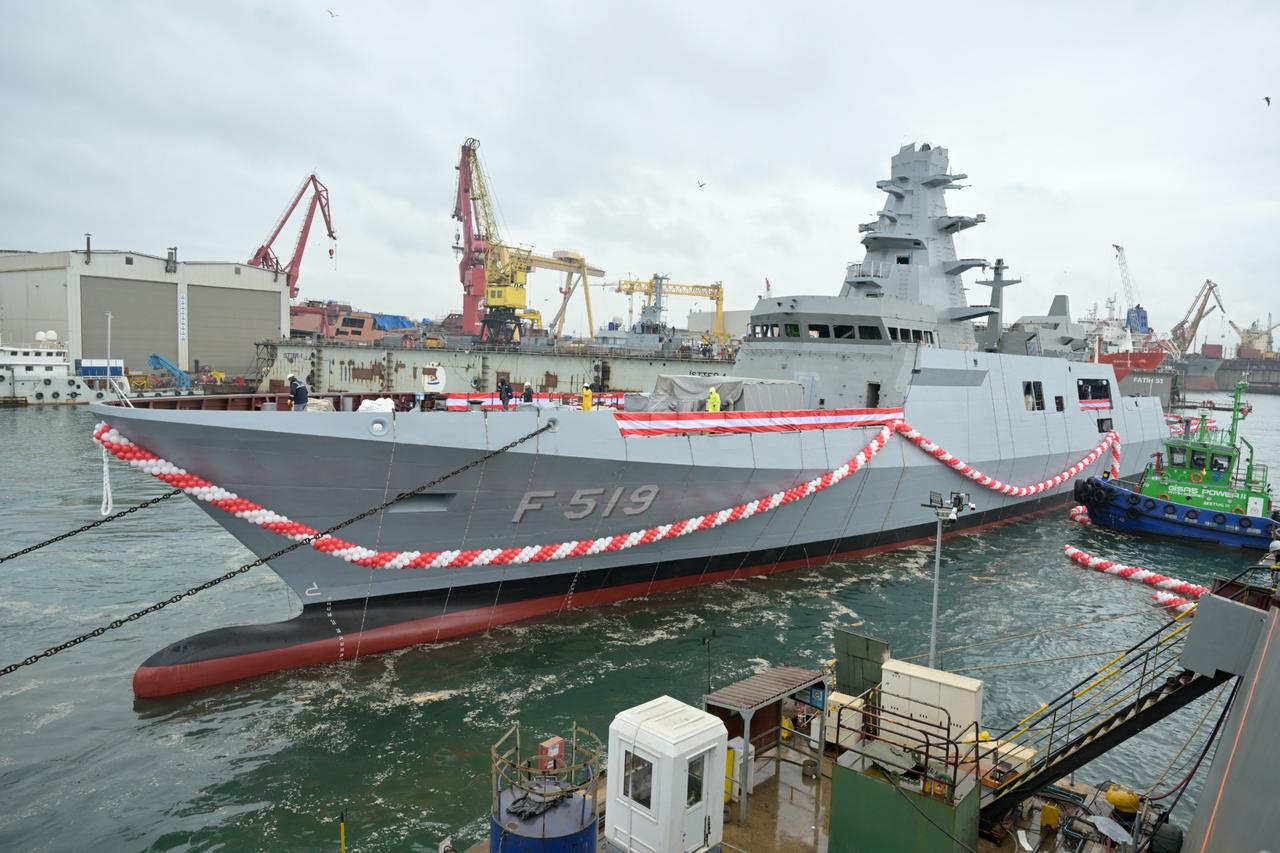
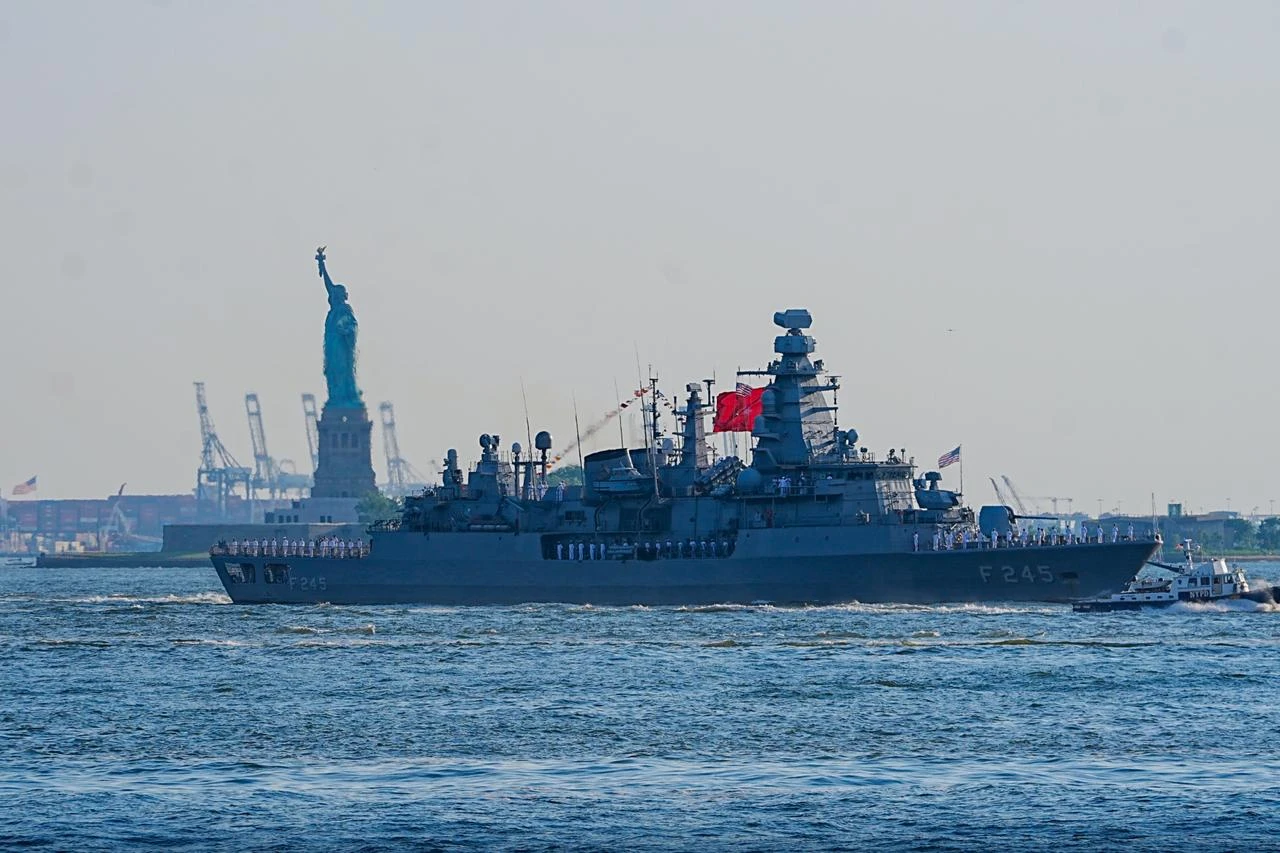
The designs under consideration include Japan’s export version of the Mitsubishi Heavy Industries FFM Mogami-class guided-missile frigate, South Korea’s Chungnam-class guided-missile frigate and Türkiye’s Istanbul-class guided-missile frigate.
Two sources said the Turkish design entered consideration following a conversation between Turkish leadership and U.S. President Donald Trump on the sidelines of NATO’s July summit.

An August White House memorandum invoked a “national security interest” waiver allowing the Pentagon to consider foreign designs despite a U.S. law restricting foreign-built warships from entering naval service.
Following the memorandum, Acting Navy Secretary Hung Cao directed the office led by Assistant Secretary of the Navy for Research, Development and Acquisition William Mahan to study international combatants, roll-on, roll-off cargo ships and consolidated cargo replenishment tankers for Military Sealift Command.
That assessment is due Nov. 12, 2026.
Navy spokesperson Capt. Ron Flanders said President Trump had directed the service to “aggressively increase domestic shipbuilding capacity,” including by using the experience of U.S. allies.
“We are actively developing options to fulfill the President’s intent to deliver ships faster while ensuring long-term investment, technology transfer, and workforce expansion within United States shipyards,” Flanders told USNI News.
The frigate program could follow what officials call the “Finland model,” under which the first one or two ships would be constructed overseas before investment and production shift to U.S. facilities.
The model resembles the Coast Guard’s Arctic Security Cutter program, in which Finnish shipyards are building initial vessels based on Canadian designs before construction transitions to a U.S. shipyard.
Office of Management and Budget Director Russ Vought has publicly supported the approach and called for greater competition in U.S. naval shipbuilding.
The proposed frigate would address a gap in the Navy’s surface fleet, where Arleigh Burke-class guided-missile destroyers designed for high-end warfare are often used for missions that could be handled by smaller frigates.
Rear Adm. Brian Metcalf said in July that frigates could operate in less contested waters and serve as high-value escorts, freeing destroyers for more demanding missions.
The initiative follows the cancellation late last year of the Constellation-class guided-missile frigate program and a shift toward the FFX patrol frigate based on the Coast Guard’s National Security Cutter.
HII’s Ingalls Shipbuilding has begun preproduction work on the first FFX frigate but has not yet received a contract.
Congress, however, is considering measures that could restrict foreign construction.
Draft Senate Armed Services Committee language for the fiscal 2027 defense policy bill would remove the national security waiver, while the House Armed Services Committee included language preventing authorized funds from being used to purchase a U.S. warship built in a foreign yard.
The final legislation has not yet been released.
The fiscal 2027 budget proposal included $1.85 billion for a foreign warship design study focused initially on Japan and South Korea.
U.S. Navy officials from both the Biden and Trump administrations have visited South Korean shipyards in recent years. Navy shipbuilding adviser Richard Breckenridge visited several South Korean yards in late August, while a U.S. House Appropriations defense subcommittee delegation toured HD Hyundai and Hanwha Ocean facilities in July.
European allies also produce frigates, including the FREMM design used by the Italian and French navies, which formed the basis for the Constellation-class design at Fincantieri Marinette Marine in Wisconsin.


 Set as preferred source
 Set as preferred source


 1 min read
 1 min read