Newsletters


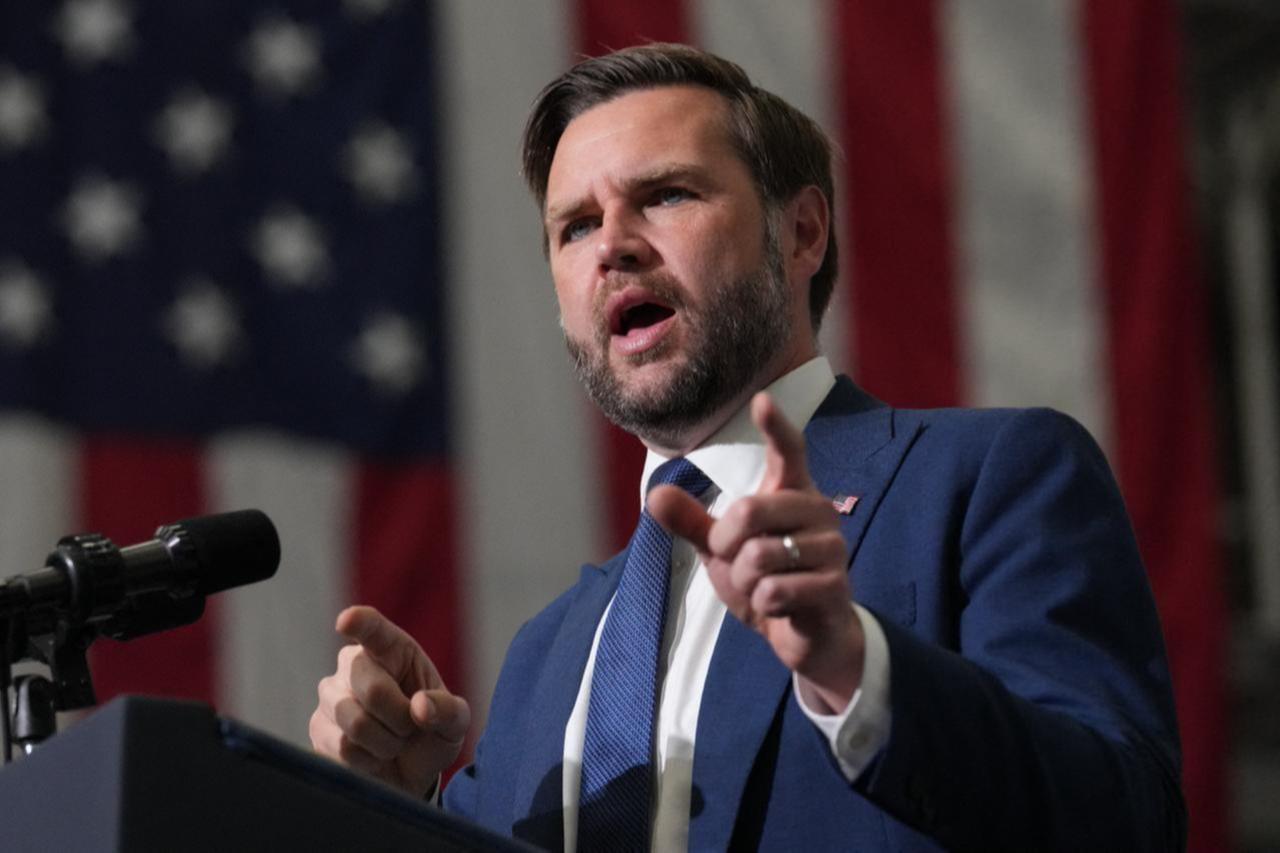


US Vice President JD Vance said Monday that the United States believes Iran's supreme leader is alive, though he cautioned that Washington cannot say so with certainty, describing him as increasingly detached from the country's day-to-day decision-making.
Speaking in an interview with journalist Vince Coglianese, Vance also blamed Iranian leaders for the collapse of a memorandum of understanding with the United States, saying Tehran's decision to target commercial vessels in regional waters undid diplomatic gains that had followed a ceasefire.
Asked about the health and status of Iran's supreme leader, Vance said US officials have not confirmed his condition but believe he remains alive based on available intelligence.
"We think that he's alive. We don't know, of course," Vance said, adding that he has not personally seen the leader appear on camera recently. "The best evidence we have suggests that he is alive."
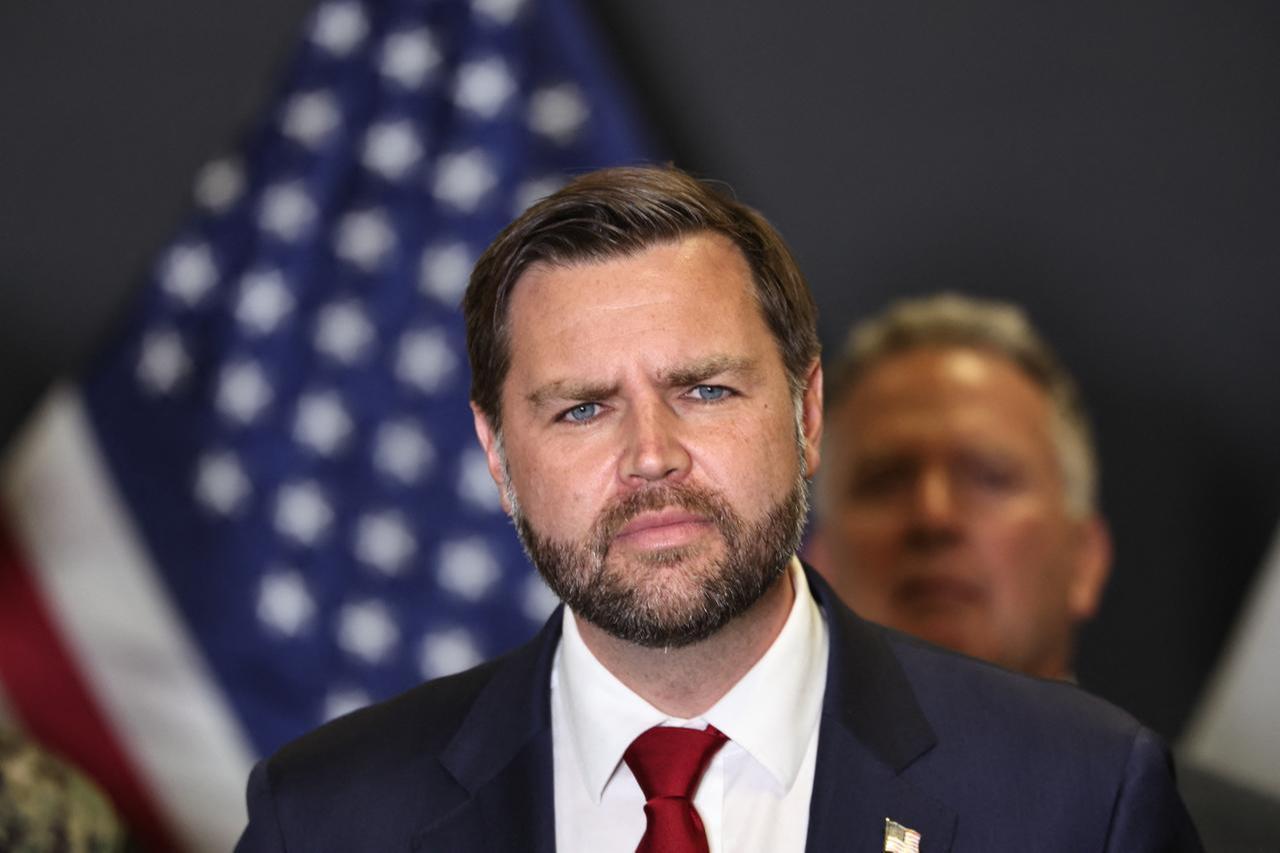

Turning to the breakdown of a recent memorandum of understanding between Washington and Tehran, Vance said Iranian leaders had undermined an opportunity to ease tensions and improve economic conditions after a ceasefire had been reached and energy prices had fallen.
"I think the Iranians recognise that they screwed up, that they signed a deal with us, we had a ceasefire, we had energy prices that had come down," Vance said, adding that Iran stood to gain from a better relationship with the United States had it upheld the agreement.
He said that prospect collapsed when Iranian forces began firing on commercial shipping in the region. "They didn't behave," Vance said. "They started shooting at commercial shipping."
Pressed on who currently holds authority in Iran, Vance said the country's leadership structure is difficult to parse, spanning hardliners, conservatives, moderates and clerics who all participate in decision-making.
"It's a very confused system," Vance said, adding that any answer on who is truly in charge "would be at best a guess."
He singled out the country's supreme leader as particularly removed from daily governance. "And then of course you have the new supreme leader, who is very detached," Vance said. "He's not involved day-to-day; he's not going on American Sunday shows and talking about these negotiations."
Iran has been governed since 1989 under the authority of a supreme leader, the country's highest political and religious office, which oversees the armed forces, judiciary and key policy decisions alongside an elected president and parliament.


 Set as preferred source
 Set as preferred source


 2 min read


 1 min read